Articles · Roman Corduba
Roman Córdoba: Articles on Corduba and Its Legacy (Page 2)
Capital of Baetica, home of Seneca and Lucan, and a bridge you can still walk.
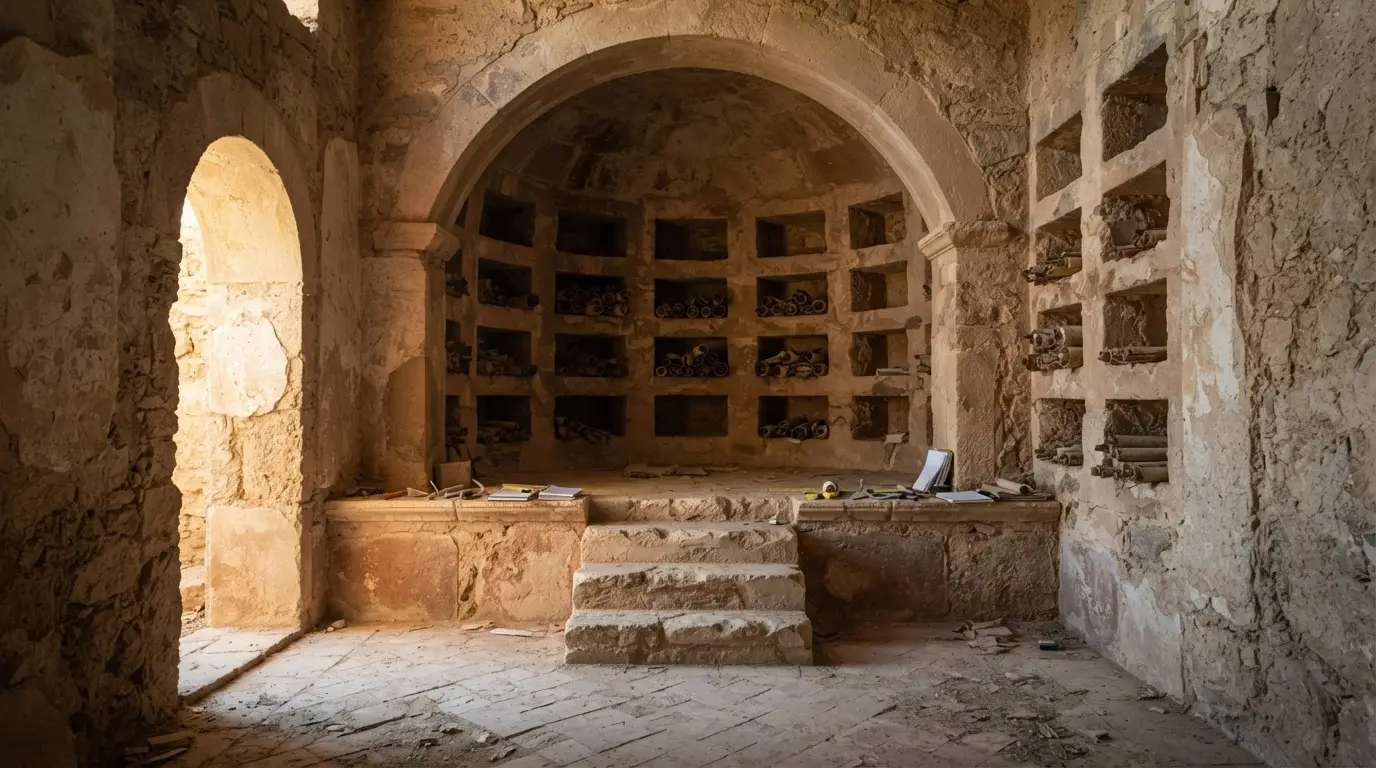
Roman Library in Córdoba: The Villa Room Once Called a Shrine
Sophie Marchand Updated
A 2026 study reidentifies a Córdoba-province villa room, catalogued for decades as a Mithras shrine, as Iberia's oldest documented Roman private library.
Read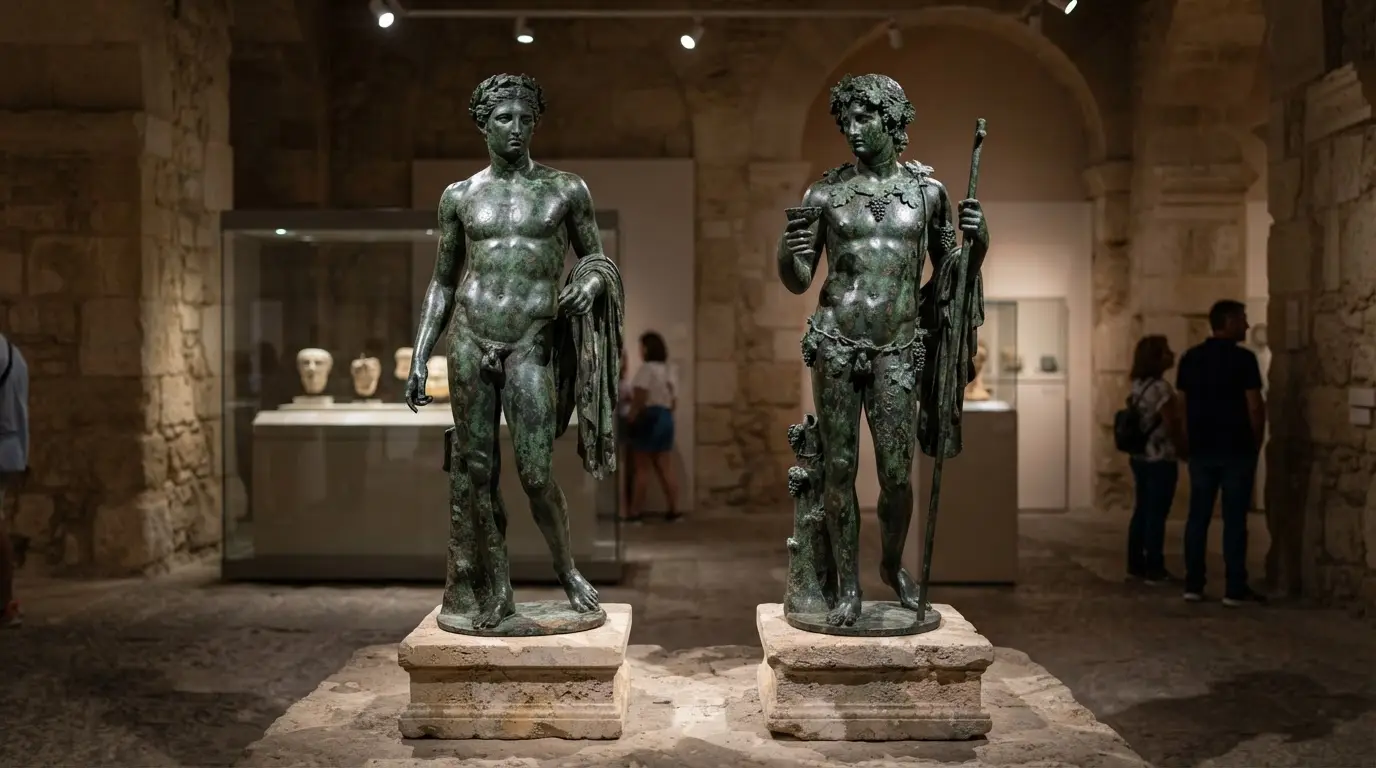
How Police Saved the Ephebes of Pedro Abad From a Black Market
Sophie Marchand
In 2012, Spanish police stopped a black-market sale of the Ephebes of Pedro Abad, rare Roman bronzes now the only such pair on display in Córdoba today.
Read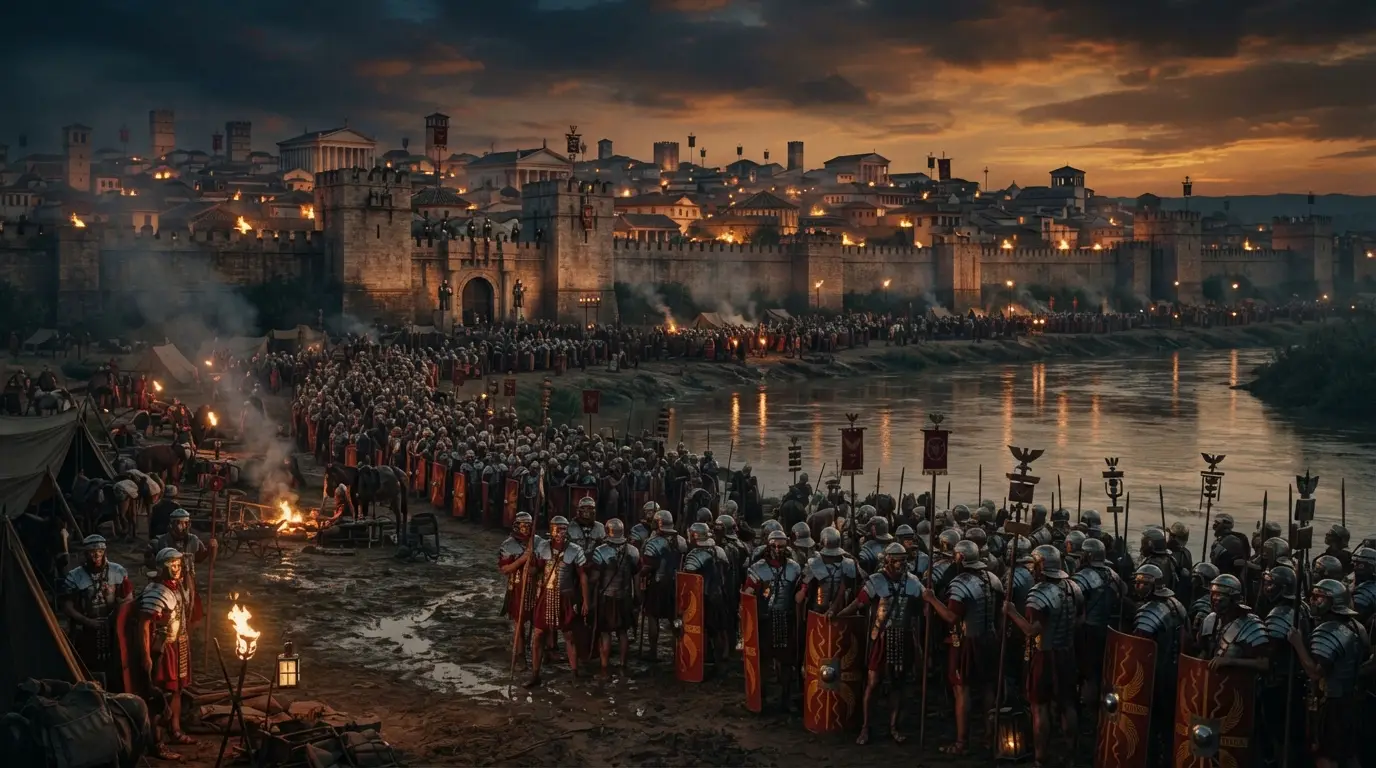
The Siege of Corduba: How Caesar Punished the City
Sophie Marchand
After Munda in 45 BC, Julius Caesar besieged Roman Corduba, executed the garrison of armed slaves, and forced Pompey's capital to pay a heavy indemnity.
Read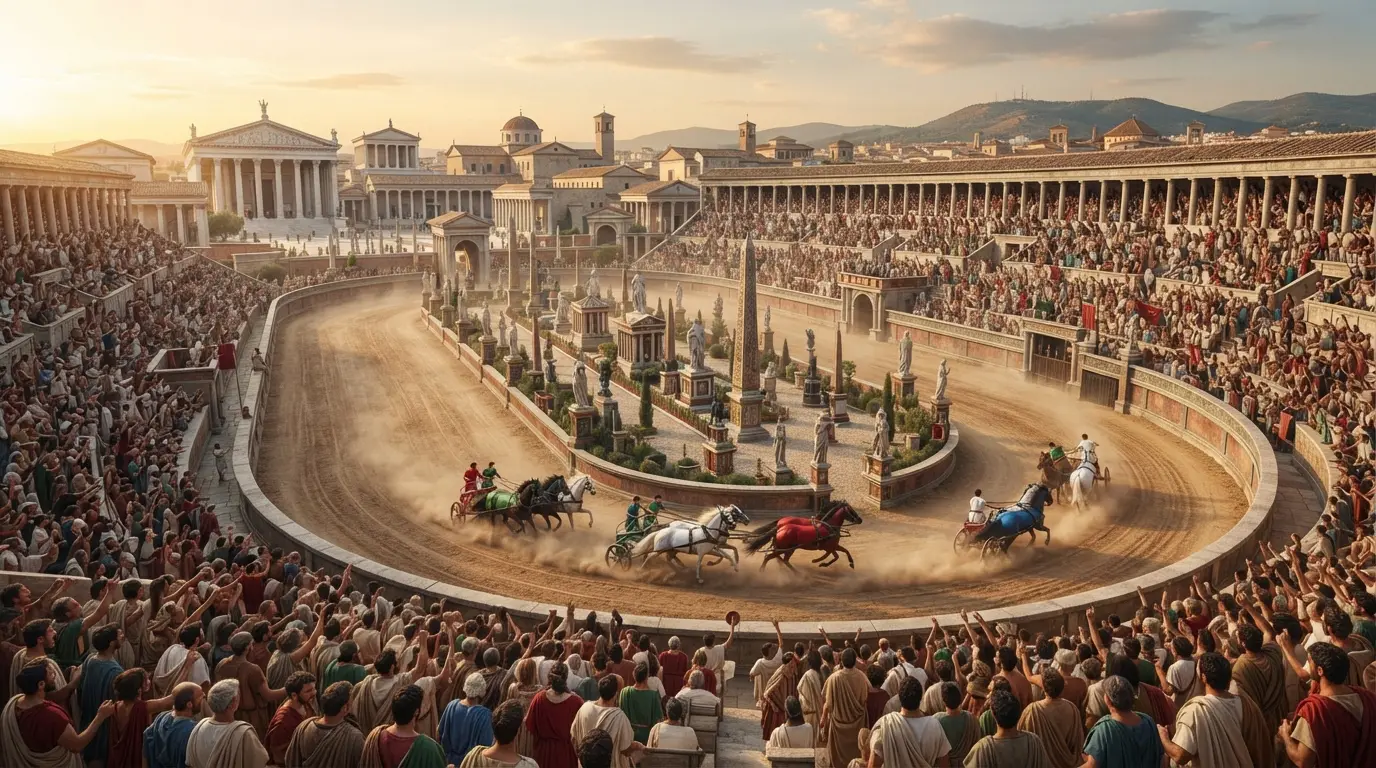
The Roman Circus of Córdoba: Chariot Races Outside the Walls
María Fernanda González Updated
Córdoba's Roman circus stood outside the walls of Colonia Patricia and was identified in 1996 from seating foundations. Here is what the excavations show.
Read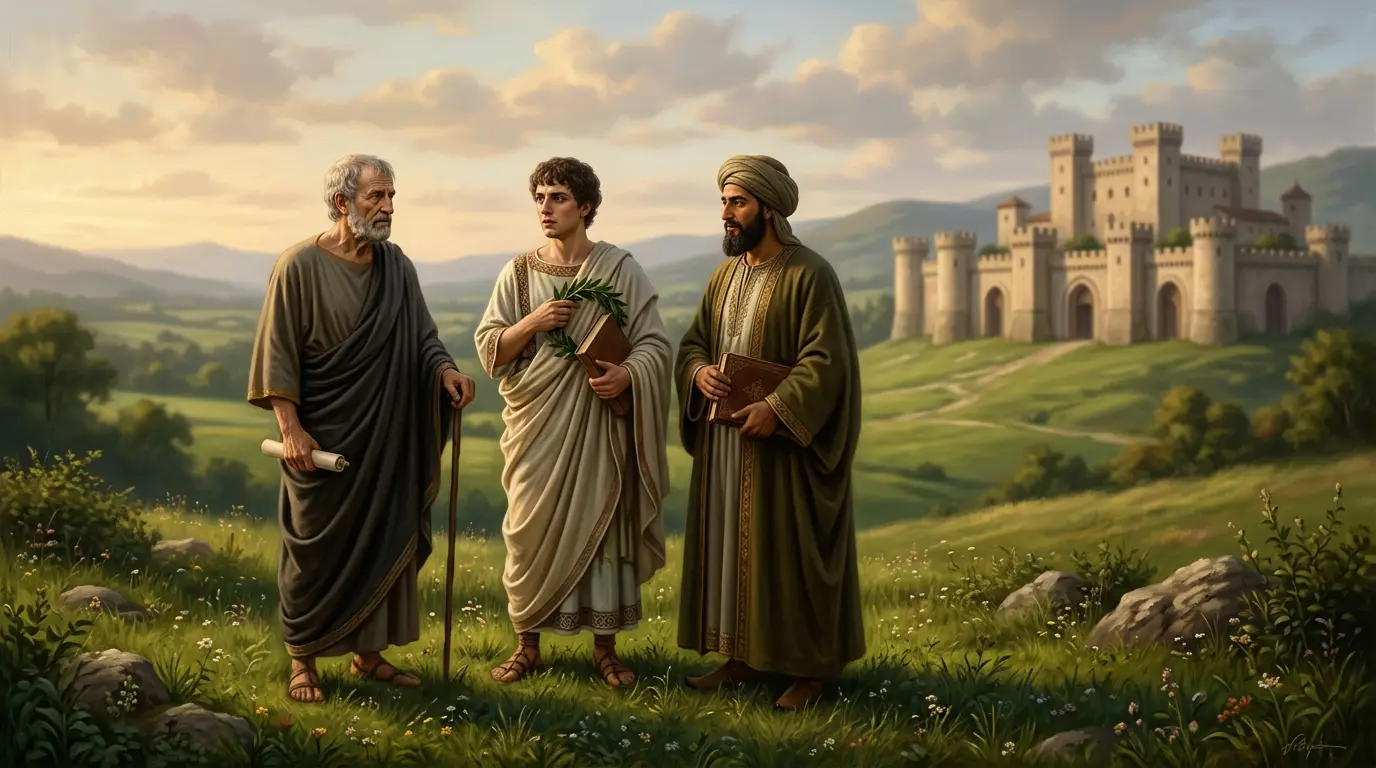
Cordobans in Dante's Inferno: Three Philosophers in Limbo
Sophie Marchand Updated
Seneca, Lucan, and Averroes: three Córdoba-born intellects who share a single canto of Dante's Inferno. Why the poet admired them yet placed them in Limbo.
Read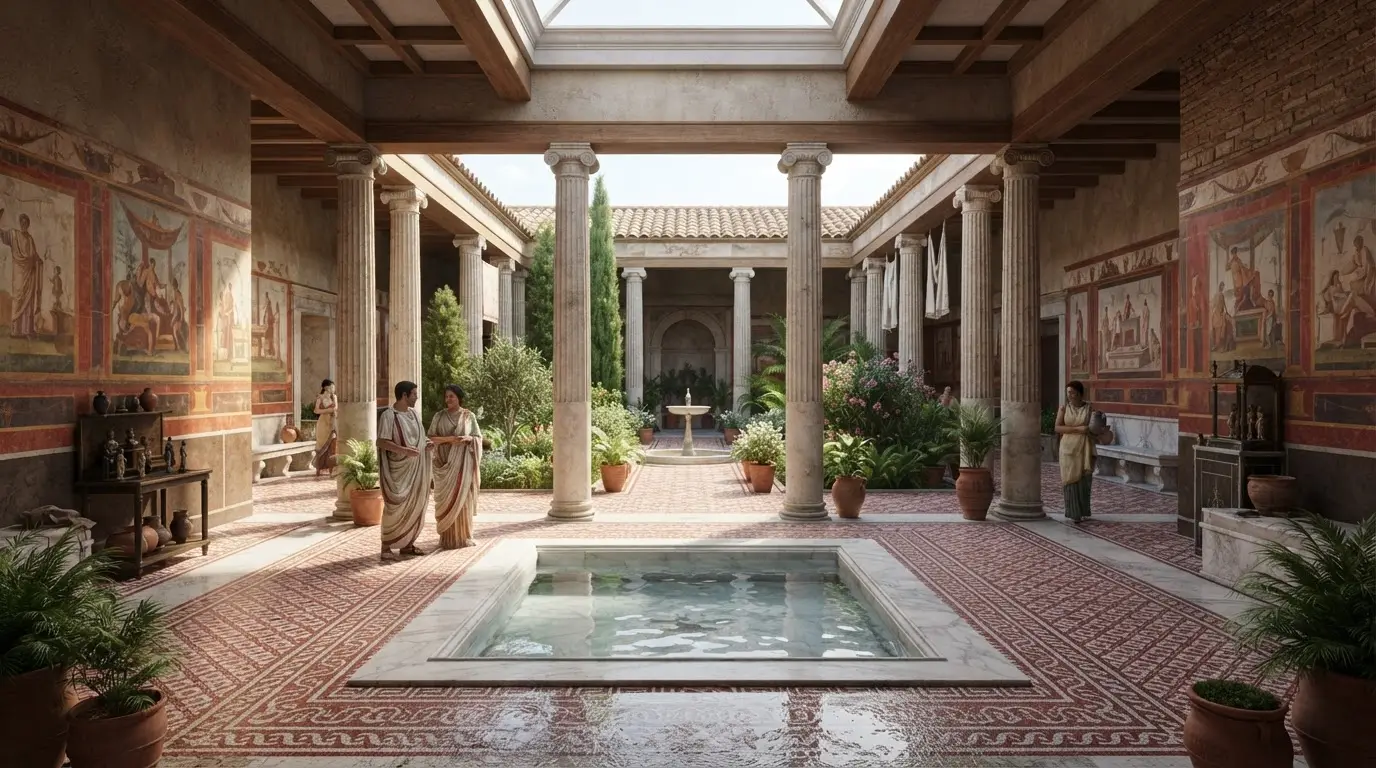
Roman Houses of Cordoba: Elite Life in Colonia Patricia
María Fernanda González Updated
Roman houses in Cordoba, Spain, had atriums, peristyle gardens, and hypocaust floors. Surviving mosaics, frescoes, and the patio tradition they started.
Read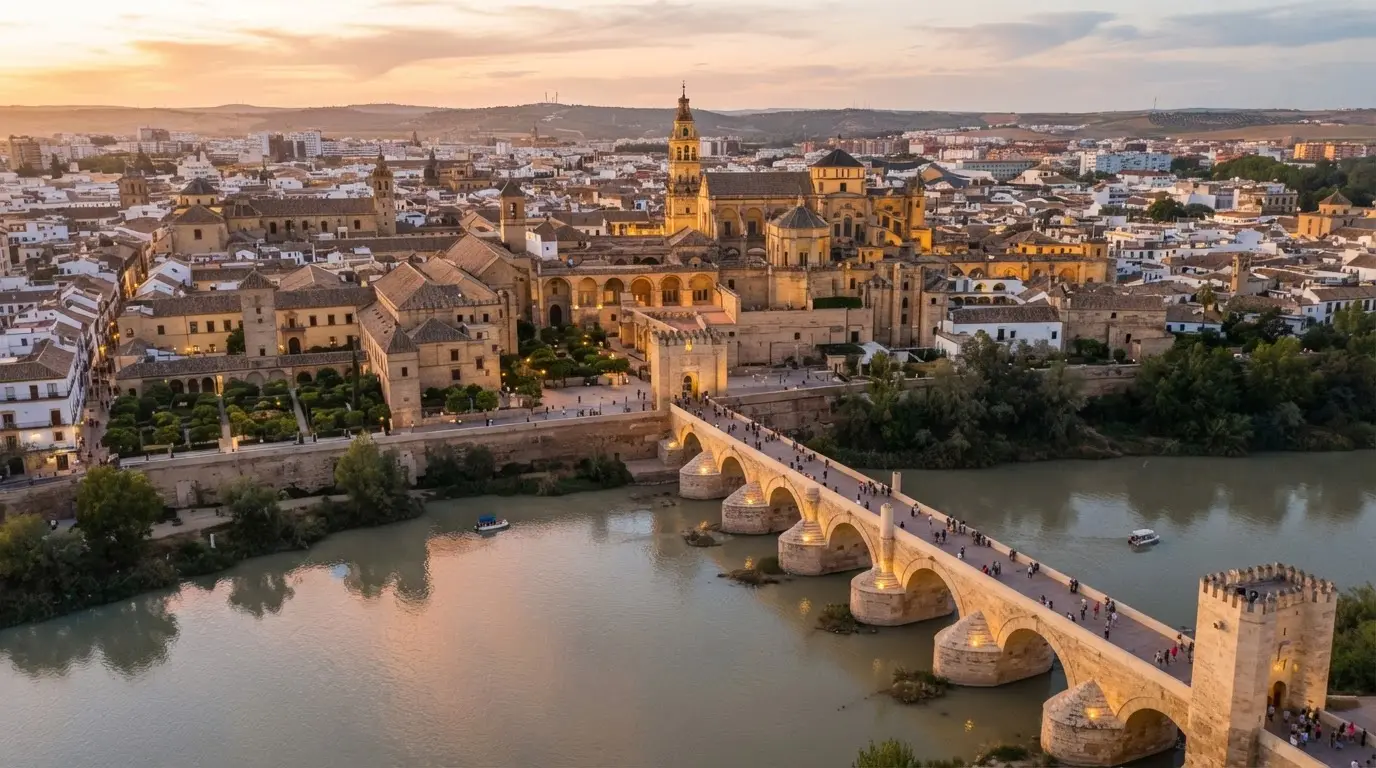
Why Córdoba Is Called Córdoba: The Name's Long Argument
Sophie Marchand Updated
The name Córdoba has passed through five civilisations, each leaving a phonetic trace on the word: from Iberian Corduba to Arabic Qurṭuba to Castilian Córdoba.
Read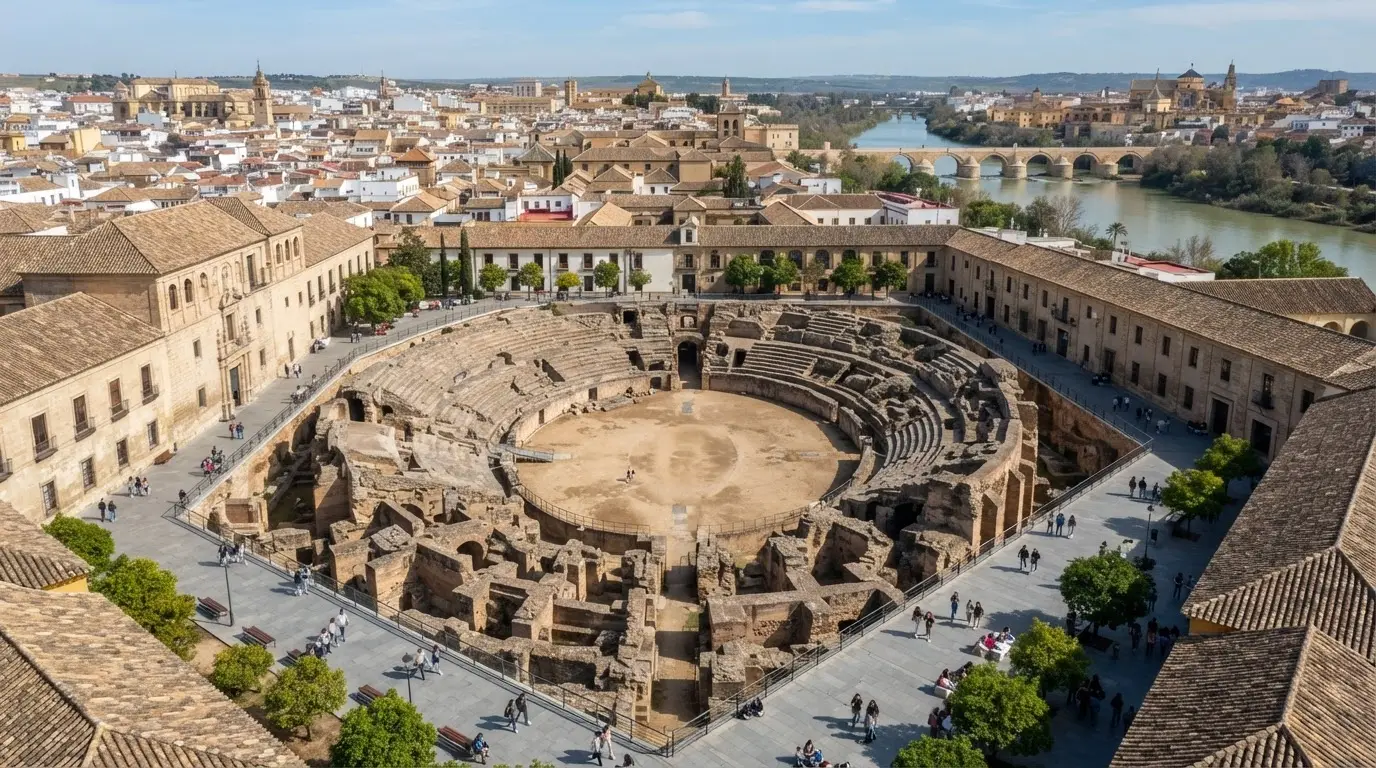
Roman Amphitheatre Córdoba: The Lost Colosseum
María Fernanda González Updated
Córdoba's Roman amphitheatre came to light in 2002 beneath the university's Rectorado. Its major axis is put at roughly 164-178m; no documented public access.
Read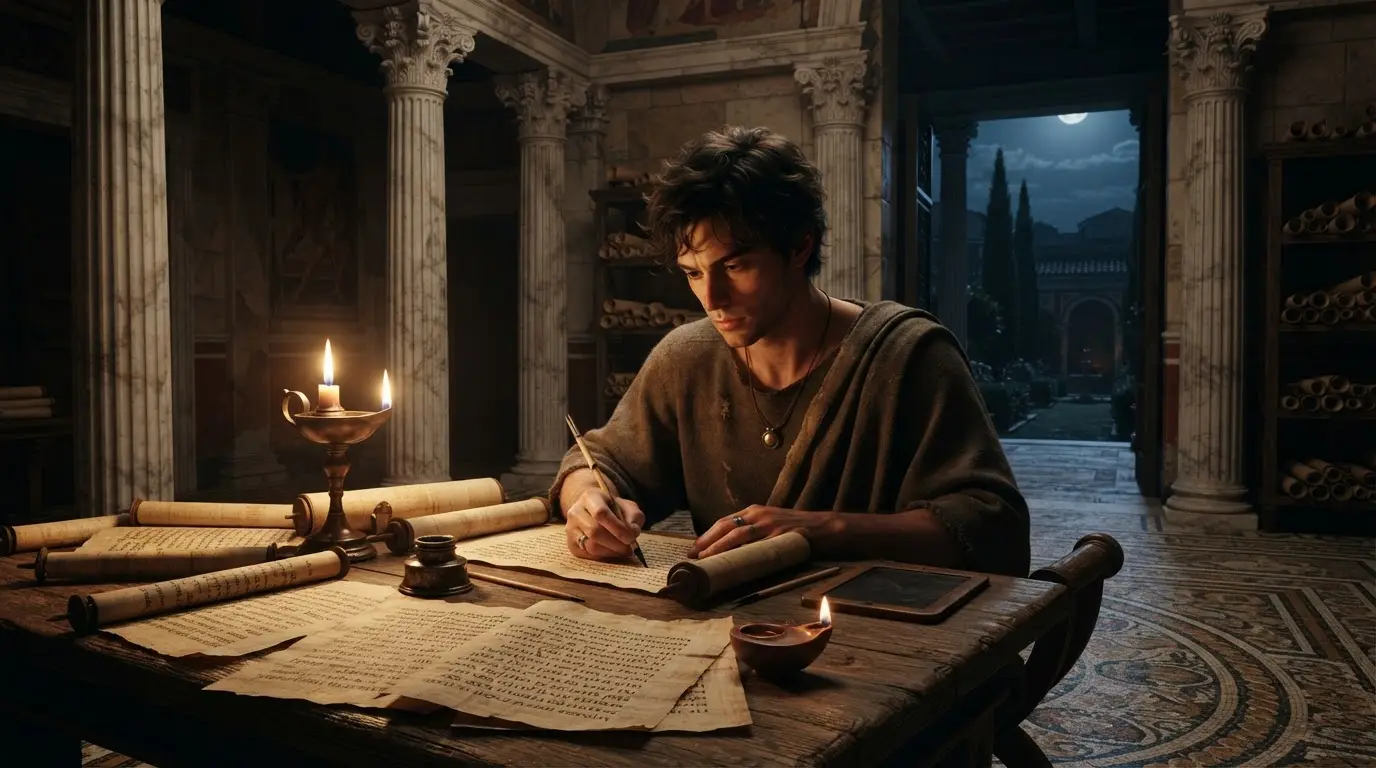
Lucan: The Poet Who Challenged Nero and Lost
Sophie Marchand Updated
Born in Córdoba in 39 AD, Lucan wrote Rome's most defiant epic against a reigning emperor and was forced to die at 25. His Pharsalia survives to this day.
Read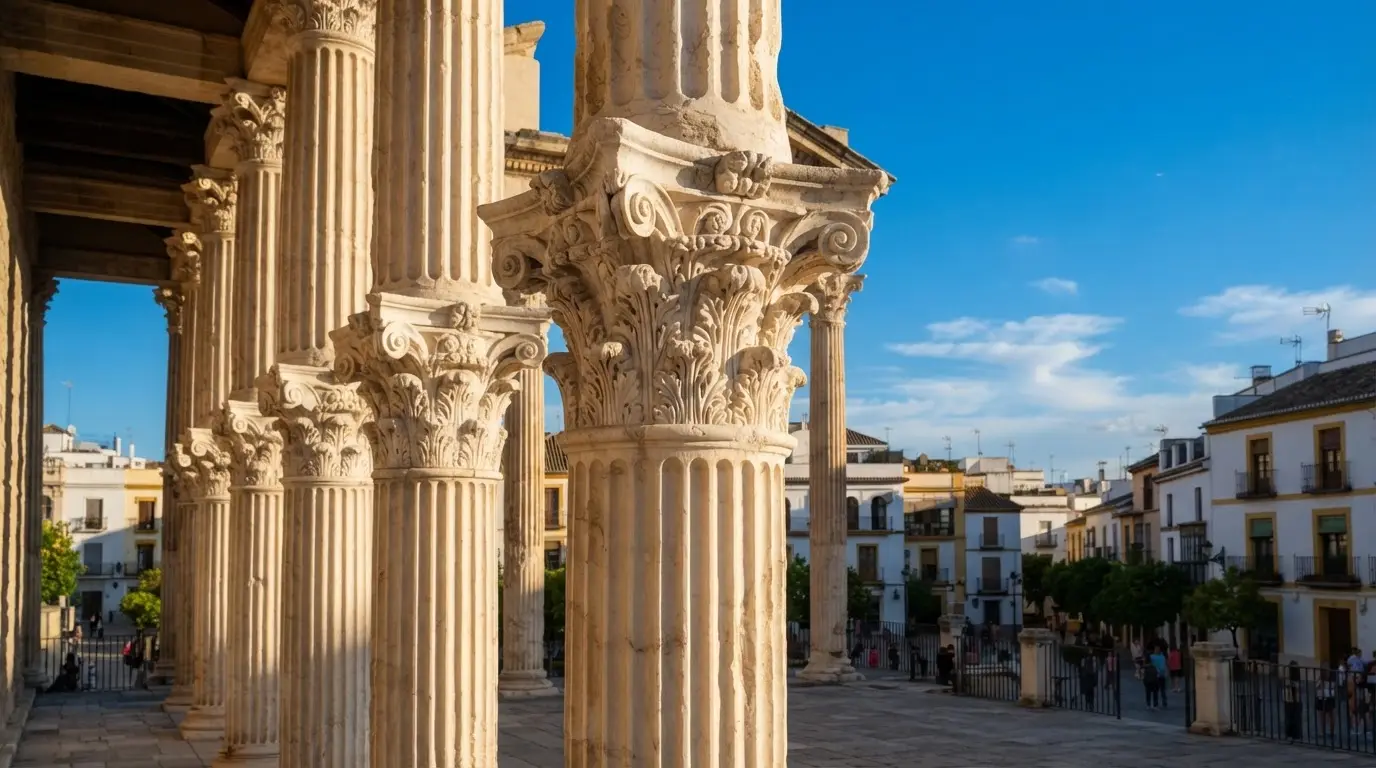
Córdoba's Roman Temple: Found Under City Hall in 1951
María Fernanda González Updated
In 1951, Córdoba's City Hall expansion broke through to a Roman temple buried for 1,900 years. What workers found, how it was identified, and what survives.
Read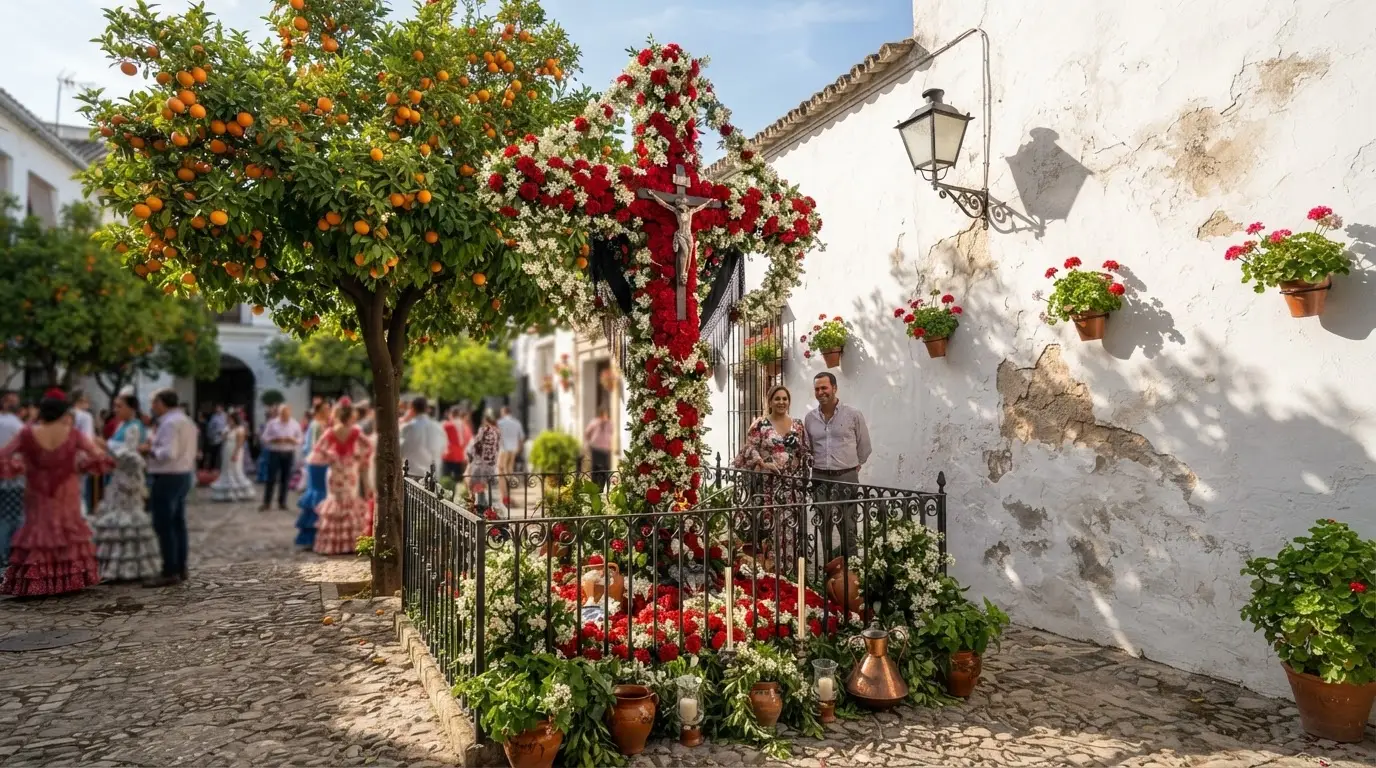
Cruces de Mayo: Pagan Spring Rite Turned Christian Festival
Sophie Marchand Updated
From Roman Floralia to the True Cross of Saint Helena: two millennia of religious syncretism shaped the flower-draped May crosses Córdoba celebrates today.
Read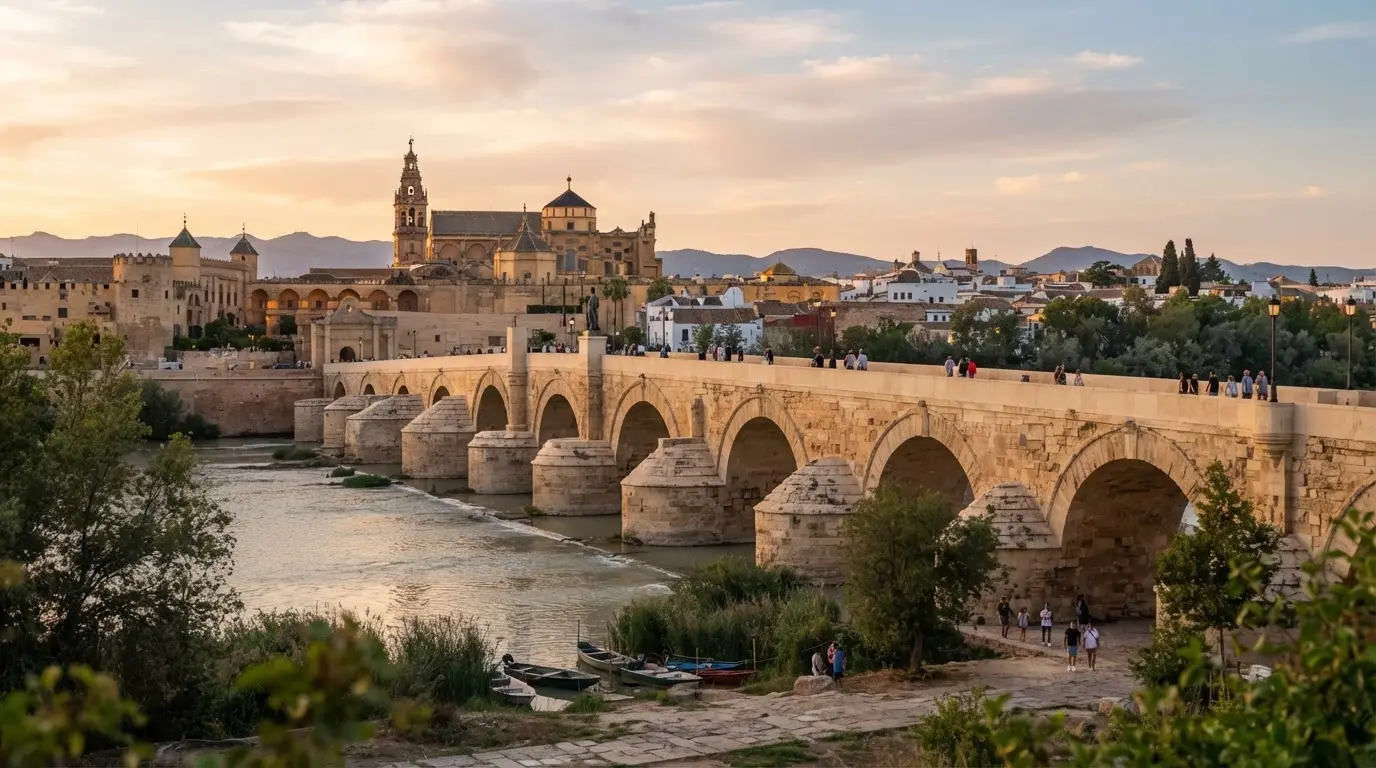
Córdoba's Roman Bridge Has Only Two Arches Called Roman
Sophie Marchand Updated
Córdoba's Roman Bridge has 16 arches, and only two are usually called Roman. From an emir's rebuild around 720 to the 2008 restoration, here is what you cross.
Read