Articles · Castilian & late medieval
Castilian Córdoba: Articles on the Late Middle Ages
A mosque becomes a cathedral and fourteen new parish churches rise around it.
Articles on the Christian city that followed the conquest: new churches, royal building, Jewish and Mudéjar life, and the Mezquita's change of use. For readers who want medieval Córdoba beyond the caliphs.
17 articles · 1236–1492
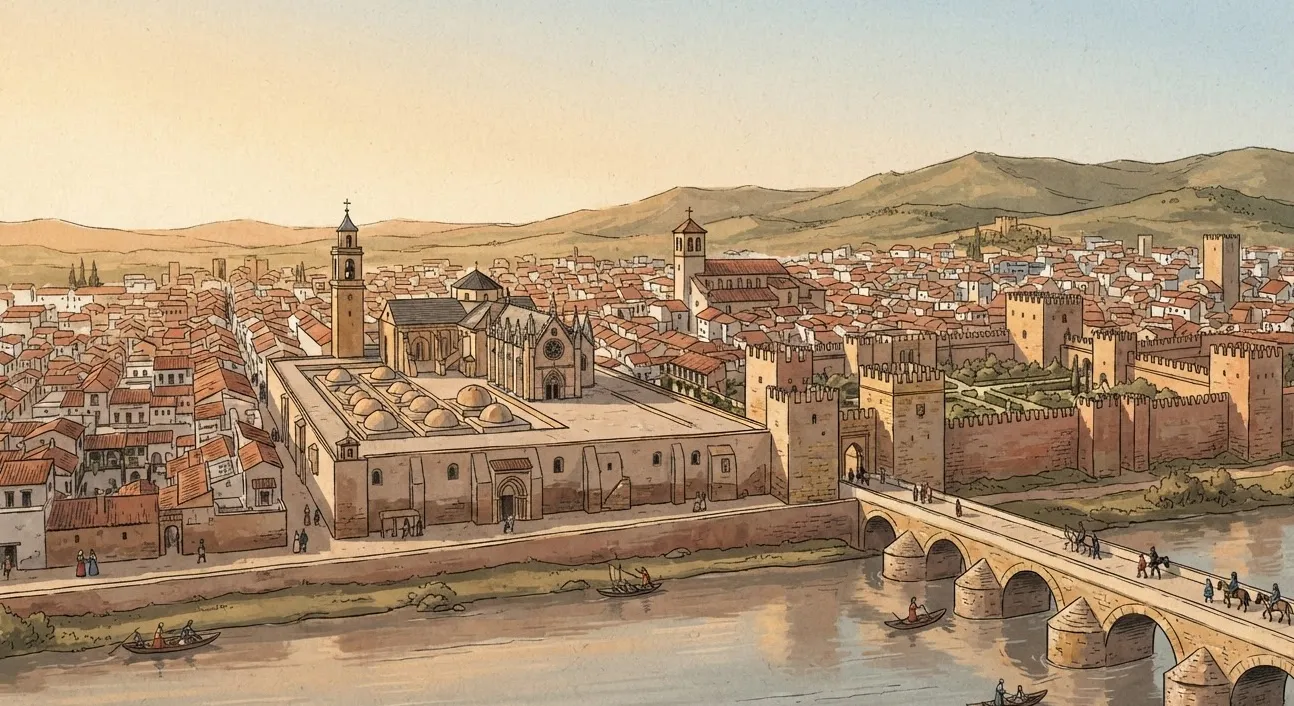
Articles on Castilian & late medieval
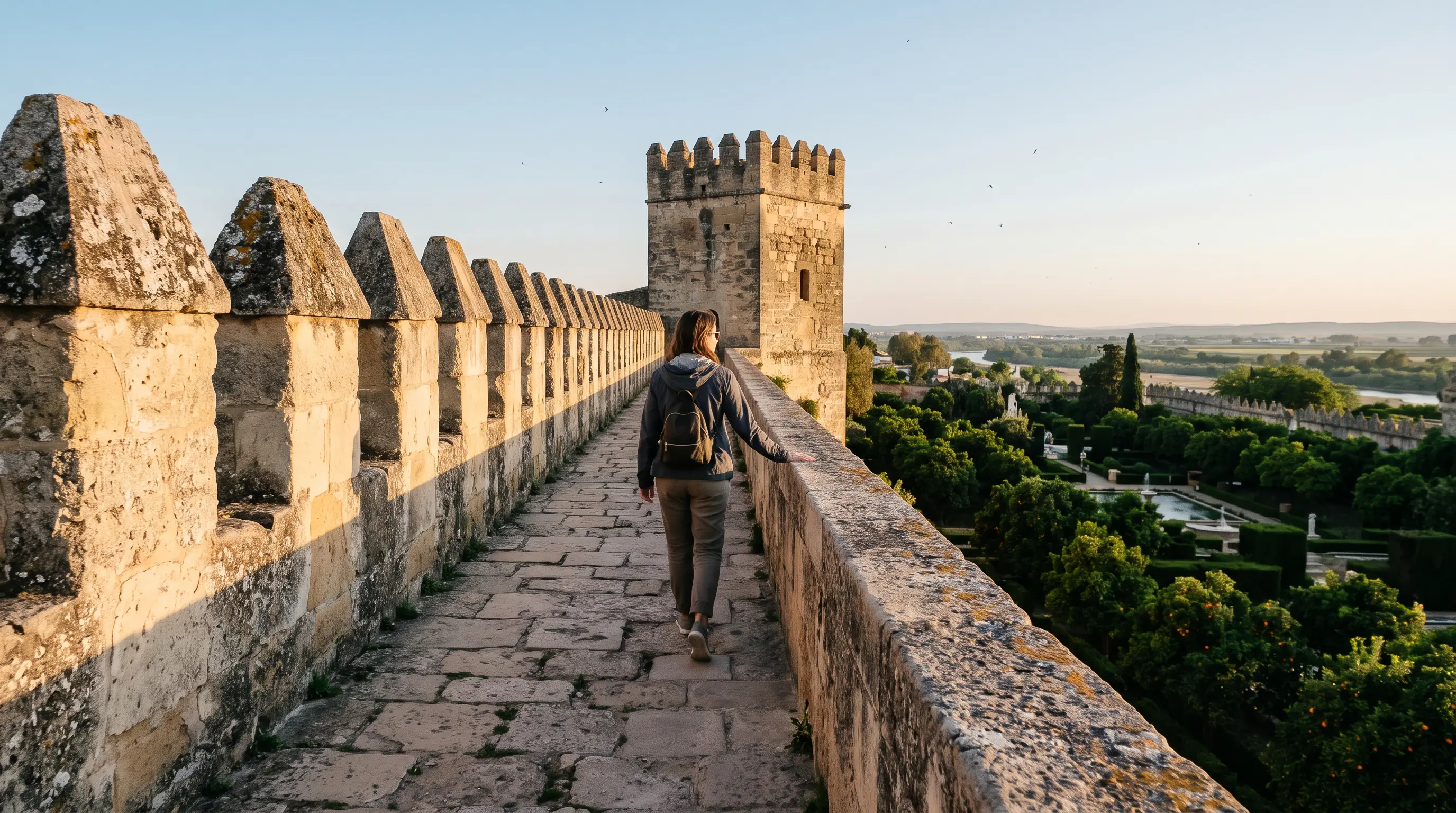
Was Córdoba the Catholic Monarchs' Base in the War of Granada?
Sophie Marchand
Córdoba's Alcázar served the Catholic Monarchs as a campaign headquarters in the War of Granada. What is documented, what is not, and the Great Captain's role.
Read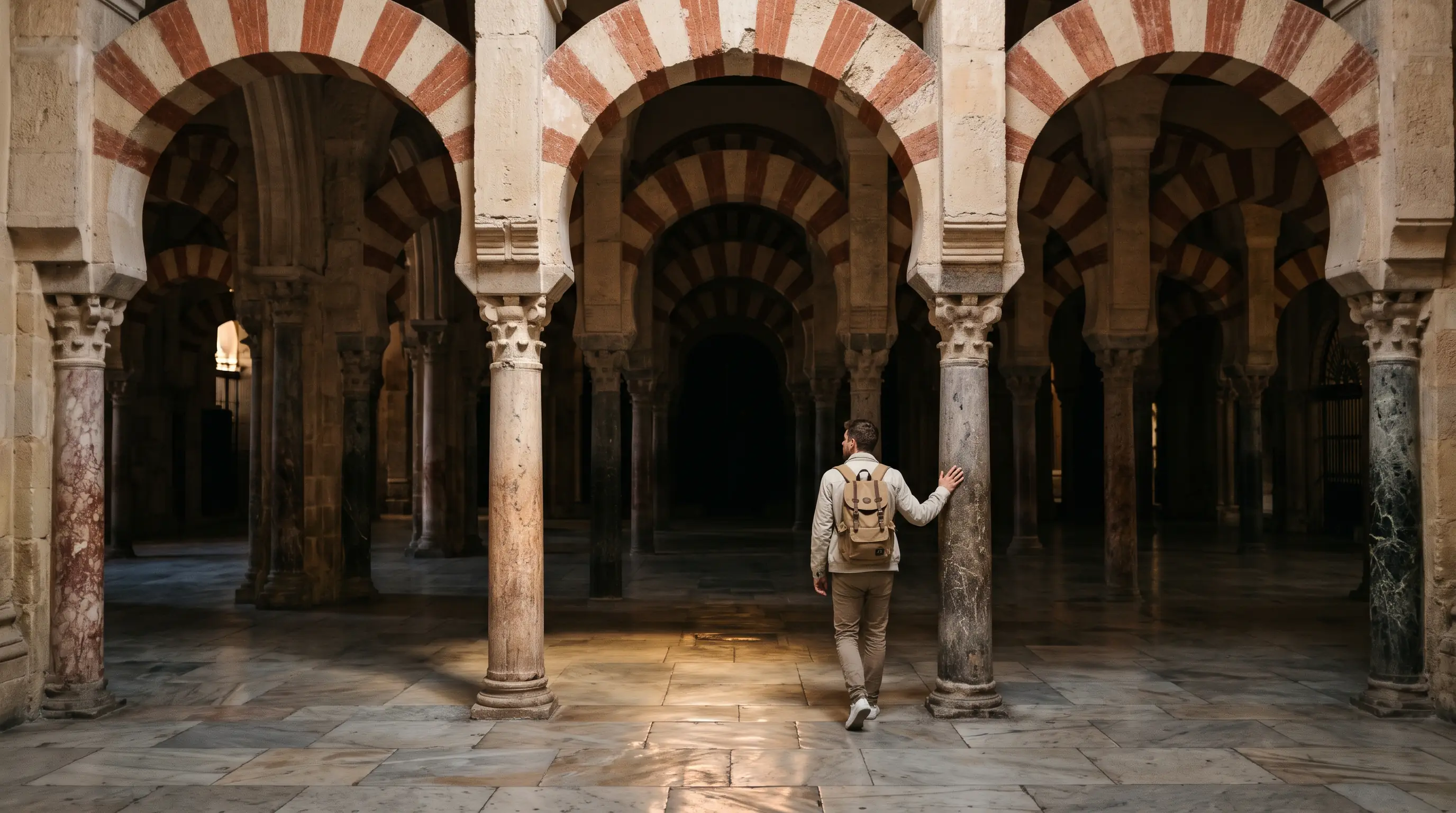
Alfonso X the Wise Was 14 When Córdoba Fell: What Tied Him to It
Sophie Marchand
Alfonso X was 14 when Córdoba fell in 1236. Here is what ties the Learned King to it: its 1241 fuero, perhaps its libraries and a chronicle of the Mezquita.
Read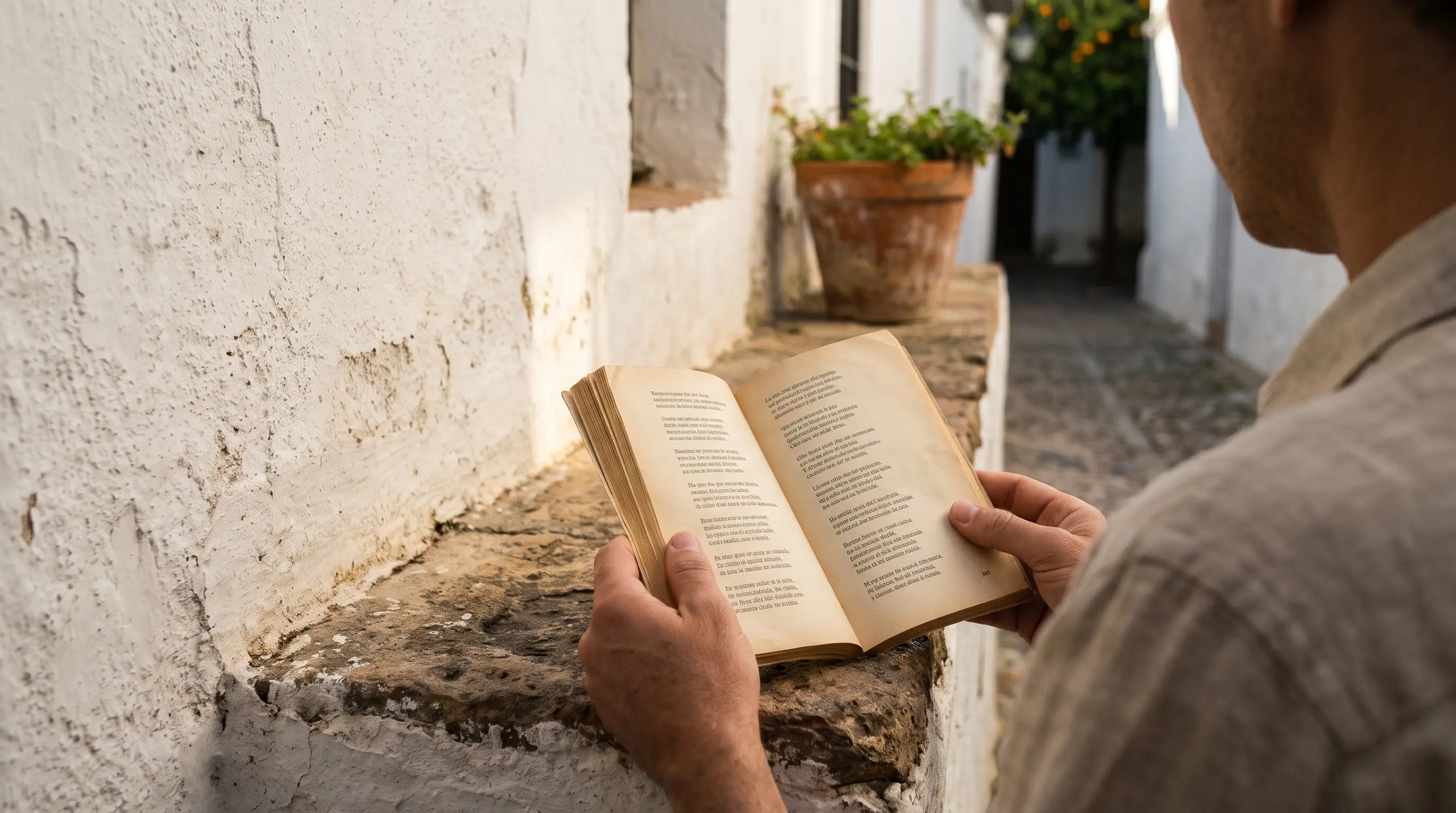
Juan de Mena, the Córdoba Poet Who Wrote Castile's Labyrinth
Sophie Marchand
Juan de Mena, born in Córdoba around 1411, wrote the Laberinto de Fortuna and served Juan II. What is known of his life, his poem, and the traces in the city.
Read
The Kingdom of Córdoba Had No King: How Castile Ruled It
Sophie Marchand
The Kingdom of Córdoba had no king: it was a Castilian jurisdiction from 1236 to 1833. How realengo, señorío, corregidores and the Cortes governed it.
Read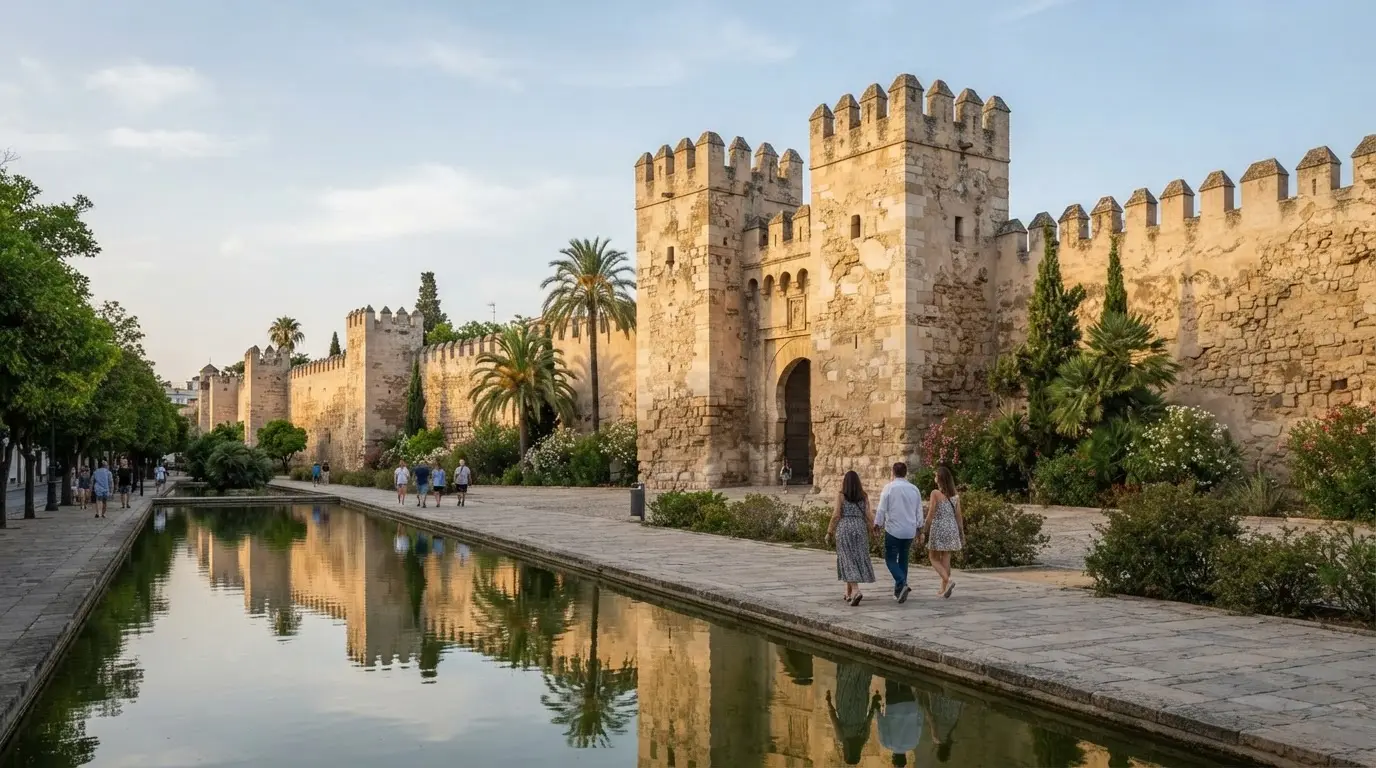
Calle Cairuan and the Almodóvar Gate: A Walk Along the Wall
Sophie Marchand
Walk Calle Cairuan in Córdoba from the Almodóvar Gate: a 14th-century rebuild, a 1968 Tunisian street name, Roman wall footings and the Judería lanes.
Read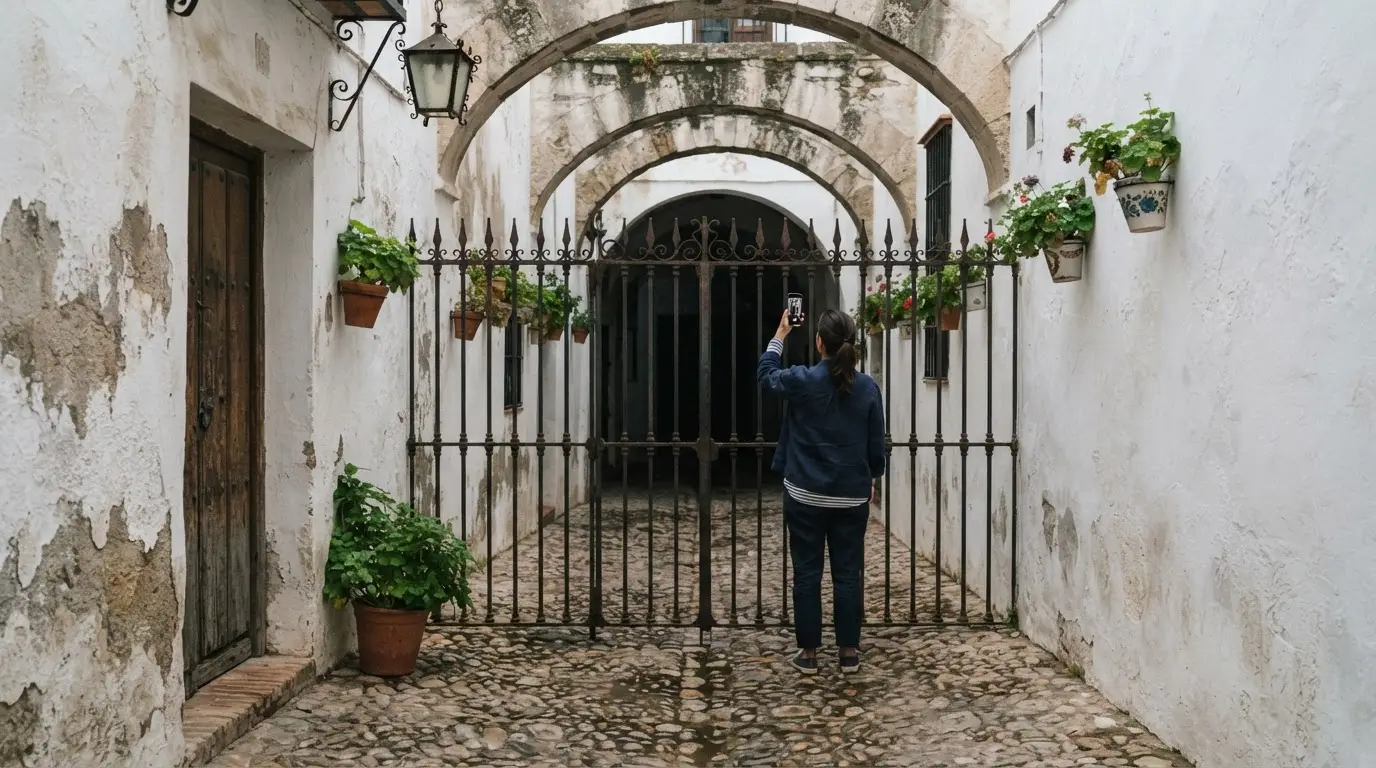
Arquillos Alley Córdoba and the City's Narrowest Lanes
Sophie Marchand
The Arquillos alley in Córdoba's Judería is gated, so you see it through bars. Why 'narrowest' is unproven, and how the Pañuelo and Flores lanes compare.
Read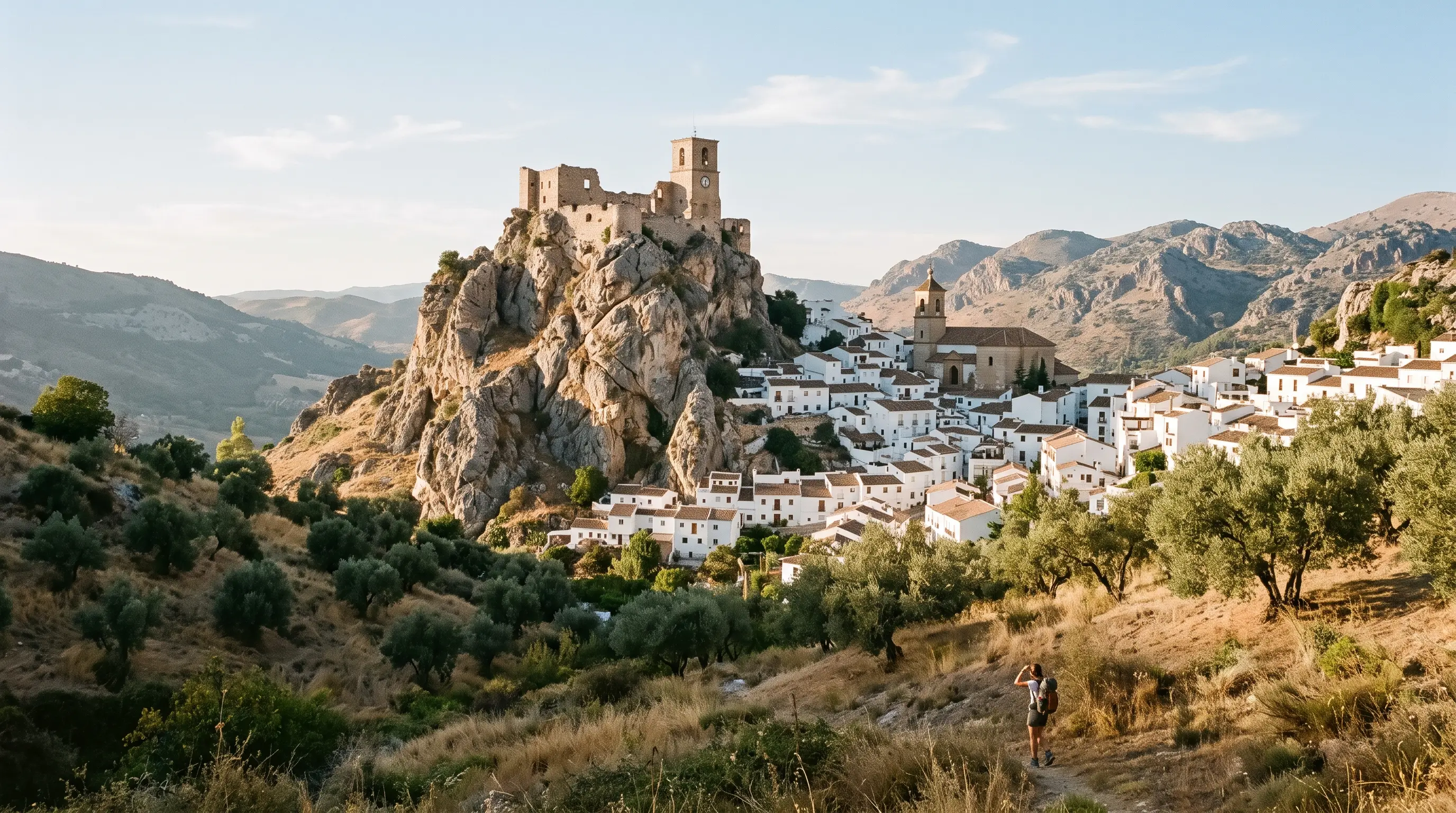
Zuheros Castle Village: The Córdoba Town Built on a Cliff
Carmen Ruiz Montoya
Zuheros castle sits on a limestone crag above a white village in Córdoba province. Moorish cistern, Renaissance palace wall, ticket prices and what to check.
Read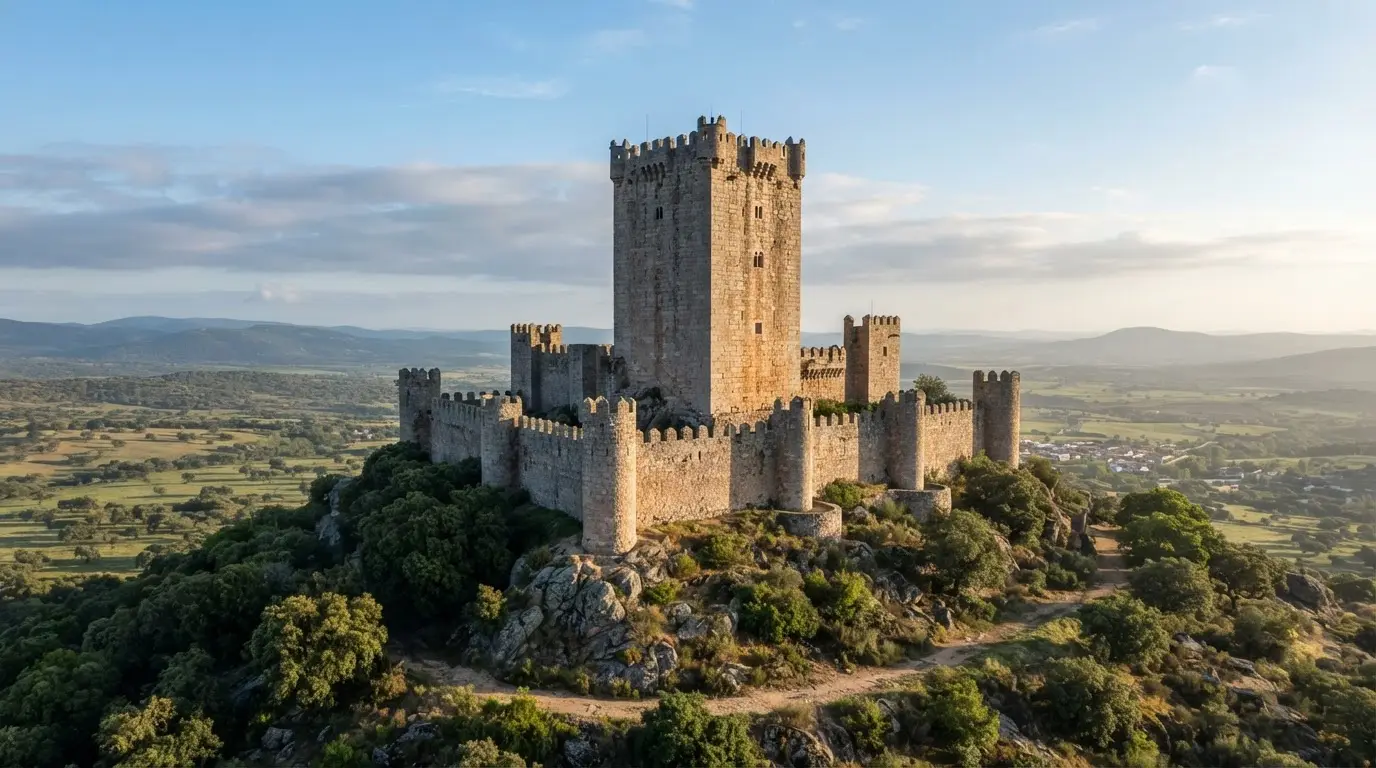
47 Metres Tall and Almost Unknown: Spain's Tallest Keep
Sophie Marchand
Belalcázar Castle's 47 m keep is listed by the Junta de Andalucía as Spain's tallest. How it grew, what to see inside and how to book the free guided visit.
Read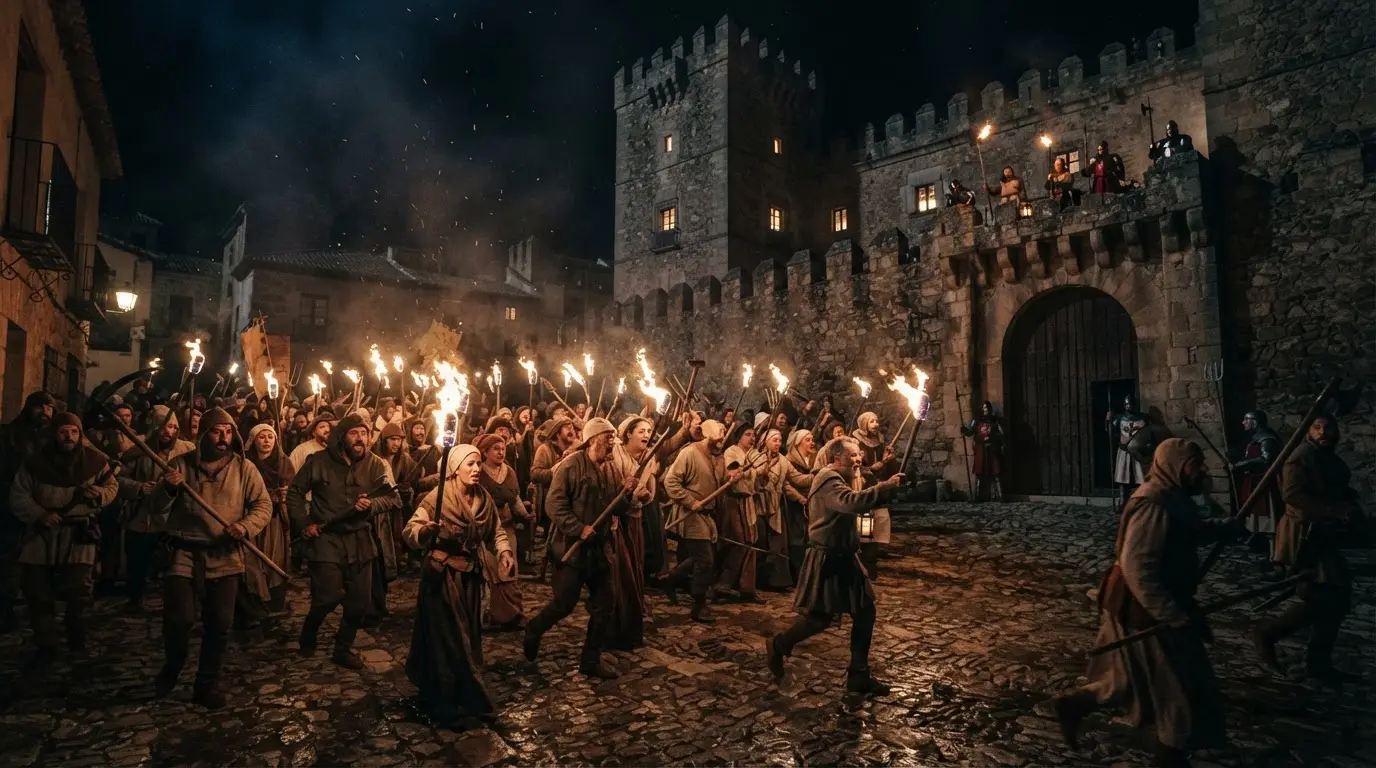
The 1476 Murder Mystery a Whole Village Refused to Solve
Sophie Marchand
In 1476, Córdoba villagers tortured for the truth gave one answer: the town did it. The real story behind Lope de Vega's play is a tax war, not a fairy tale.
Read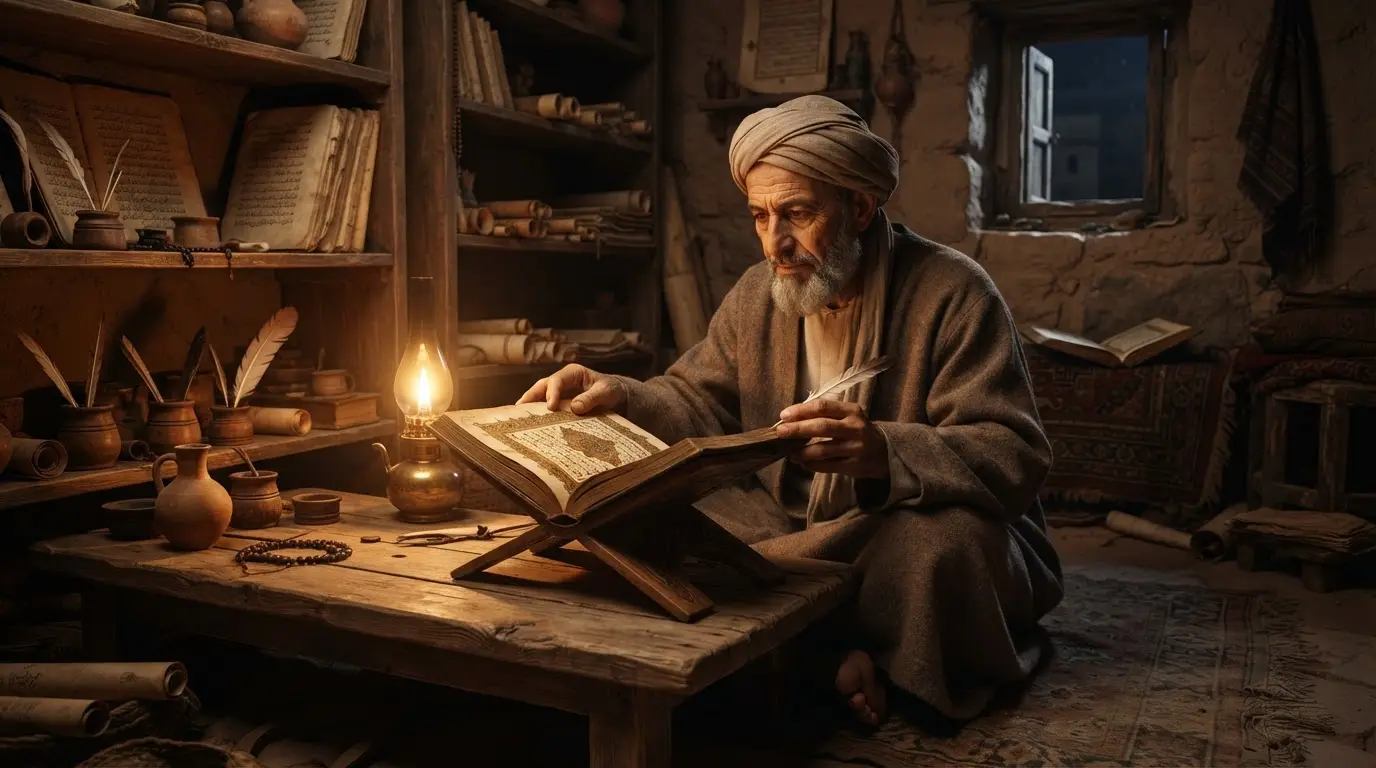
Al-Qurtubi: Córdoba's Exiled Scholar and His Enduring Tafsir
Sophie Marchand Updated
Al-Qurtubi fled Córdoba after the 1236 conquest and spent his life in Egypt writing Tafsir al-Qurtubi, a 20-volume Quran commentary still read worldwide.
Read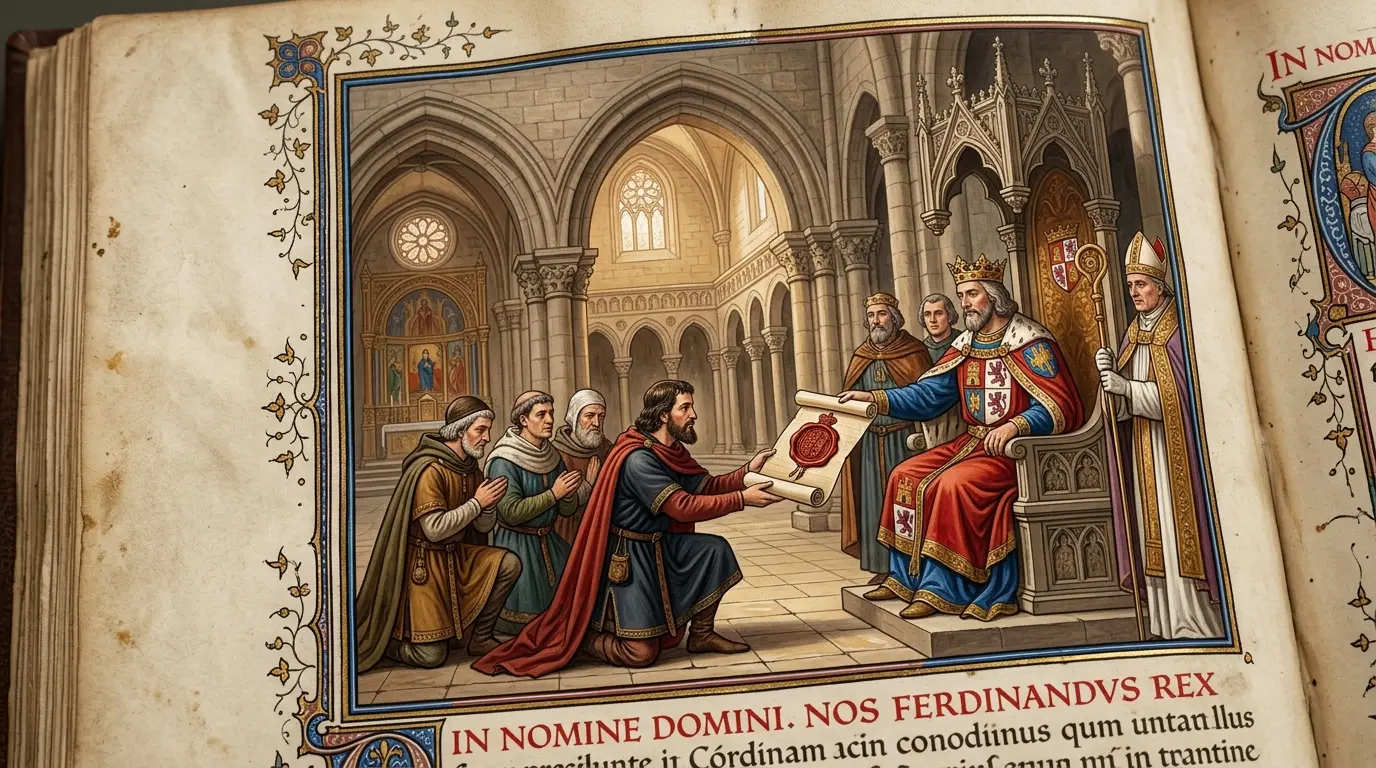
Ferdinand III's Córdoba Fuero: The Charter That Shaped the City
Sophie Marchand
Ferdinand III granted Córdoba the Fuero Juzgo on 10 March 1241 — a Visigothic code in Castilian. It created 14 parishes and governed the city 600+ years.
Read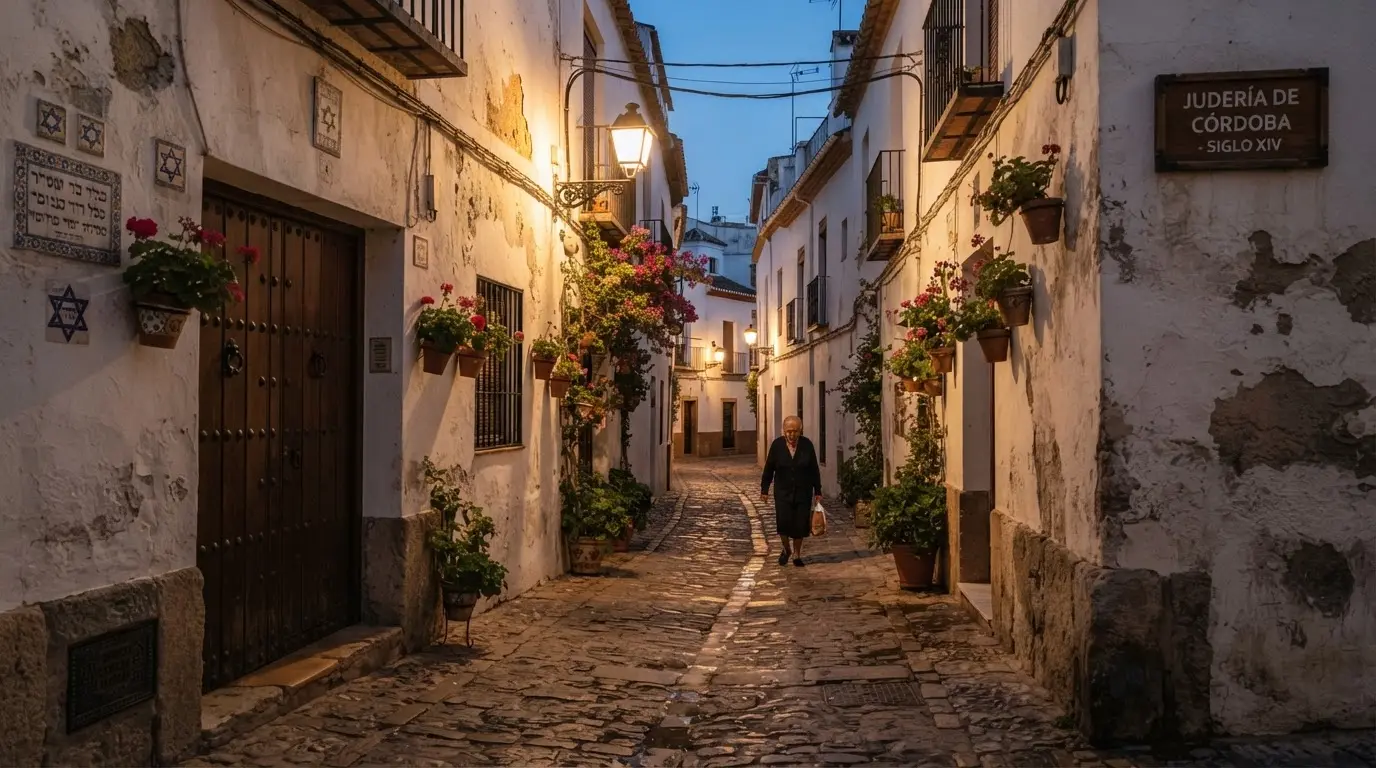
The 1391 Pogrom That Emptied Córdoba's Judería
Sophie Marchand Updated
In summer 1391, pogroms swept Córdoba's Jewish quarter. Forced conversions created the converso class and set the preconditions for the 1492 expulsion.
ReadSee Castilian & late medieval on the timeline, with its people and monuments
Go deeper
Frequently asked questions
How did King Ferdinand III organize Córdoba after the 1236 conquest?
On 10 March 1241, Ferdinand III granted Córdoba its Fuero charter based on the Fuero Juzgo legal code, establishing a municipal council, mayor-judges, and tax exemptions for Christian settlers. The crown also divided the walled city into 14 parish districts centered on the Fernandine churches.
What happened to the Córdoba Synagogue after the 1492 expulsion?
Built in 1315 by Isaac Makheb on Calle de los Judíos 20, the Mudéjar synagogue served the Jewish community until the 1492 expulsion edict. It then operated as the Hospital Santo Quiteria for rabies patients and from 1588 as a shoemakers' guild chapel before being declared a National Monument in 1885.
Why did Christopher Columbus spend six years based in Córdoba?
Columbus used Córdoba as his primary base from 1486 to 1492 while petitioning Ferdinand and Isabella at the Alcázar de los Reyes Cristianos for expedition funding and facing repeated commission rejections. While waiting in the city in 1487, he met Beatriz Enríquez de Arana, the mother of his younger son Hernando.
Who was the 13th-century scholar Al-Qurtubi and why did he leave Córdoba?
Born in Córdoba in 1214 to a farming family, the Maliki jurist Abu Abdullah al-Qurtubi studied in the city until Ferdinand III's 1236 conquest forced him into exile. He settled in Munya Abi'l-Khusayb in Upper Egypt, where he wrote the 20-volume Quranic legal commentary Tafsir al-Qurtubi before dying on 29 April 1273.