Alfonso X the Wise Was 14 When Córdoba Fell: What Tied Him to It
Art history background with eight years writing interpretive content on Córdoba's Caliphal heritage.
- Cathedral grant confirmed
- 11 Dec 1258
- Alfonso X confirmed Castellar de Río Anzur to Córdoba's cathedral[5]
In this article
Jump to a section
The infante who was 14 when Córdoba fell
How Córdoba's 1241 fuero became a template
Alfonso X the Wise and the Arabic-source programme
Did Córdoba's libraries feed the programme?
Deep dive · Article
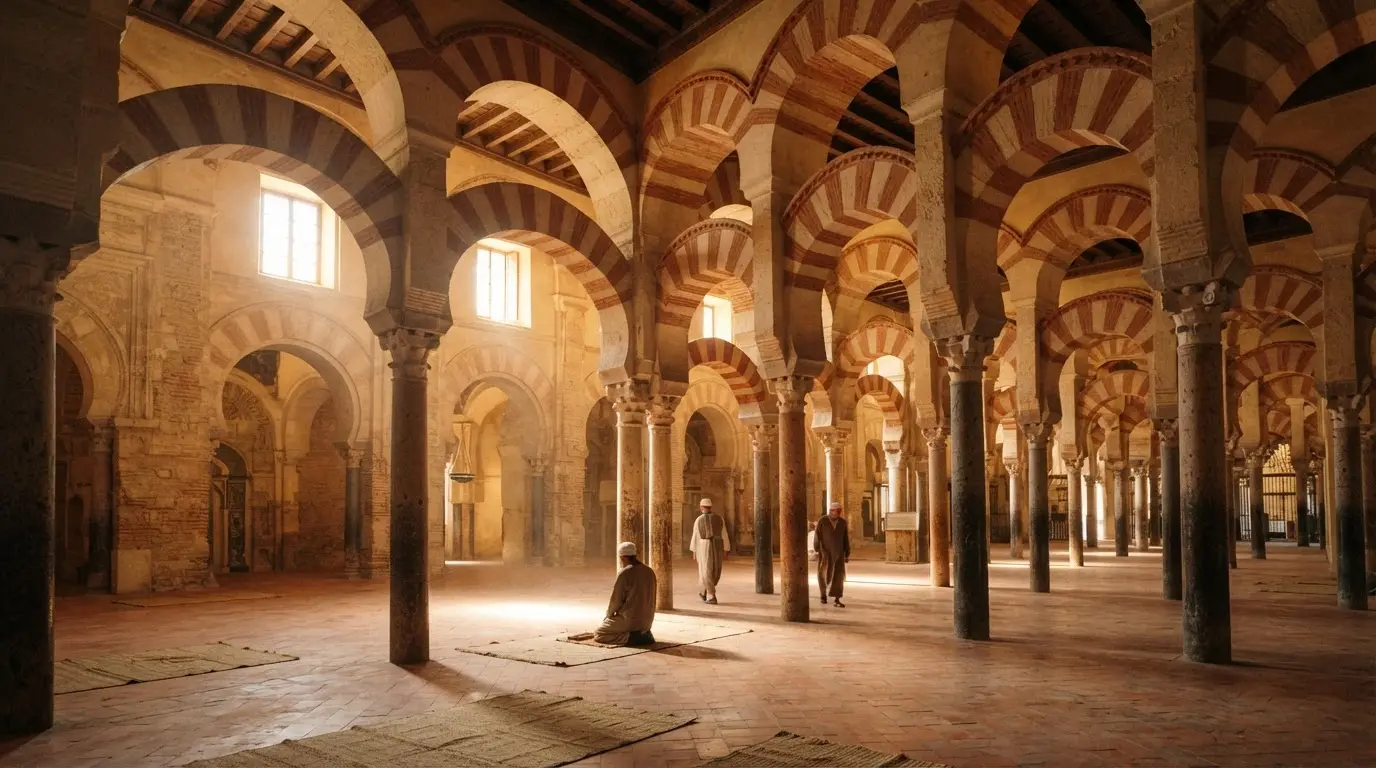
Abd al-Rahman I: The Fugitive Who Founded Córdoba
Abd al-Rahman I survived the massacre of his Umayyad family in 750 CE, fled six years across North Africa, and founded the Emirate of Córdoba at just 25.
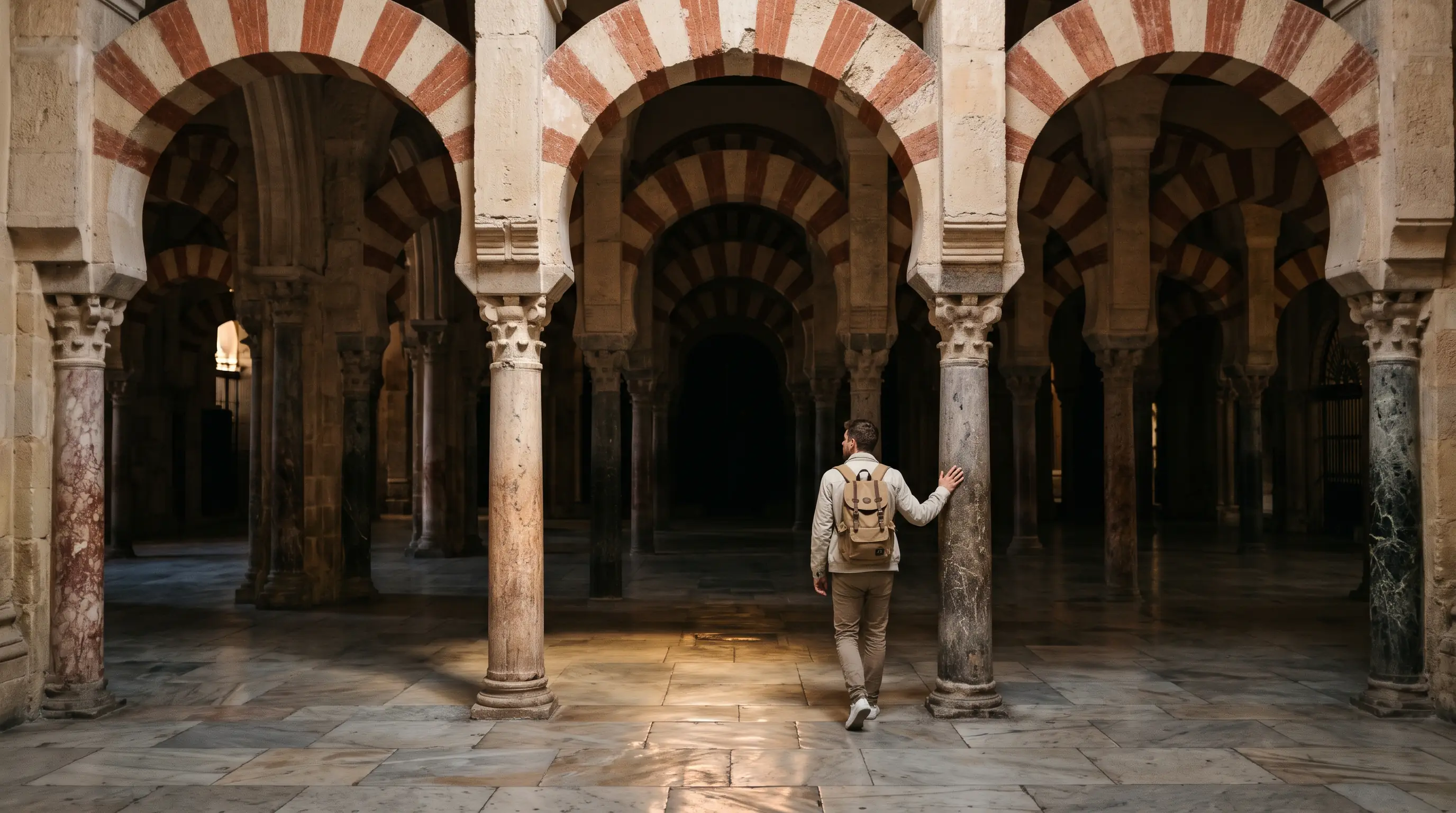
The Estoria de España and the Mezquita
Explore nearby · Monument
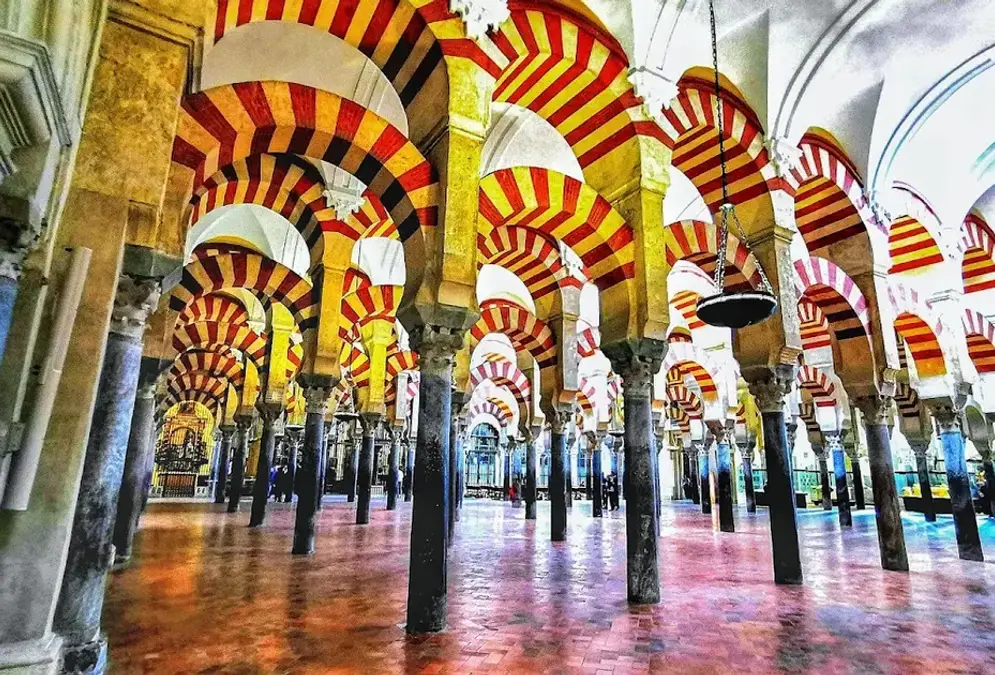
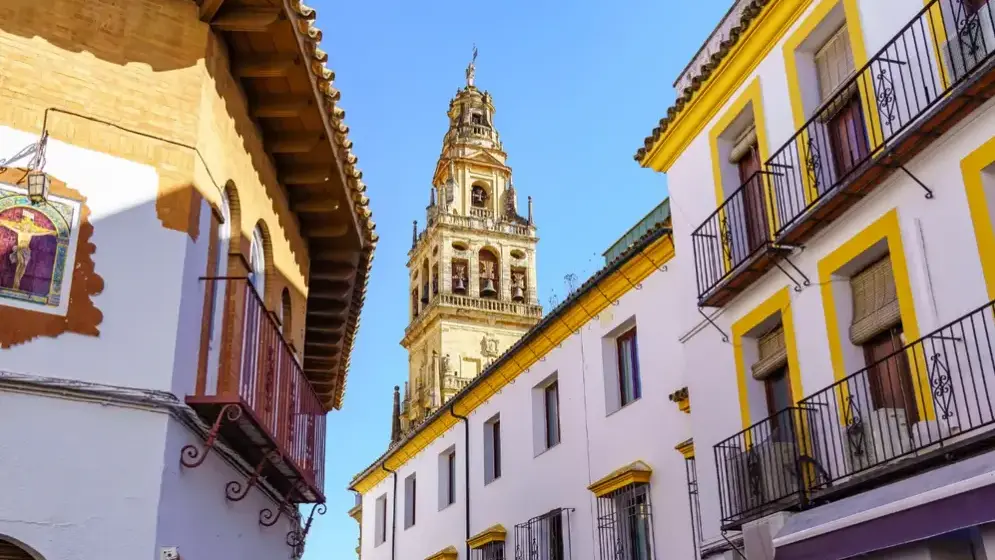
Mezquita-Catedral de Córdoba
856 columns, 1,300 years of Islamic and Christian history. UNESCO monument in Córdoba, Andalusia. Red-and-white arches, Byzantine mosaics, a Renaissance nave.
Where the Learned King shows up in Córdoba today
- 1221
Alfonso born in Toledo
Born on 23 November[1]
- 1236
Córdoba falls to Ferdinand III
Alfonso is 14 years old
- 1241
Fuero de Córdoba granted
The charter later reused beyond the city[4]
- 1243
Embassy to Murcia
Headed by the infante Alfonso[8]
- 1246
Fuero extended to Cartagena
Ferdinand III's privilegio rodado of 16 January[4]
- 1252
Alfonso X becomes king
His father dies and he inherits Castile and León[6]
- 1258
Cathedral donadío confirmed
Castellar de Río Anzur, confirmed from Madrid[5]
- 1284
Alfonso X dies
End of a reign of nearly 32 years[6]
- The Mezquita-Catedral, for the foundation the Estoria describes and a Capilla Real that belongs to Enrique II
- Christian Córdoba, for the Castilian city that ran under the 1241 fuero
Recommended tours
Tours are selected for quality, not commission. We earn a small fee if you book — at no extra cost to you.
Frequently asked questions
Who was Alfonso X the Wise and what is his connection to Córdoba?
How old was Alfonso X when Córdoba fell in 1236?
Was Alfonso X's scriptorium in Córdoba?
What was the Fuero de Córdoba of 1241?
Did Arabic books from Córdoba help Alfonso X's translators?
Is the Capilla Real in the Mezquita-Catedral connected to Alfonso X?
What does the Estoria de España say about the Mezquita?
Sources
19 references Show Hide
- Wikipedia — Alfonso X of Castile (opens in a new tab)
“Alfonso was born on 23 November 1221”
- historia-hispanica.rah.es (opens in a new tab)
“Fernando III cae enfermo en Burgos, por lo que encomienda a su hijo y heredero, el infante Alfonso, la ocupación de Murcia”
- cervantesvirtual.com (opens in a new tab)
“el propio Alfonso había participado, junto a su padre, en la toma de estas dos últimas ciudades.”
- cartagena.es (opens in a new tab)
“El Fuero concedido a la ciudad de Córdoba en 1241, y que ahora se concede también a Cartagena, determina, entre otras cosas lo siguiente”
- impactum-journals.uc.pt (opens in a new tab)
“una confirmación expedida por Alfonso X en Madrid, el 11 de diciembre de 1258, en la que confirmaba a la catedral la posesión del donadío de Castellar de Río Anzur”
- historia-hispanica.rah.es (opens in a new tab)
“Alfonso X fue rey de Castilla y León entre los años 1252, fecha de la muerte de su padre, y 1284, año de su muerte.”
- impactum-journals.uc.pt (opens in a new tab)
“Fernando III regresó a la ciudad andaluza en 1240, donde permaneció durante más de un año para organizar el repartimiento y el concejo”
- historia-hispanica.rah.es (opens in a new tab)
“En el año 1243 se envió una embajada castellana, presidida por el infante Alfonso, a las tierras murcianas.”
- cervantesvirtual.com (opens in a new tab)
“esta última ciudad parece haber tenido un peso muy significativo, y cabe pensar que allí se encontrara el escritorio regio.”
- spainthenandnow.com (opens in a new tab)
“The translation enterprise was vast and carried out not only in Toledo but also Seville”
- revistas.patrimonionacional.es (opens in a new tab)
“y que su cuerpo sea inhumado en la iglesia de Santa María de M urcia o de Sevilla”
- Wikipedia — Alfonso X of Castile (opens in a new tab)
“This group of scholars formed his royal scriptorium, continuing the tradition of the twelfth-century Escuela de Traductores de Toledo (Toledo School of Translators).”
- islamsci.mcgill.ca (opens in a new tab)
“made a great effort to recover Arabic and, very especially, Andalusian astronomical materials by translating them into Spanish, thus becoming a pioneer in the use of the vernacular as a scientific language.”
- islamsci.mcgill.ca (opens in a new tab)
“It is conceivable that these sources were found in libraries that came under Christian control as a result of the conquests of Cordova (1236) and Seville (1248) by Alfonso's father king Fernando III.”
- hispadoc.es (opens in a new tab)
“Posteriormente Alfonso X elaborará su Estoria de España , crónica en la que se unen en un único relato las noticias de la España cristiana con aquellas procedentes de al-Andalus.”
- hispadoc.es (opens in a new tab)
“començo de labrar la mezquita de Cordoua et de afforalezerla mucho mas que non era”
- hispadoc.es (opens in a new tab)
“e tan grand femencia metio en labrarla, que fizo que puiasse de obra et de fremosura todas otras mezquitas que eran en la tierra”
- Wikipedia — Mosque–Cathedral of Córdoba (opens in a new tab)
“It was finished in 1371 by Enrique II, who moved the remains of his father Alfonso XI and grandfather Ferdinand IV here.”
- hispadoc.es (opens in a new tab)
“Llama la atención la intervención del propio monarca en la conservación decidida de la gran Mezquita de Córdoba, tanto de su interior como de su entorno inmediato”