Articles · Early modern
Early Modern Córdoba: Articles on 1492 to 1808
Expelled Jews, a Renaissance nave inside the mosque, and a city settling into quiet.
These articles cover the quieter centuries between the late Middle Ages and the Napoleonic era: Renaissance and Baroque works, civic life, and the institutions that shaped both. For readers tracing how the city changed.
22 articles · 1492–1808
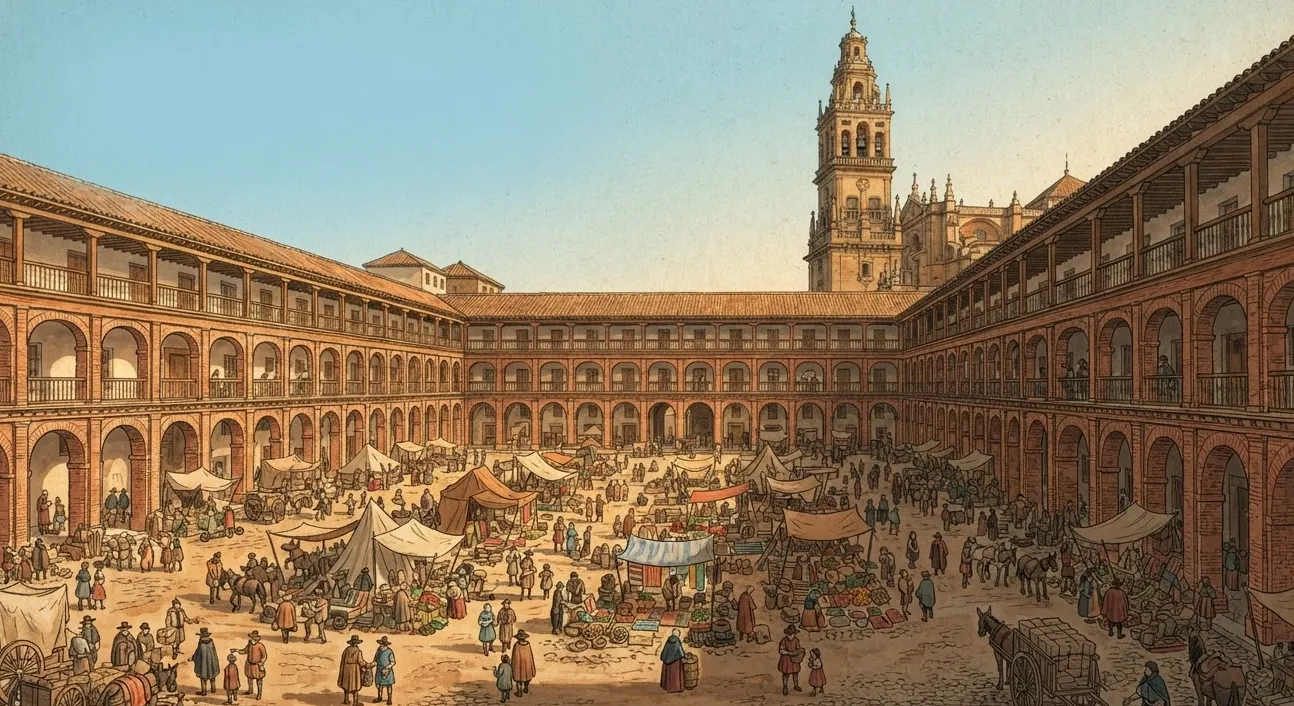
Articles on Early modern
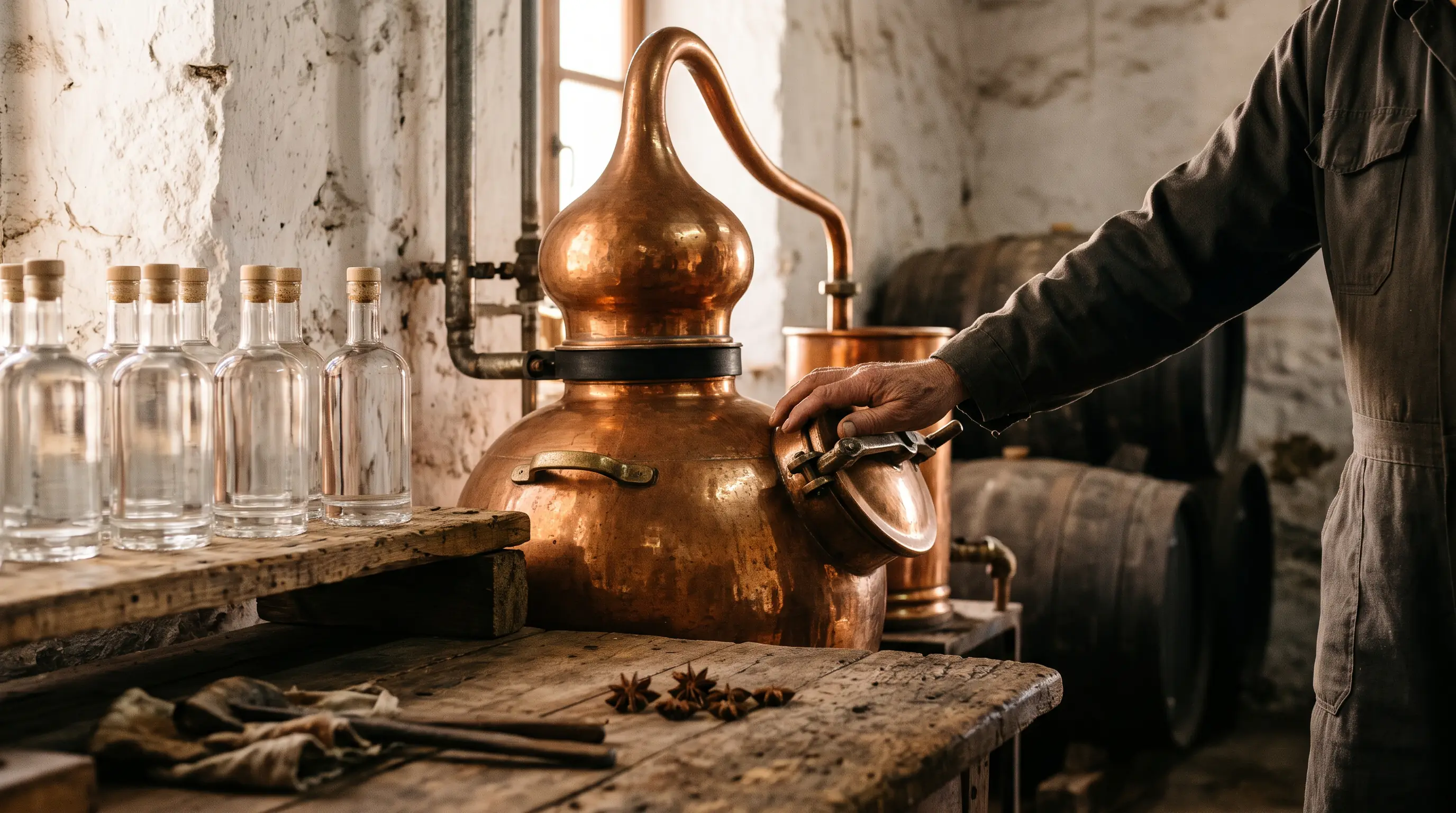
Anís de Rute: Why a Wine Town Learned to Distil
Pedro Del Pozo
Anís de Rute is a Subbética aniseed spirit with trade records from 1630. How it is made, what to see at the Museo del Anís, and when the Christmas season runs.
Read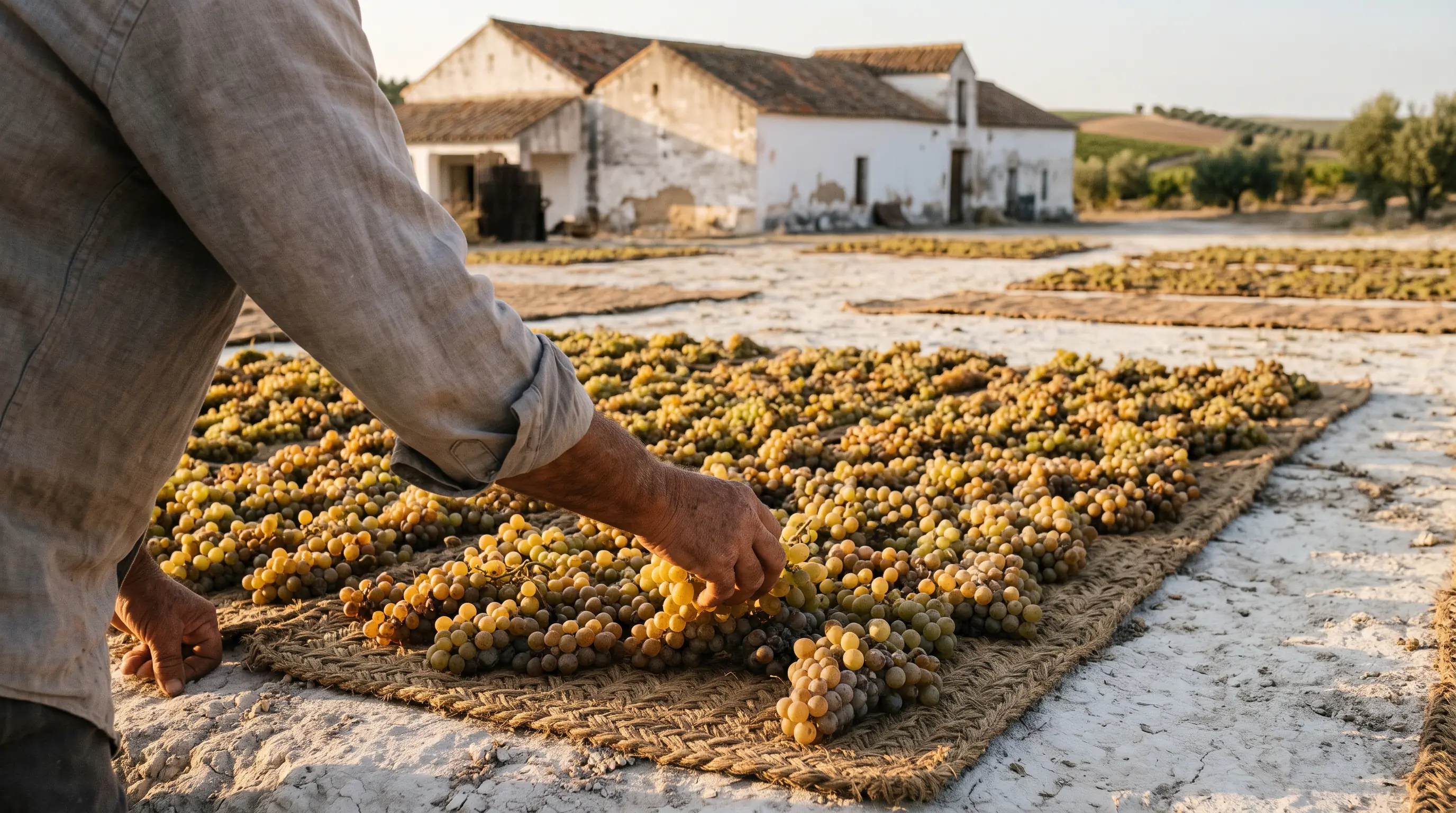
Pedro Ximénez Grape: Rhine Soldier Legend or Moorish DNA?
Pedro Del Pozo
Is the Pedro Ximénez grape from the Rhine? A Charles V soldier legend, a 2007 DNA study pointing to Gibi, and what the Córdoba province deeds of 1574 show.
Read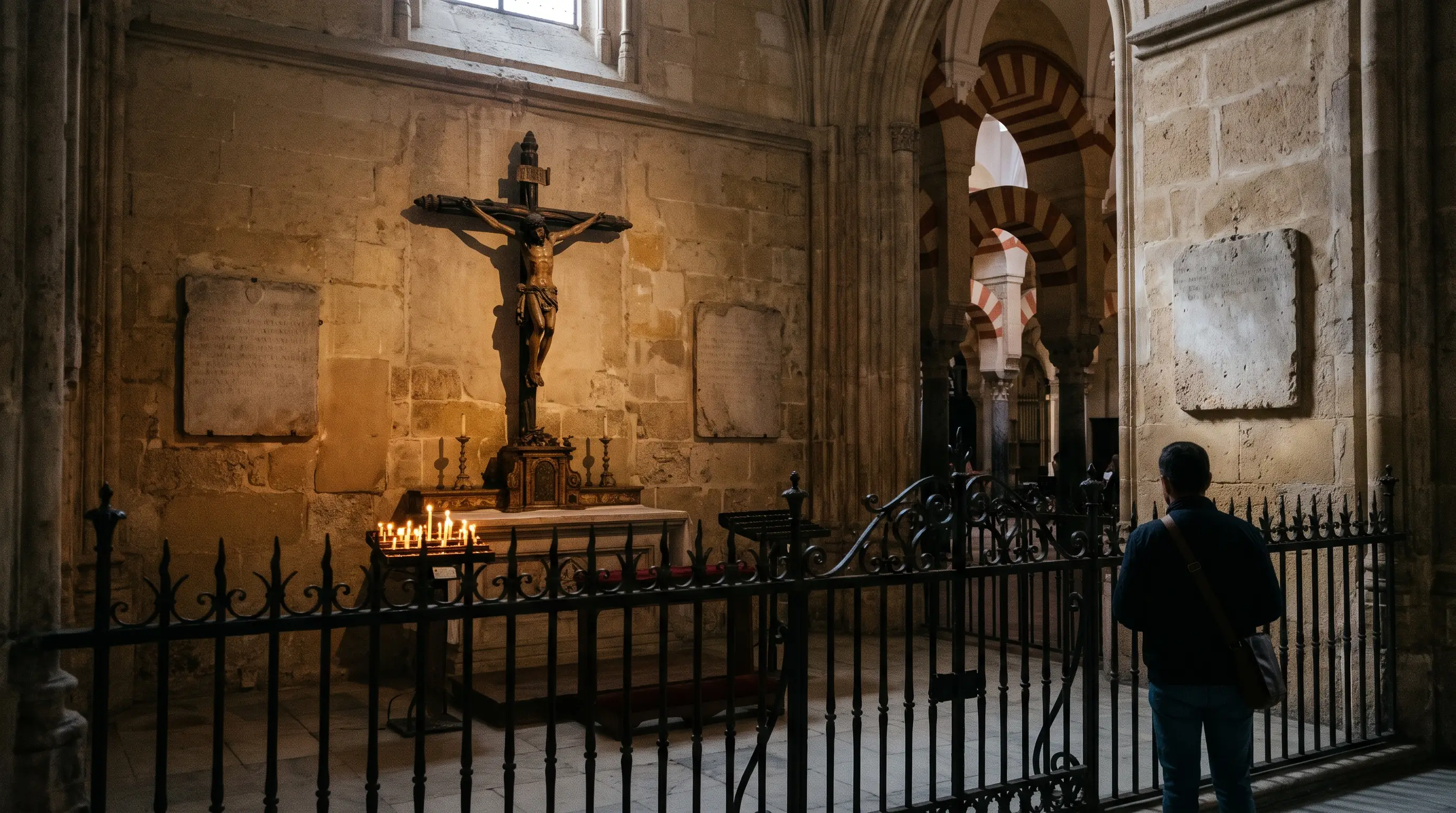
Inca Garcilaso: The Chronicler Buried in the Mezquita
Sophie Marchand
Inca Garcilaso de la Vega, born in Cusco, died in Córdoba in 1616 and lies in a Mezquita chapel he secured from the Cathedral Chapter in 1612. What remains.
Read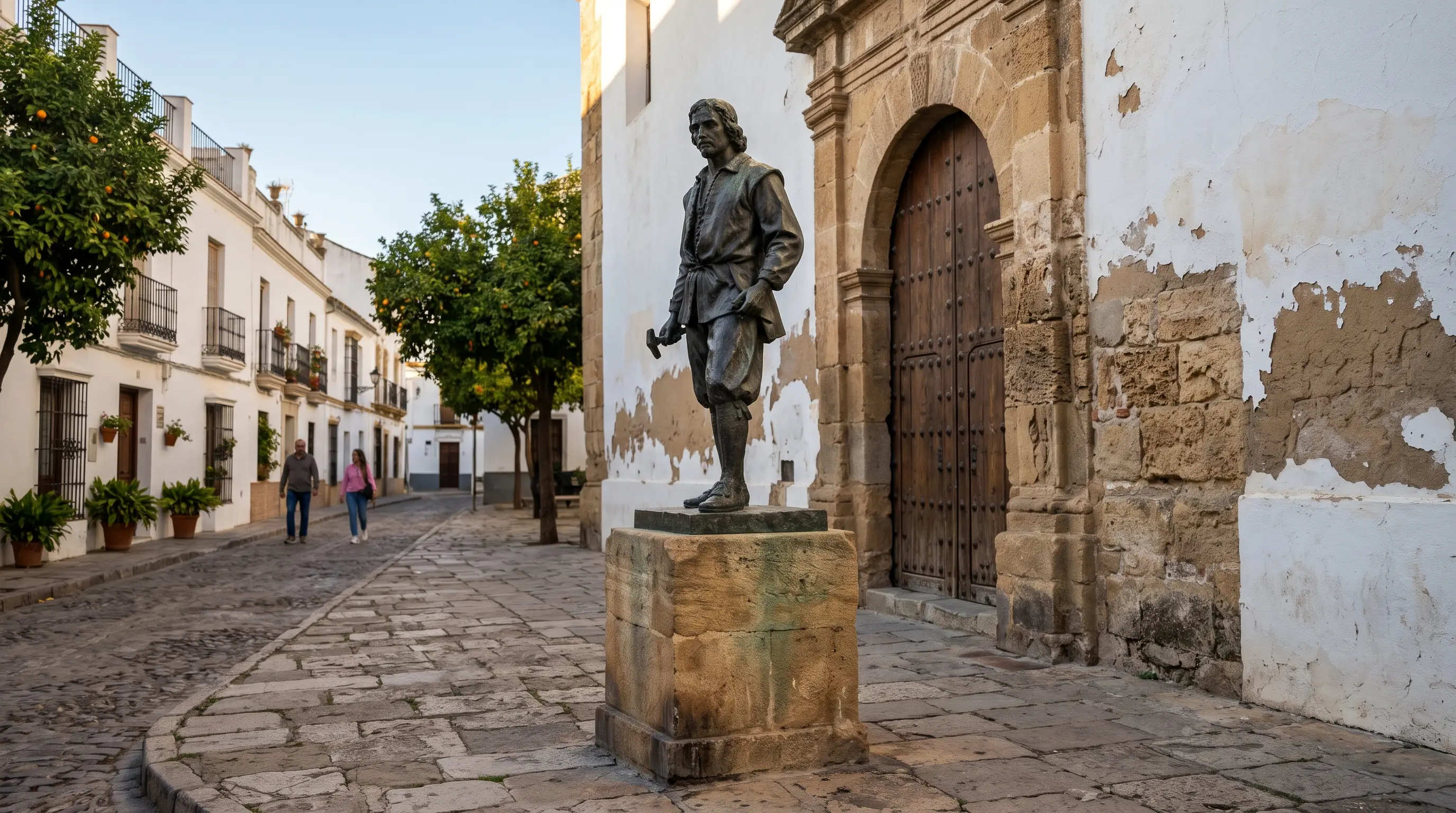
Juan de Mesa Carved the Gran Poder, and Córdoba Claims Him
Sophie Marchand
Juan de Mesa, the Córdoba-born sculptor who carved Seville's Gran Poder, was long misattributed. A 1620 receipt and his last work in San Agustín tell it.
Read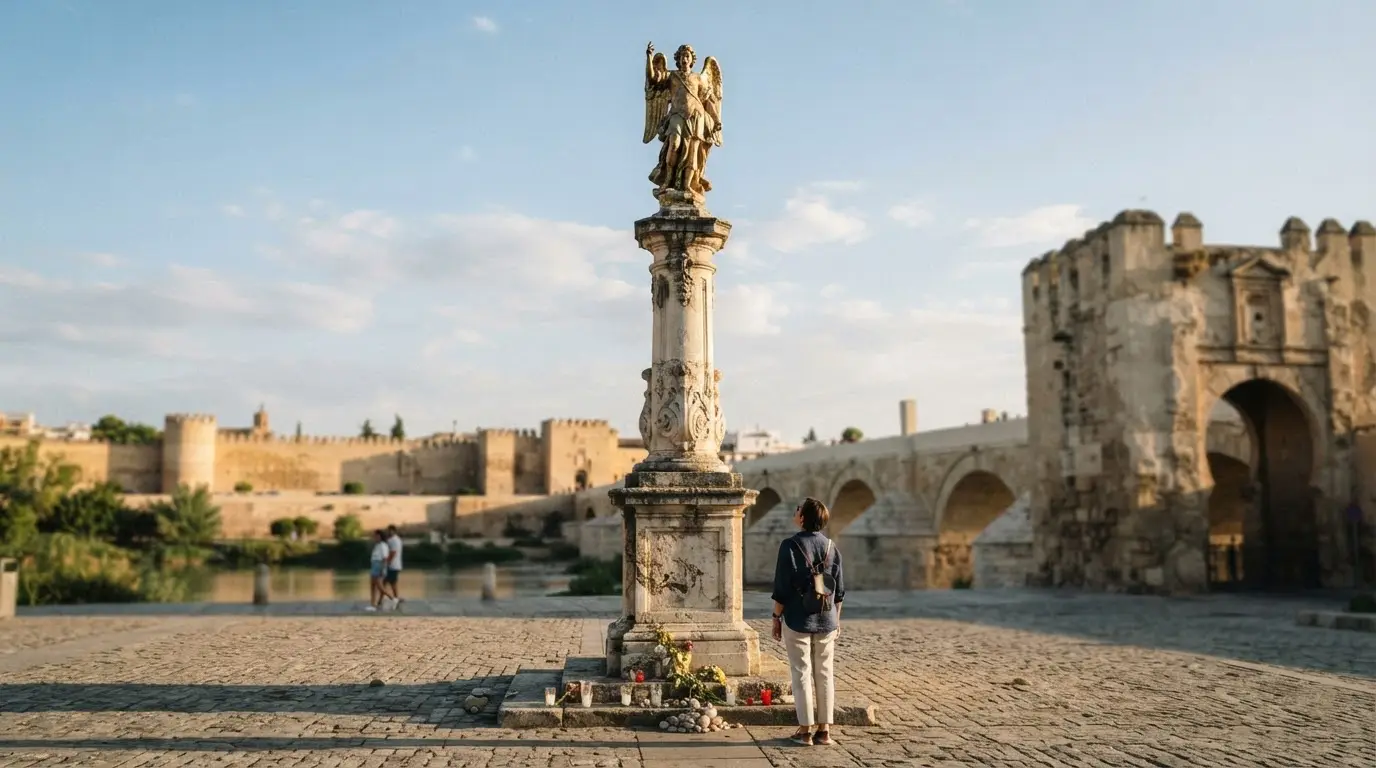
San Rafael: The Archangel Who Swore to Guard Córdoba
Sophie Marchand
San Rafael is Córdoba's custodio archangel. Find out what his 1578 oath actually is, why the city is full of triunfos, and how Córdoba marks 24 October.
Read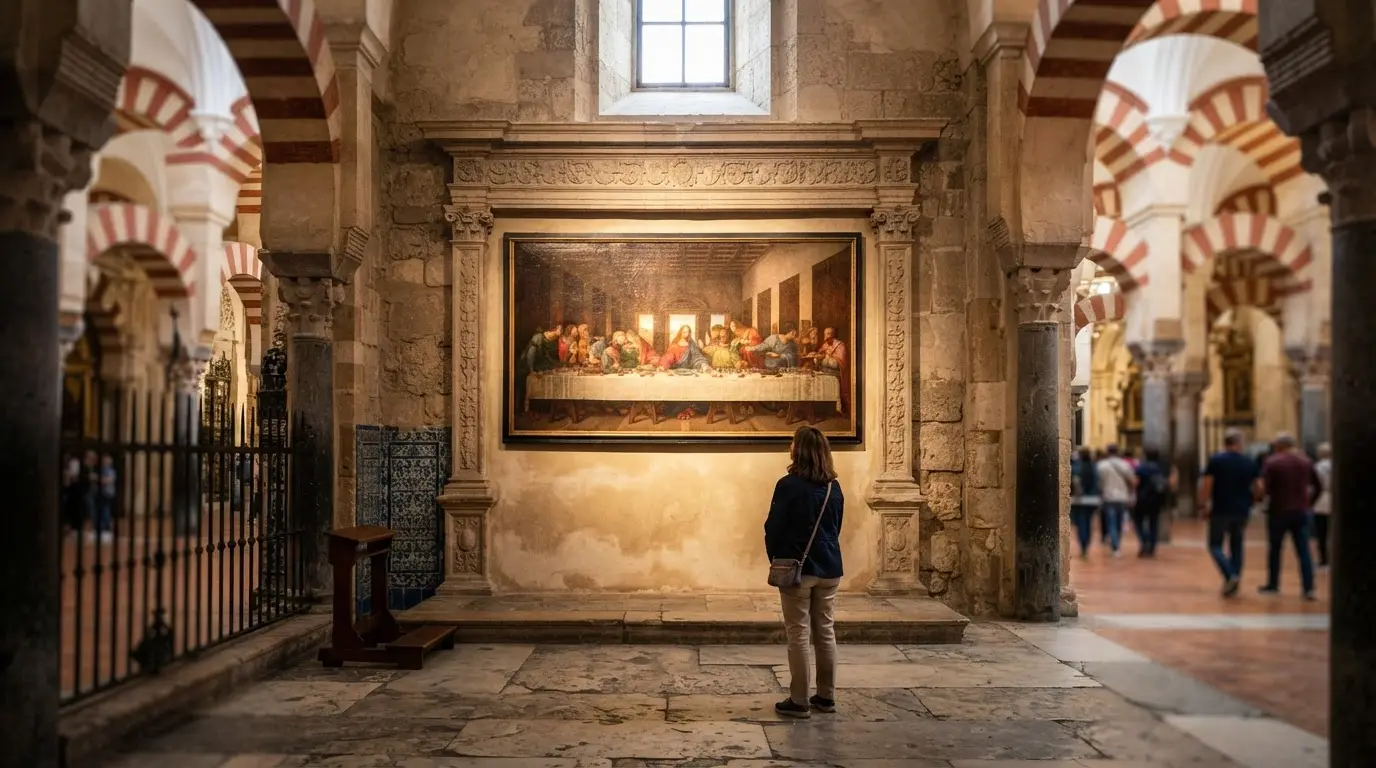
Pablo de Céspedes: Córdoba's Renaissance Polymath
Sophie Marchand
Pablo de Céspedes was a Córdoba prebendary who painted in Rome, then the Santa Cena in the Mezquita-Catedral, and wrote a poem on painting. Where to see him.
Read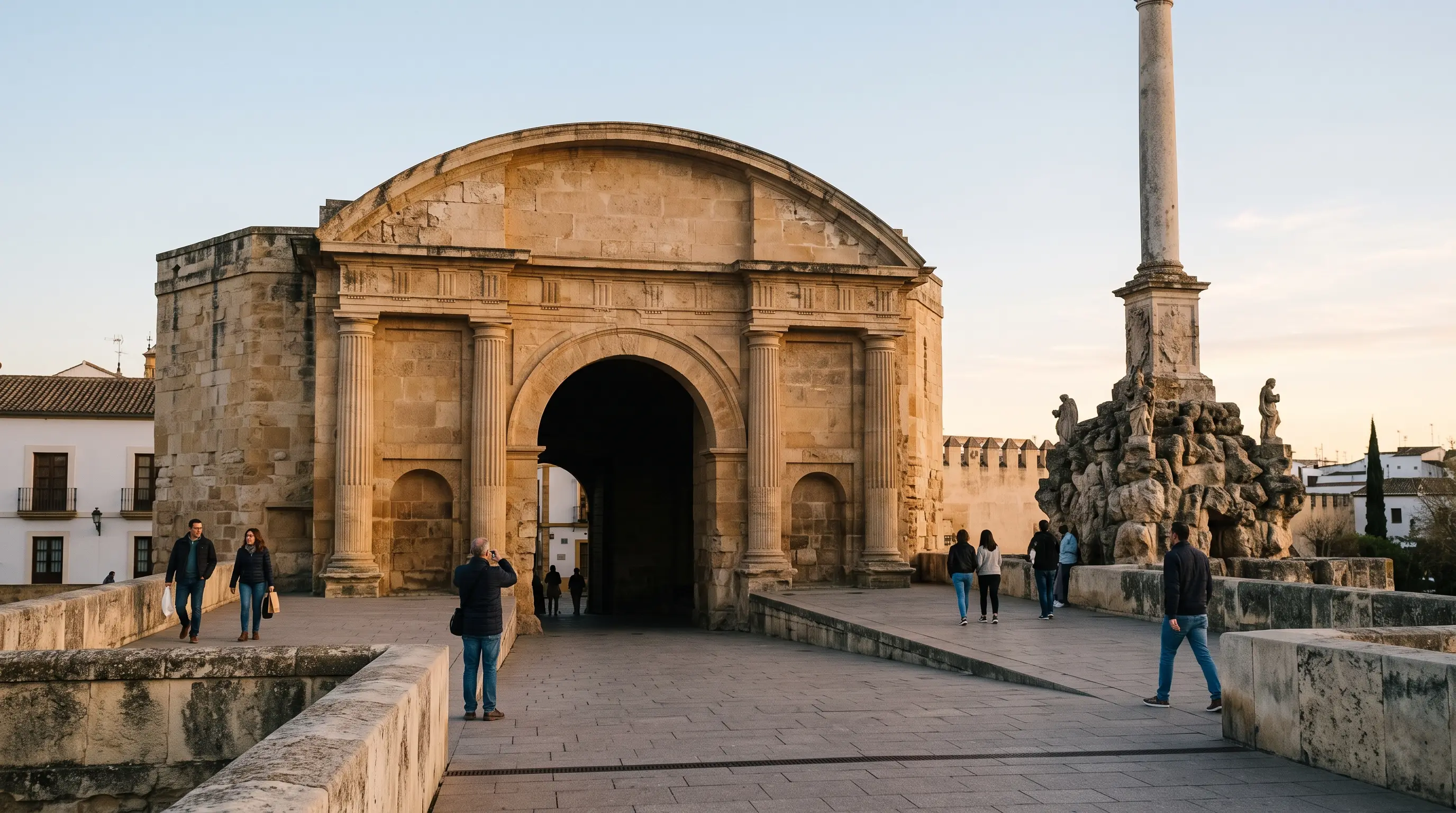
Puerta del Puente Córdoba: The Gate and What It Replaced
Sophie Marchand
Puerta del Puente in Córdoba: a 16th-century Renaissance gate by Hernán Ruiz III, the older gates it replaced, a tripled budget, 1928 rebuild and San Rafael.
Read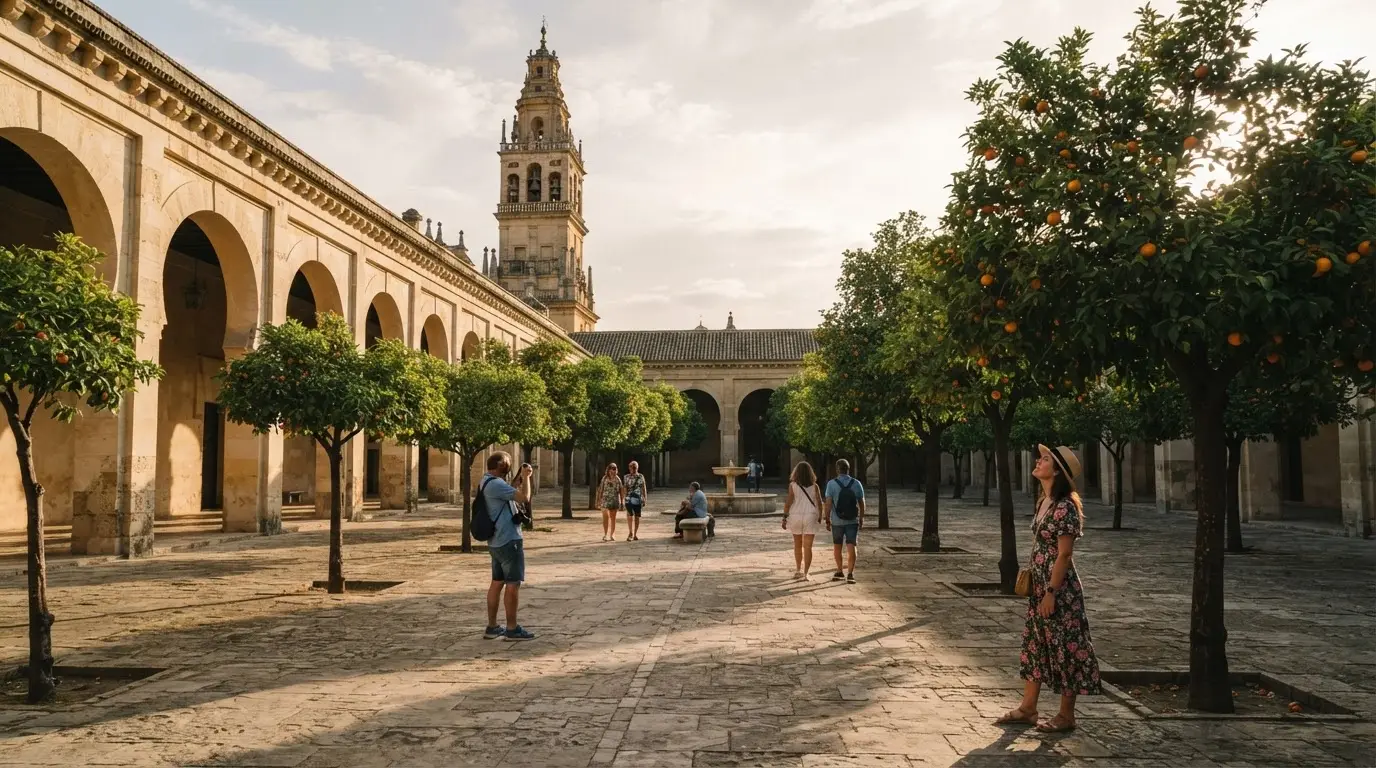
The Mezquita Handed Its Orange Courtyard to Flower Artists
María Fernanda González Updated
How the Patio de los Naranjos went from a caliphal court of ablutions to a garden of orange trees, and how the Cabildo lends it to FLORA's living-flower art.
Read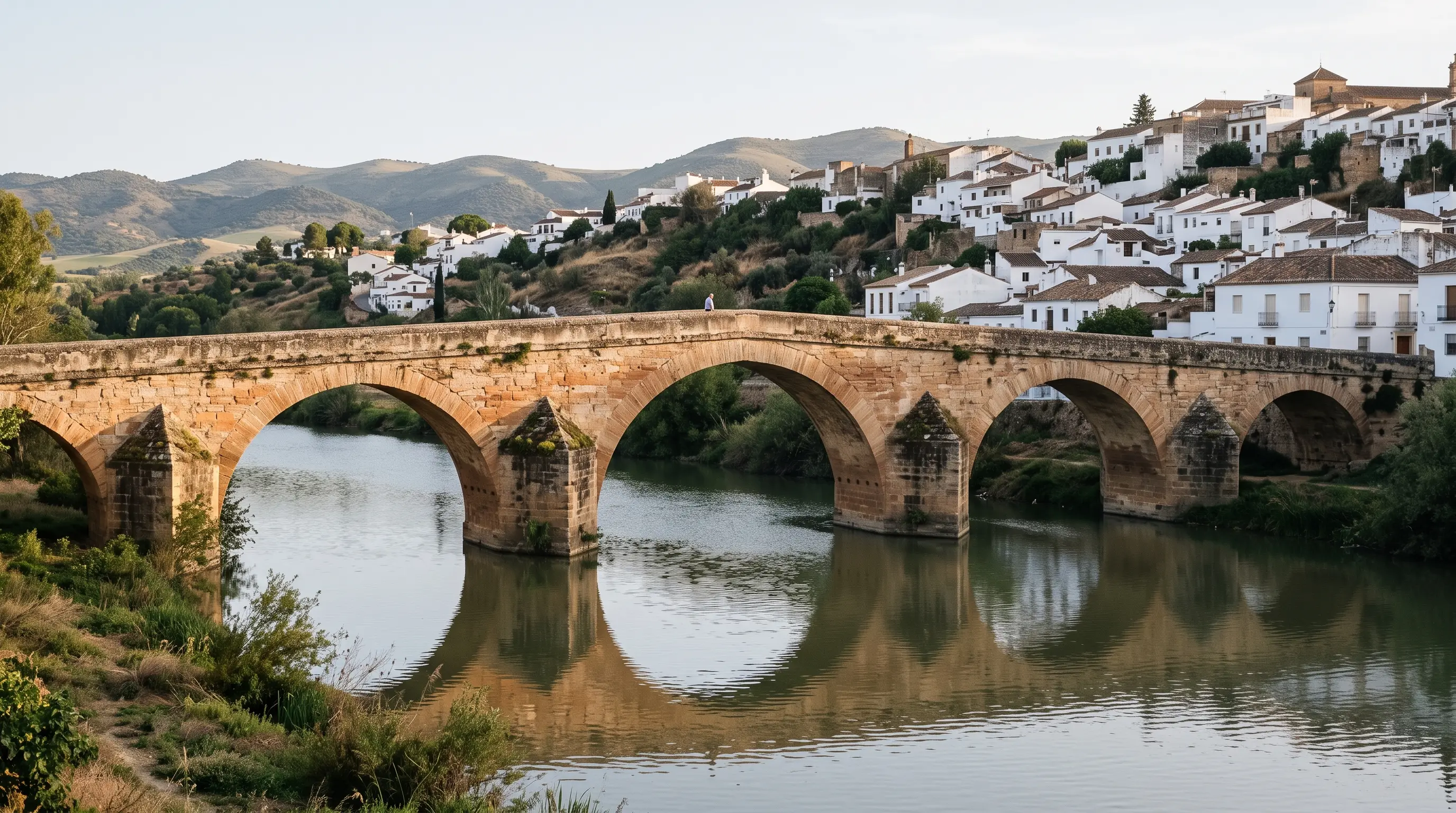
Did Women's Jewels Pay for Montoro's Bridge? What Records Say
Sophie Marchand
Montoro's Puente Mayor is famed as the bridge women paid for with jewels. ABC cites a heritage group dating the name to the 1980s; records name the council.
Read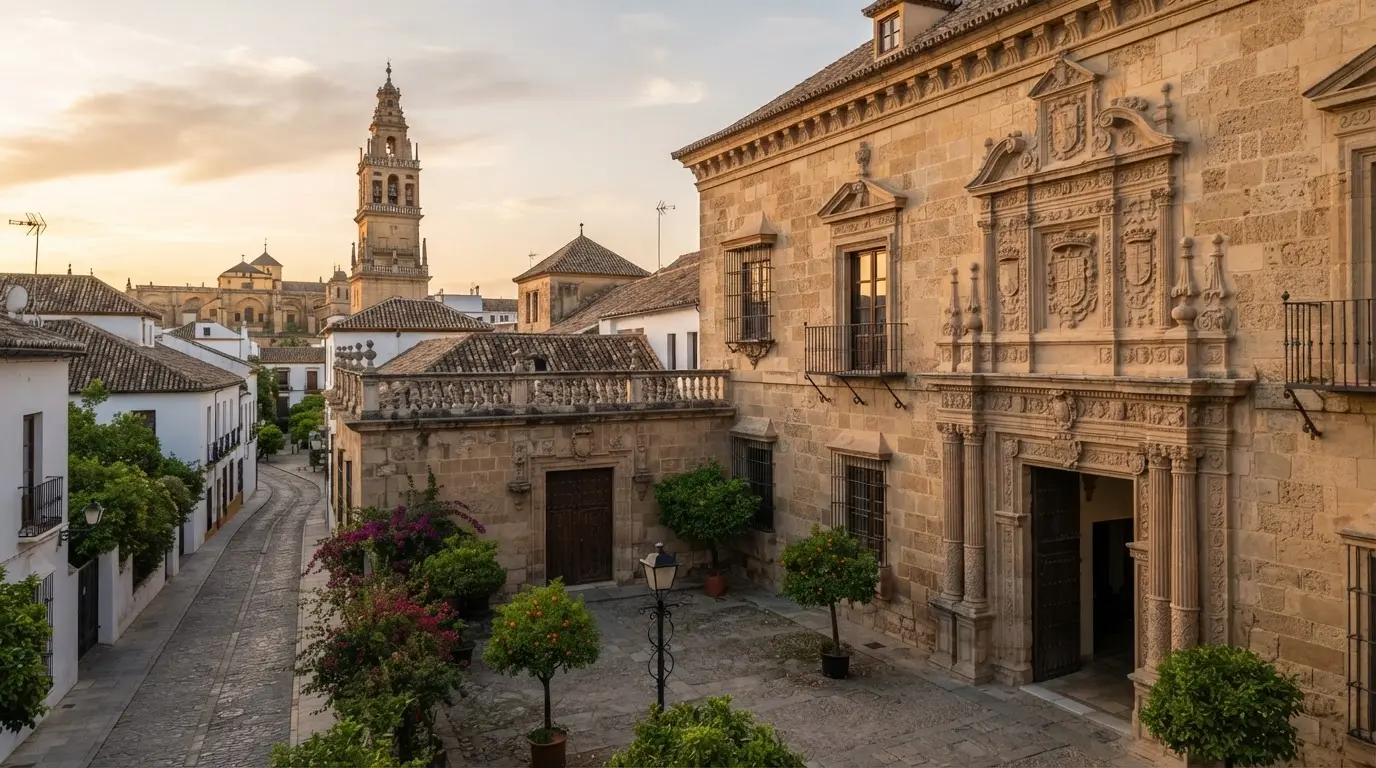
The Ruiz Dynasty: Córdoba's Renaissance Architects
Sophie Marchand
Meet Córdoba's three Hernán Ruiz architects through the 1523 transept, Orive's 1560 façade and the bell-tower campaign begun in 1593, with careful attributions.
Read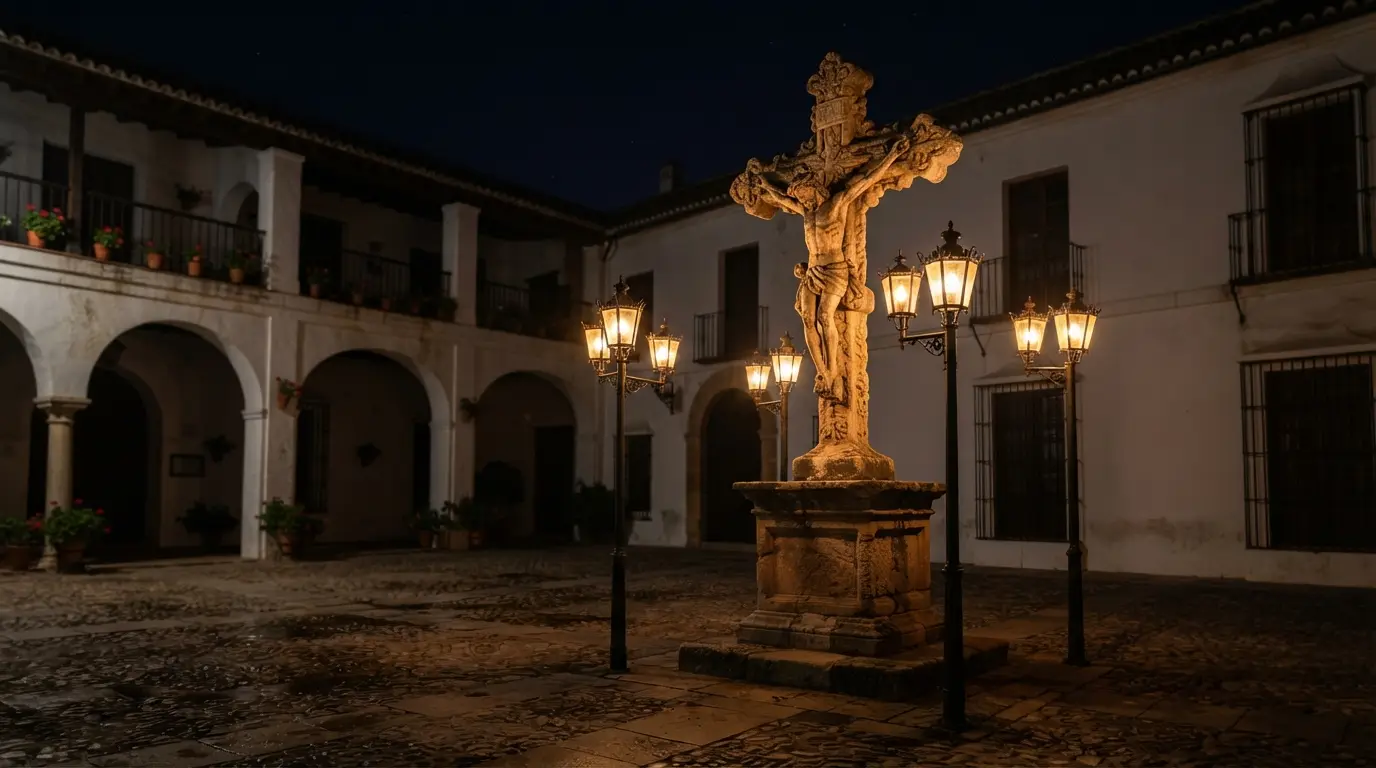
The Legend of the Cristo de los Faroles
Sophie Marchand
Córdoba's most haunting statue comes with a legend: a soldier saved from death who returned each midnight until he vanished. The real history is stranger still.
Read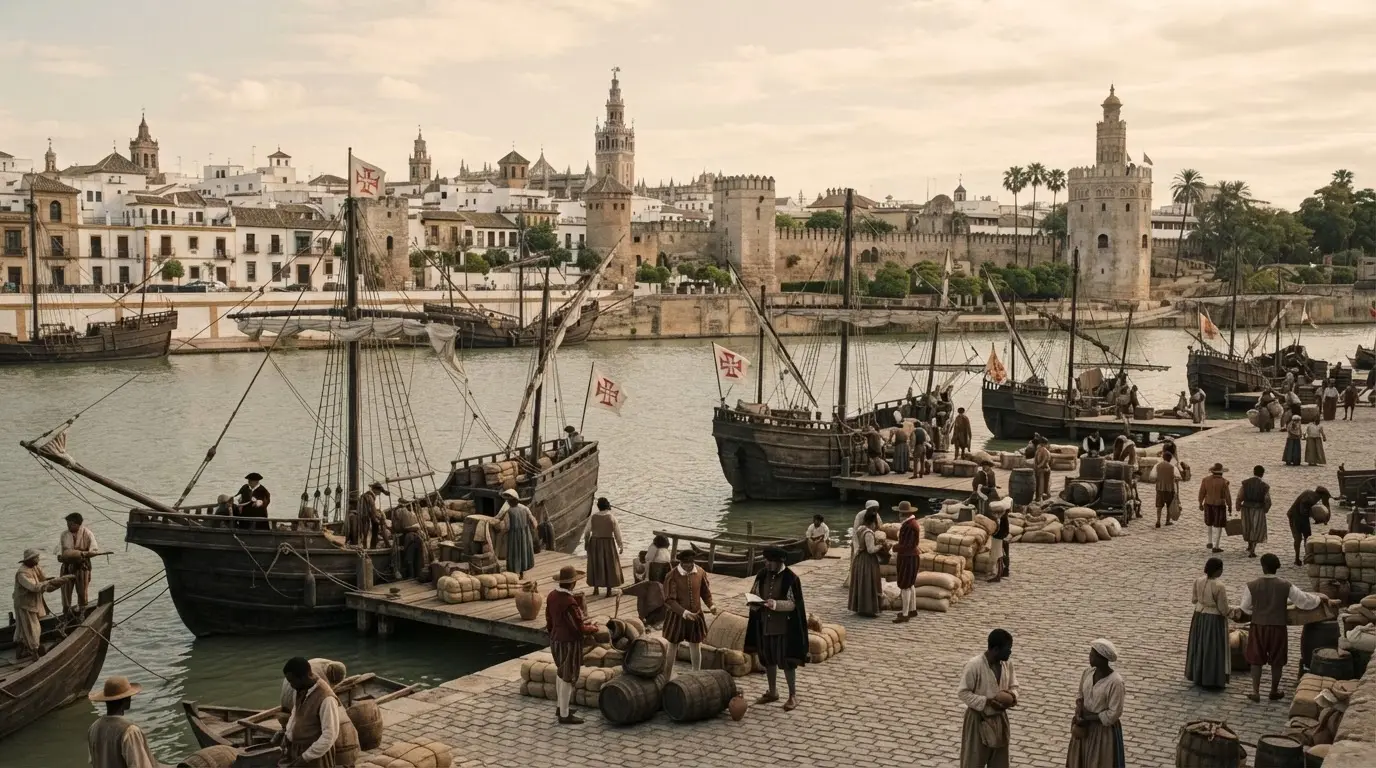
Córdoba's 16th-Century Slave Market: The Portuguese Trade
Sophie Marchand Updated
Córdoba's 16th-century slave trade sat in Seville's shadow, fed by Portuguese trading networks reaching the Guinea coast, its own record thin but real.
ReadSee Early modern on the timeline, with its people and monuments
Go deeper
Frequently asked questions
How long did the Spanish Inquisition operate from Córdoba's Alcázar?
Ferdinand and Isabella handed the Alcázar de los Reyes Cristianos to the Spanish Inquisition in 1482, and the tribunal operated there for 339 years until 1821. Under inquisitor Diego Rodríguez Lucero between 1499 and 1508, the fortress held over 400 detainees at once and staged the 22 December 1504 auto-da-fé that burned 107 people.
Why was a Renaissance cathedral nave built inside the Mezquita in 1523?
In 1523, Emperor Charles V overrode formal opposition from Córdoba's city council and authorized the cathedral chapter to insert a Renaissance choir and transept into the Great Mosque. Begun by architect Hernán Ruiz I in 1523 and finished by Juan de Ochoa in 1607, the project took 84 years to complete.
Who crafted the silver Corpus Christi monstrance in Córdoba's Cathedral?
Between 1514 and 1518, German-born silversmith Enrique de Arfe and assistant Juan Ruiz el Vandalino crafted Córdoba's 200-kilogram silver and gilt processional monstrance. Silversmith Bernabé García de los Reyes added a Baroque base in 1734, and the custodia still processes from the Mezquita-Catedral 60 days after Easter.
Why is the chronicler Inca Garcilaso de la Vega buried in the Mezquita-Catedral?
Born in Cusco in 1539, Inca Garcilaso de la Vega moved from Montilla to Córdoba in 1591 and wrote his Comentarios Reales in the city. On 29 October 1612, he acquired the Chapel of the Souls of Purgatory inside the Mezquita-Catedral, where he was buried after dying around 23 April 1616.