Articles · Early modern
Early Modern Córdoba: Articles on 1492 to 1808 (Page 2)
Expelled Jews, a Renaissance nave inside the mosque, and a city settling into quiet.
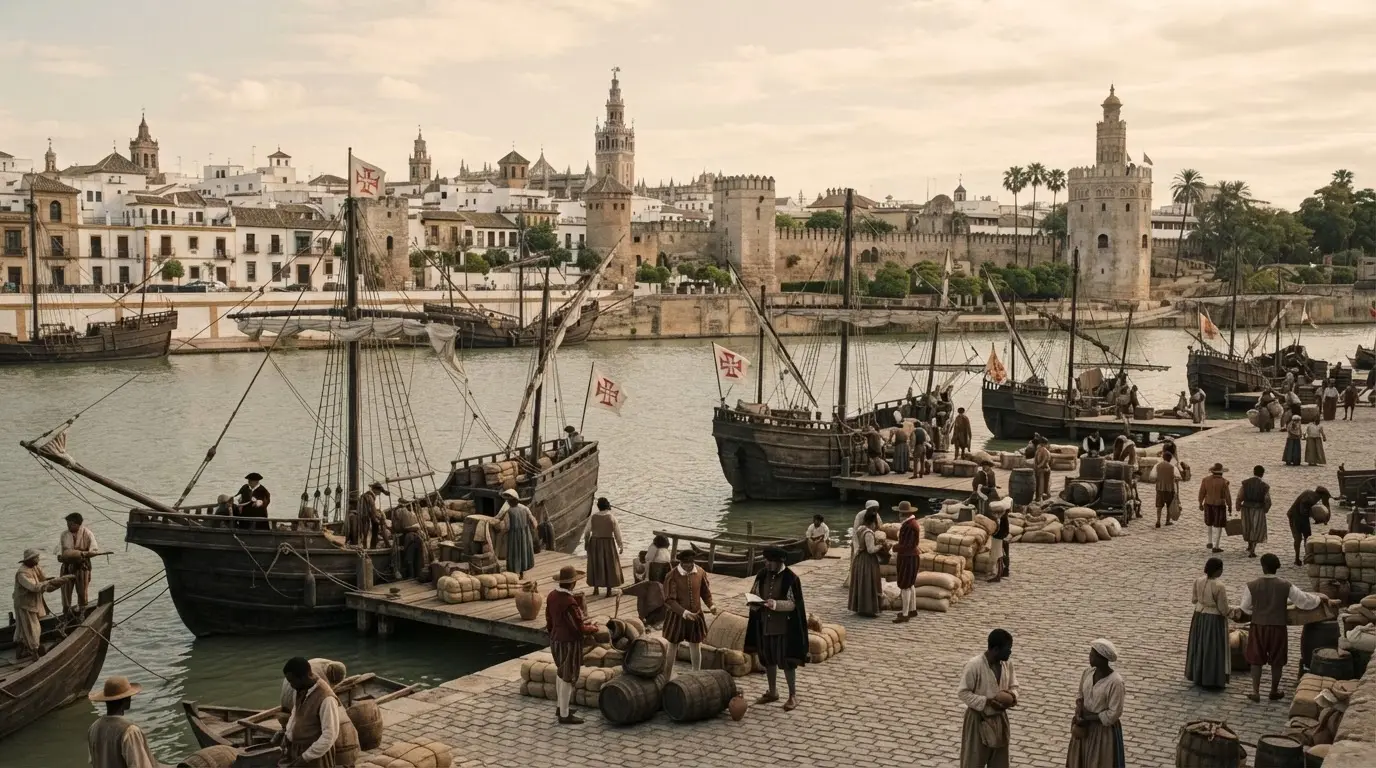
Córdoba's 16th-Century Slave Market: The Portuguese Trade
Sophie Marchand Updated
Córdoba's 16th-century slave trade sat in Seville's shadow, fed by Portuguese trading networks reaching the Guinea coast, its own record thin but real.
Read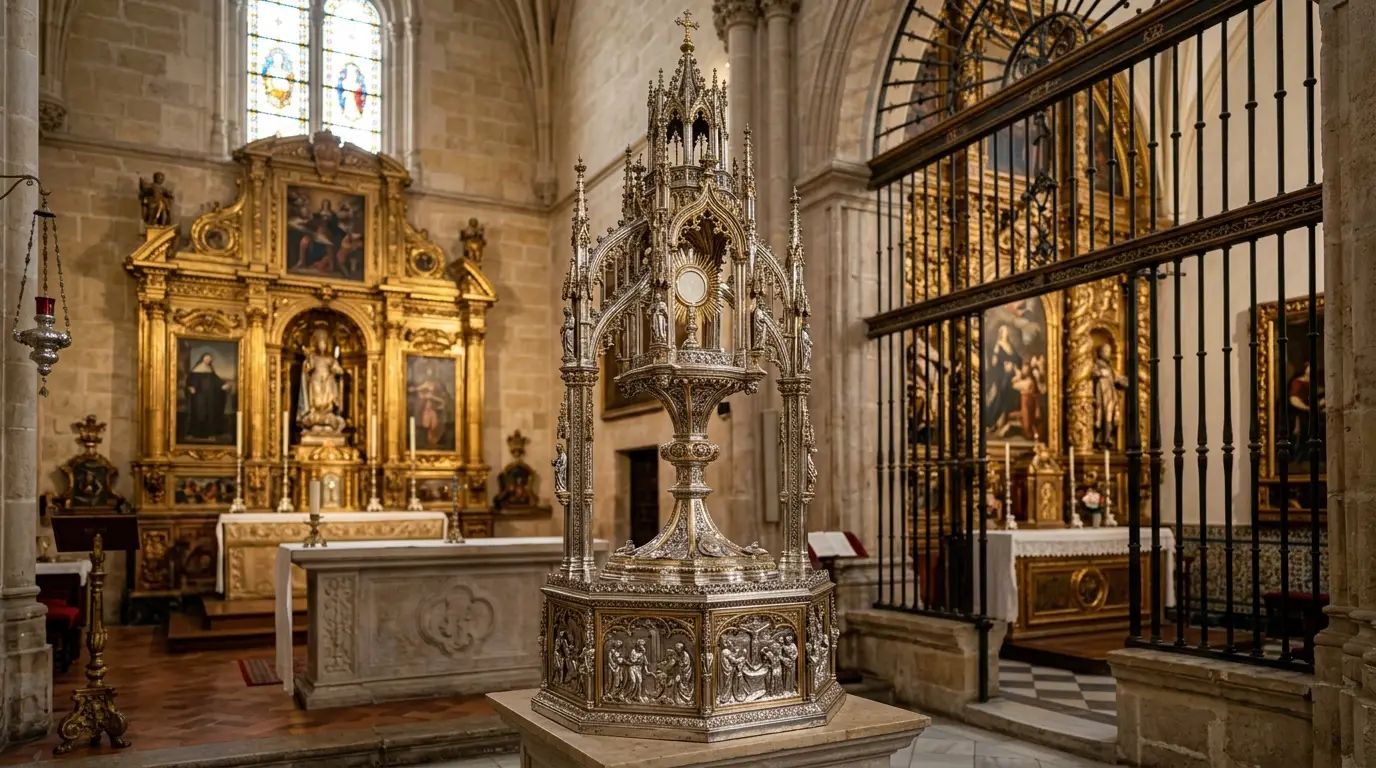
Corpus Christi in Córdoba: A 16th-Century Religious Spectacle
Sophie Marchand Updated
Corpus Christi in Córdoba has paraded a 200-kilo Gothic silver monstrance through herb-strewn streets since 1518—five centuries of Counter-Reformation theatre.
Read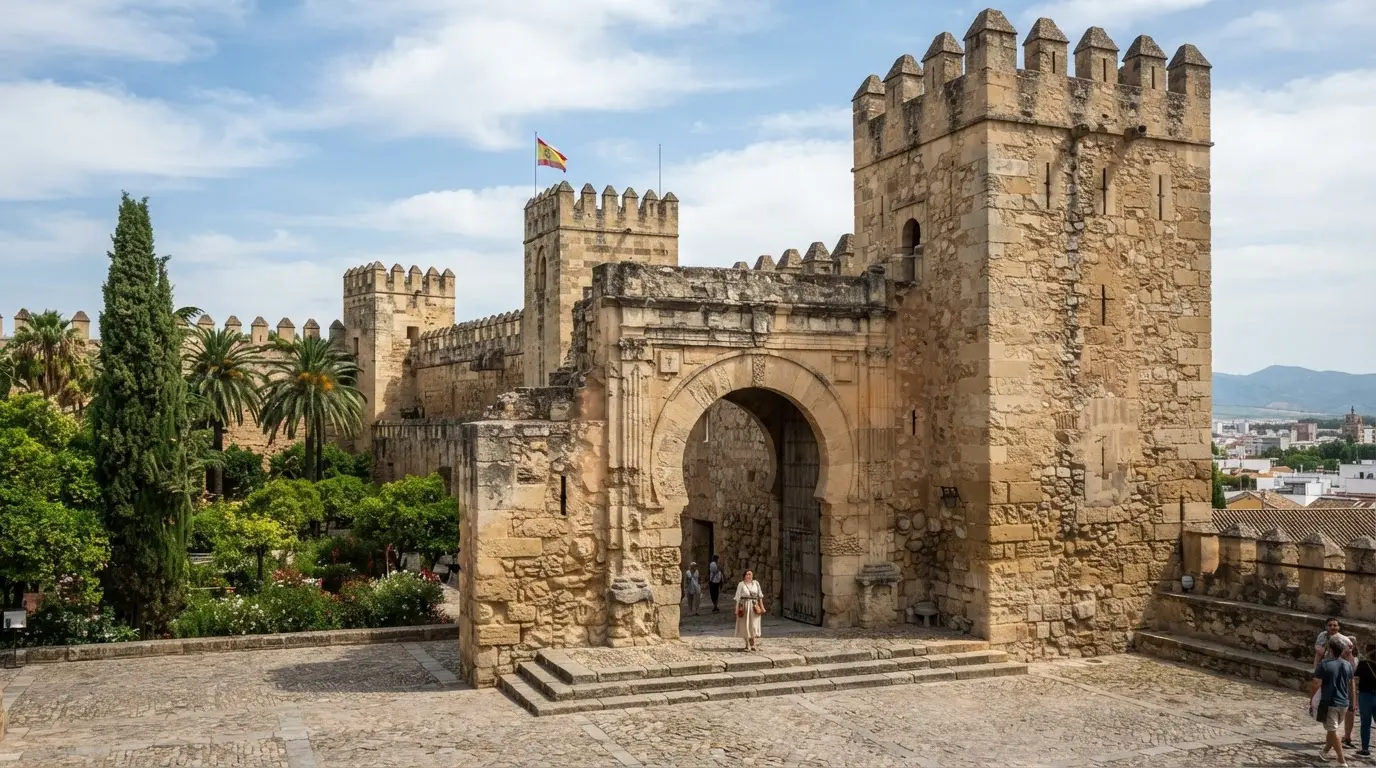
Inquisitor Lucero El Tenebroso: Córdoba's Feared Judge
Sophie Marchand Updated
Lucero El Tenebroso jailed 400+ people and staged Córdoba's largest auto-da-fé in 1504 — one of few Spanish inquisitors formally removed for abuse of authority.
Read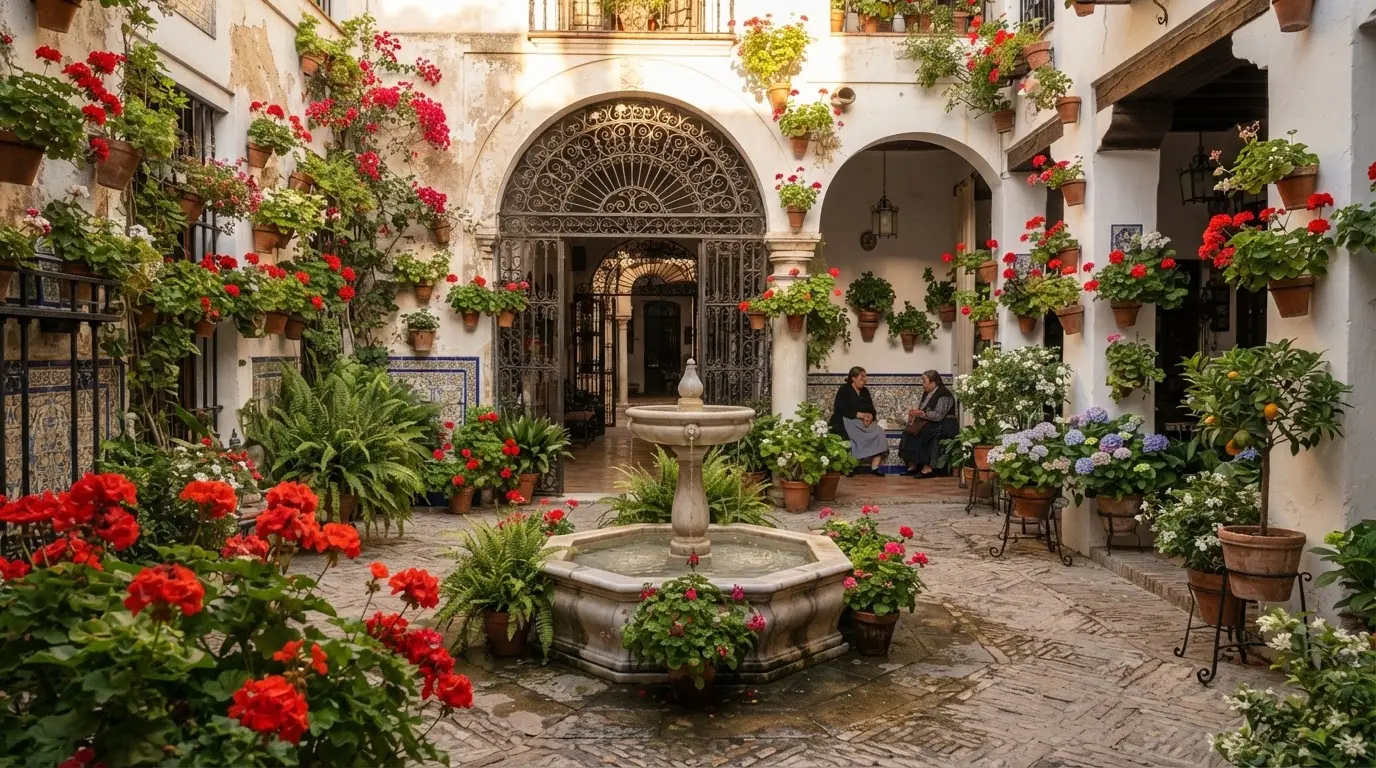
Palacio de Viana's Twelve Patios: A 500-Year Story
María Fernanda González Updated
The Palacio de Viana's twelve patios weren't planned: they accumulated across 500 years and 18 aristocratic owners. How each era shaped a new courtyard.
Read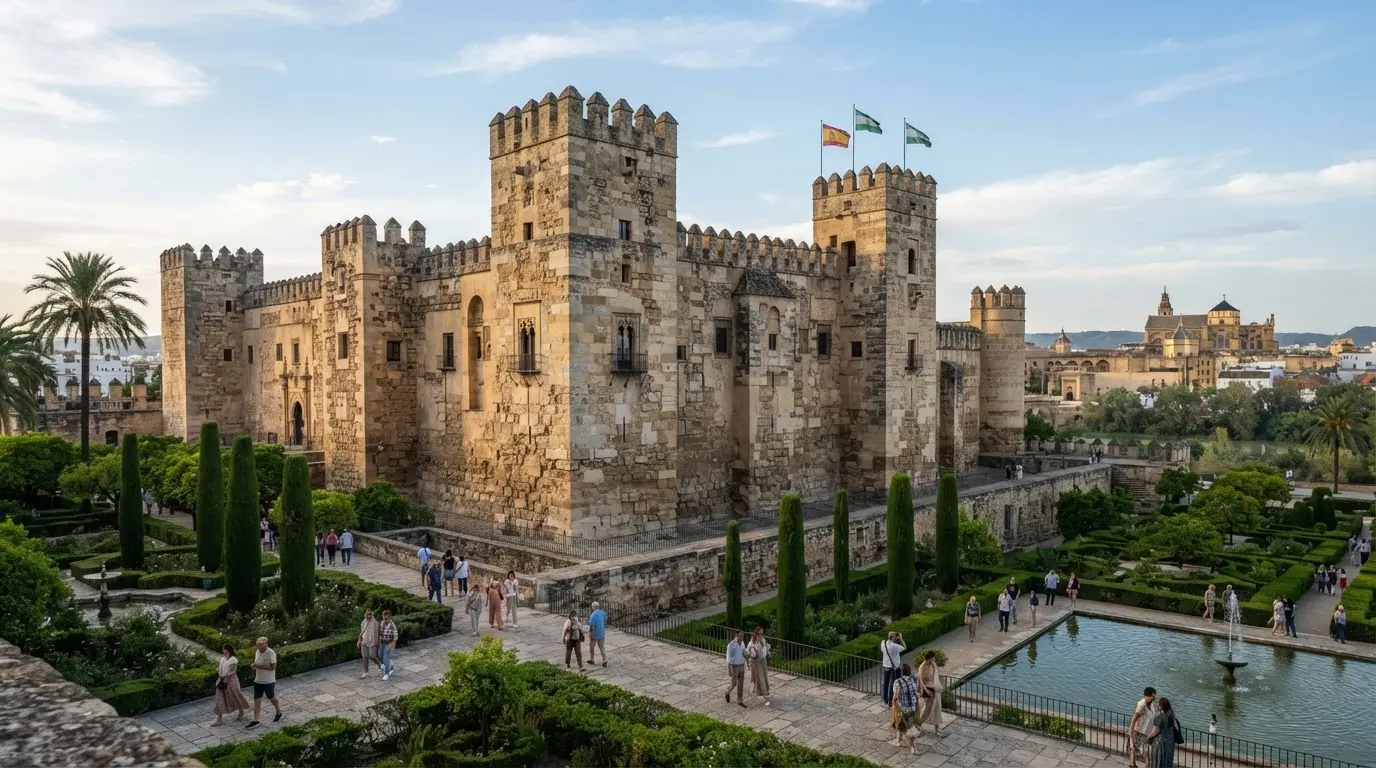
Córdoba's Alcázar as Inquisition HQ: 339 Years of Dark History
Sophie Marchand Updated
The Alcázar de los Reyes Cristianos was headquarters of the alcazar cordoba inquisition for 339 years. What happened inside, and what remains visible today.
Read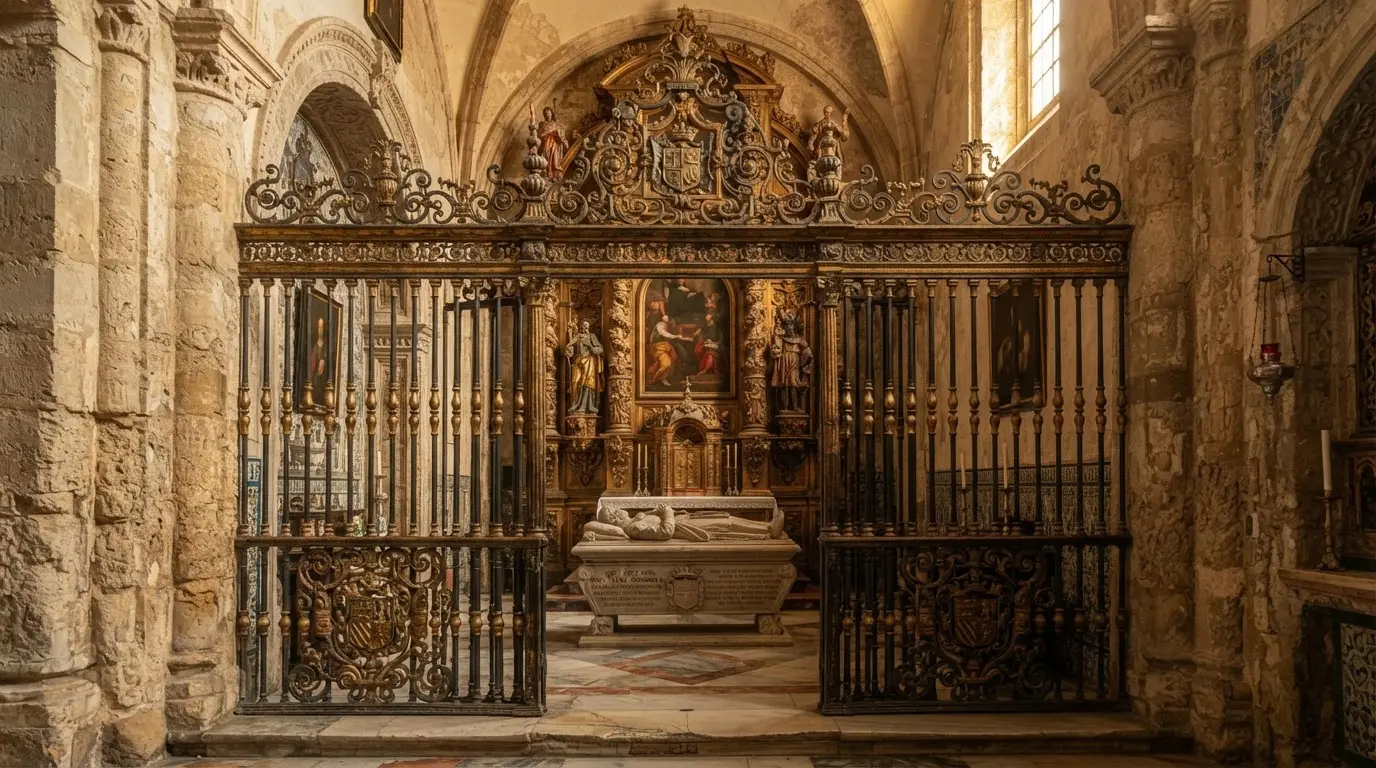
Luis de Góngora: The Poet Buried Inside the Mezquita
María Fernanda González Updated
Luis de Góngora, born in Córdoba in 1561, invented a style of poetry so difficult it scandalized Spain. His tomb is inside the Mezquita, behind an iron grille.
Read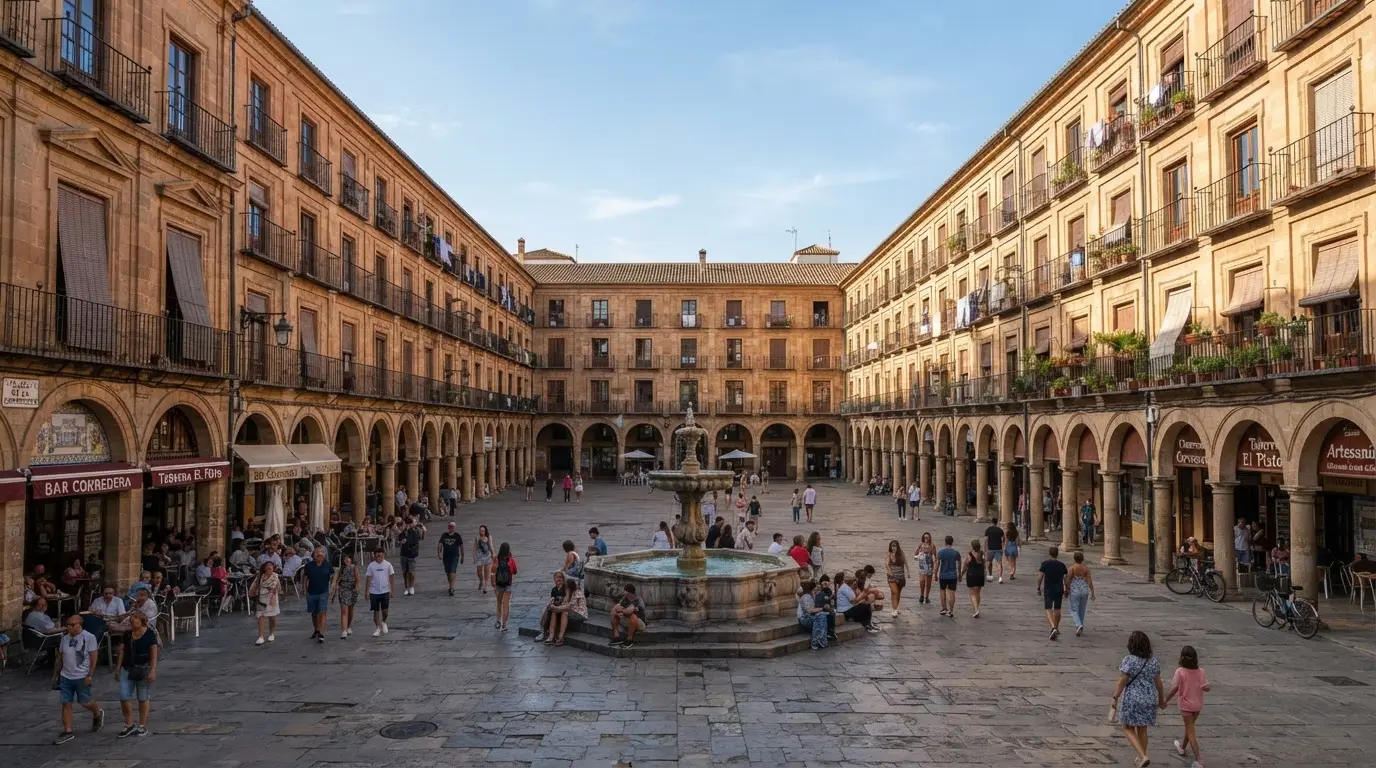
Plaza de la Corredera: Córdoba's Rectangle With Roman Roots
María Fernanda González Updated
Córdoba's only Castilian arcaded square was built in 1683. Roman mosaics found beneath it in 1959 are now in the Alcázar's Hall of Mosaics. Food market daily.
Read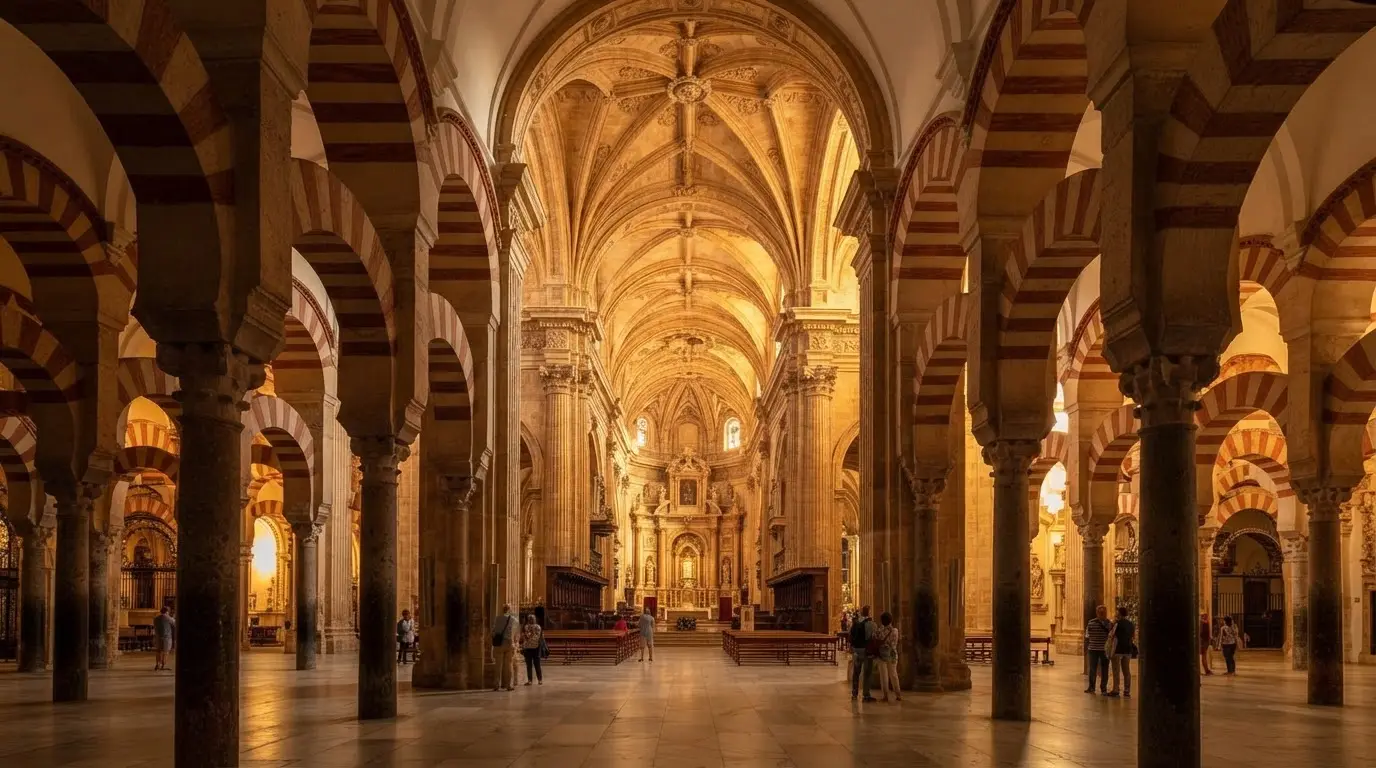
What Charles V Regretted About the Mezquita He Approved
Sophie Marchand Updated
Charles V approved inserting a Renaissance nave into Córdoba's Great Mosque in 1523, overriding local opposition. His alleged regret may be apocryphal.
Read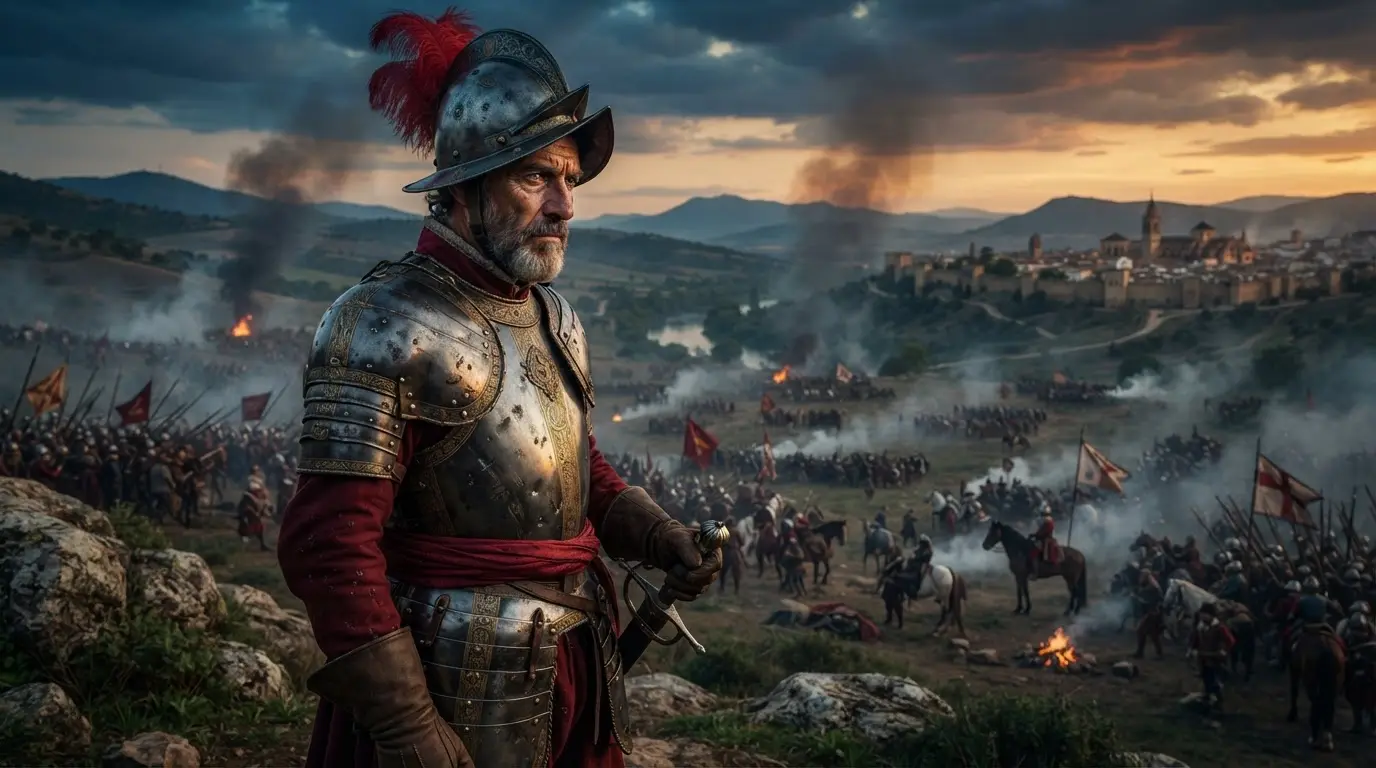
Gran Capitán: Córdoba's General Who Helped Shape Modern War
María Fernanda González Updated
El Gran Capitán, born in Montilla in 1453, helped take Granada and won Cerignola. Córdoba keeps his equestrian statue by Mateo Inurria in the Tendillas.
Read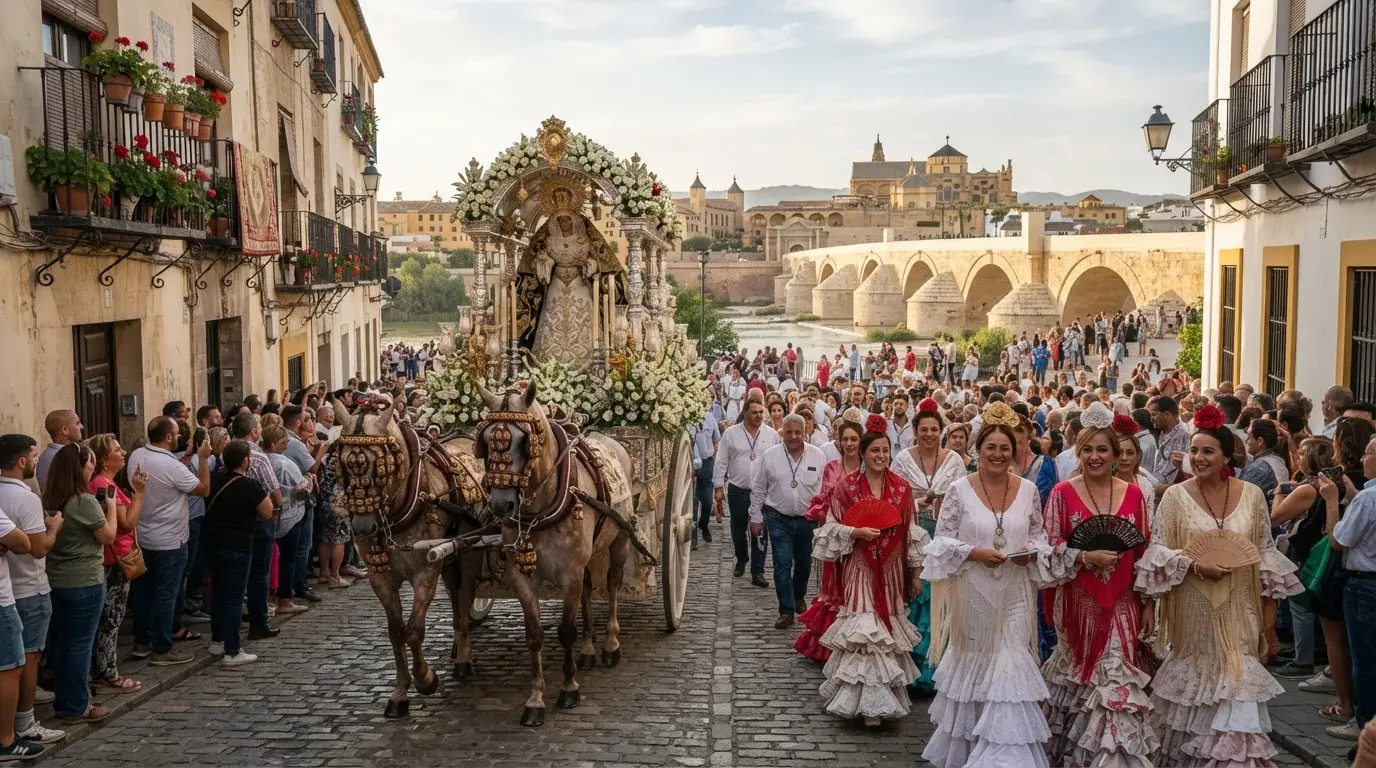
Virgen de la Salud: The Story Behind Córdoba's Feria
Sophie Marchand Updated
Two plowmen, a marble-coped well, and 200 years of healing devotion: the 1665 discovery that made the Virgen de la Salud patroness of the Feria de Córdoba.
Read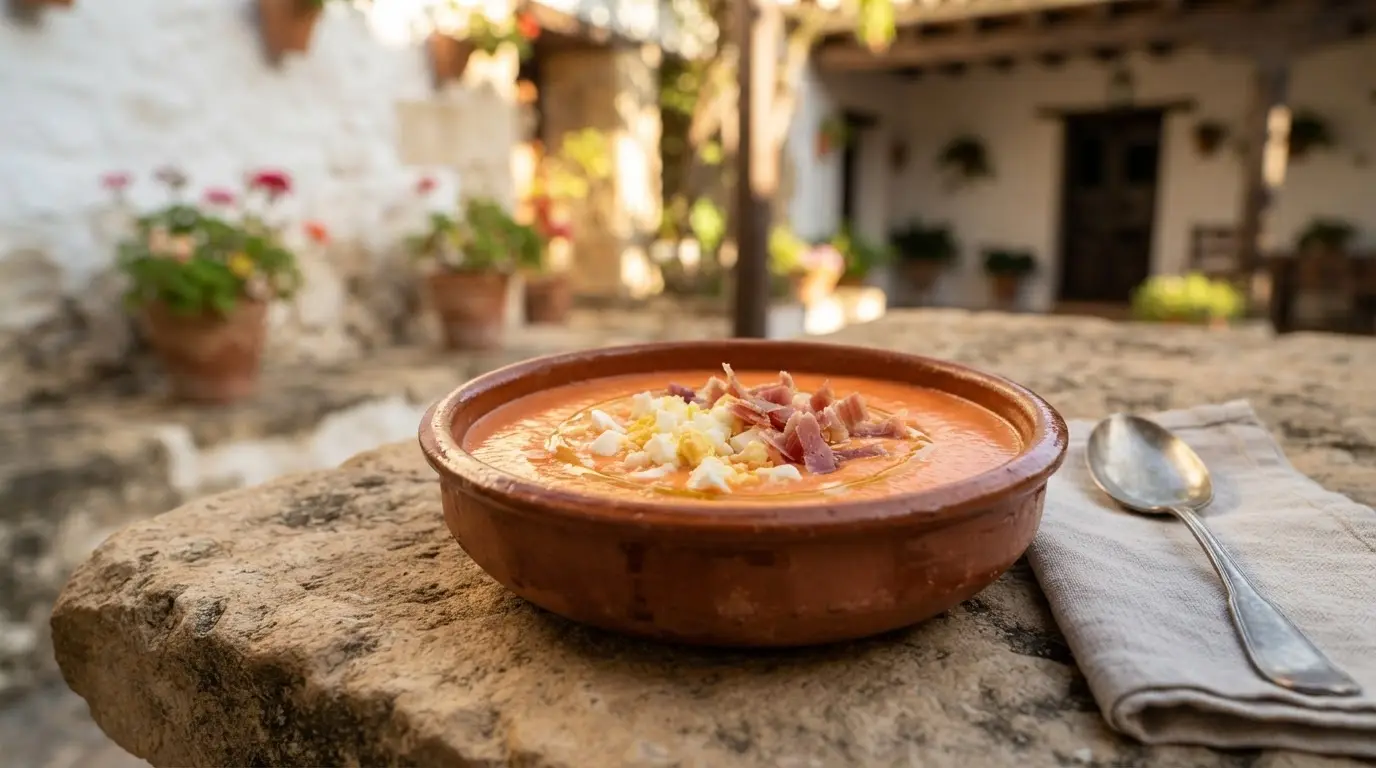
Salmorejo History: When Córdoba's White Soup Turned Red
Pedro Del Pozo Updated
Salmorejo history from a Roman mortar to Al-Andalus mazamorra, the tomato and the 2007 university standard behind Córdoba's cold soup and its own alley.
Read