Articles · Modern Córdoba
Modern Córdoba: Articles from 1808 to Today
The Civil War in 1936, then a Mezquita and a historic centre both UNESCO-listed.
Articles on Córdoba from the Napoleonic years to now: war and politics, modernization, preservation and the heritage listings. A fit for readers who want the recent past behind today's streets.
48 articles · 1808–today
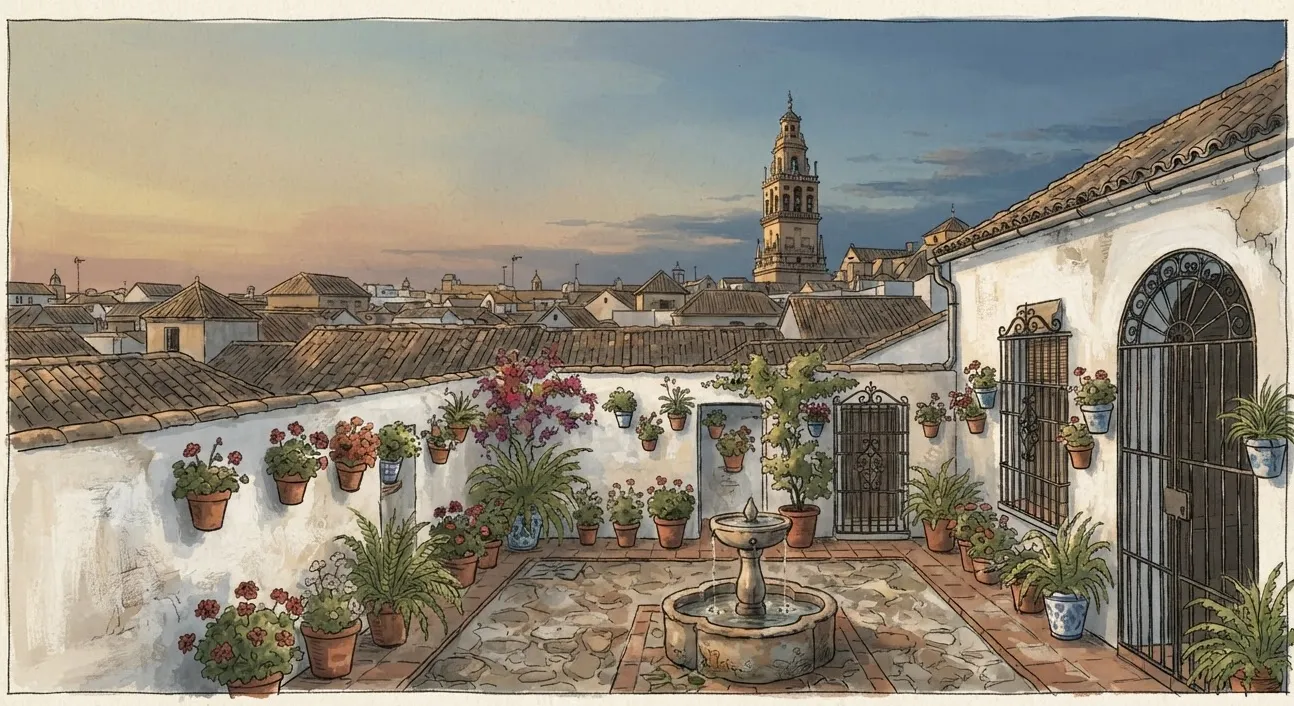
Articles on Modern Córdoba
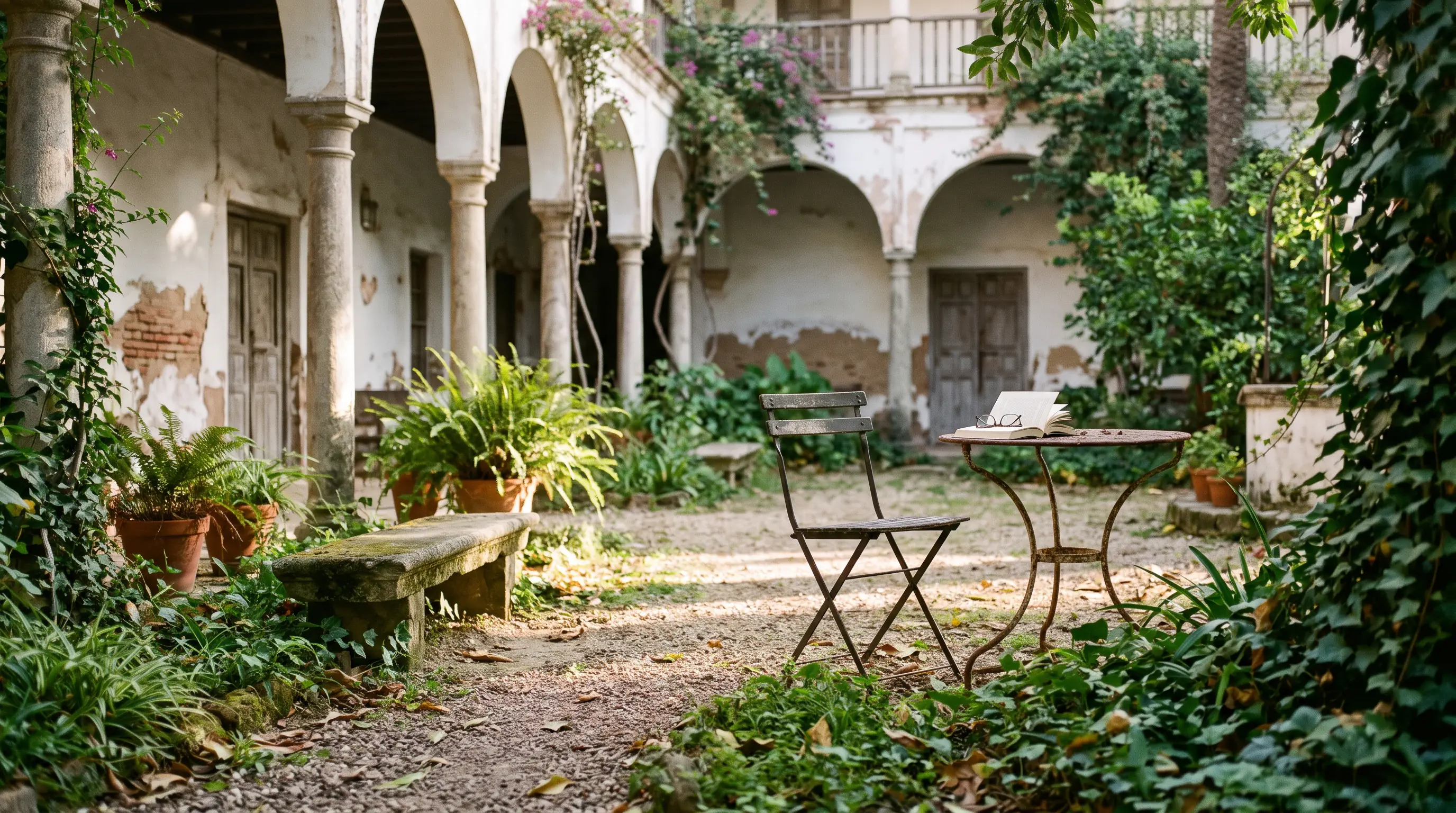
Antonio Gala Chose Córdoba, and the City Kept Him
Sophie Marchand
Born in Ciudad Real, Antonio Gala grew up in Córdoba and made it his home. Follow his plays, his foundation for young creators and the exhibition you can visit.
Read
Fosforito, the Flamenco Singer Who Won Every Prize in Córdoba
Sophie Marchand
Fosforito, the Puente Genil singer who swept Córdoba's 1956 flamenco contest and was the last holder of the Llave de Oro del Cante, died aged 93 in 2025.
Read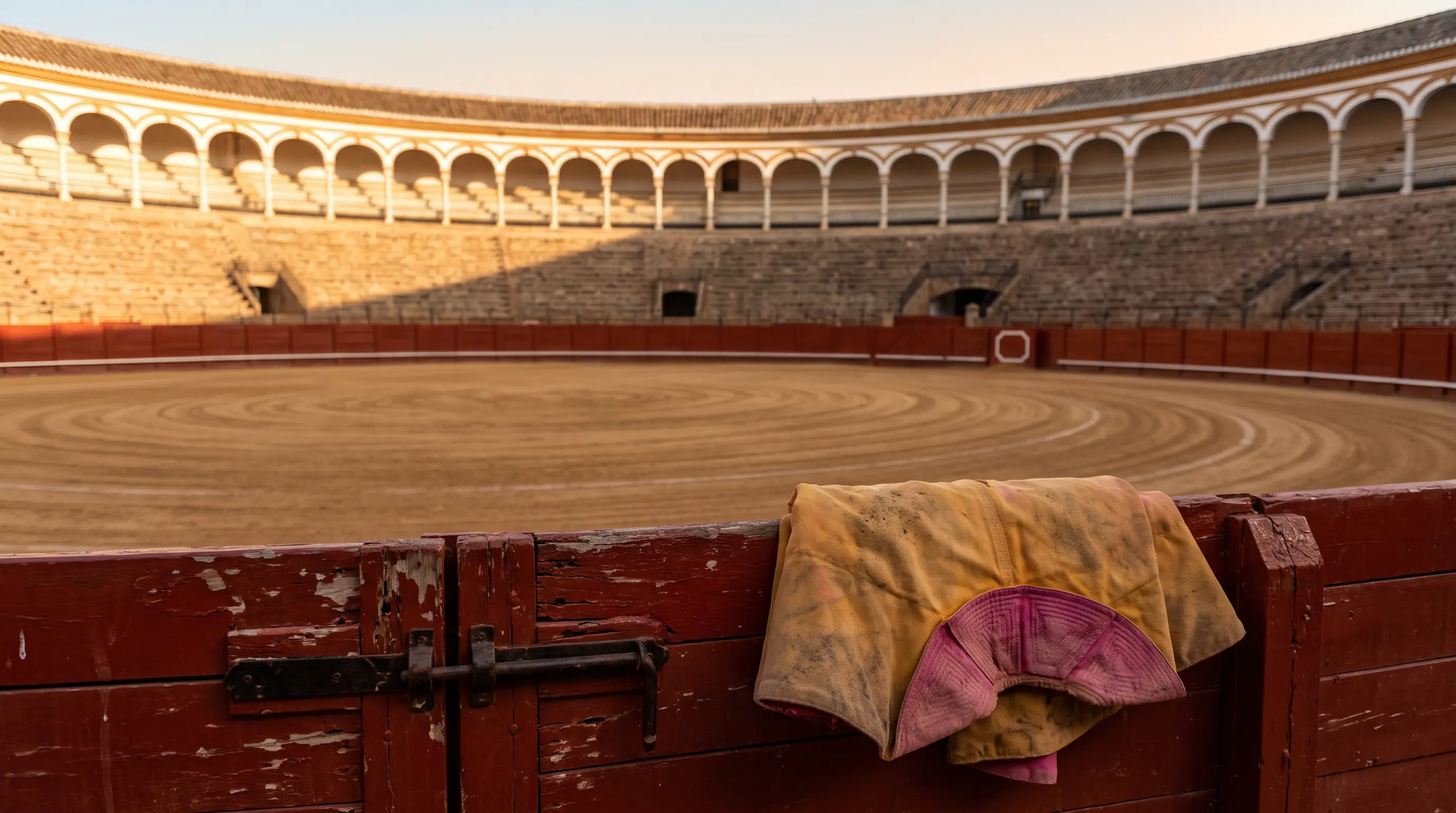
Who Crowned Córdoba's First Three Caliphs of Bullfighting?
Sophie Marchand
Mariano de Cavia crowned Lagartijo the Califa del Toreo; Guerrita and Machaquito followed, yet only El Cordobés was named officially by the council in 2002.
Read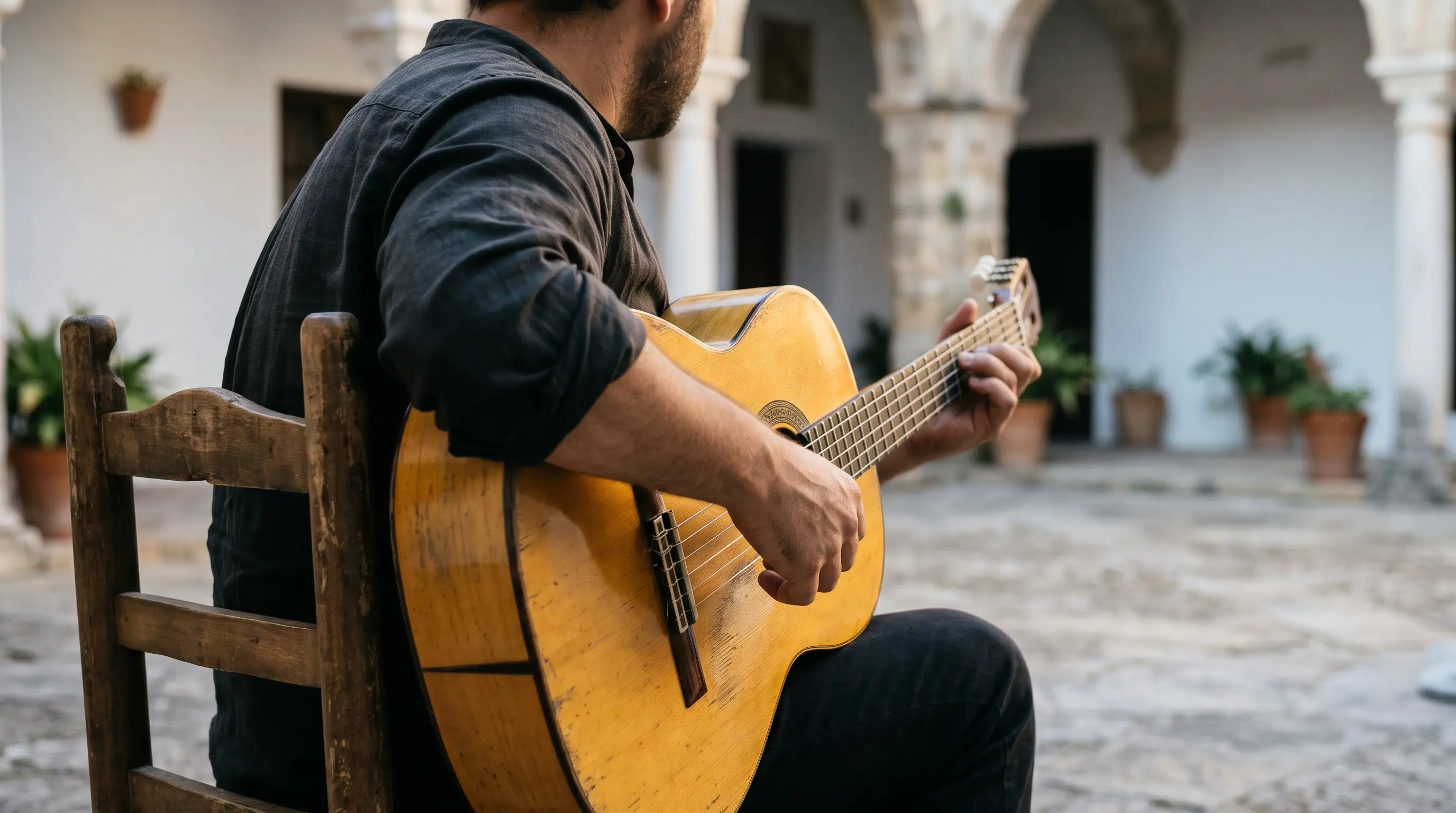
Paco Peña, Flamenco Guitarist Who Gave Córdoba a Festival
Sophie Marchand
Who is Paco Peña? The Córdoba-born flamenco guitarist who built the courses behind the festival in 1981, led it about a decade, then gave it to the city.
Read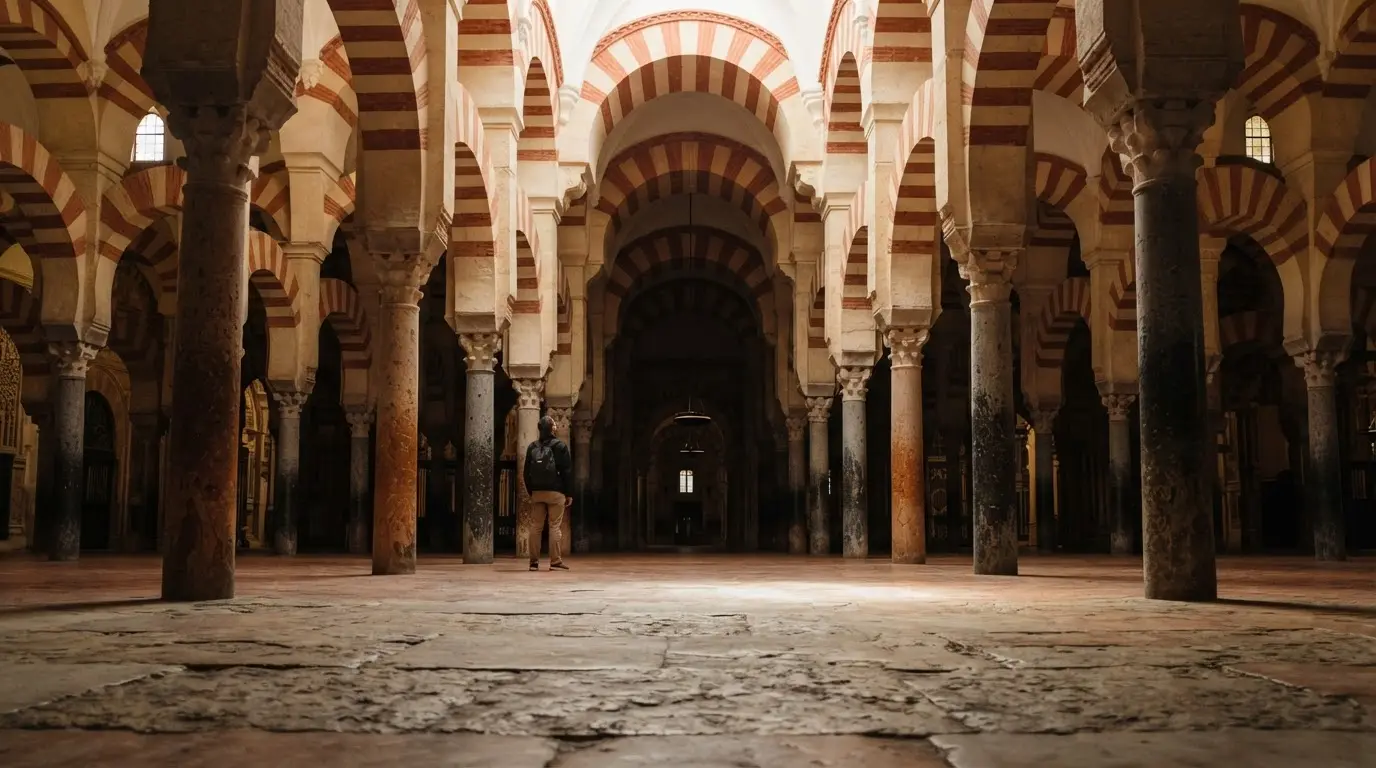
How Romantic Travellers Read Córdoba's Mezquita in the 1800s
María Suárez Pérez
How Gautier, Ford and De Amicis, three Romantic travellers, wrote up Córdoba's Mezquita: what they praised, what they got wrong and what you can still see.
Read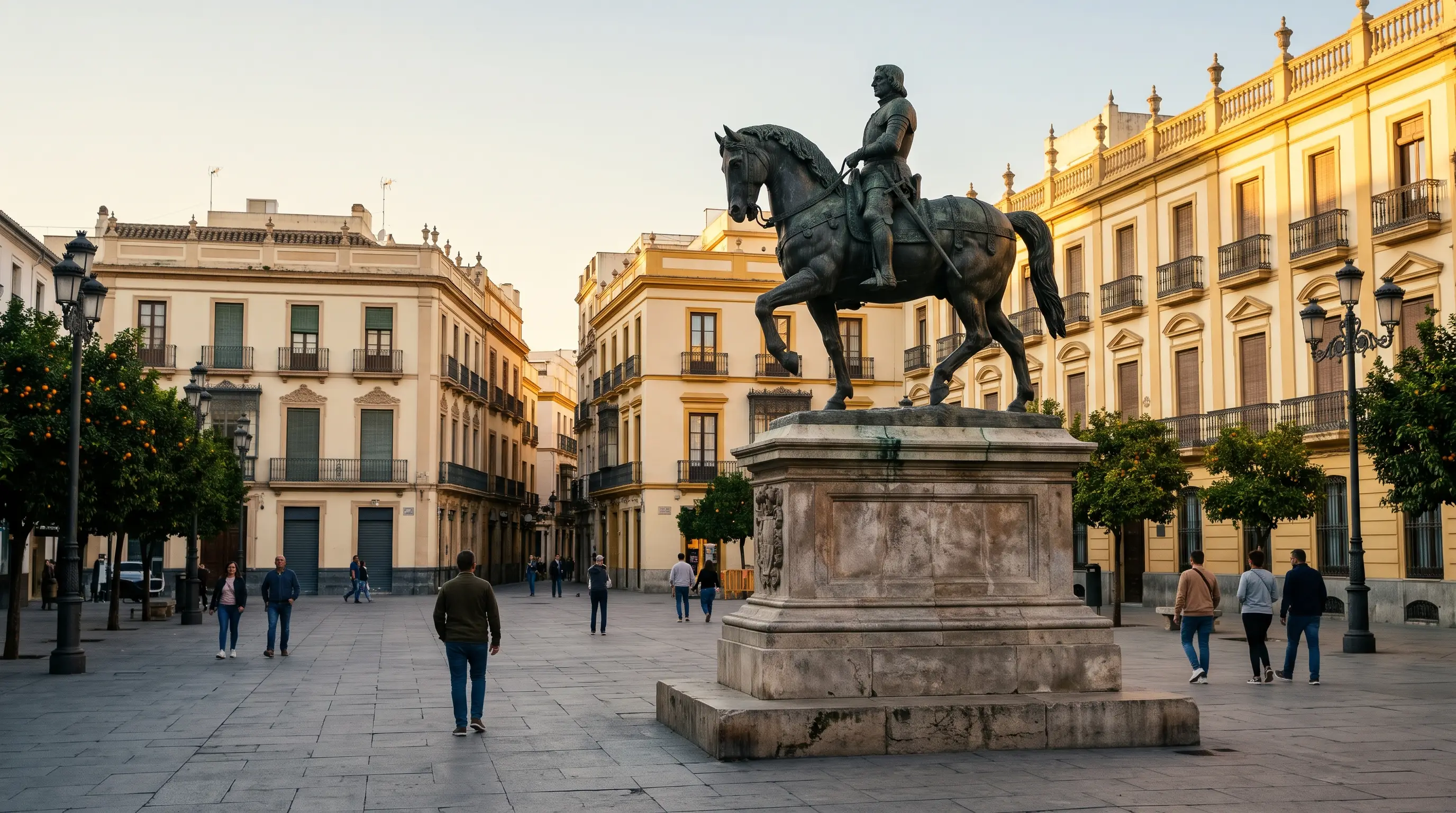
Mateo Inurria and the Bronze Horseman of Las Tendillas
María Suárez Pérez
Mateo Inurria (1867-1924) sculpted the Gran Capitán of Las Tendillas, worked on the Mezquita and ran Córdoba's art school. Here is where his work survives.
Read
Cántico: The Córdoba Poets Who Made a Magazine an Island
Sophie Marchand
Cántico was a Córdoba poetry magazine of 1947-57 run by García Baena, Molina and Bernier. How it became an island in post-war Spain, then was rediscovered.
Read
Montilla, Spain's Wine City 2027: What the Title Brings
Pedro Del Pozo
Montilla will be Spain's Ciudad Española del Vino in 2027 after beating Jerez. What the title is, what is confirmed so far, and how to reach it from Córdoba.
Read
Juan Valera of Cabra Wrote Pepita Jiménez at Nearly Fifty
Sophie Marchand
Juan Valera, born in Cabra in 1824, was a diplomat before writing Pepita Jiménez. Trace him from Cabra to Madrid and to Doña Mencía's Calle Juanita la Larga.
Read
Córdoba's Duque de Rivas Went From Exile to Don Álvaro
Sophie Marchand
Ángel de Saavedra, Duke of Rivas: Córdoba-born soldier, exile and author of Don Álvaro. His life, the 1929 Benlliure monument and where to find it today.
Read
Aserejé Means Nothing. Three Córdoba Sisters Made It No. 1
Sophie Marchand
Aserejé has no dictionary meaning. How three Córdoba sisters, a flamenco guitarist father and a small local label turned a rap-inspired chorus into a No. 1.
Read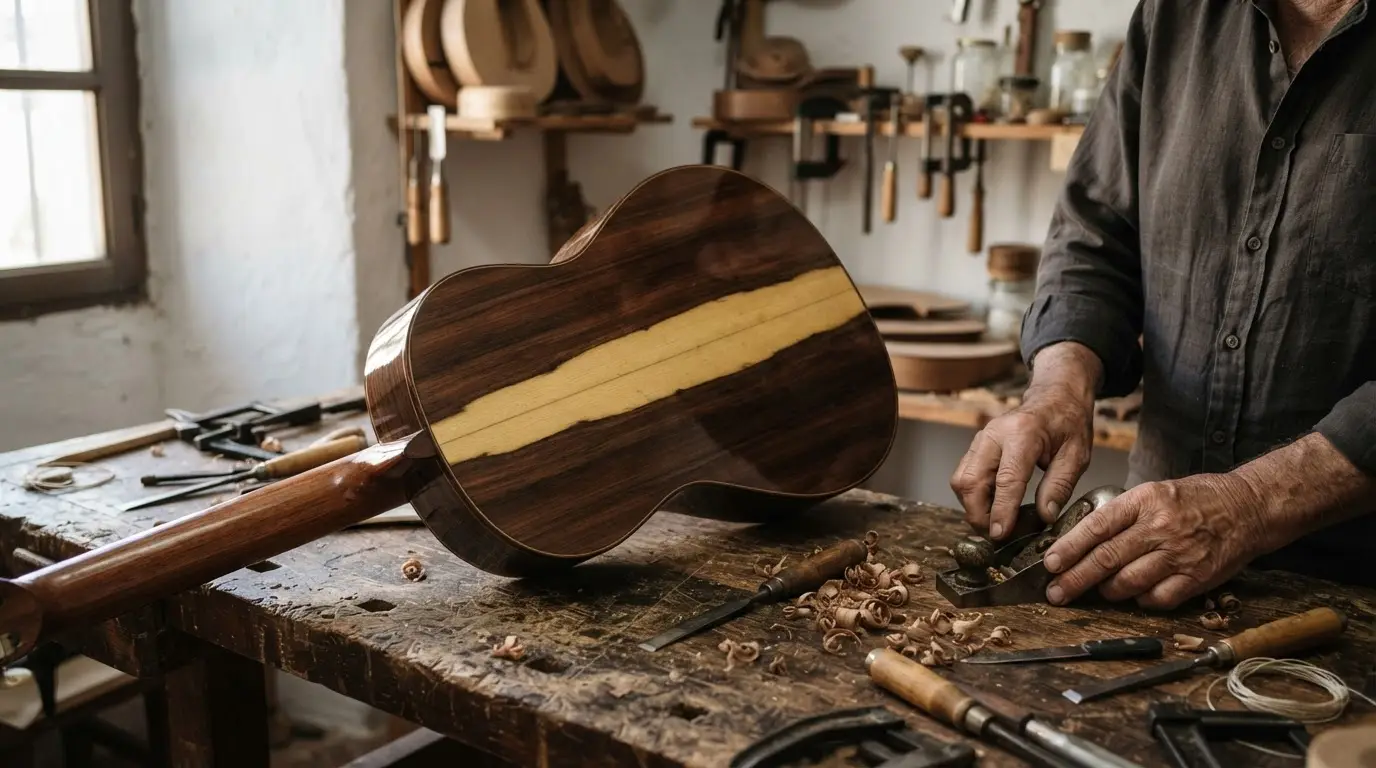
The Córdoba Guitars Named for a Door Nobody Can Source
Sophie Marchand
Miguel Rodríguez's Church Door guitars carry a name dealers explain three ways: an old door, a cathedral sound, a cut of rosewood. The family line is on record.
ReadSee Modern Córdoba on the timeline, with its people and monuments
Go deeper
Frequently asked questions
Why was the 1868 Battle of Alcolea Bridge in Córdoba a turning point for Spain?
On 28 September 1868, about 10,000 revolutionary soldiers under General Francisco Serrano held the 360-metre Puente de Alcolea outside Córdoba against an equal royalist army. After more than 1,000 combined casualties forced a royalist retreat, the government resigned and Queen Isabella II fled into exile in France.
How did the July 1936 military coup unfold in the city of Córdoba?
At 4:00 PM on 18 July 1936, Colonel Ciriaco Cascajo signed the proclamation of martial law at the Heavy Artillery barracks on telephoned orders from General Queipo de Llano in Seville. Artillery fire forced City Hall to surrender before midnight, deposing Republican mayor Manuel Sánchez Badajoz.
When did the AVE high-speed train first arrive in Córdoba?
Spain's first AVE line between Madrid and Seville was inaugurated on 14 April 1992 and began commercial passenger service through Córdoba on 21 April 1992. Burying the railway tracks freed more than 42 hectares of central land and led to the opening of Córdoba's current train station on 9 September 1994.
What was the Cántico poetry group founded in post-war Córdoba?
Founded in October 1947 by Córdoba poets Pablo García Baena, Ricardo Molina, and Juan Bernier, the magazine Cántico ran from 1947 to 1949 and again from 1954 to 1957. Joined by writers Julio Aumente and Mario López and painters Miguel del Moral and Ginés Liébana, the group revived Baroque and Andalusian poetic traditions.