Articles · Modern Córdoba
Modern Córdoba: Articles from 1808 to Today (Page 4)
The Civil War in 1936, then a Mezquita and a historic centre both UNESCO-listed.
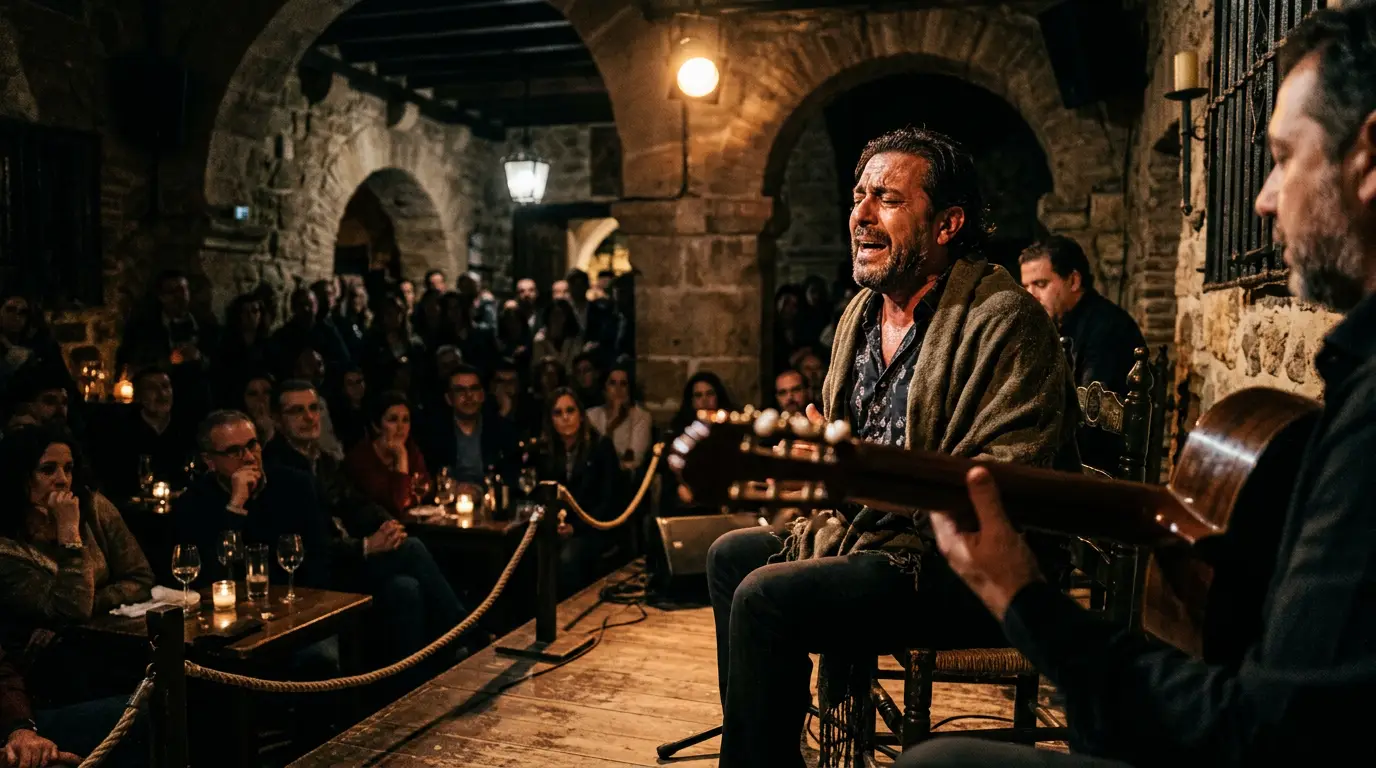
History of Flamenco in Córdoba: From Santa Marina to UNESCO
Sophie Marchand Updated
From Santa Marina's gitano quarter to the 1956 Concurso Nacional (won outright by Fosforito) to UNESCO in 2010: how Córdoba built its own flamenco tradition.
Read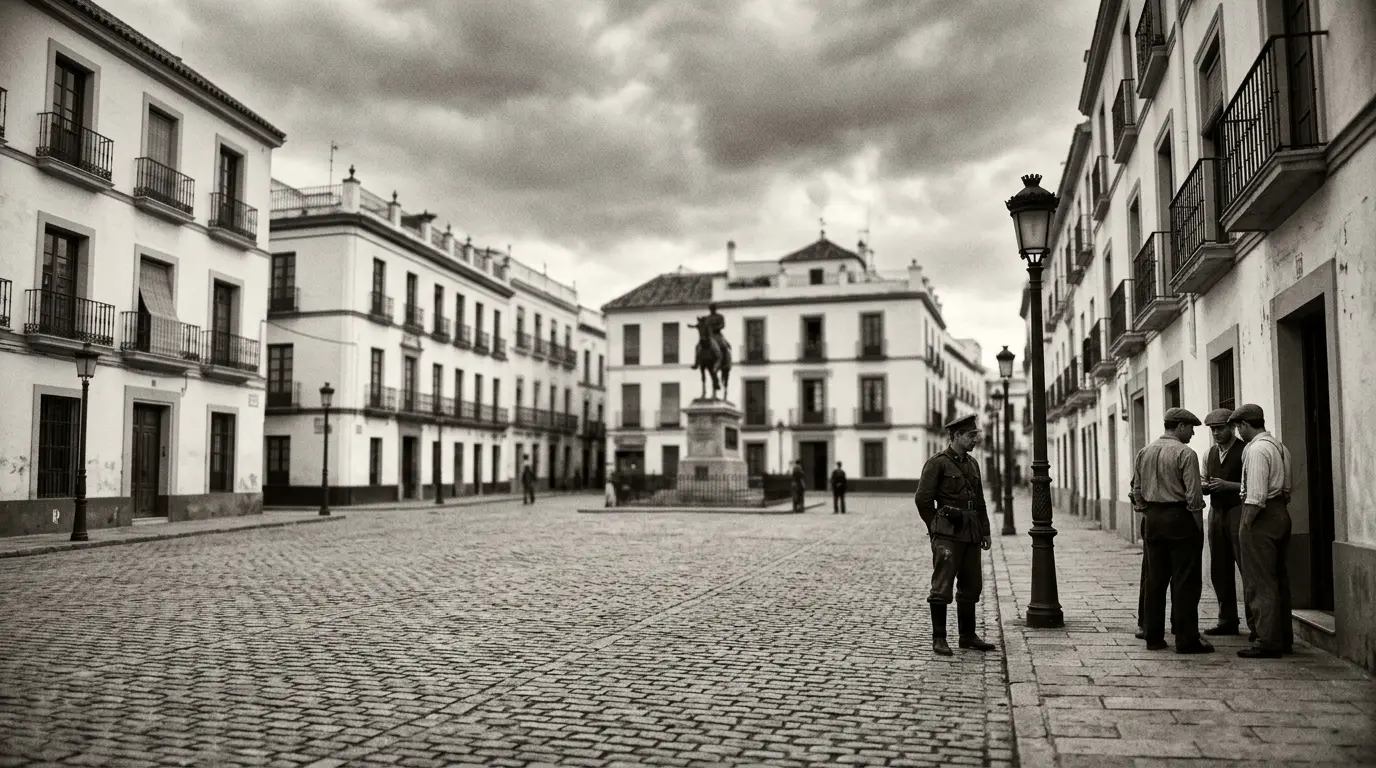
Córdoba and the Spanish Civil War: 1936 and Its Scars
Sophie Marchand Updated
On 18 July 1936, a coup plunged Córdoba into the Spanish Civil War: Plaza de las Tendillas seized, thousands executed, and a failed August counter-offensive.
Read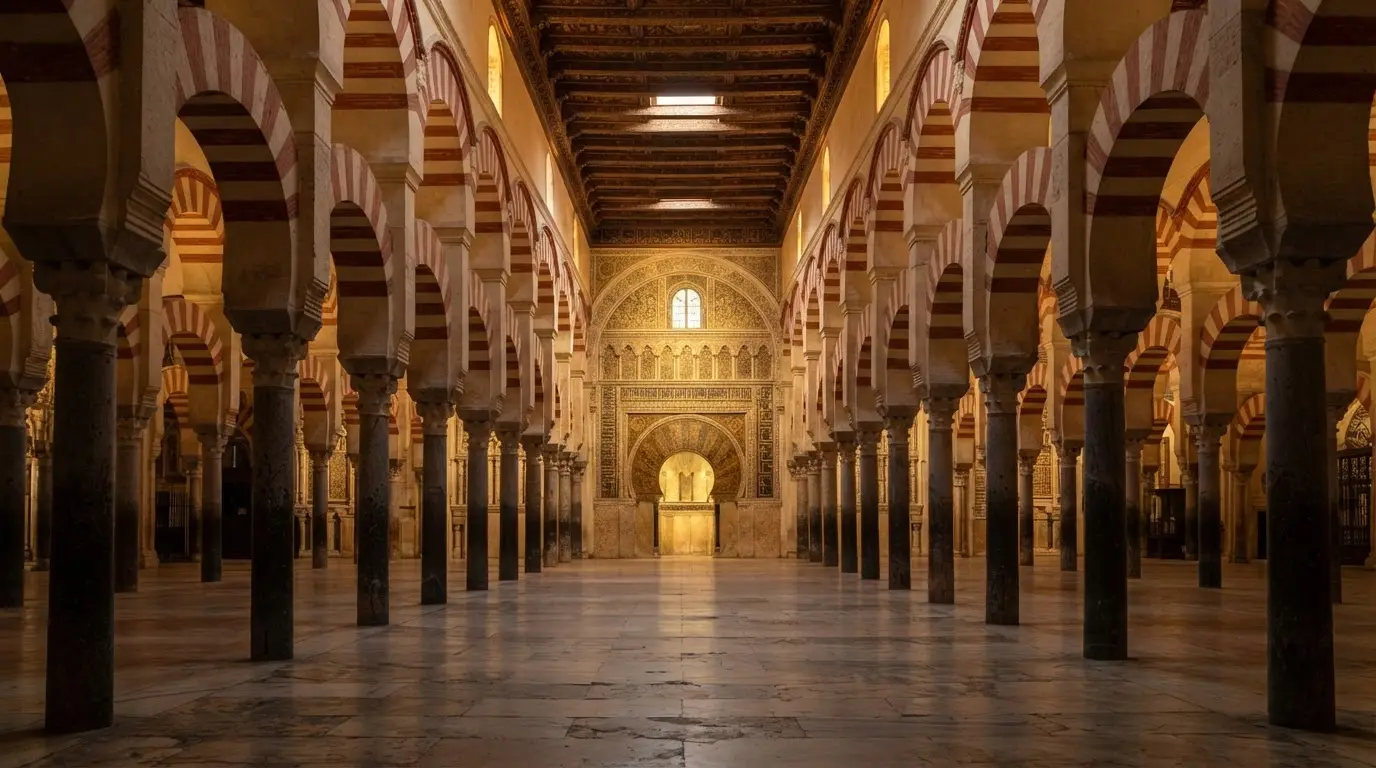
The Mezquita the Church Owns, and Muslims Can't Pray In
Sophie Marchand Updated
The Mezquita prayer ban dates to 2003, when Muslims were reportedly ejected mid-prayer. The Church registered it for a fee in 2006. Naming remains disputed.
Read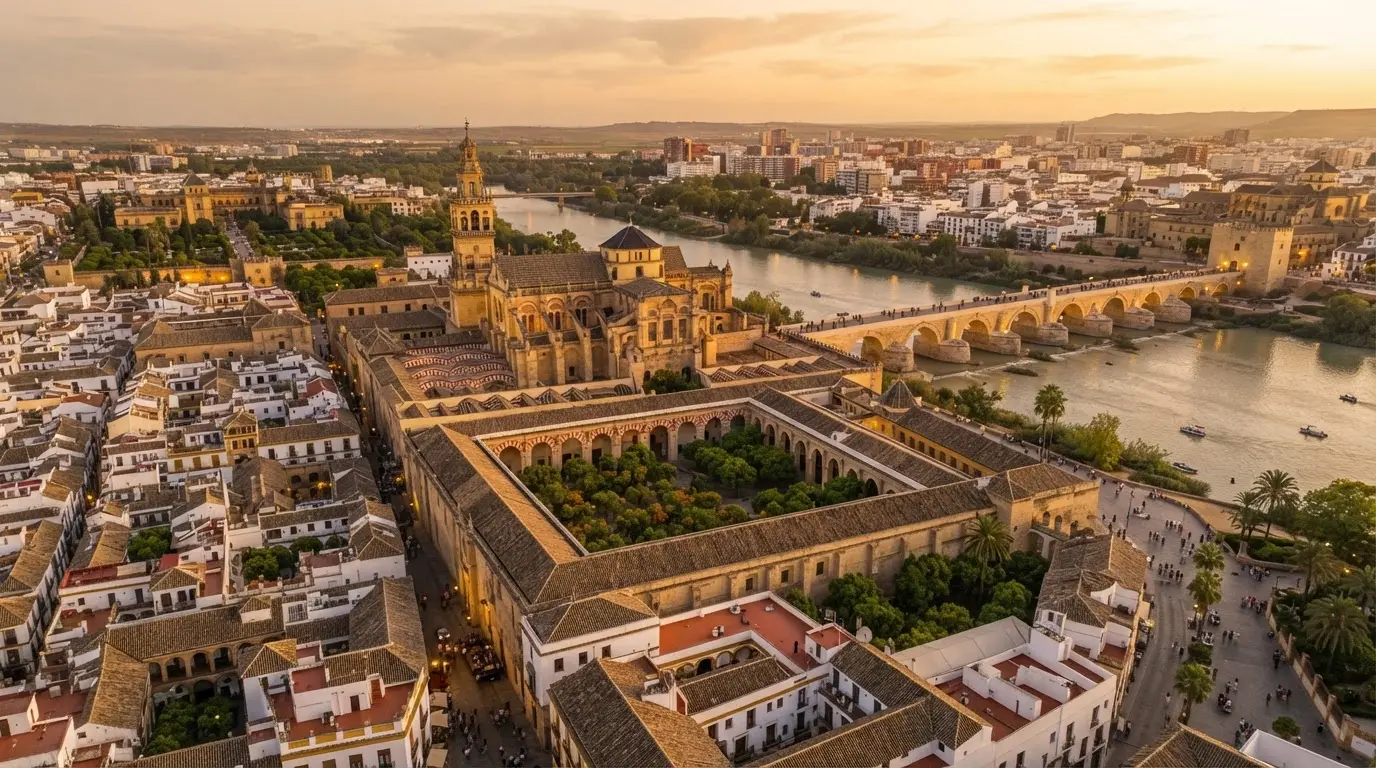
Spain Travel Statistics 2026 Show a Record Year Accelerating
María Fernanda González Updated
Spain welcomed 96.8M tourists in 2025 and 70.4M in Jan–Aug 2026 (INE). Arrivals, spending, regions, source markets, hotel nights and the Córdoba effect.
Read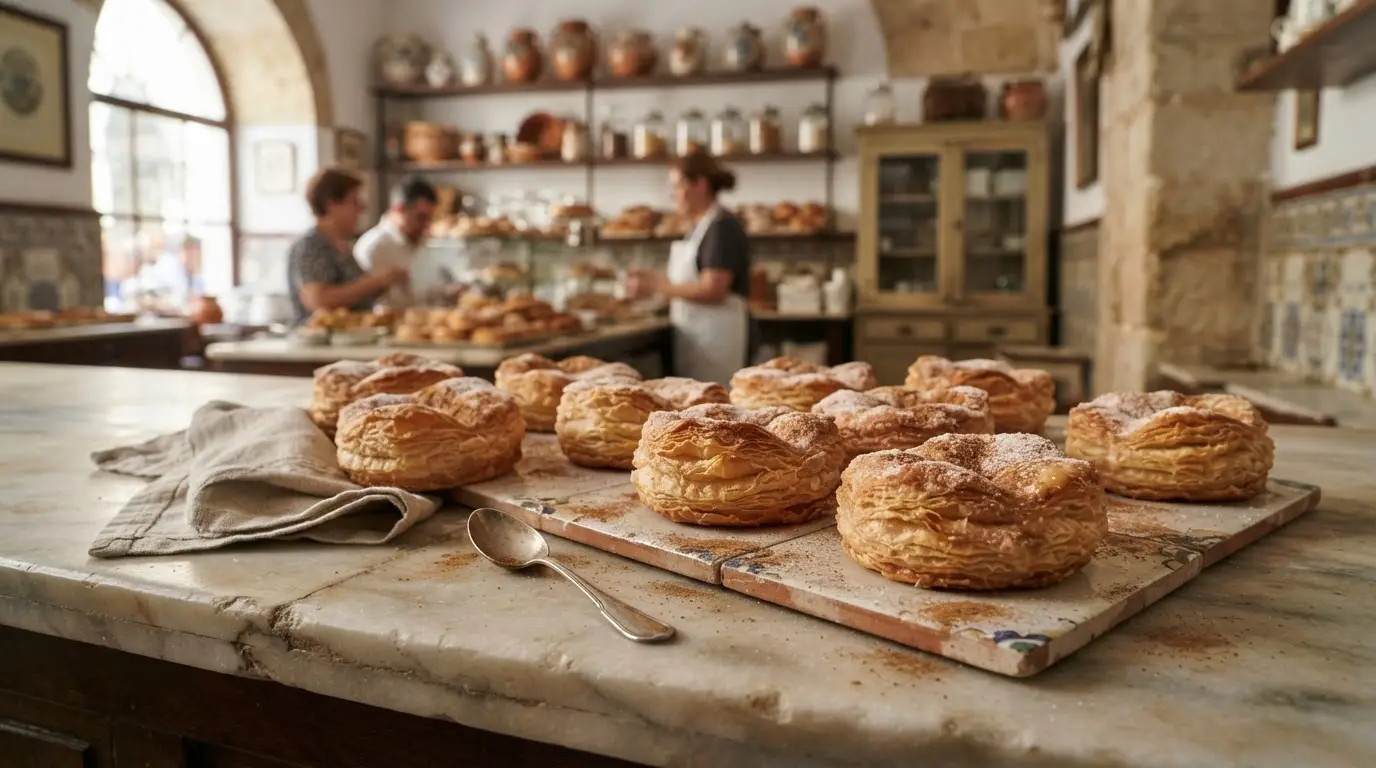
Pastel Cordobés: The Pastry Named After a Bullfighter
Pedro Del Pozo Updated
Flaky pastry filled with candied pumpkin, the pastel cordobés has Moorish roots. A Córdoba confectioner named the miniature Manolete version in the 1940s.
Read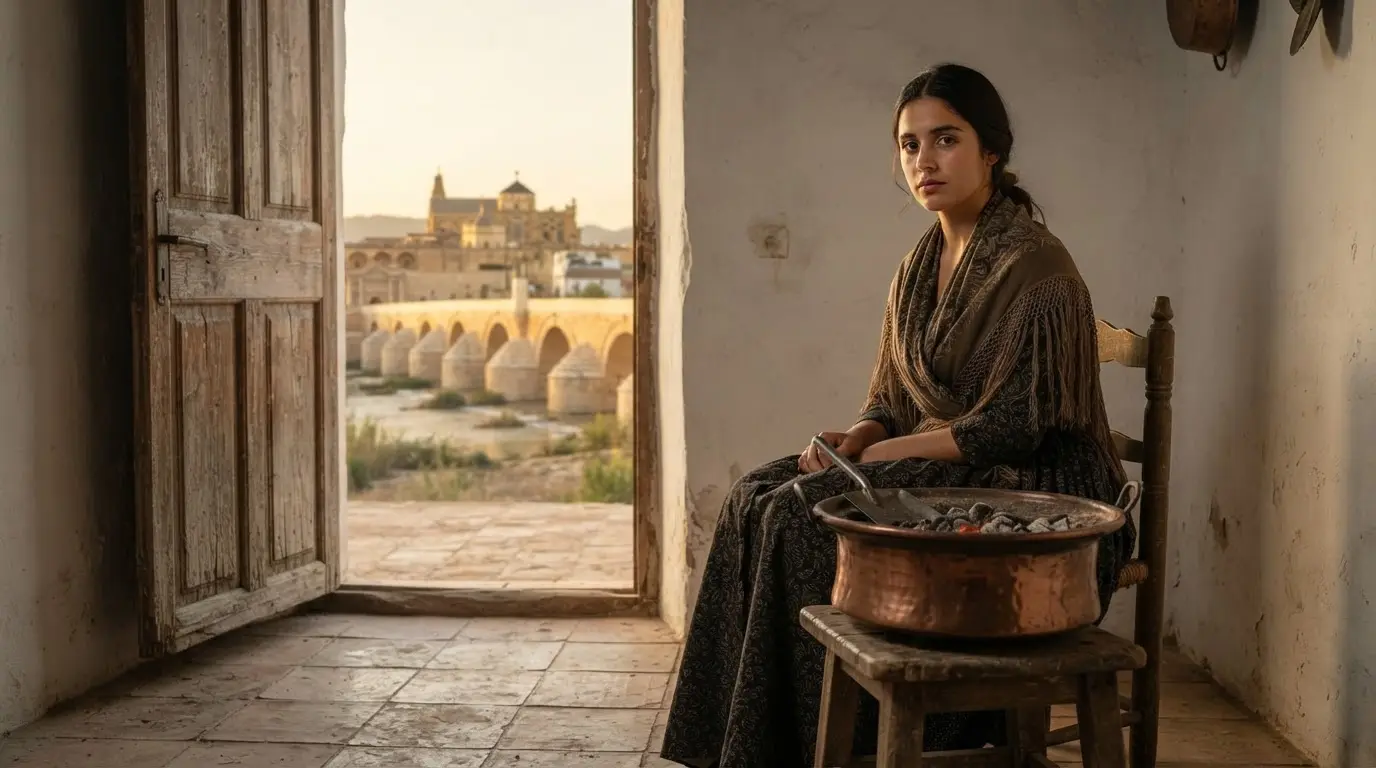
Julio Romero de Torres: The Painter Who Made Córdoba Sensual
Sophie Marchand Updated
Julio Romero de Torres (1874–1930) turned Córdoba's women, light, and flamenco into Andalusian symbolism. His last painting remains in his Córdoba museum.
Read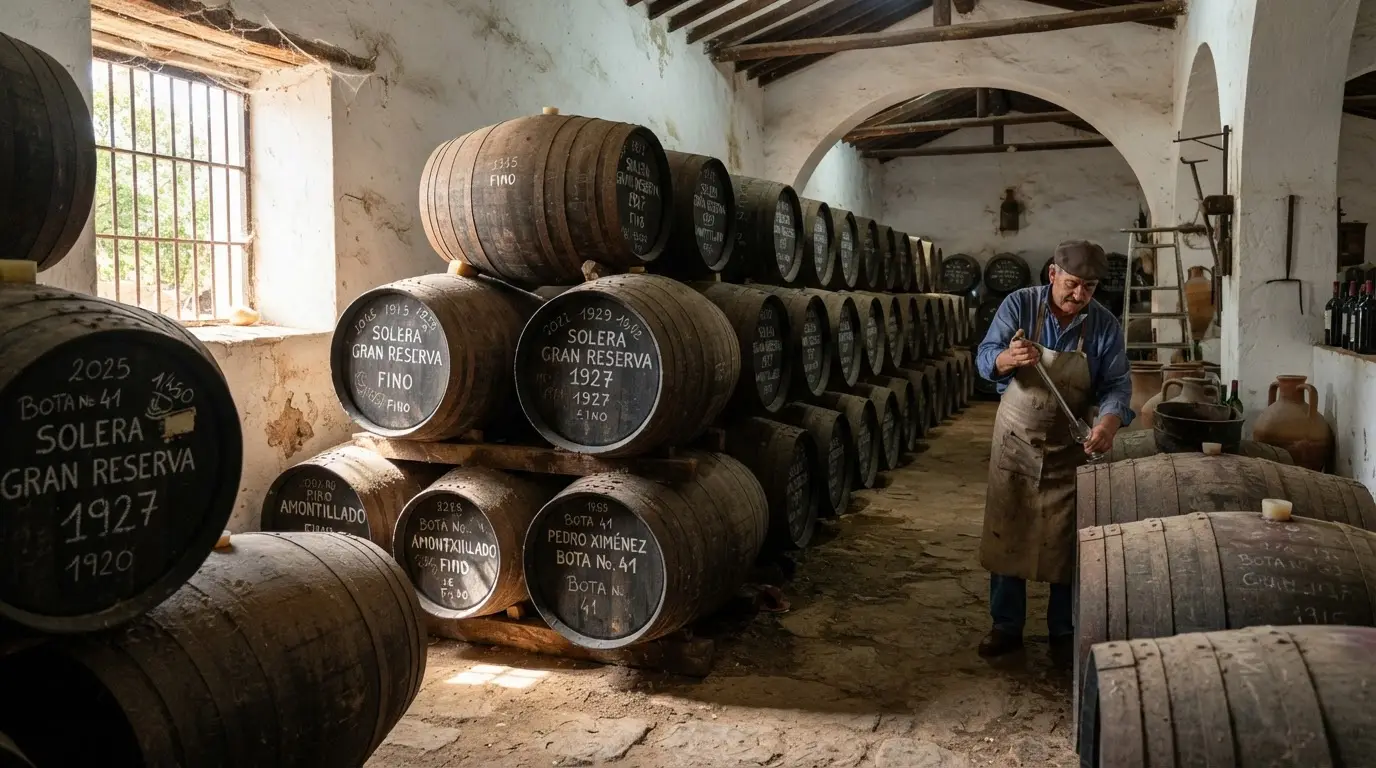
Montilla-Moriles: The Wine That Named a Poe Story
Pedro Del Pozo Updated
Montilla-Moriles wine invented amontillado but can't legally use the name. The full story: the etymology, Poe's 1846 tale, and where to taste it in Córdoba.
Read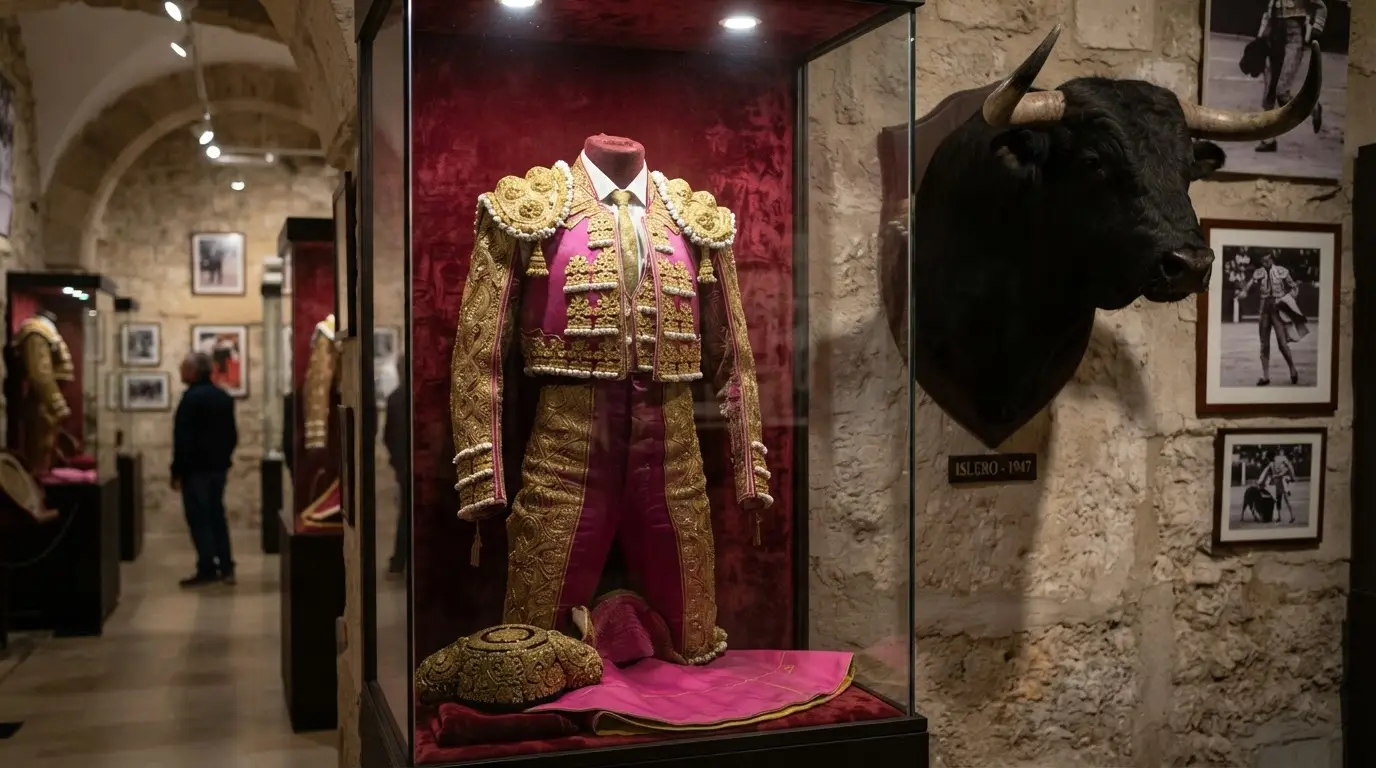
Manolete: Córdoba's Last Sad God of the Ring
Sophie Marchand Updated
Gored by the bull Islero in Linares on 28 August 1947, Manolete died aged 30 and Franco declared three days of mourning. See his statue and tomb in Córdoba.
Read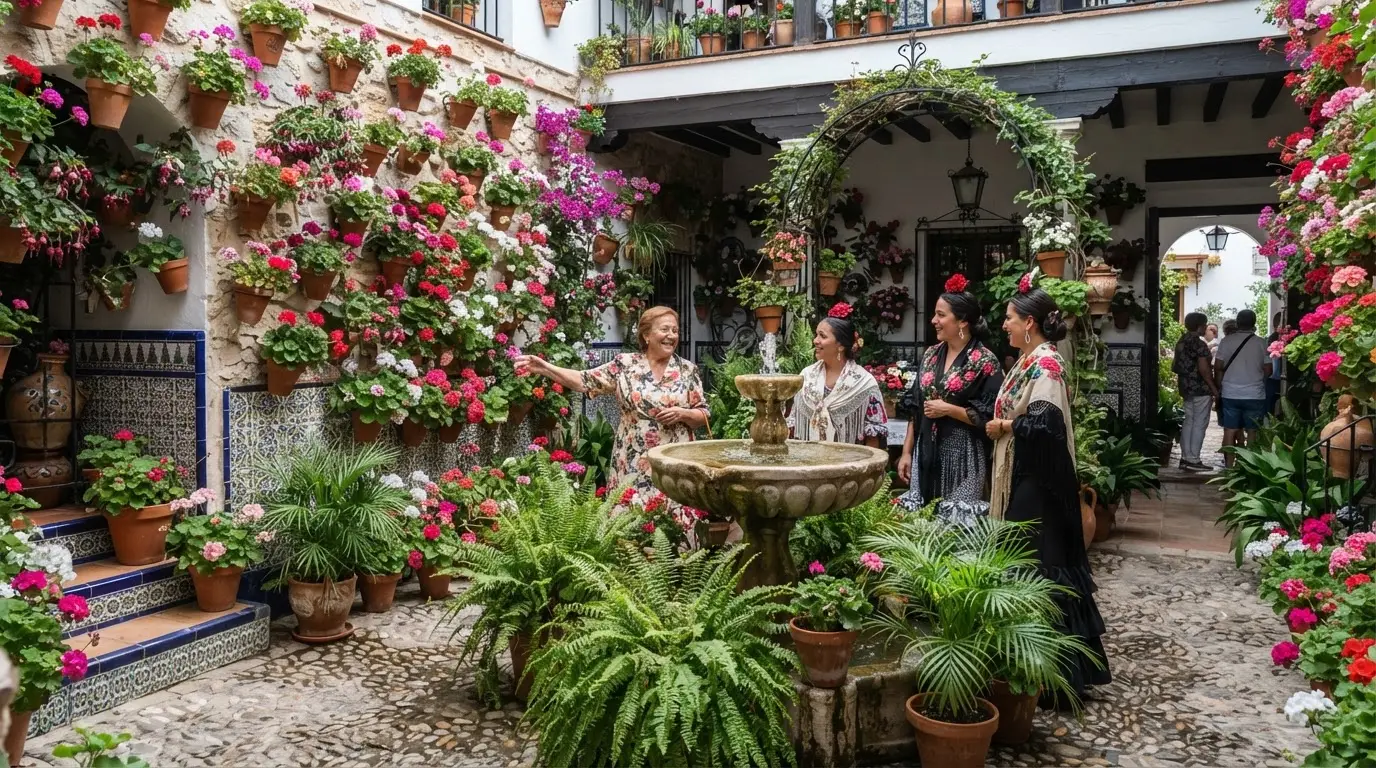
Why Córdoba's Patios Open for Only Two Weeks a Year
María Fernanda González Updated
Córdoba's patios are private homes, not museums. Six reasons explain the short window — about two weeks, UNESCO's 'twelve days' — all residents can offer.
Read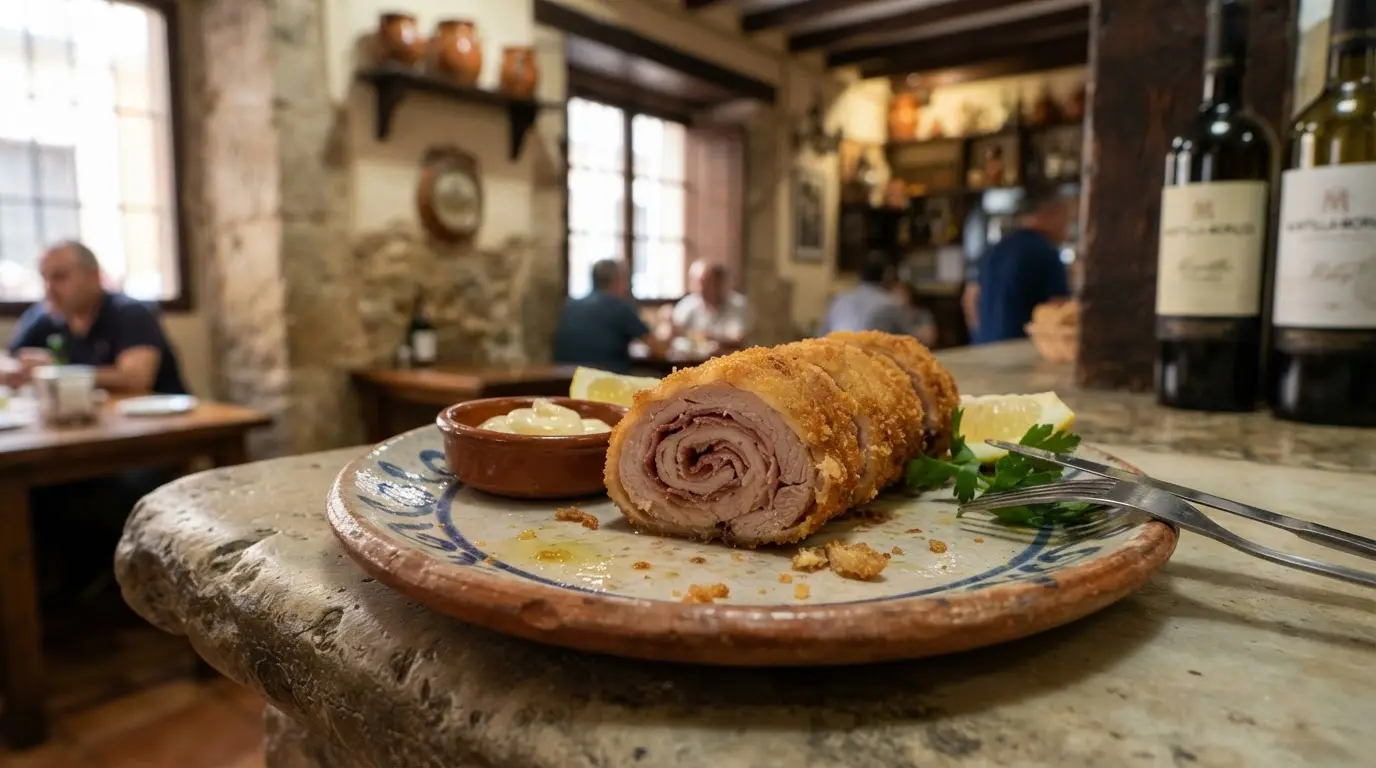
A 1908 Córdoba Ad Offered Flamenquín. Is It the Dish We Eat Now?
Pedro Del Pozo Updated
The word flamenquín appears in a Córdoba newspaper in 1908; the only dated recipe story is Andújar 1939. What the record proves, and why both towns claim it.
Read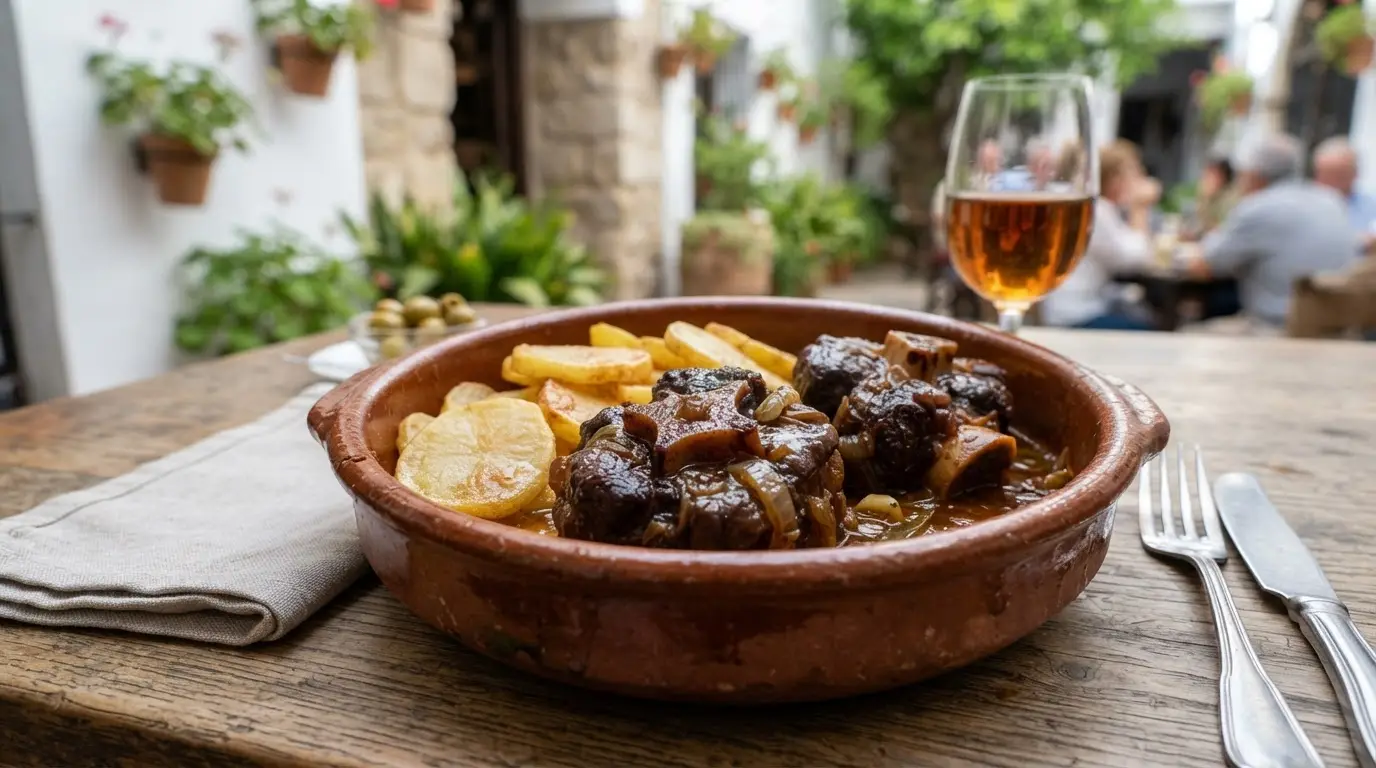
Rabo de Toro: Córdoba's Dish Born at the Bullring
Pedro Del Pozo Updated
Rabo de toro began as offal from Córdoba's bullring, given free to working-class families. How a 19th-century survival food became a €16–24 taberna staple.
Read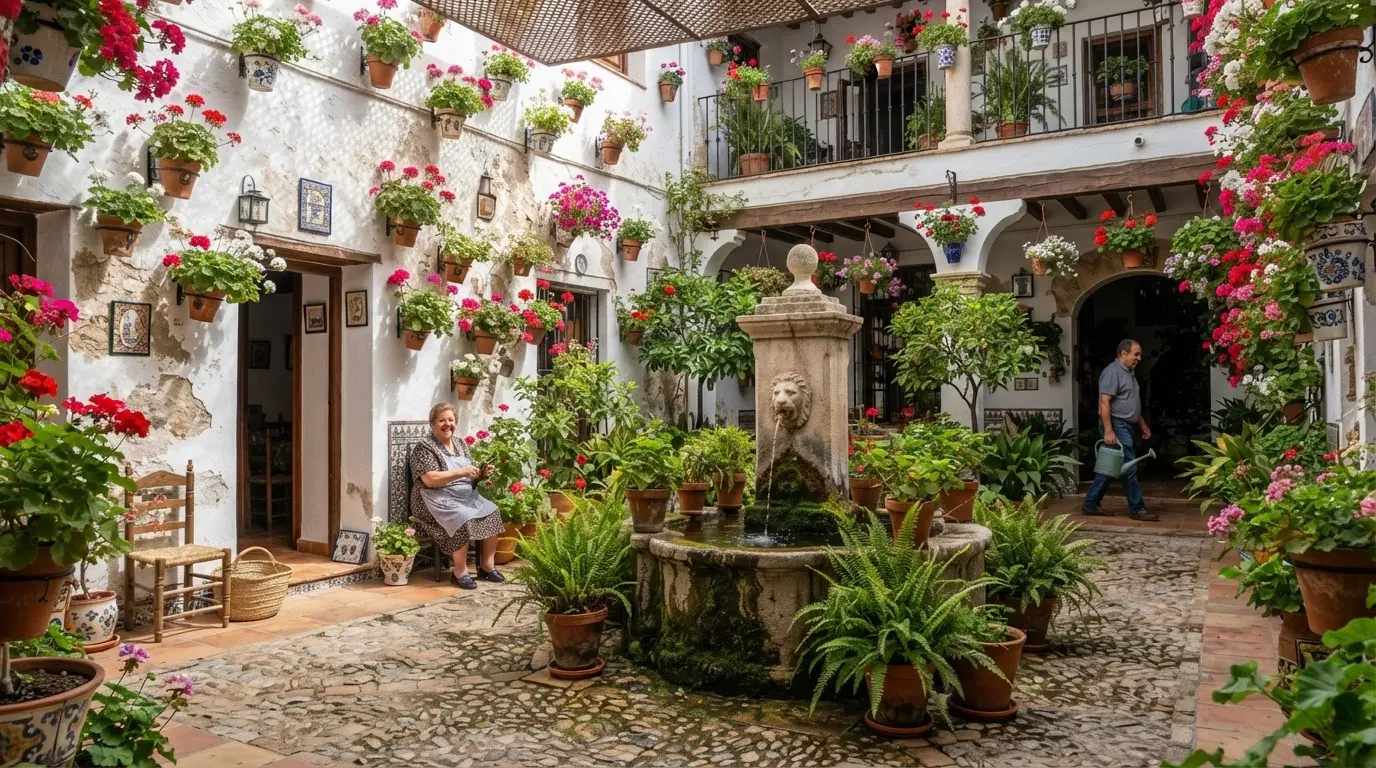
Córdoba's Patios: Why They Exist and Endure
María Fernanda González Updated
Córdoba's patios stay 10–15°C cooler than the street. Two thousand years of Roman, Moorish and Christian engineering explain why, and why they still work.
Read