Articles
Stories, history, and planning essays from Córdoba (Page 8)
Long-form editorial pieces written by resident correspondents: cultural deep-dives, food traditions, and practical planning essays for visiting the city.
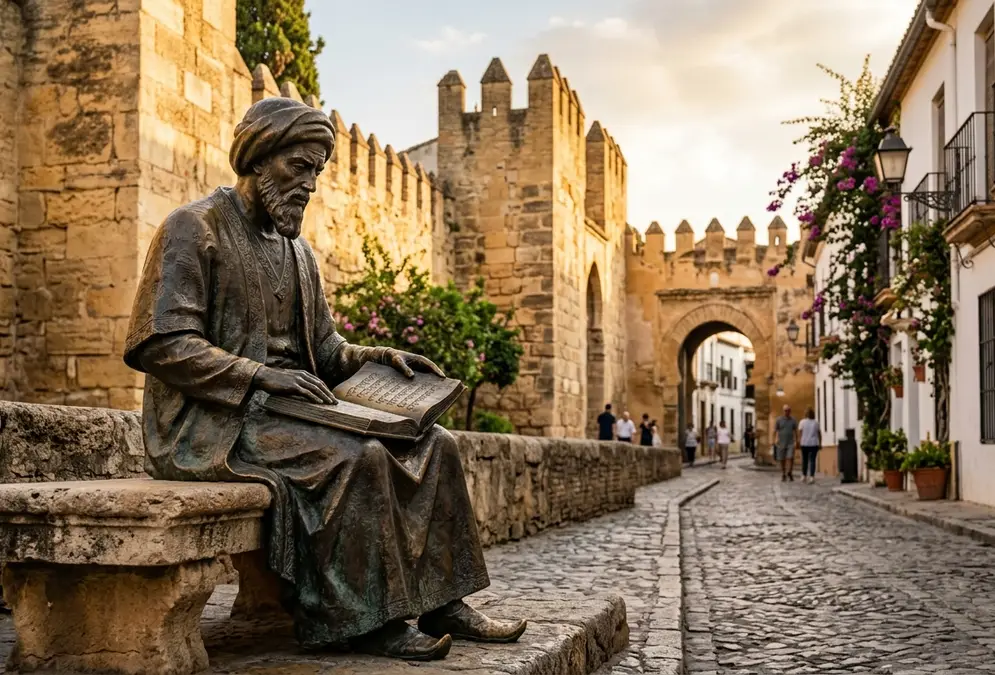
Averroes: Córdoba's Philosopher Who Saved Aristotle
Sophie Marchand Updated
Born in Córdoba in 1126, Averroes wrote the commentaries that returned Aristotle to Christian Europe. Thomas Aquinas read him. Paris called him the Commentator.
Read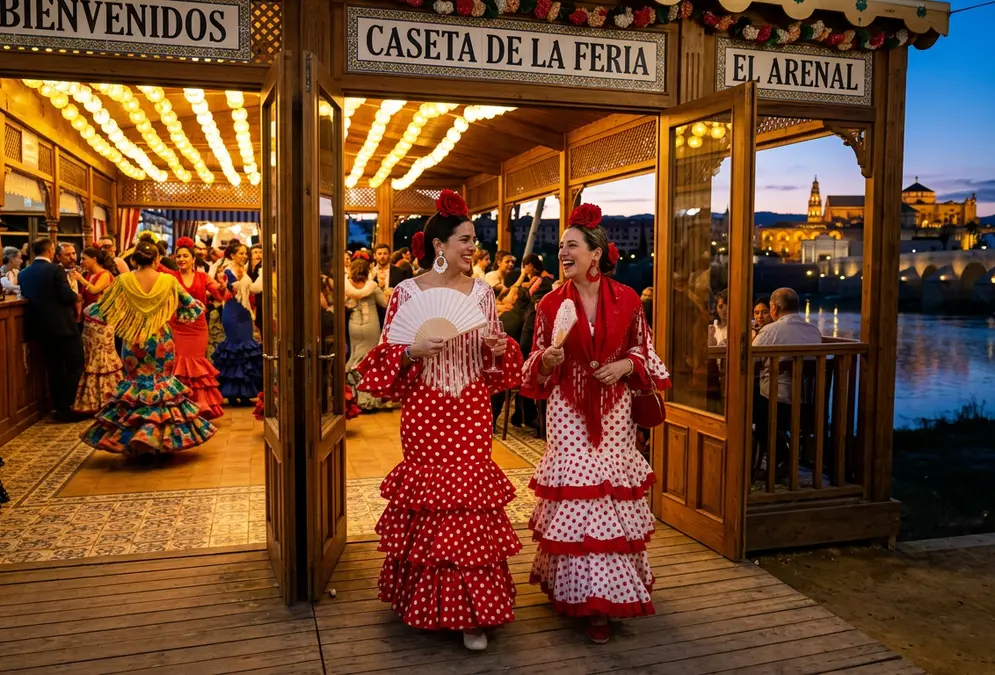
Feria Córdoba vs Seville: The Real Differences
Sophie Marchand Updated
Córdoba's casetas need no invitation; Seville's 1,000+ are mostly private. Founded in 1284 vs 1847 — see how the two ferias compare, and why it matters.
Read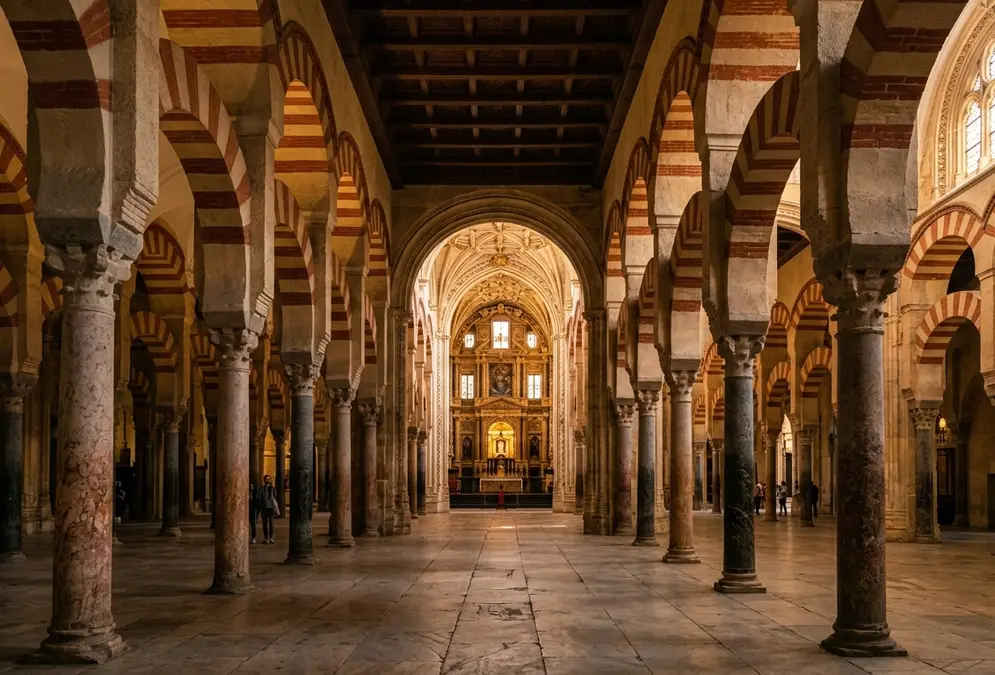
Is the Mezquita a Mosque or Cathedral?
Sophie Marchand Updated
UNESCO's official designation is 'Historic Centre of Cordoba,' covering the Mezquita-Catedral: mosque since 785, cathedral since 1236, Church-owned since 2006.
Read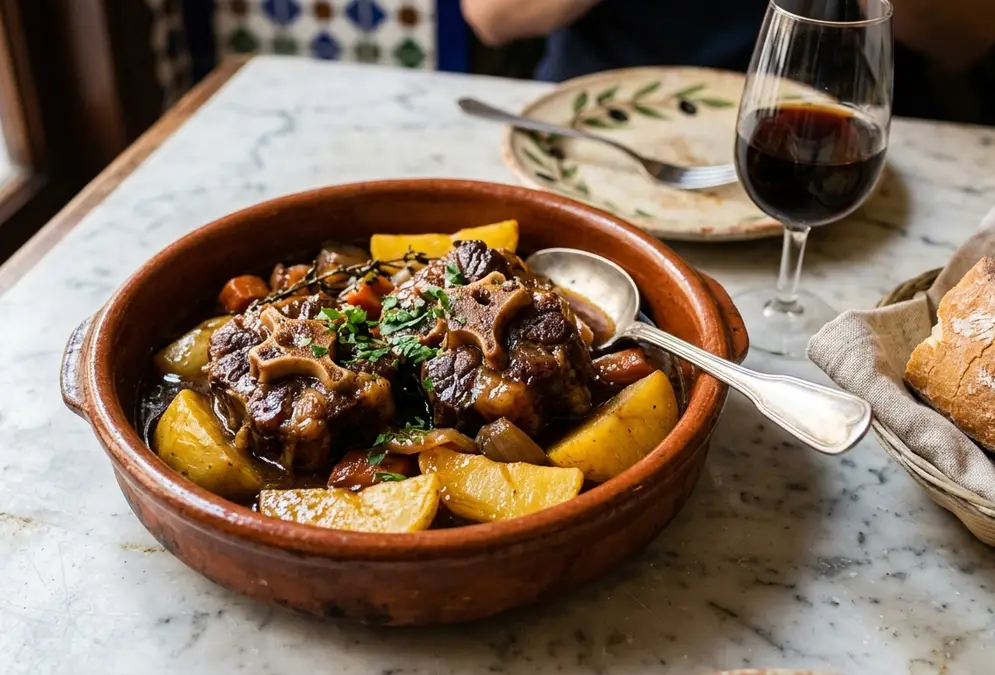
Rabo de Toro: Córdoba's Dish Born at the Bullring
Pedro Del Pozo Updated
Rabo de toro began as offal from Córdoba's bullring, given free to working-class families. How a 19th-century survival food became a €16–24 taberna staple.
Read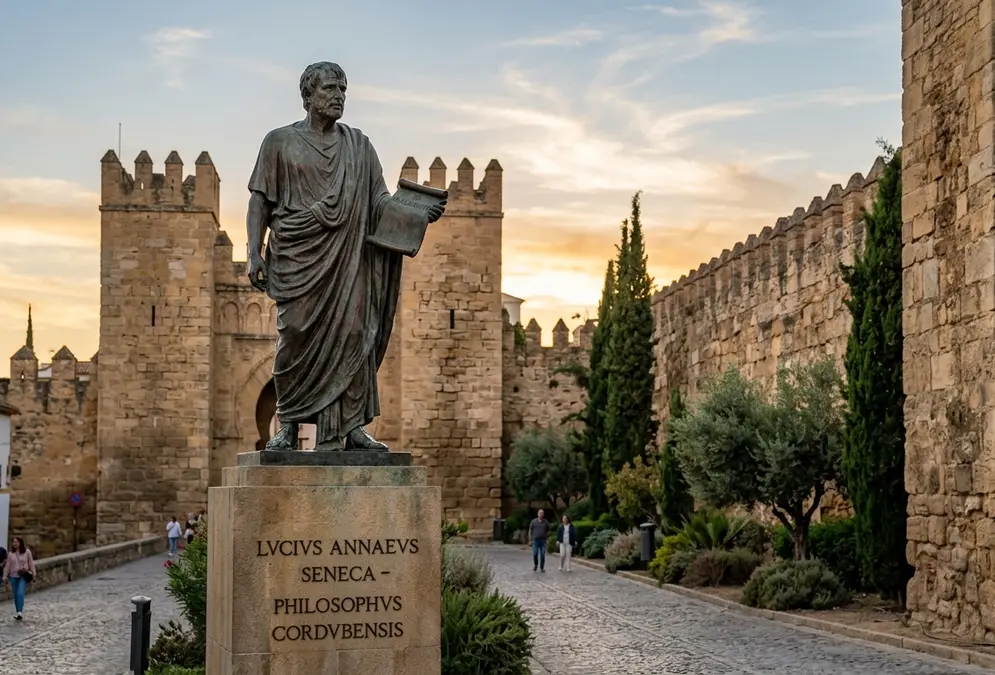
Seneca: Born in Córdoba, Philosopher to an Empire
María Fernanda González Updated
Born in Roman Córdoba around 4 BCE, Seneca became Nero's tutor, wrote 124 Moral Letters that shaped the essay form, and died in 65 CE by opening his veins.
Read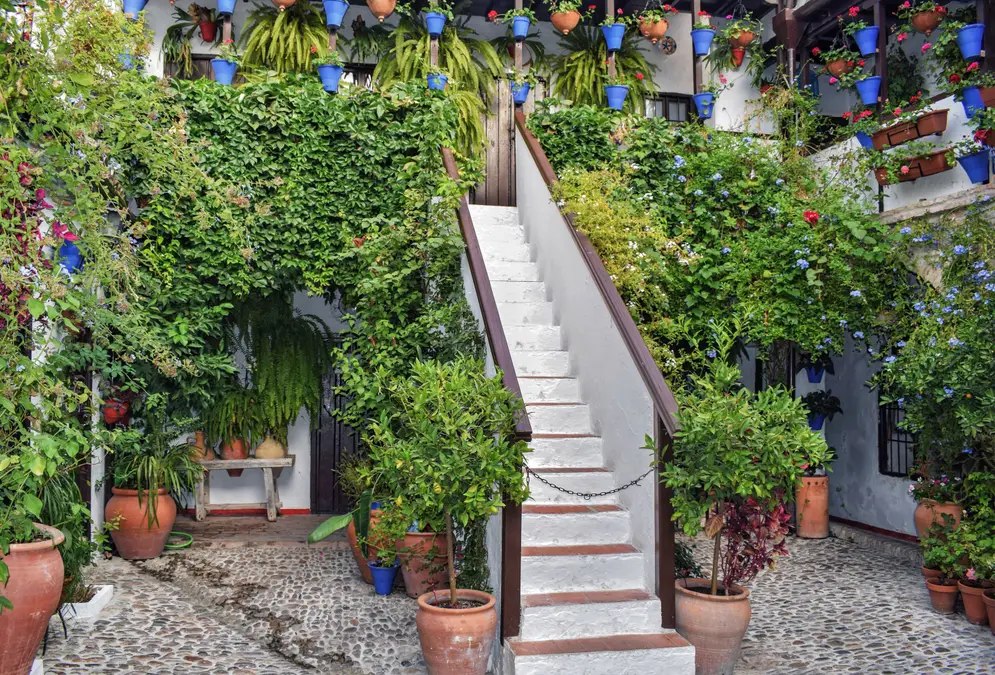
Córdoba's Patios: Why They Exist and Endure
María Fernanda González Updated
Córdoba's patios stay 10–15°C cooler than the street. Two thousand years of Roman, Moorish and Christian engineering explain why, and why they still work.
Read