Articles
Stories, history, and planning essays from Córdoba (Page 7)
Long-form editorial pieces written by resident correspondents: cultural deep-dives, food traditions, and practical planning essays for visiting the city.
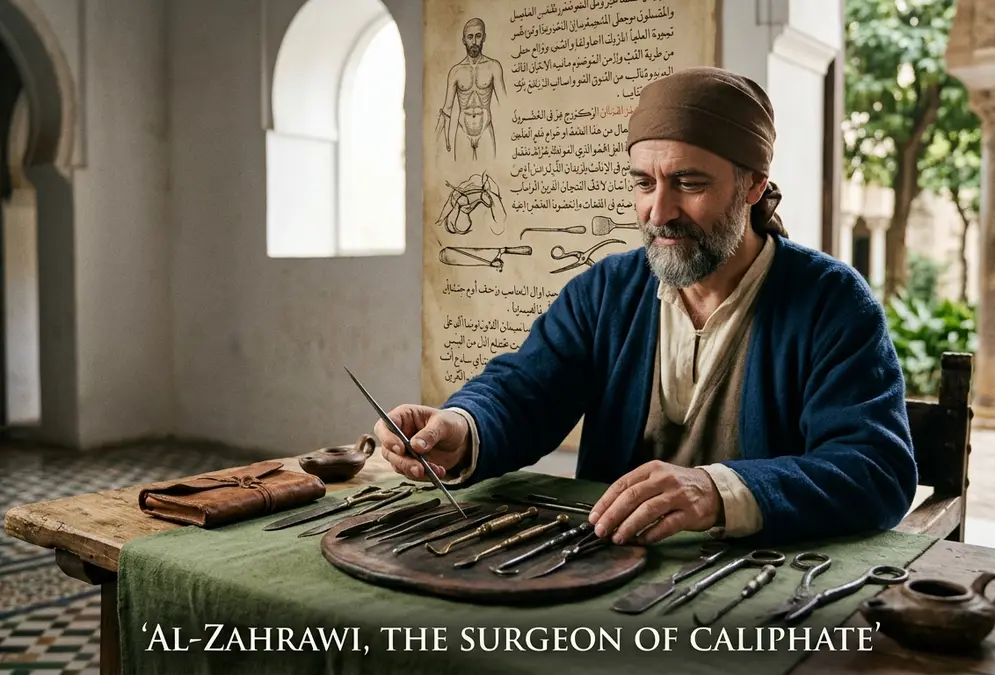
Al-Zahrawi Córdoba: the surgeon who invented the scalpel
Sophie Marchand Updated
Al-Zahrawi, the father of modern surgery, was born near Córdoba in 936 CE. He invented the scalpel and catgut sutures, and shaped surgery for 500 years.
Read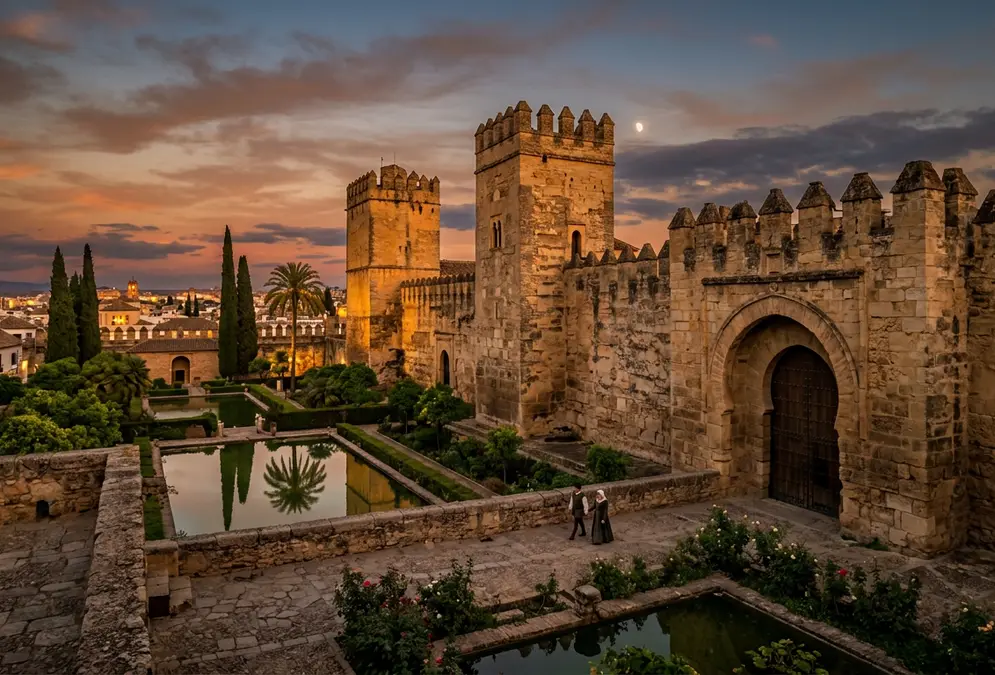
Inquisitor Lucero El Tenebroso: Córdoba's Feared Judge
Sophie Marchand Updated
Lucero El Tenebroso jailed 400+ people and staged Córdoba's largest auto-da-fé in 1504 — one of few Spanish inquisitors formally removed for abuse of authority.
Read
Spain Travel Statistics 2026: Arrivals, Spending & Trends
María Fernanda González Updated
Spain welcomed a record 96.8M tourists in 2025. See full 2026 travel statistics: arrivals, spending, top regions, source markets, and wellness trends.
Read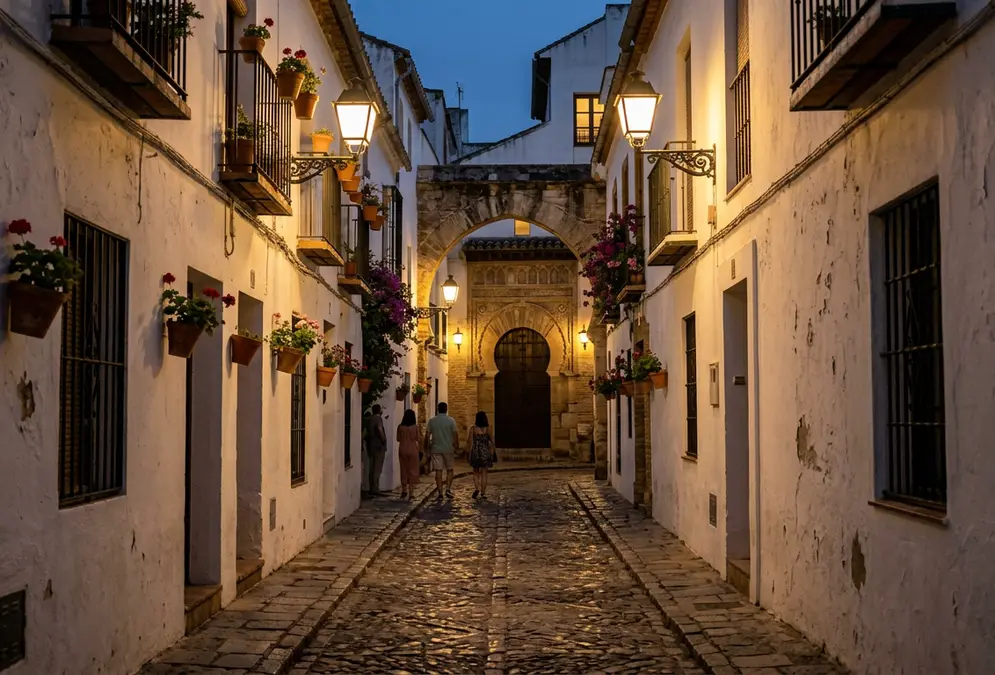
The 1391 Pogrom That Emptied Córdoba's Judería
Sophie Marchand Updated
In summer 1391, pogroms swept Córdoba's Jewish quarter. Forced conversions created the converso class and set the preconditions for the 1492 expulsion.
Read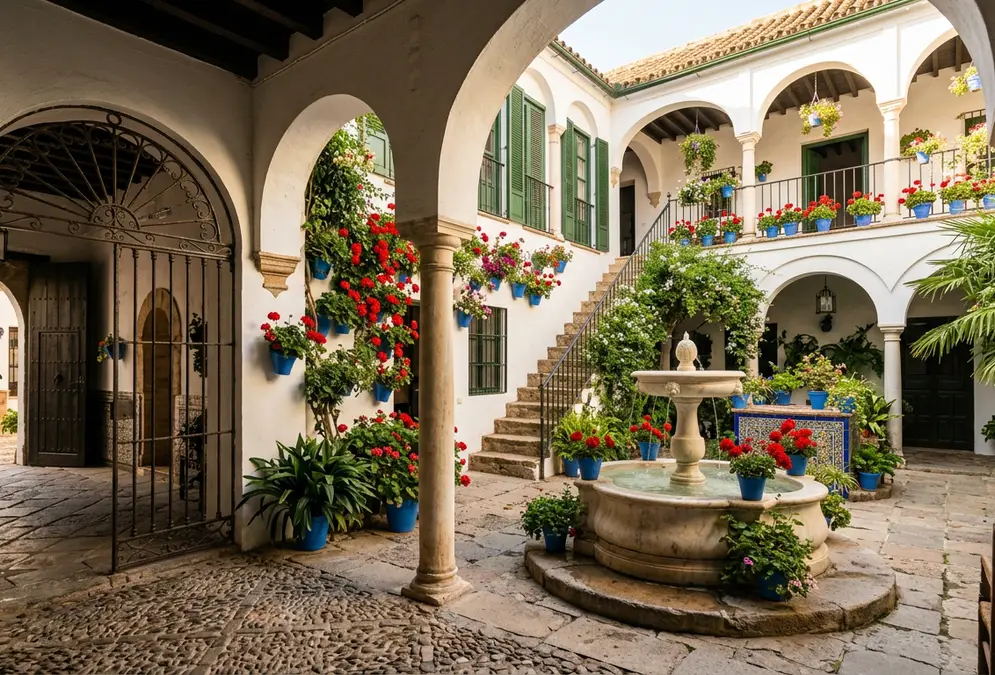
Palacio de Viana's Twelve Patios: A 500-Year Story
María Fernanda González Updated
The Palacio de Viana's twelve patios weren't planned: they accumulated across 500 years and 18 aristocratic owners. How each era shaped a new courtyard.
Read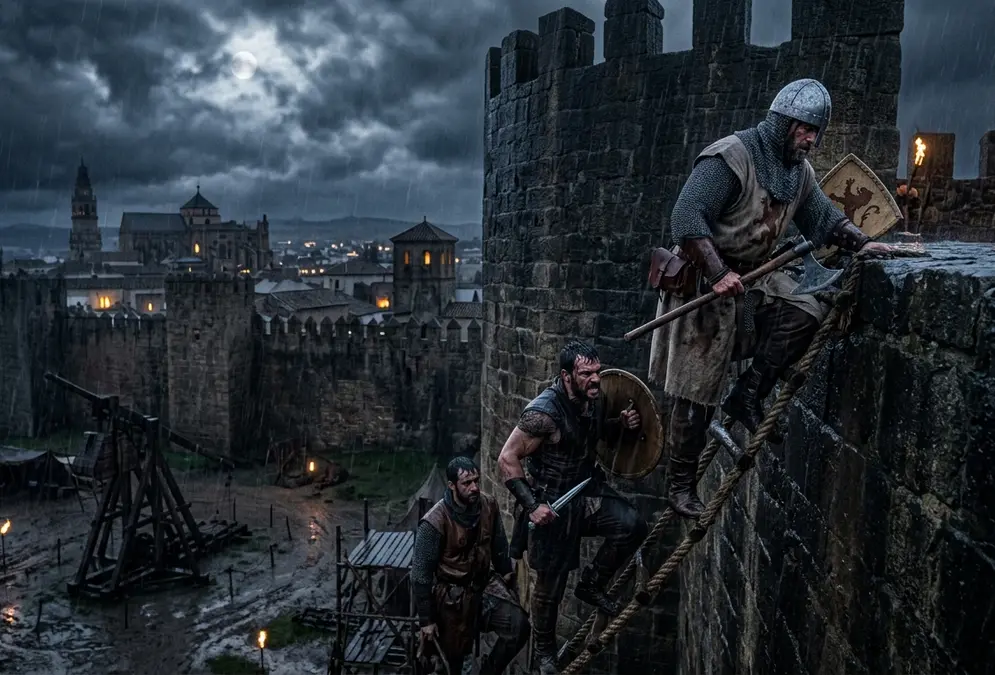
The 1236 Siege of Córdoba: The Night the City Fell
Sophie Marchand Updated
The Siege of Córdoba lasted five months in 1236: an unauthorized almogávar raid opened it, Ferdinand III arrived February 7, and the city surrendered June 29.
Read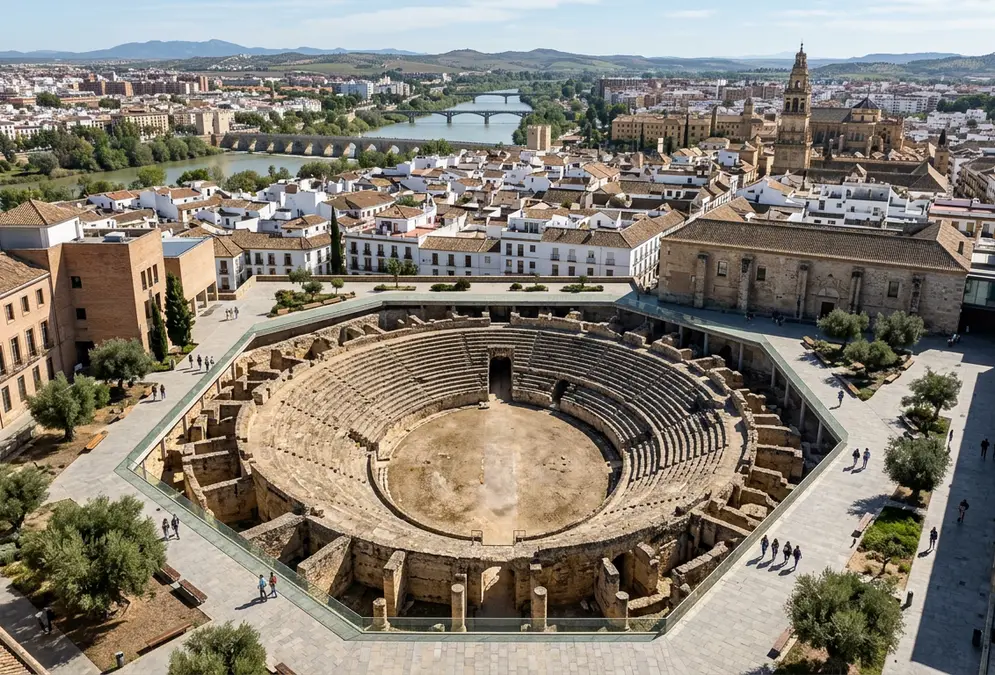
Roman Amphitheatre Córdoba: The Lost Colosseum
María Fernanda González Updated
Córdoba's Roman amphitheatre was discovered in 2002 beneath the university building. At 178m, third-largest in the empire, and still not open to the public.
Read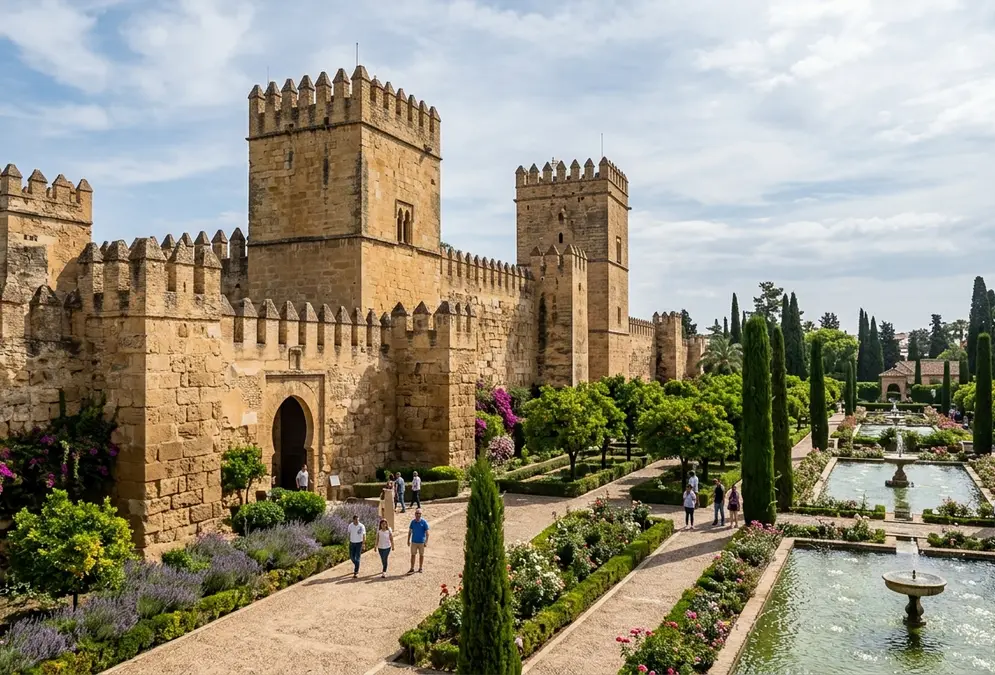
Córdoba's Alcázar as Inquisition HQ — 339 Years of Dark History
Sophie Marchand Updated
The Alcázar de los Reyes Cristianos was headquarters of the alcazar cordoba inquisition for 339 years. What happened inside, and what remains visible today.
Read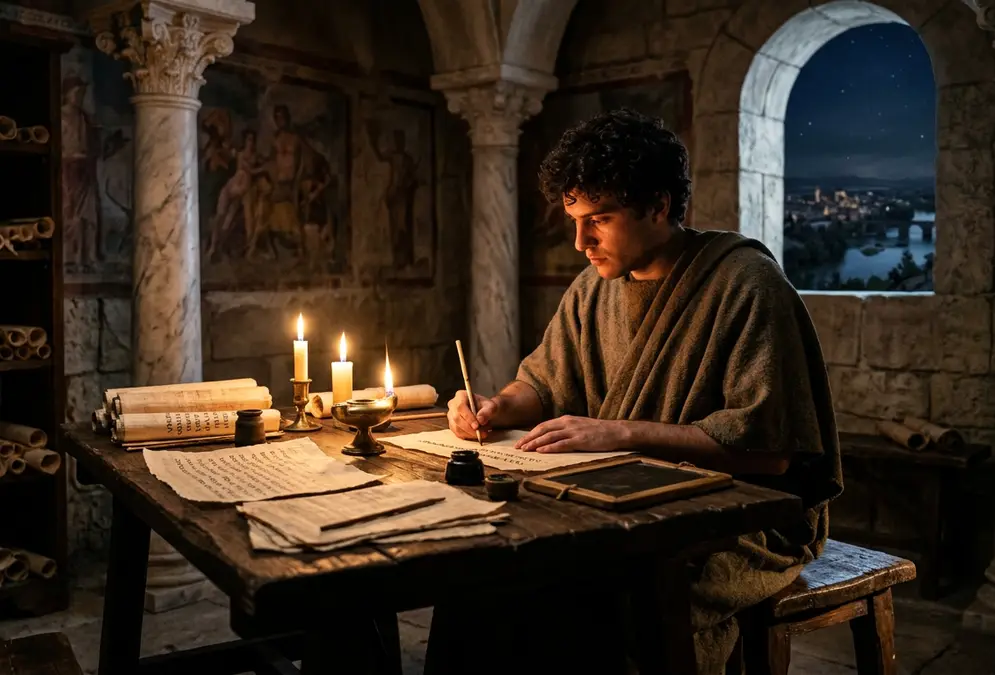
Lucan — The Poet Who Challenged Nero and Lost
Sophie Marchand Updated
Born in Córdoba in 39 AD, Lucan wrote Rome's most defiant epic against a reigning emperor and was forced to die at 25. Complete story of lucan poet cordoba.
Read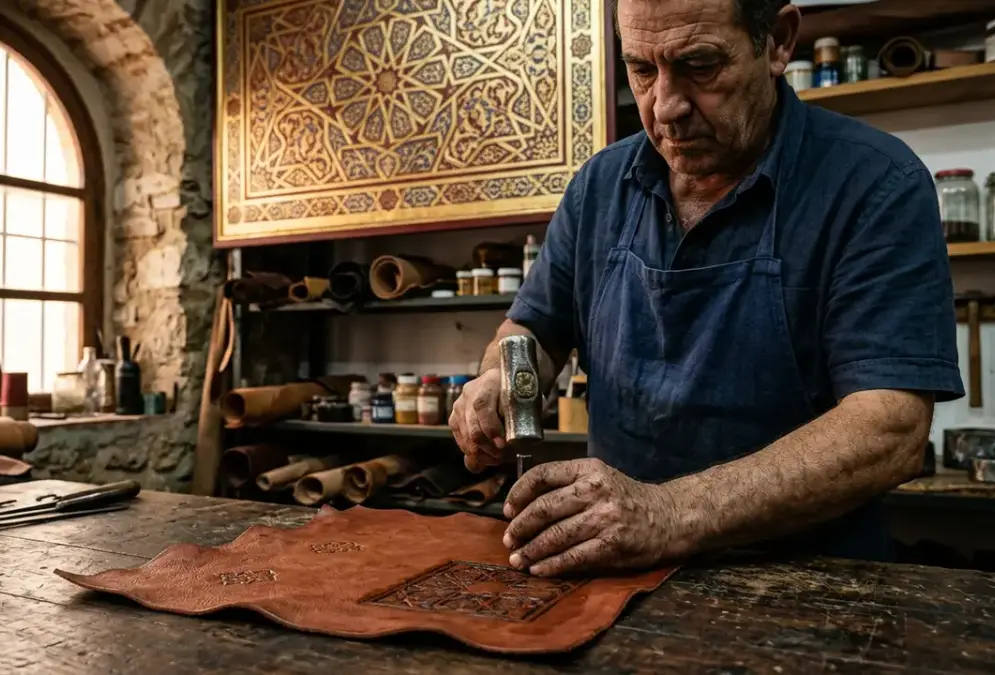
Cordobán Leather: The Craft That Named the English Cordwainer
Sophie Marchand Updated
Córdoba gave English its word for shoemaker. How medieval goatskin tanned with sumac became Europe's finest leather and named a London guild still active today.
Read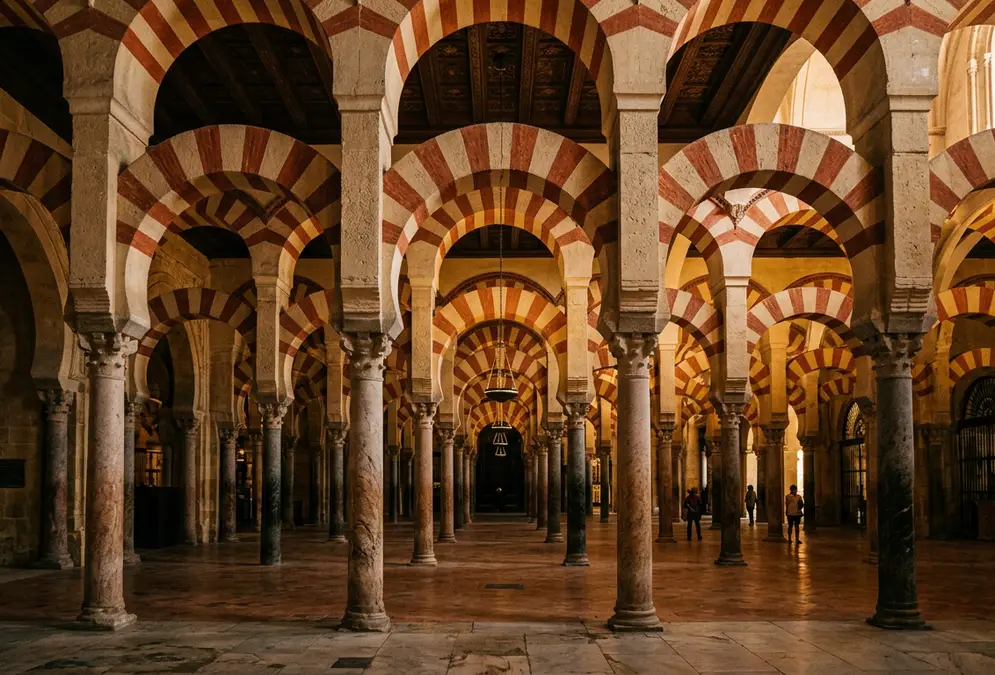
Abd al-Rahman III: The Morning Córdoba Became a Caliphate
Sophie Marchand Updated
Abd al-Rahman III was the first Caliph of Córdoba, declared on January 16, 929, ruling a city of up to 500,000 people and building Medina Azahara in 936.
Read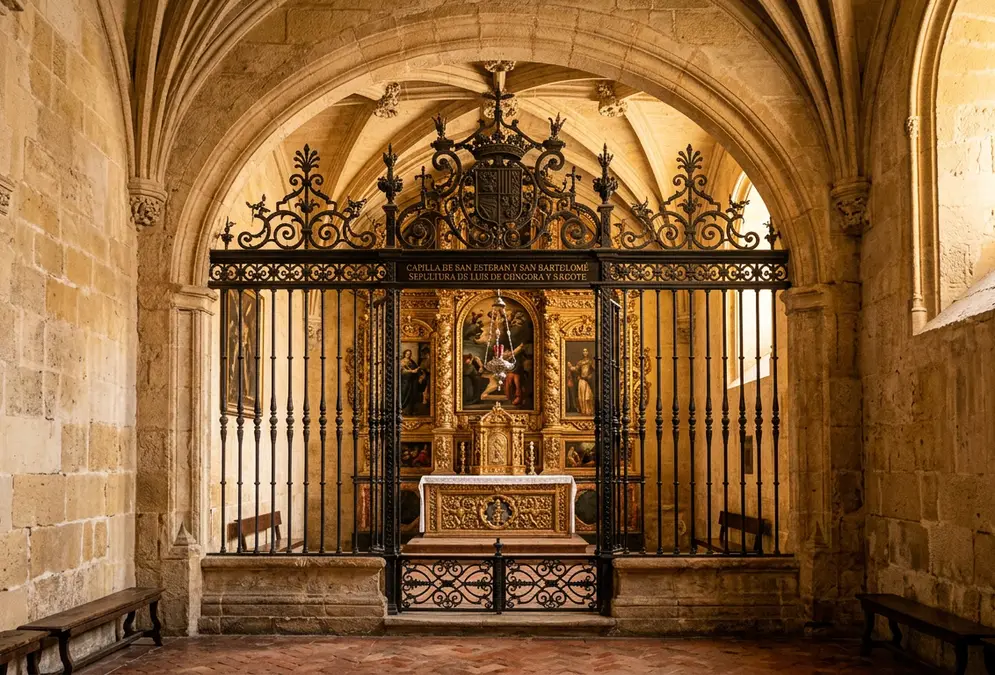
Luis de Góngora: The Poet Buried Inside the Mezquita
María Fernanda González Updated
Luis de Góngora, born in Córdoba in 1561, invented a style of poetry so difficult it scandalized Spain. His tomb is inside the Mezquita, behind an iron grille.
Read