Articles
Stories, history, and planning essays from Córdoba (Page 9)
Long-form editorial pieces written by resident correspondents: cultural deep-dives, food traditions, and practical planning essays for visiting the city.
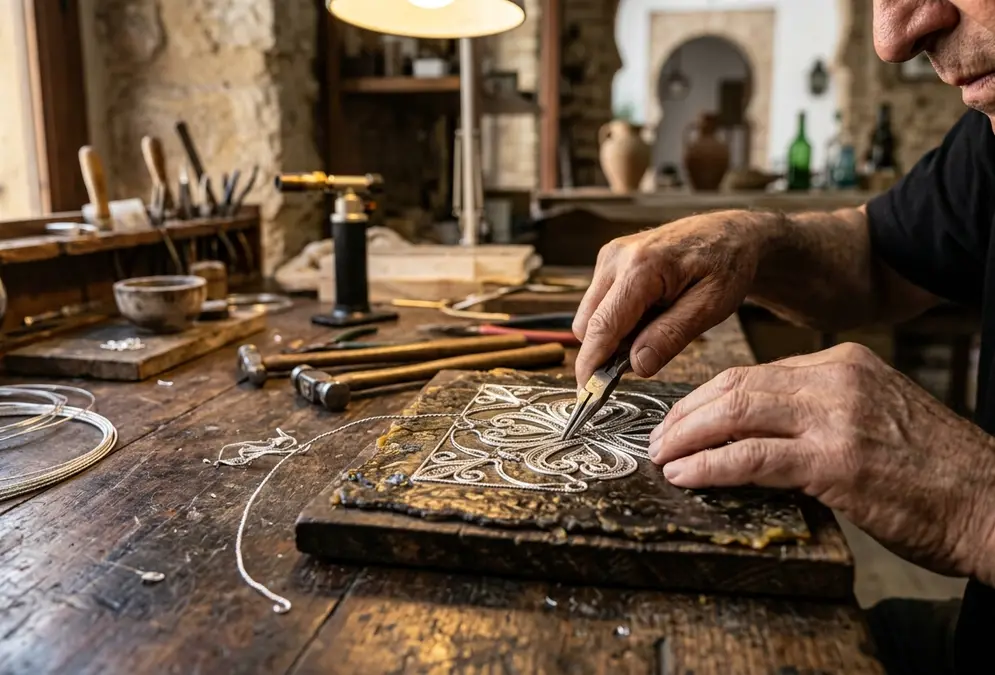
The Silver Filigree of Córdoba: A Thousand Caliphal Threads
Sophie Marchand Updated
Silver filigree Córdoba: the Umayyad craft of the Judería, nearly lost, then carried to Colombia. History, technique, and where to buy authentic pieces today.
Read
Gran Capitán: Córdoba's General Who Invented Modern War
María Fernanda González Updated
Gran Capitán, born near Córdoba in 1453, negotiated Granada's surrender and won the first battle ever decided by firearms. Córdoba built him no statue.
Read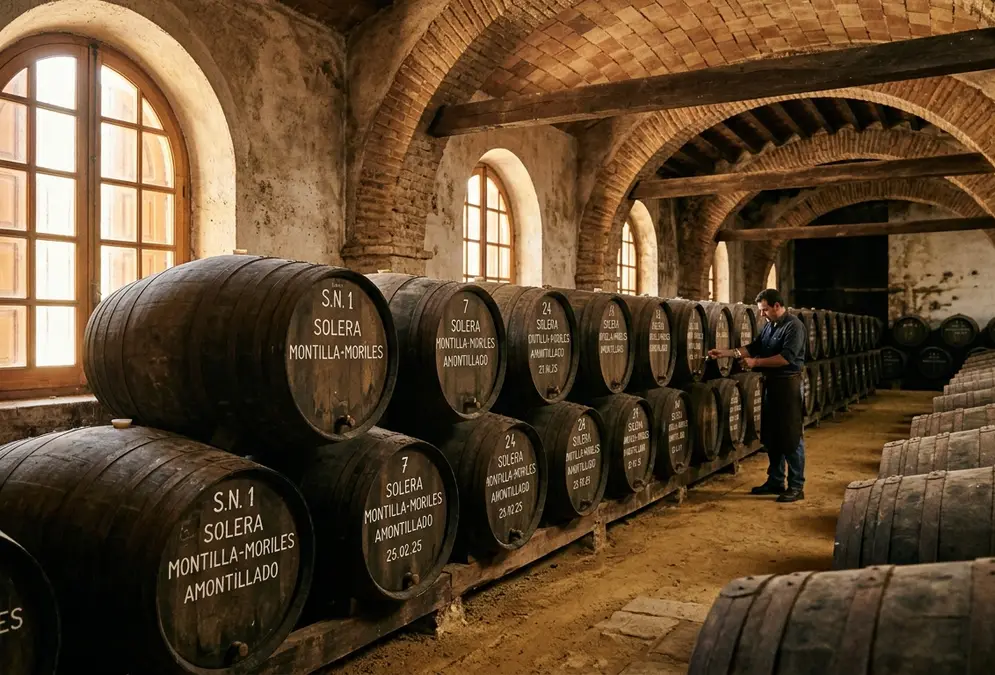
Montilla-Moriles: The Wine That Named a Poe Story
Pedro Del Pozo Updated
Montilla-Moriles wine invented amontillado but can't legally use the name. The full story: the etymology, Poe's 1846 tale, and where to taste it in Córdoba.
Read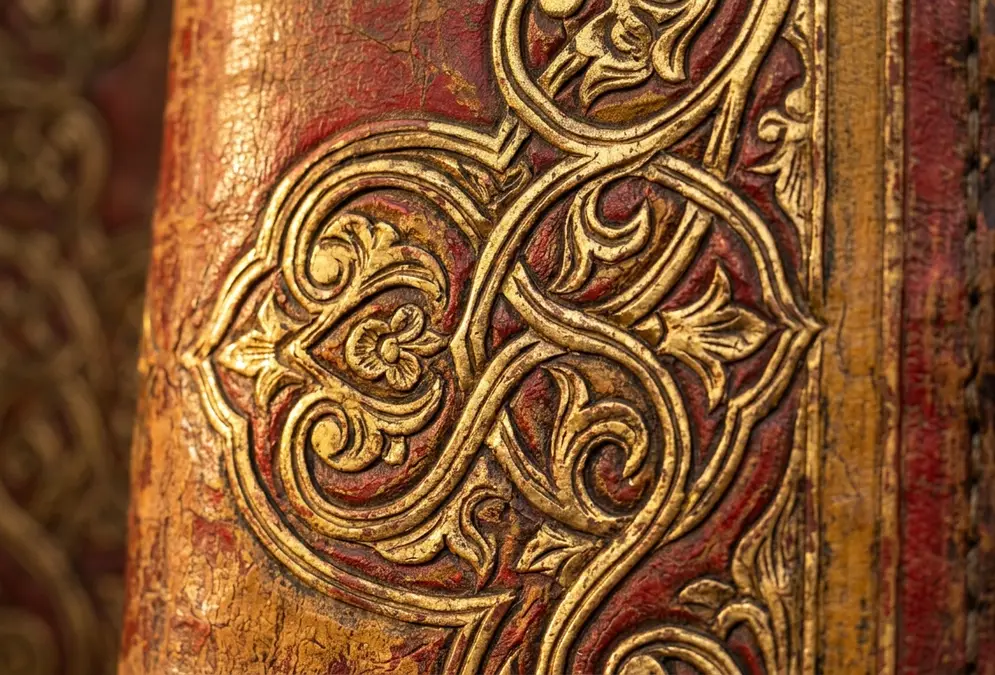
Guadamecí: The Leather That Furnished Royal Courts
Sophie Marchand Updated
Guadamecí leather Córdoba: gilded sheepskin panels that furnished European palaces. History, technique, revival, and where to see it in the Judería today.
Read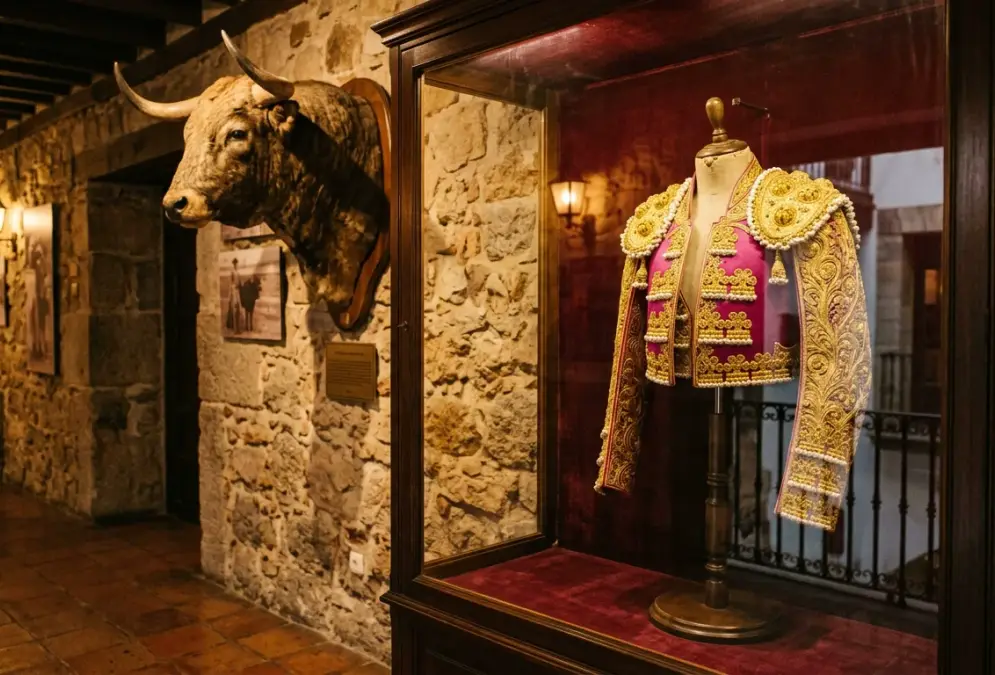
Manolete: Córdoba's Last Sad God of the Ring
Sophie Marchand Updated
Manolete of Córdoba was born in Santa Marina in 1917 and died at 30, gored by a Miura bull. Spain mourned for three days. Islero's head is still in the museum.
Read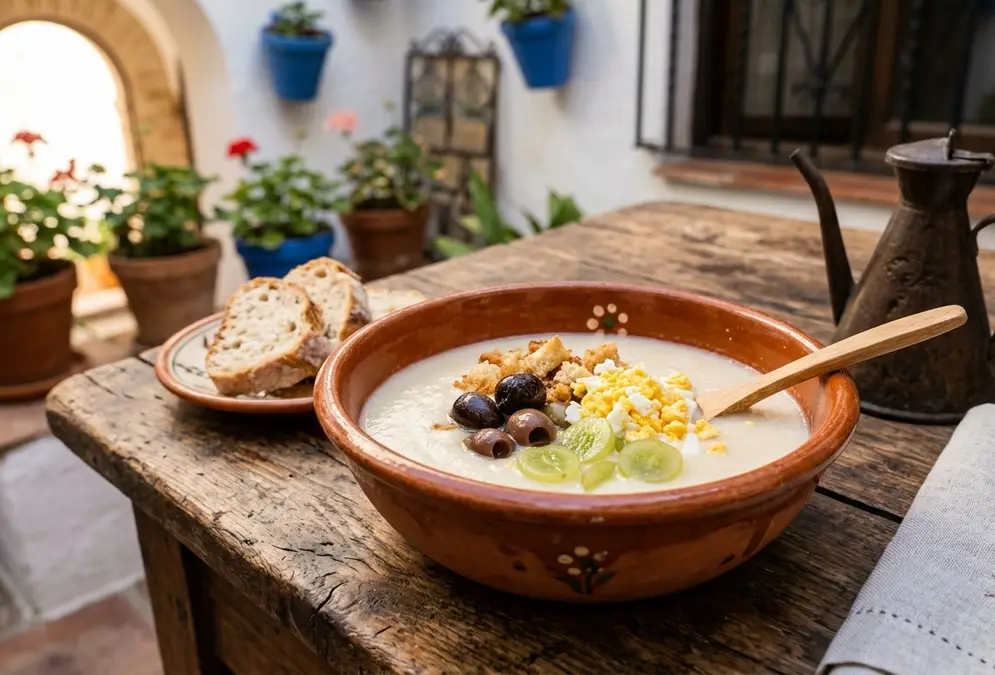
Mazamorra Cordobesa — The Ancient White Soup Before Salmorejo
Pedro Del Pozo Updated
Mazamorra cordobesa predates salmorejo by eight centuries. Bread, almonds, garlic, olive oil: Córdoba's ancient cold soup, eaten before tomatoes ever arrived.
Read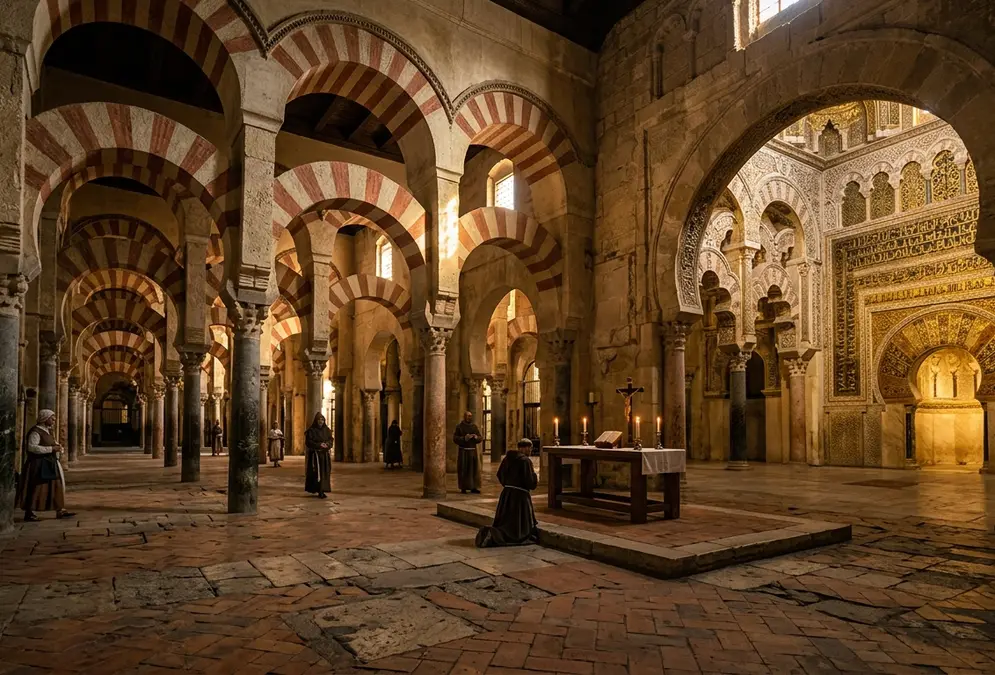
Mezquita Conversion 1236: What the Reconquista Actually Did
Sophie Marchand Updated
In 1236, Ferdinand III captured Córdoba and converted the Great Mosque into a cathedral, left untouched for three centuries until Charles V's architects.
Read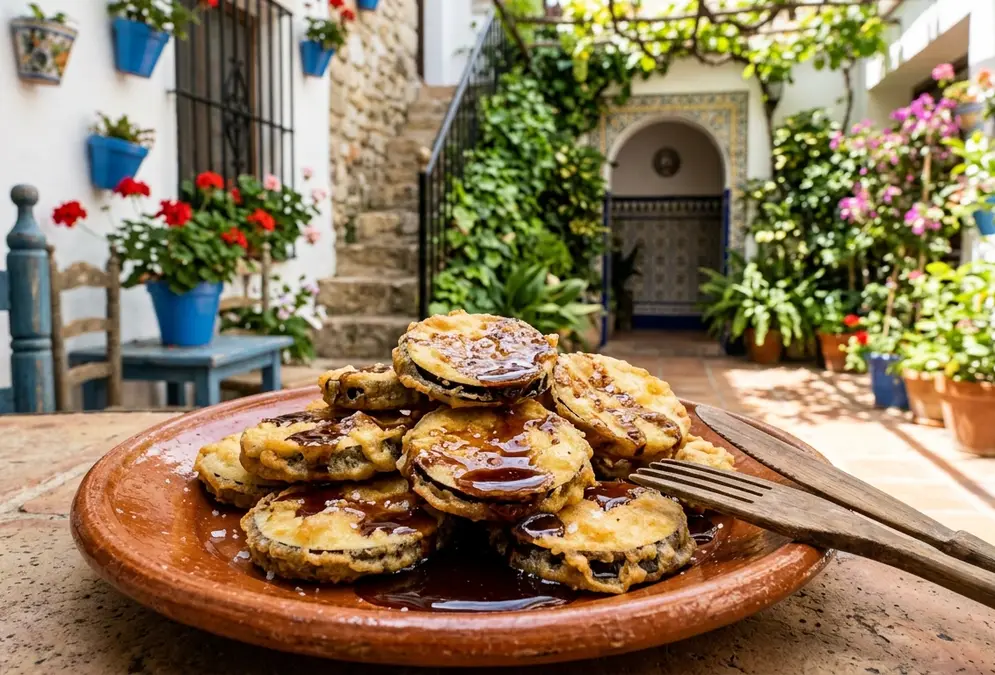
Berenjenas con Miel — Moorish Roots of Córdoba's Sweetest Tapa
Pedro Del Pozo Updated
The Moorish origin of berenjenas con miel traces to 8th-century Al-Andalus, where fried aubergines and honey defined sweet-savoury cooking in Córdoba.
Read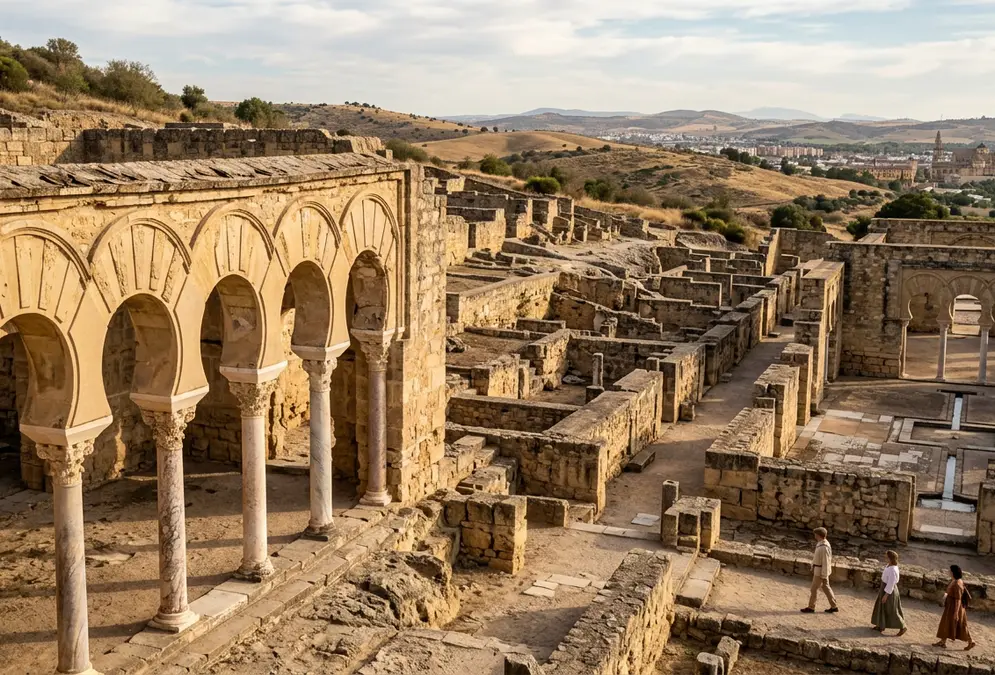
Al-Hakam II's Library — 400,000 Books That Vanished
Sophie Marchand Updated
Al-Hakam II's library at Madinat al-Zahra, now a UNESCO World Heritage site, held 400,000 manuscripts in the 960s. Almanzor burned the philosophy books.
Read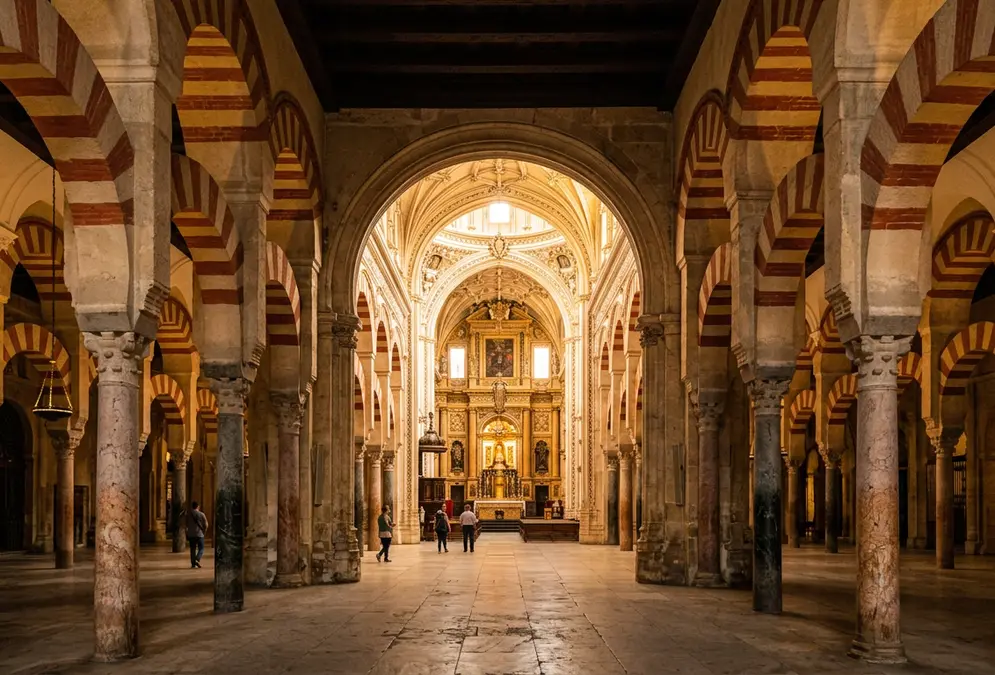
Convivencia: The Story Córdoba Tells About Itself
Sophie Marchand Updated
Convivencia, the interfaith harmony idea tied to medieval Córdoba, was coined in 1948. What the actual history shows is more complex and more interesting.
Read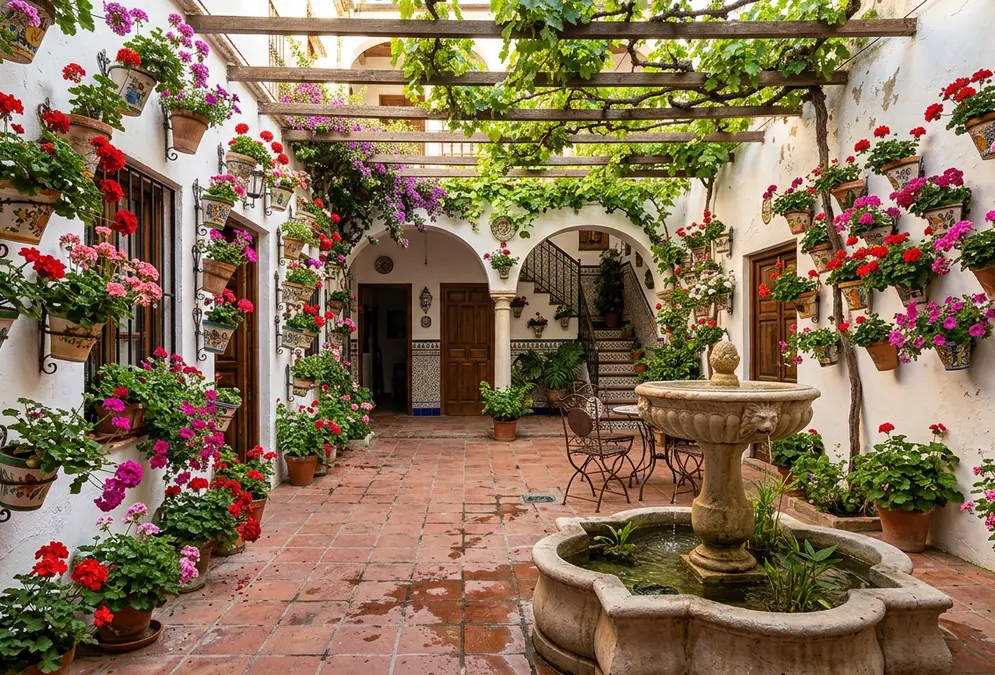
Why Córdoba's Patios Open for Only 12 Days a Year
María Fernanda González Updated
Córdoba's patios are private homes, not museums. Six reasons explain the short window — about two weeks, UNESCO's 'twelve days' — all residents can offer.
Read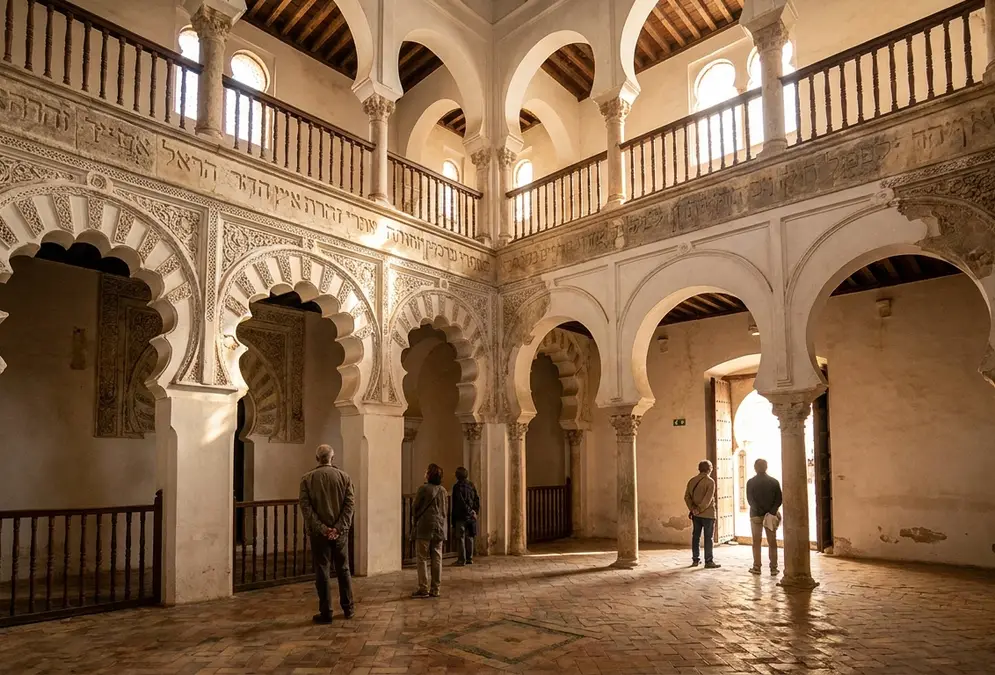
The Córdoba Synagogue's Five Lives Since 1315
Sophie Marchand Updated
Built in 1315 as a private yeshiva, the Córdoba Synagogue survived pogroms, became a rabies hospital, then a cobblers' chapel, before rediscovery in 1885.
Read