Articles · Umayyad Emirate
Córdoba Under the Umayyad Emirate
From governors' seat to independent emirate, with the first stones of the Mezquita.
These articles follow Córdoba as an independent emirate: its rulers, their revolts and building projects, and the earliest stages of the Mezquita. A good starting point before the better-known caliphal centuries.
14 articles · 711–929
Articles on Umayyad Emirate

Ibn Masarra: Córdoba's Mountain Mystic and Burnt Books
Sophie Marchand
Ibn Masarra (883–931) withdrew from Córdoba to the Sierra, taught reason and revelation, and had his books burnt after death. Mystic or philosopher? Debated.
Read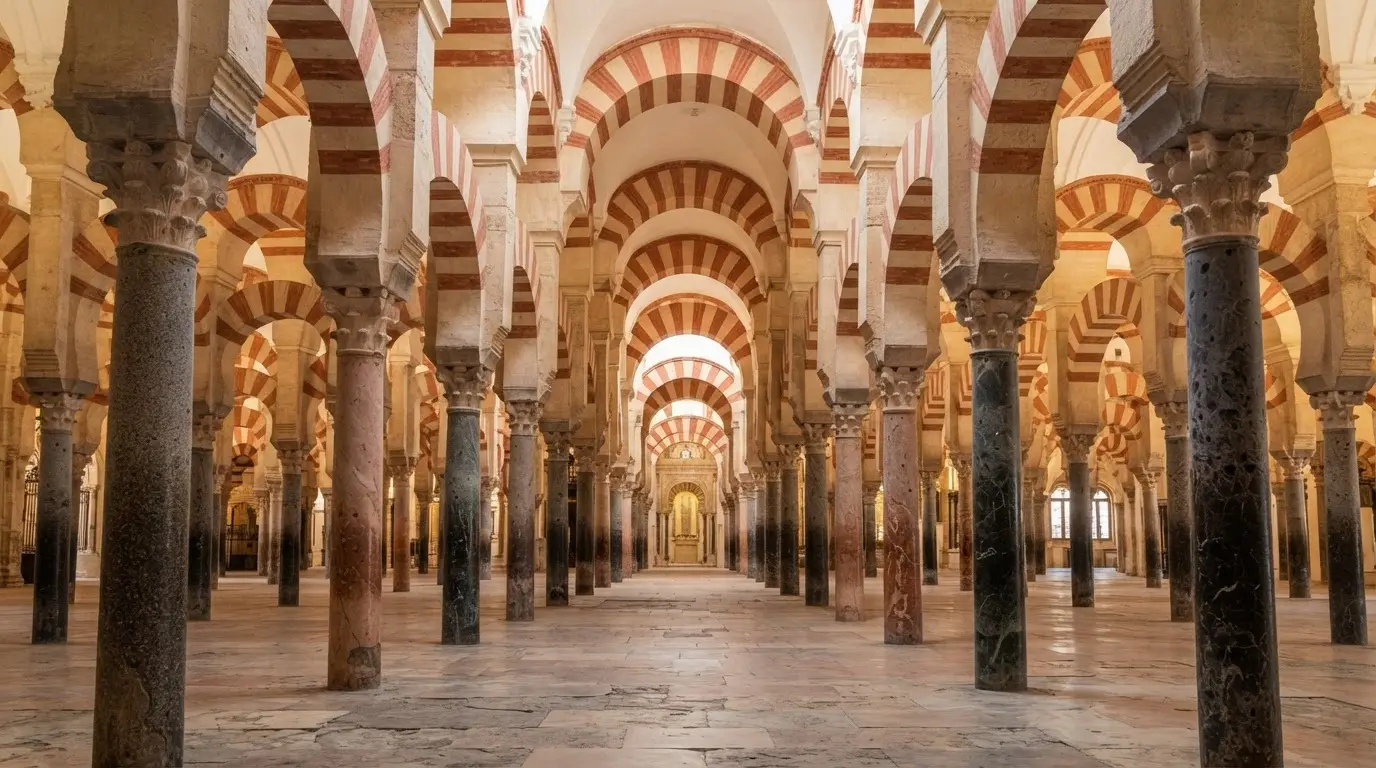
The Mezquita's Columns Don't Match: They Were Never Meant To
Sophie Marchand Updated
The Mezquita's forest of roughly 850 columns looks uniform but isn't. Builders reused Roman and Visigothic spolia; new capitals came later. Where to look.
Read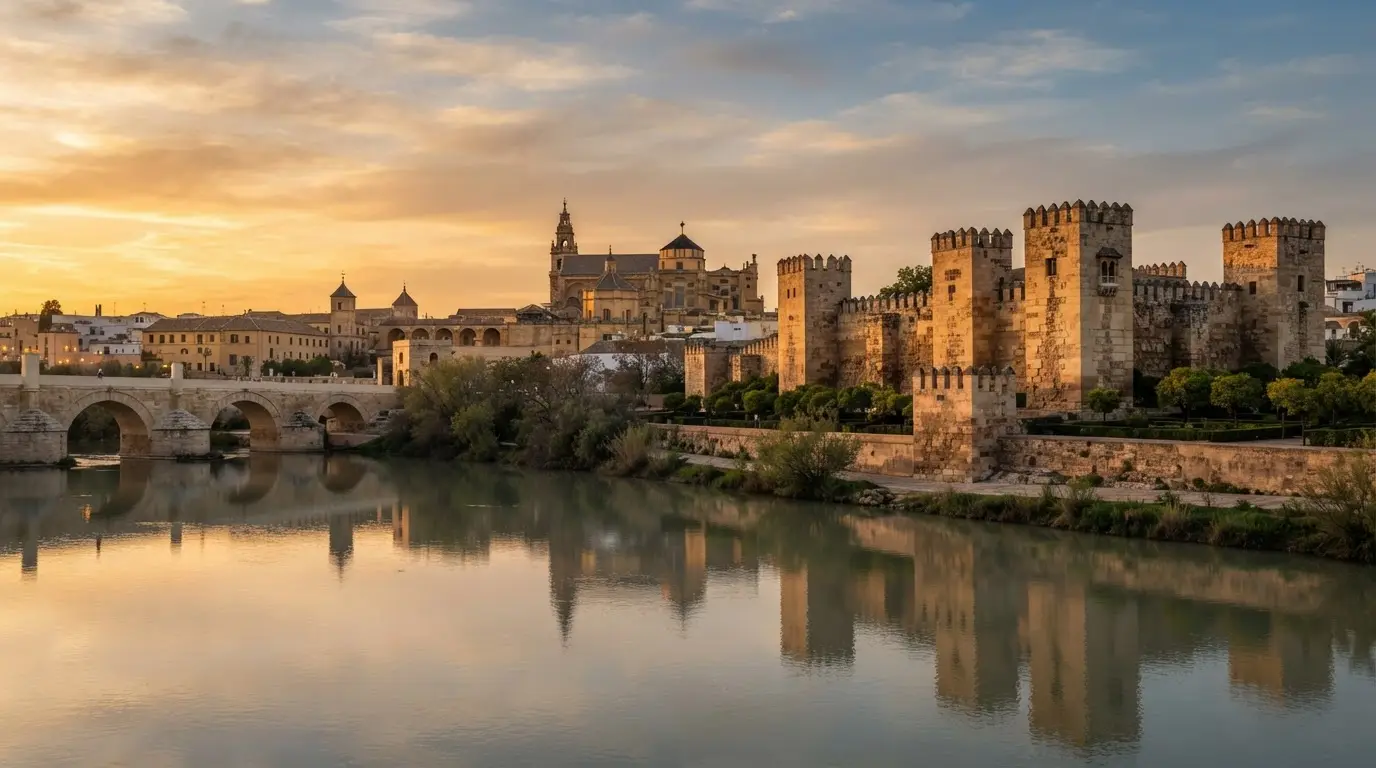
Alcazar of the Caliphs Cordoba: The Palace Beside the Mezquita
Sophie Marchand
The Umayyad Alcázar stood beside Córdoba's Mezquita long before Medina Azahara. Here is how it vanished and how to trace its old footprint on foot today.
Read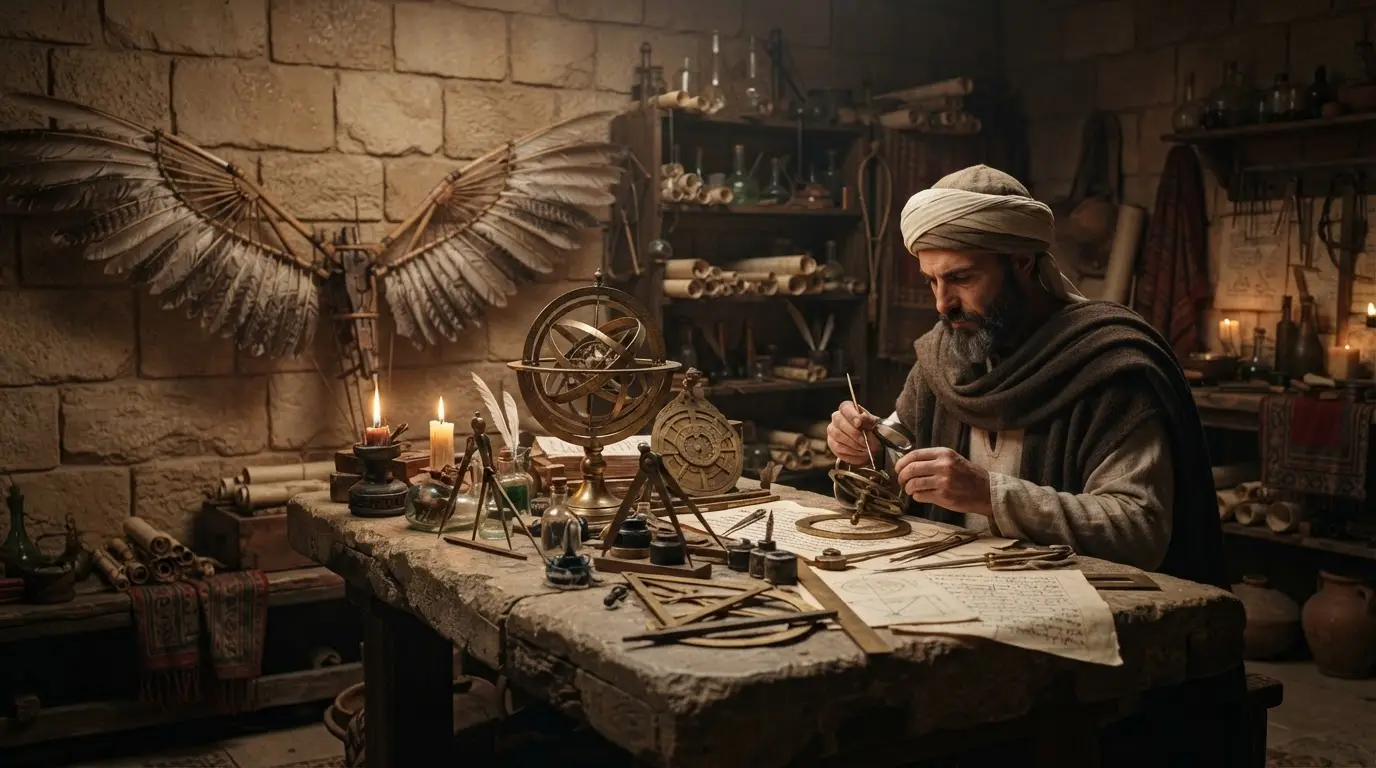
Abbas Ibn Firnas: Córdoba's Polymath Who Dreamed of Flight
Sophie Marchand Updated
Abbas Ibn Firnás was a Córdoba court polymath who cut rock crystal, built a water clock and a weather room. His flight is tradition, not fact. Sources are late.
Read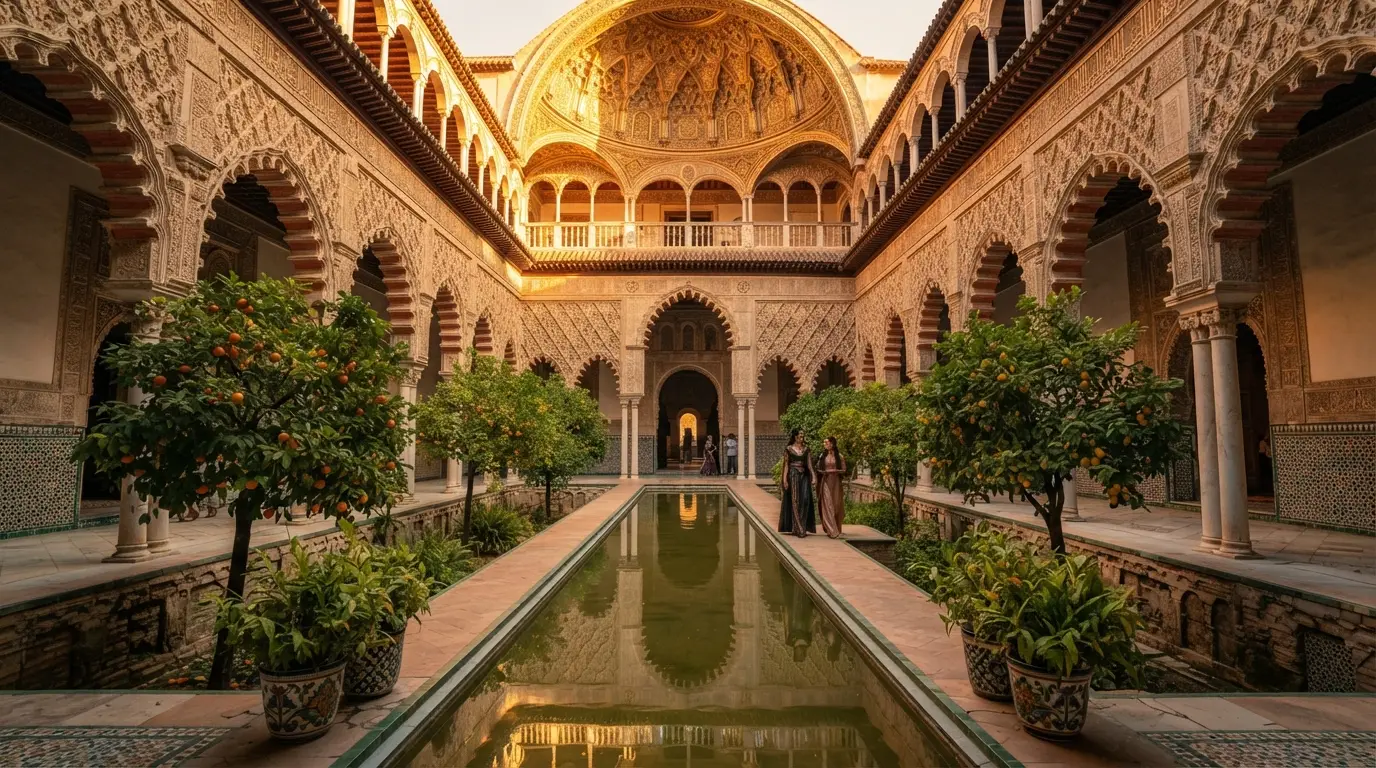
Game of Thrones' Dorne: Córdoba's Real Architecture
María Fernanda González Updated
HBO's Game of Thrones built Dorne's look from medieval Córdoba's Umayyad architecture: horseshoe arches, muqarnas domes, though filming happened in Seville.
Read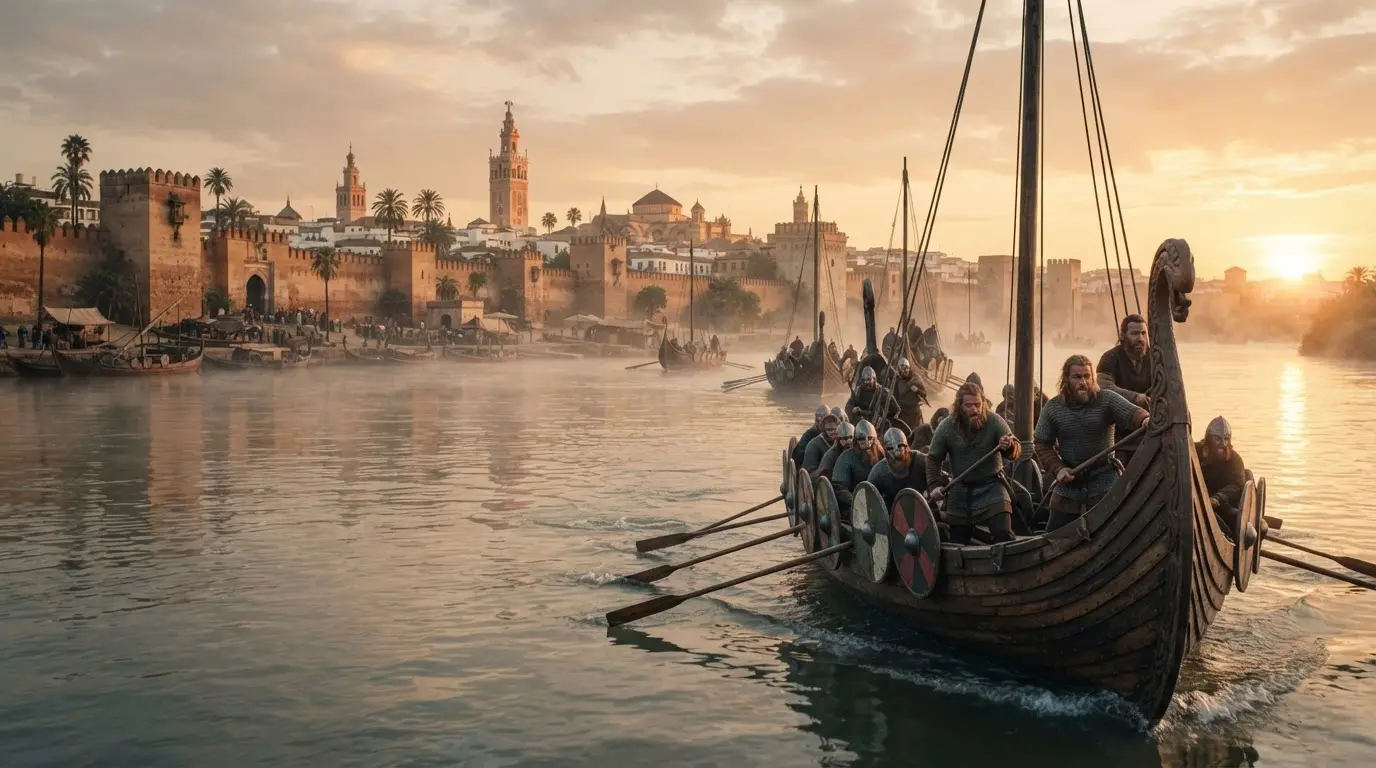
Vikings Took Seville in 844. What Did Córdoba's Emir Build?
Sophie Marchand Updated
In 844 a Norse fleet took unwalled Seville while Córdoba's emir ruled upriver. Here is what he built in response to it, and what later retellings invented.
Read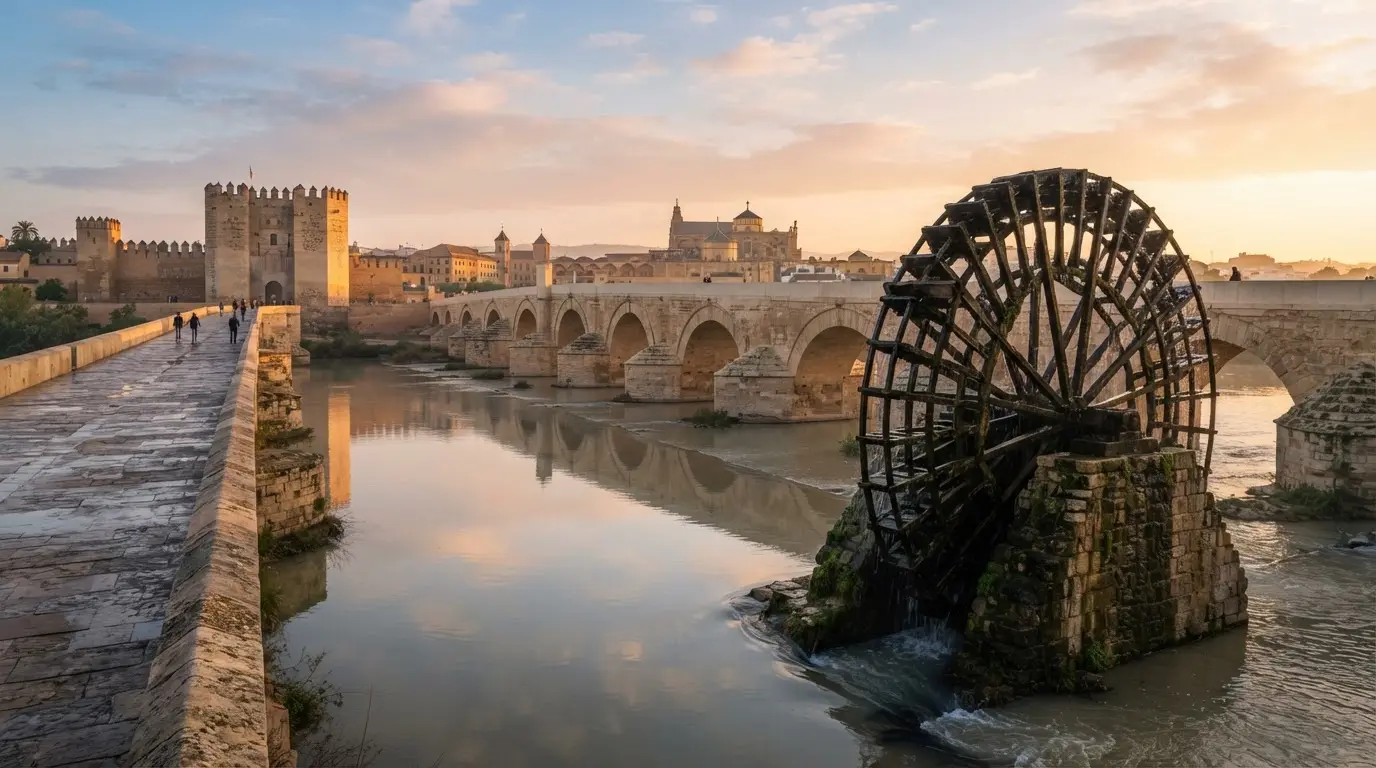
Guadalquivir Mills: Three Civilisations, One Riverbank
María Fernanda González Updated
In 1492 Isabella I ordered Córdoba's Albolafia wheel pulled down because it kept her awake. Eleven Guadalquivir mills, three civilisations, one story.
Read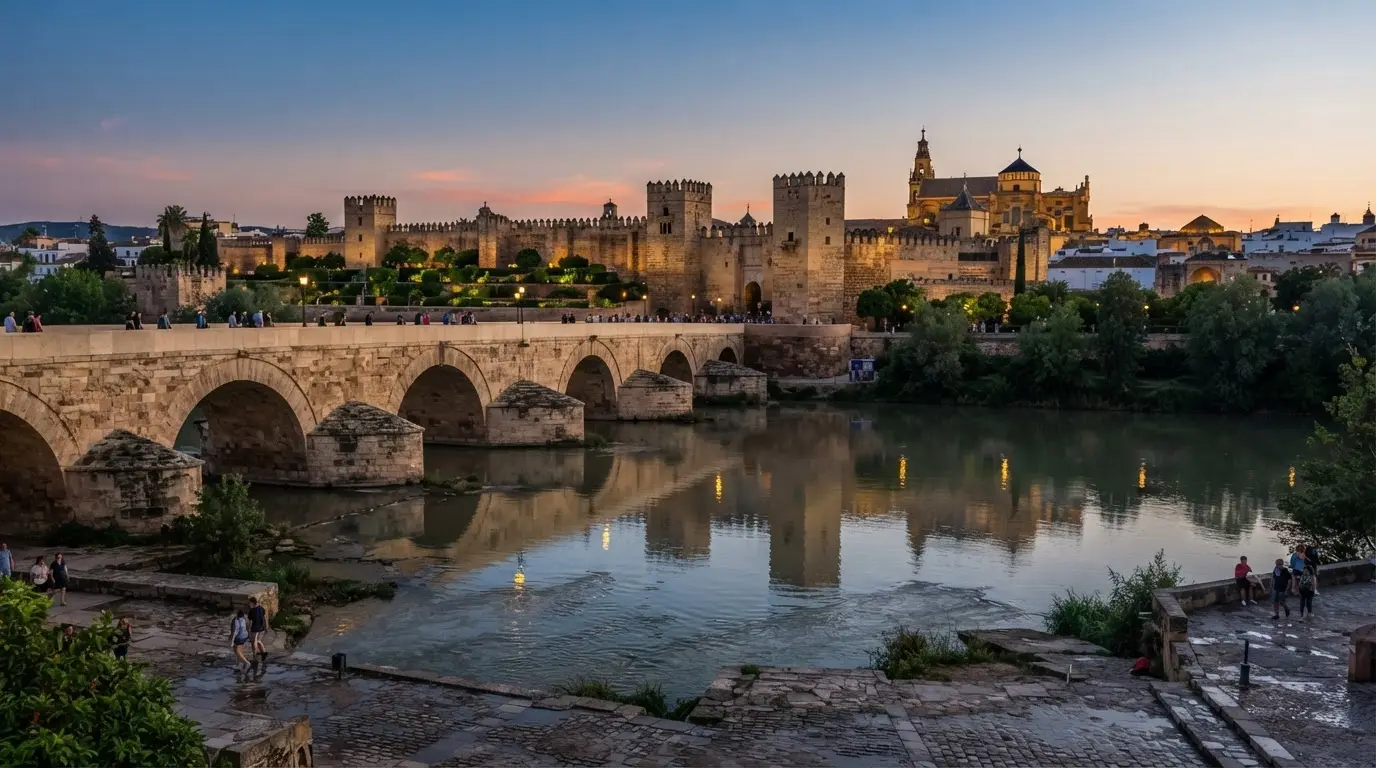
Al-Hakam I: The Emir Who Crucified 72 Nobles
Sophie Marchand Updated
Al-Hakam I ruled Córdoba from 796 to 822 CE. Between the golden narratives lie three events: a banquet massacre, a suburban uprising, and 20,000 exiles.
Read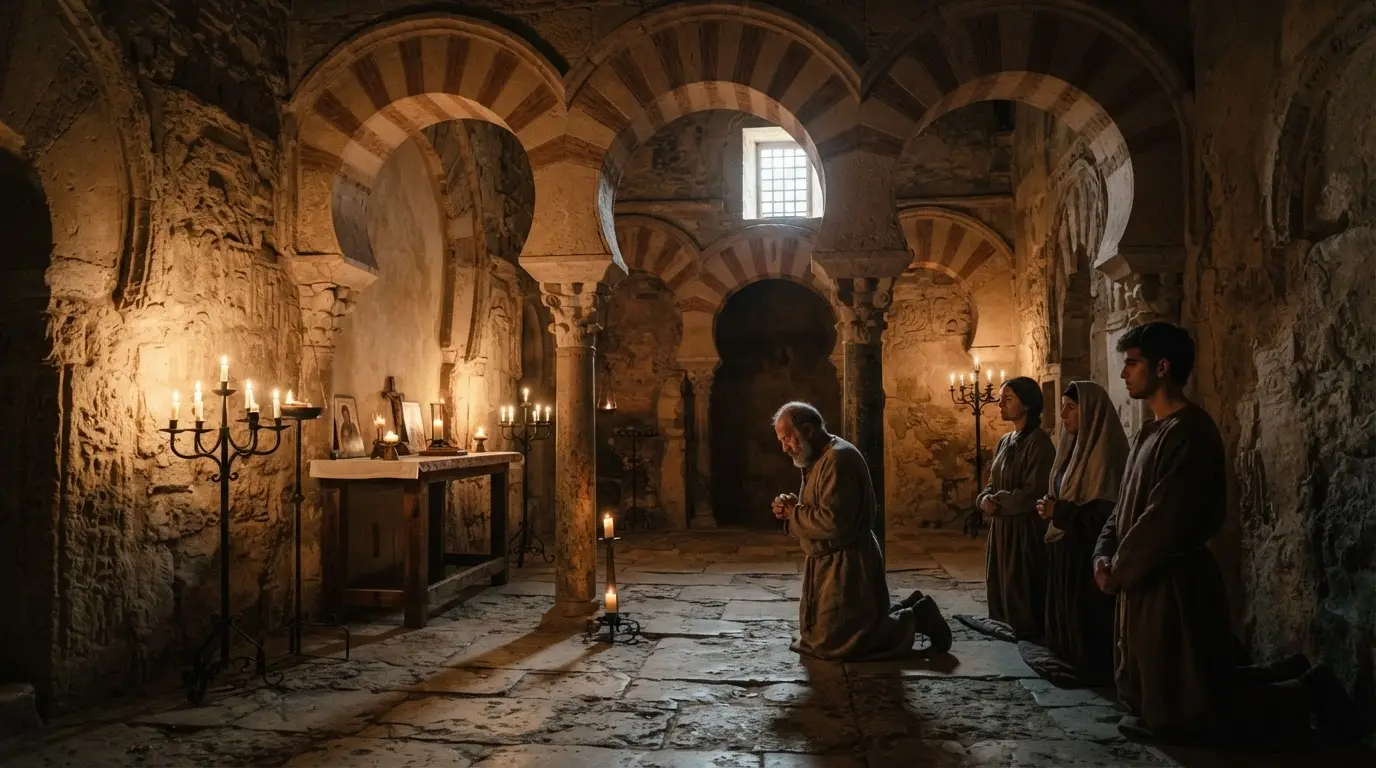
Martyrs of Córdoba: Why 48 Christians Chose Death in 850 AD
Sophie Marchand Updated
Between 850 and 859 AD, 48 Christians walked into Córdoba's courts and denounced Muhammad. Who they were, why they did it, and what split their own community.
Read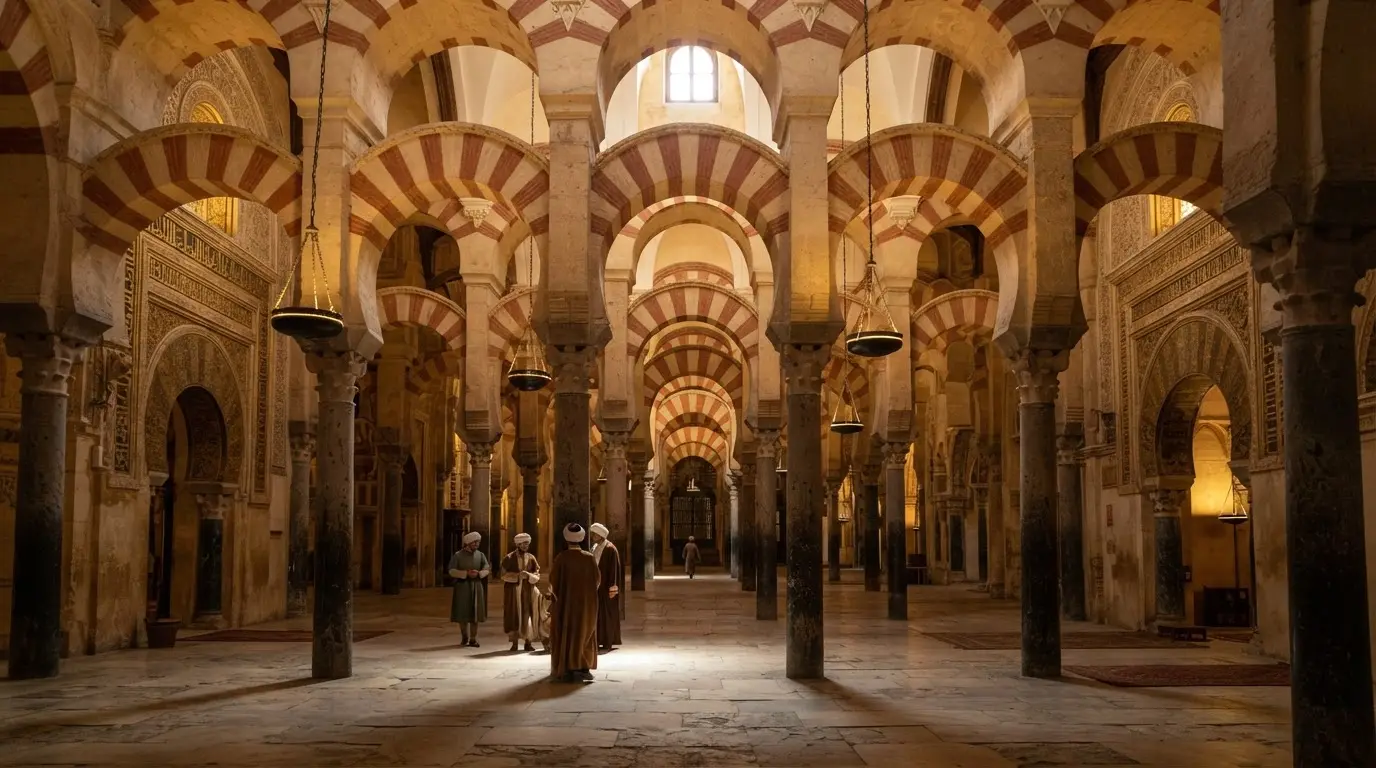
Ziryab: The Musician Who Invented Your Dinner in Córdoba
Sophie Marchand Updated
Ziryab added a fifth string to the oud and reshaped court fashion and table manners in 9th-century Córdoba. Tradition credits him with the three-course meal.
Read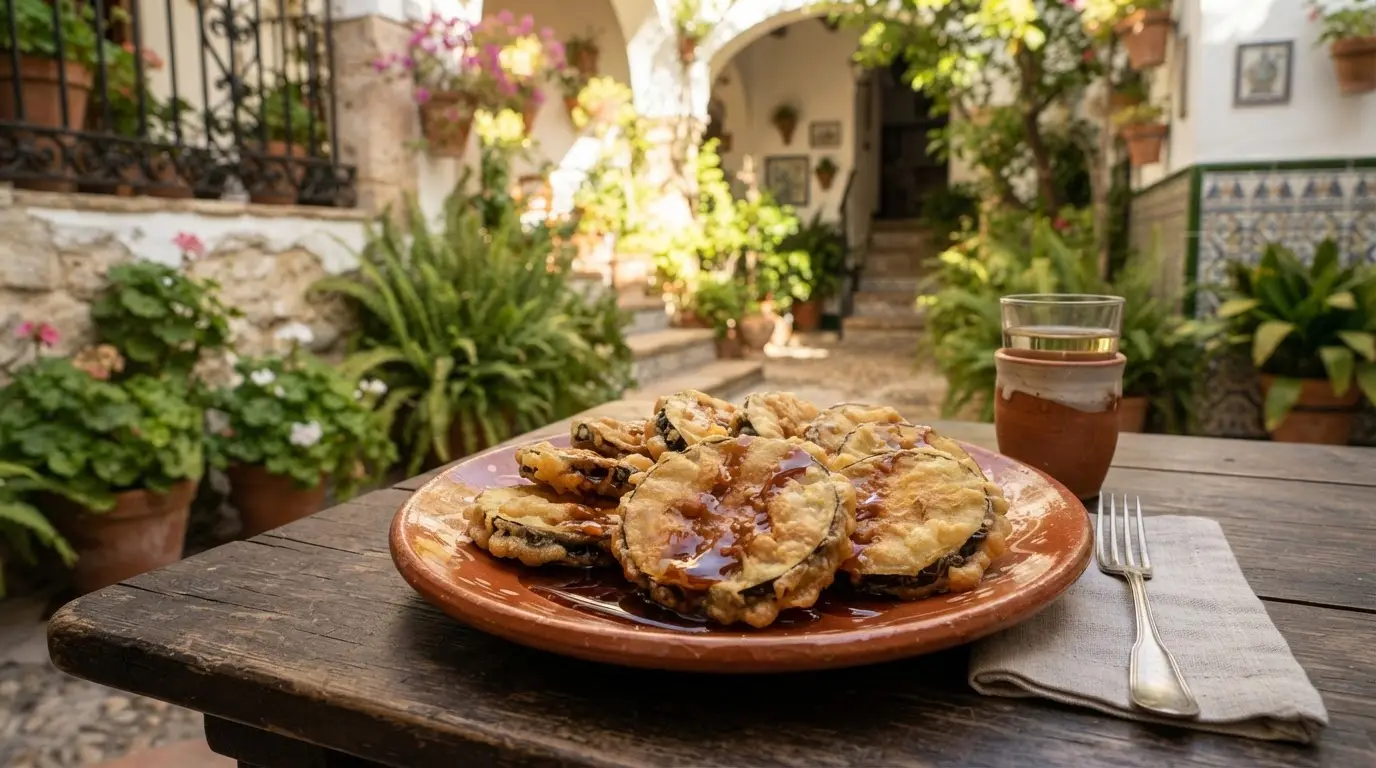
Berenjenas con Miel: Moorish Roots of Córdoba's Sweetest Tapa
Pedro Del Pozo Updated
The Moorish origin of berenjenas con miel traces to 8th-century Al-Andalus, where fried aubergines and honey defined sweet-savoury cooking in Córdoba.
Read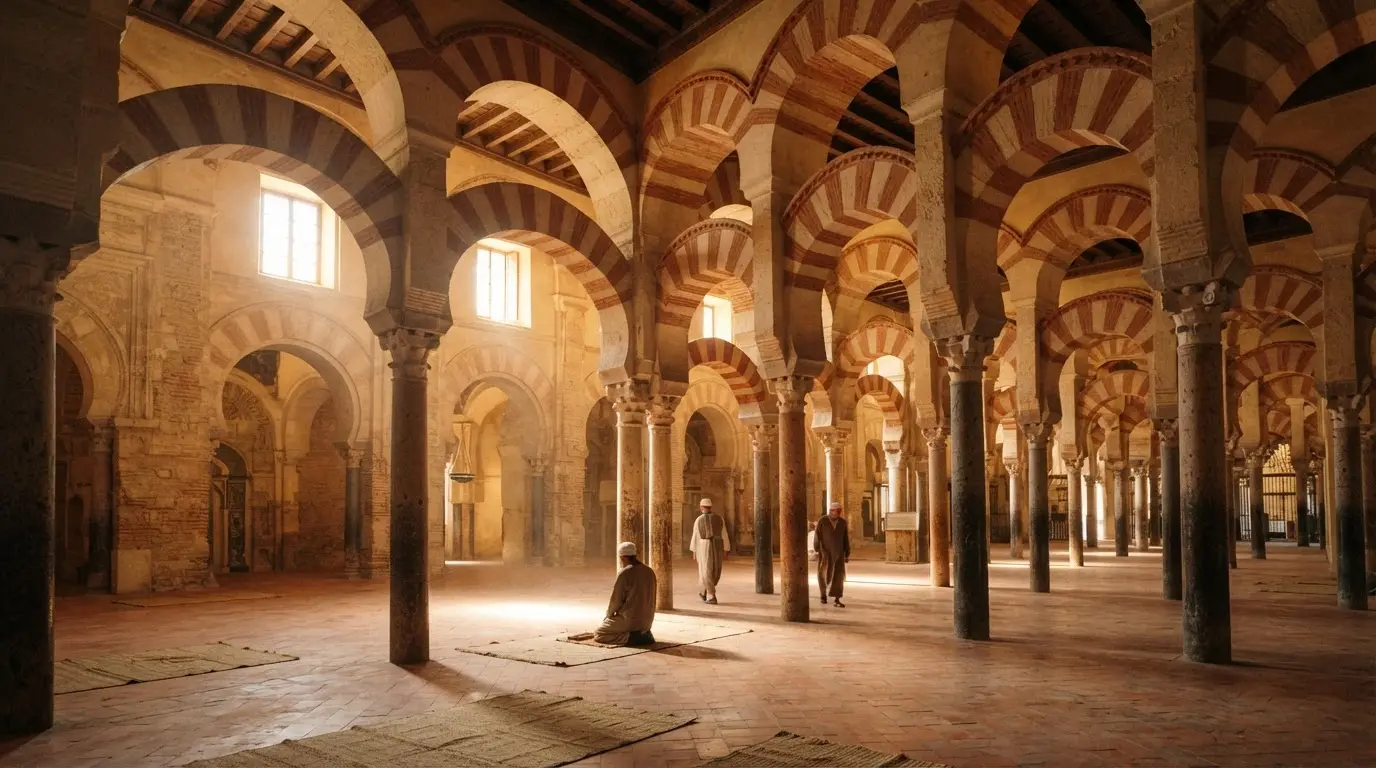
Abd al-Rahman I: The Fugitive Who Founded Córdoba
Sophie Marchand Updated
Abd al-Rahman I survived the massacre of his Umayyad family in 750 CE, fled six years across North Africa, and founded the Emirate of Córdoba at just 25.
ReadSee Umayyad Emirate on the timeline, with its people and monuments
Go deeper
Frequently asked questions
Where was the Umayyad Alcázar located during the Emirate of Córdoba?
Made the permanent seat of power by Abd al-Rahman I in 784, the Umayyad Alcázar stood directly beside the Great Mosque and connected to its prayer hall via a raised passage called the sabat. Its footprint now lies beneath the Alcázar de los Reyes Cristianos, the Episcopal Palace, and the Seminary of San Pelagio.
What happened during the Rabad revolt of 818 in Córdoba?
In March 818, Emir Al-Hakam I crushed an uprising in the Shaqunda suburb on the south bank of the Guadalquivir and ordered the quarter razed. Between 10,000 and 20,000 surviving residents were expelled from Córdoba, with many settling in Fez or sailing to Alexandria before founding the Emirate of Crete around 827.
How did Ziryab change court life in 9th-century Córdoba?
Arriving in 822 CE at the invitation of Emir Abd al-Rahman II, the Baghdad-trained musician Ziryab lived in Córdoba until his death on 27 January 857. Chronicler Ibn Hayyan credits him with redesigning the oud, training court singers, and introducing sequential three-course dining of soup, meat or fish, and sweets.
What is the historical evidence for Abbas Ibn Firnás and his 875 glide?
Born near Ronda around 809, the Córdoba court scientist Abbas Ibn Firnás cut rock crystal, built a water clock, and created a mechanical planetarium room before dying around 887. His famous winged glide around 875 is recorded in an 11th-century fragment by Ibn Hayyan and in al-Maqqari's 17th-century chronicle.