Articles
Stories, history and food traditions from Córdoba (Page 17)
Long-form editorial pieces written by resident correspondents: cultural deep-dives, the origins of local dishes, and the people and traditions that shape everyday life in Córdoba.
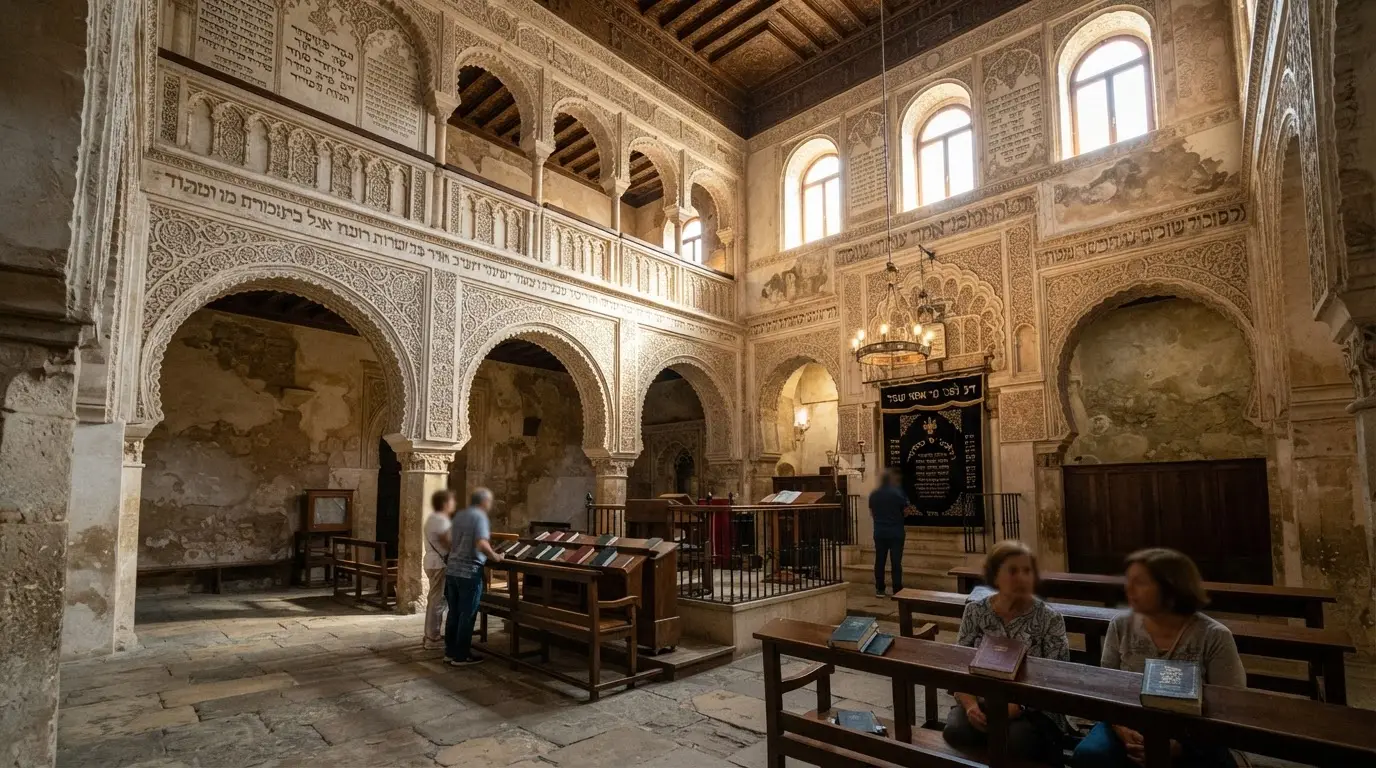
The Córdoba Synagogue's Five Lives Since 1315
Sophie Marchand Updated
Built in 1315 as a private yeshiva, the Córdoba Synagogue survived pogroms, became a rabies hospital, then a cobblers' chapel, before rediscovery in 1885.
Read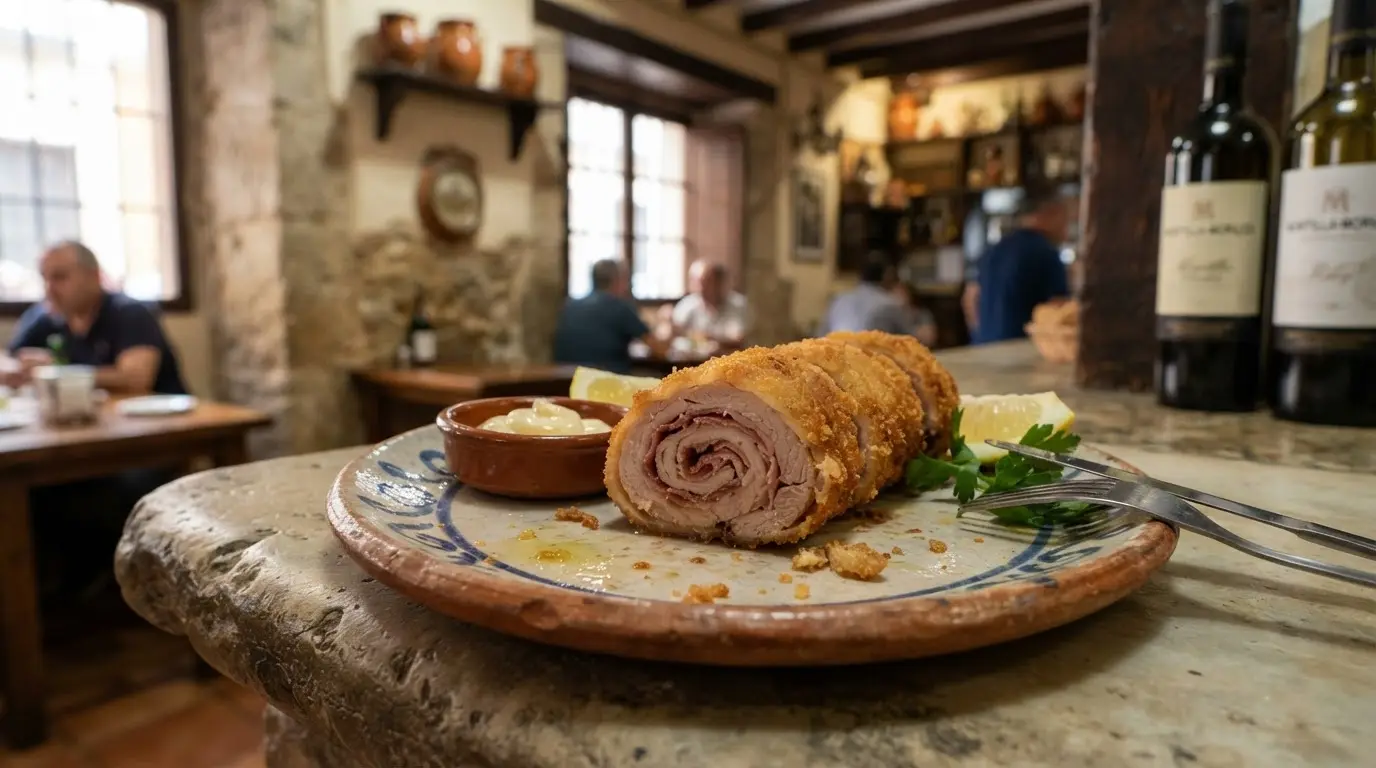
A 1908 Córdoba Ad Offered Flamenquín. Is It the Dish We Eat Now?
Pedro Del Pozo Updated
The word flamenquín appears in a Córdoba newspaper in 1908; the only dated recipe story is Andújar 1939. What the record proves, and why both towns claim it.
Read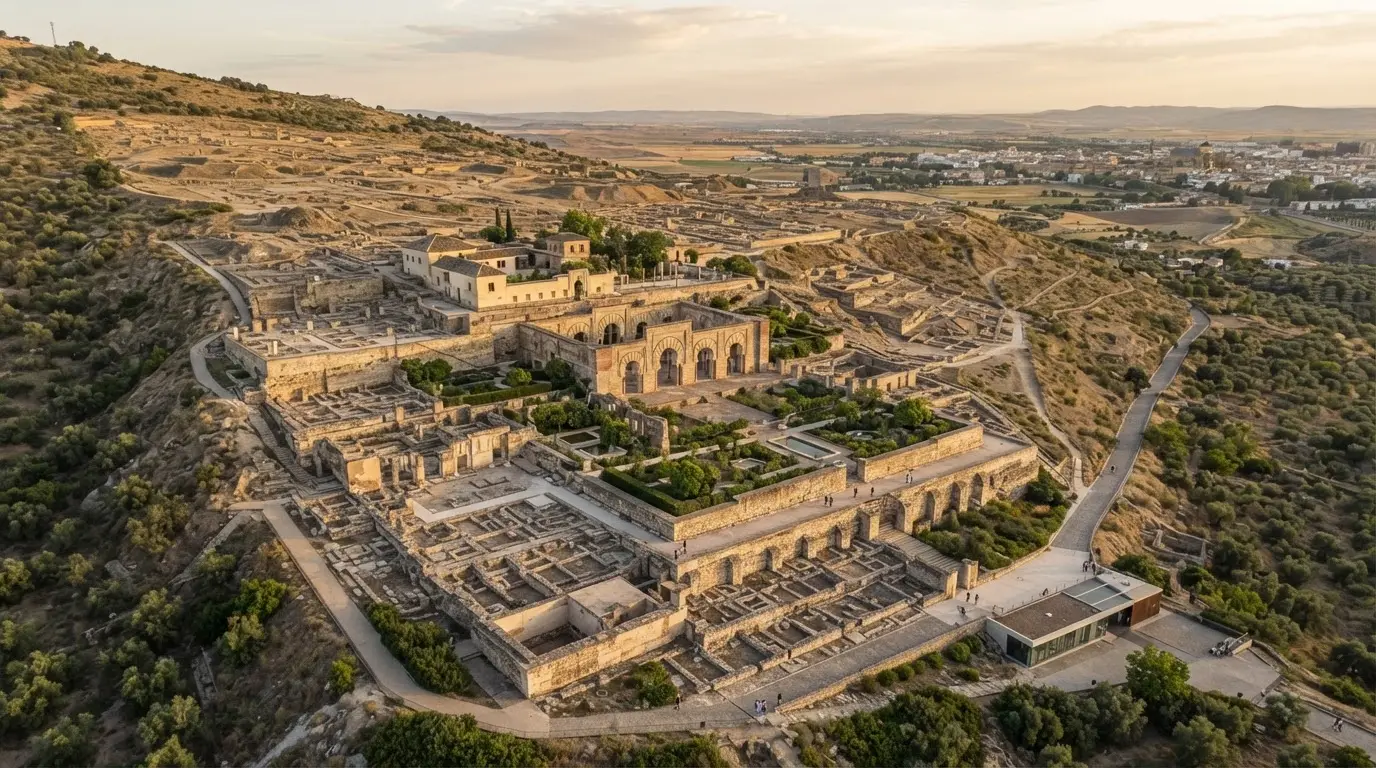
Medina Azahara: The Palace-City Buried for a Thousand Years
Sophie Marchand Updated
Built by Abd al-Rahman III in 936 CE, sacked in 1010, and buried for nine centuries, Medina Azahara is now roughly 9% excavated and UNESCO listed since 2018.
Read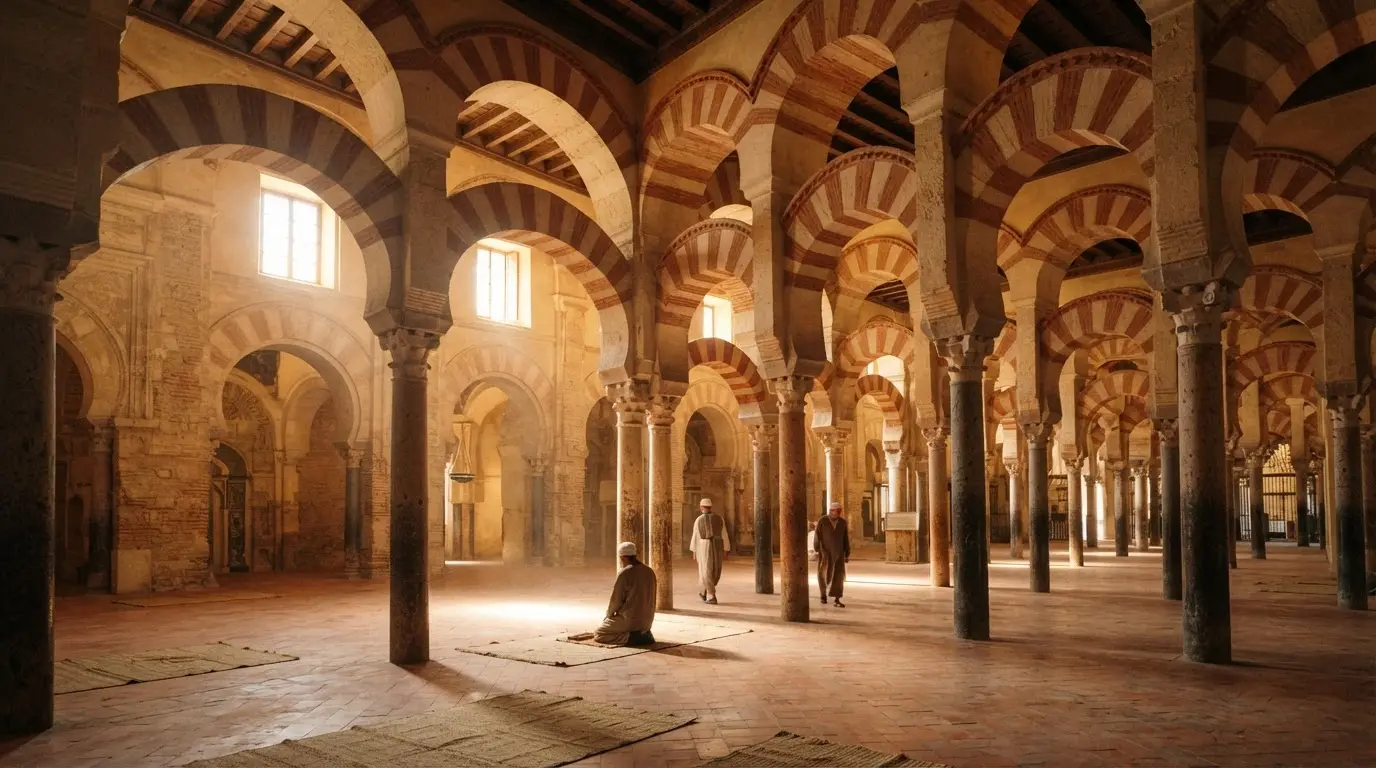
Abd al-Rahman I: The Fugitive Who Founded Córdoba
Sophie Marchand Updated
Abd al-Rahman I survived the massacre of his Umayyad family in 750 CE, fled six years across North Africa, and founded the Emirate of Córdoba at just 25.
Read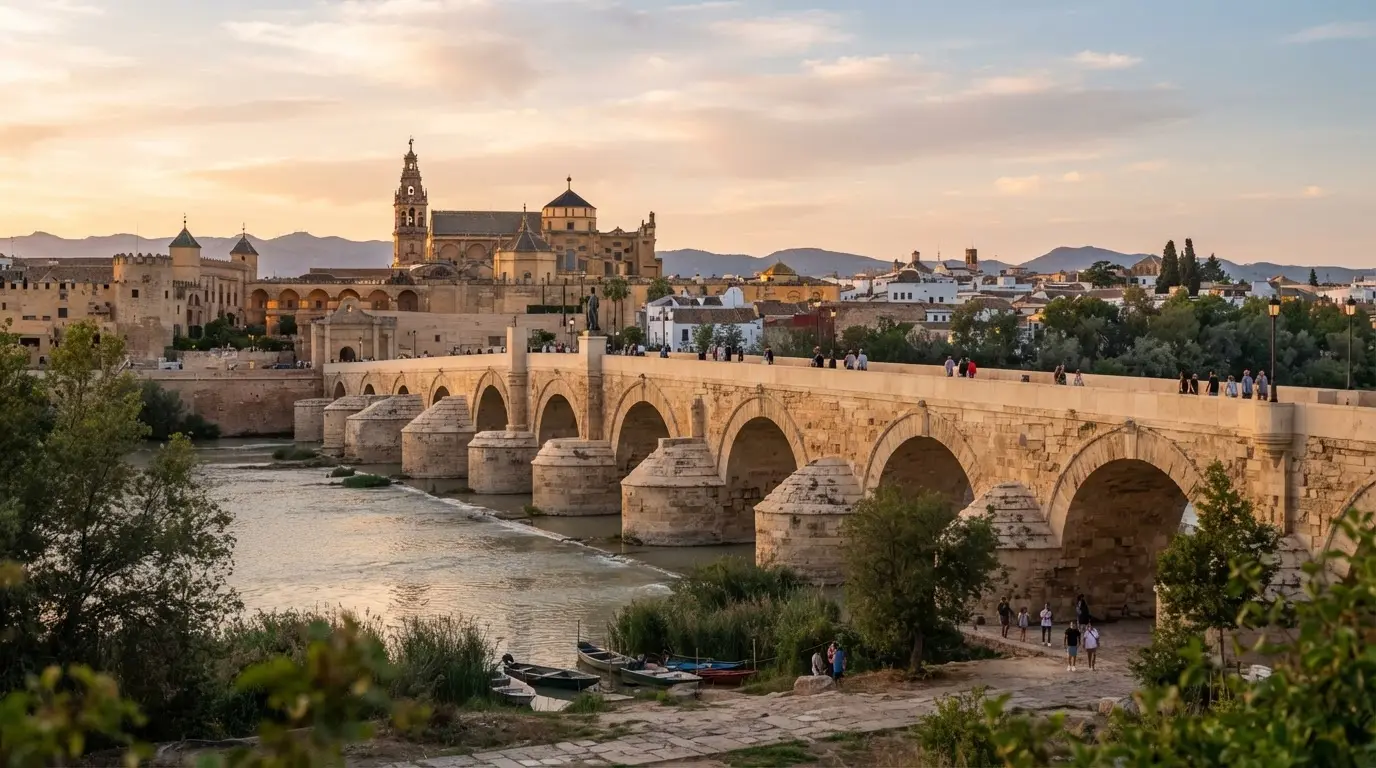
Córdoba's Roman Bridge Has Only Two Arches Called Roman
Sophie Marchand Updated
Córdoba's Roman Bridge has 16 arches, and only two are usually called Roman. From an emir's rebuild around 720 to the 2008 restoration, here is what you cross.
Read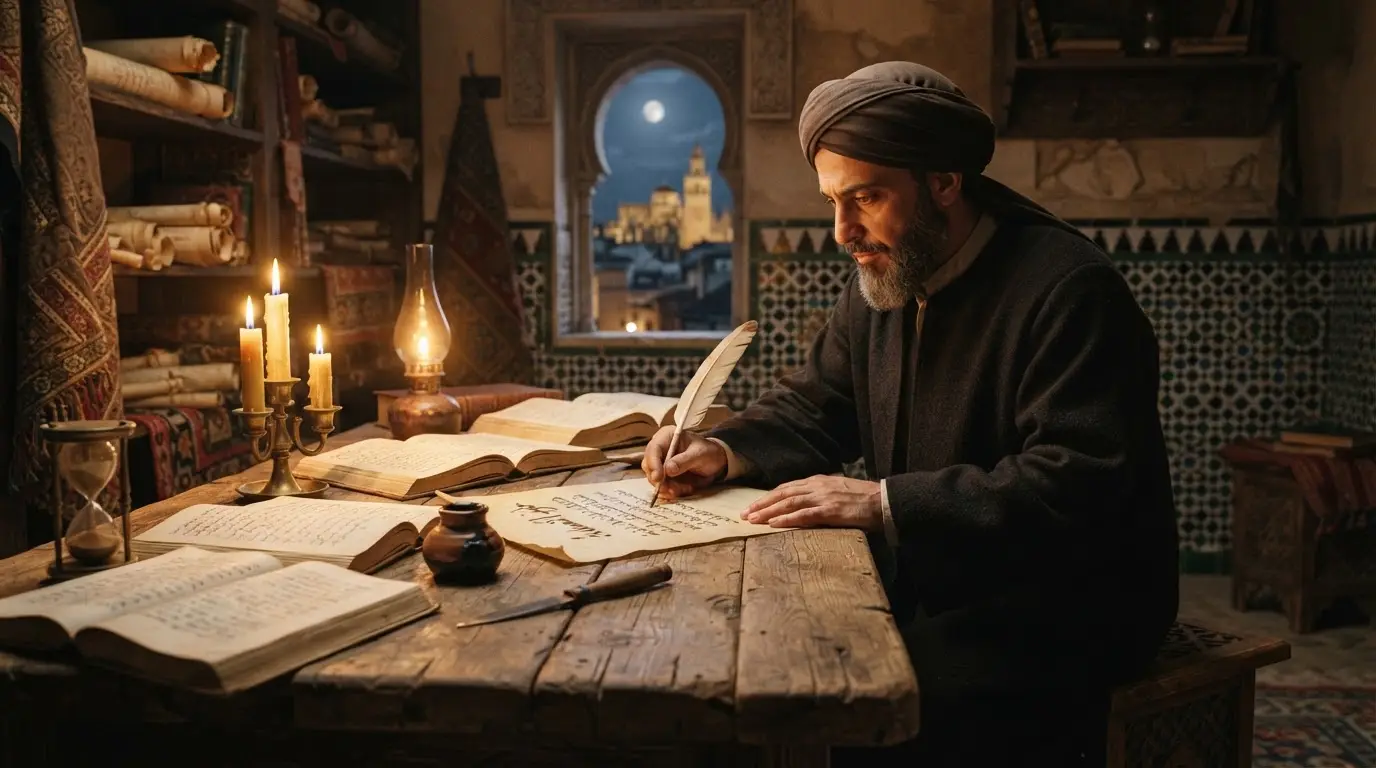
Ibn Hazm's Ring of the Dove: Córdoba's Love Treatise
Sophie Marchand Updated
Ibn Hazm's Ring of the Dove (1022 CE) is the medieval Arab world's most searching analysis of love and one of the most readable books to survive Al-Andalus.
Read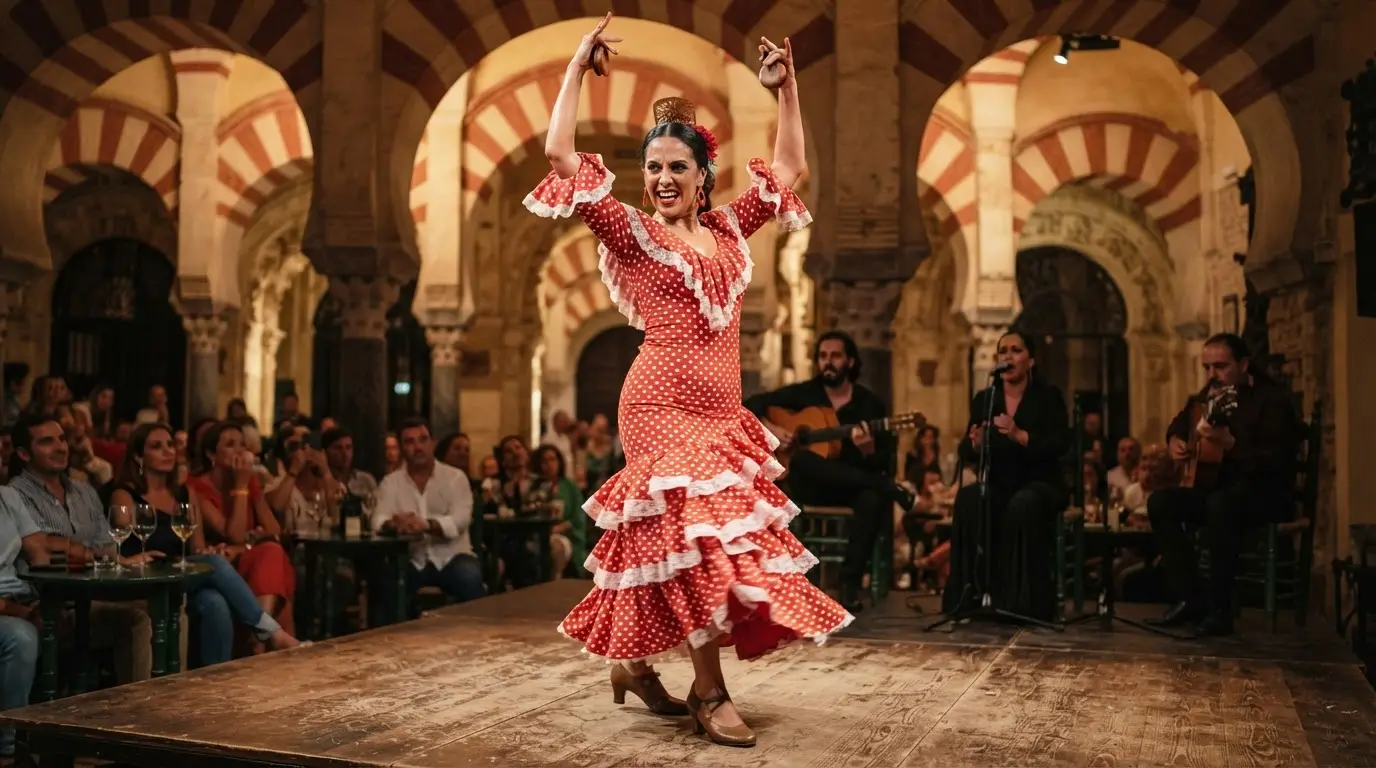
Sevillanas vs Flamenco: What Tourists Always Confuse
Sophie Marchand Updated
Sevillanas is a four-copla folk dance anyone can learn in an afternoon. Flamenco takes years and depends on duende. Here's the real difference, explained.
Read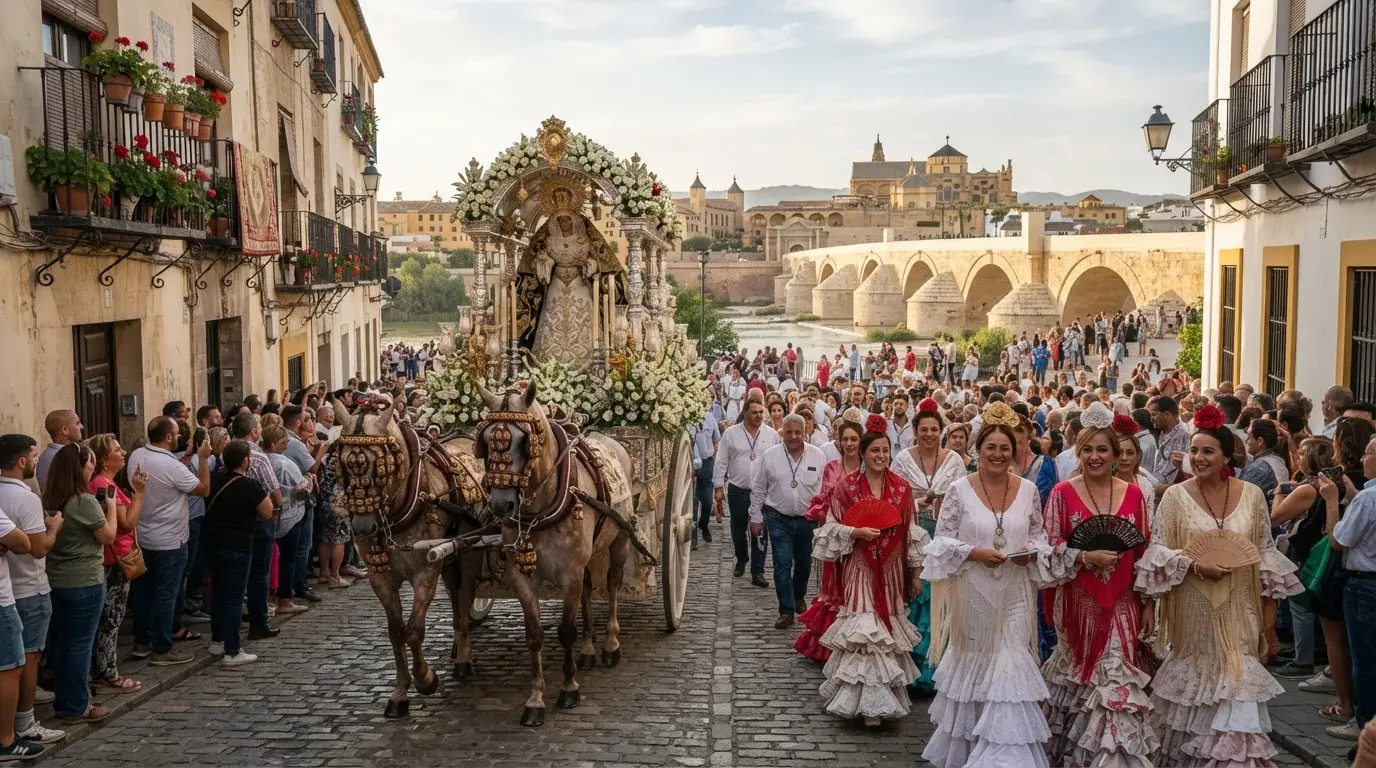
Virgen de la Salud: The Story Behind Córdoba's Feria
Sophie Marchand Updated
Two plowmen, a marble-coped well, and 200 years of healing devotion: the 1665 discovery that made the Virgen de la Salud patroness of the Feria de Córdoba.
Read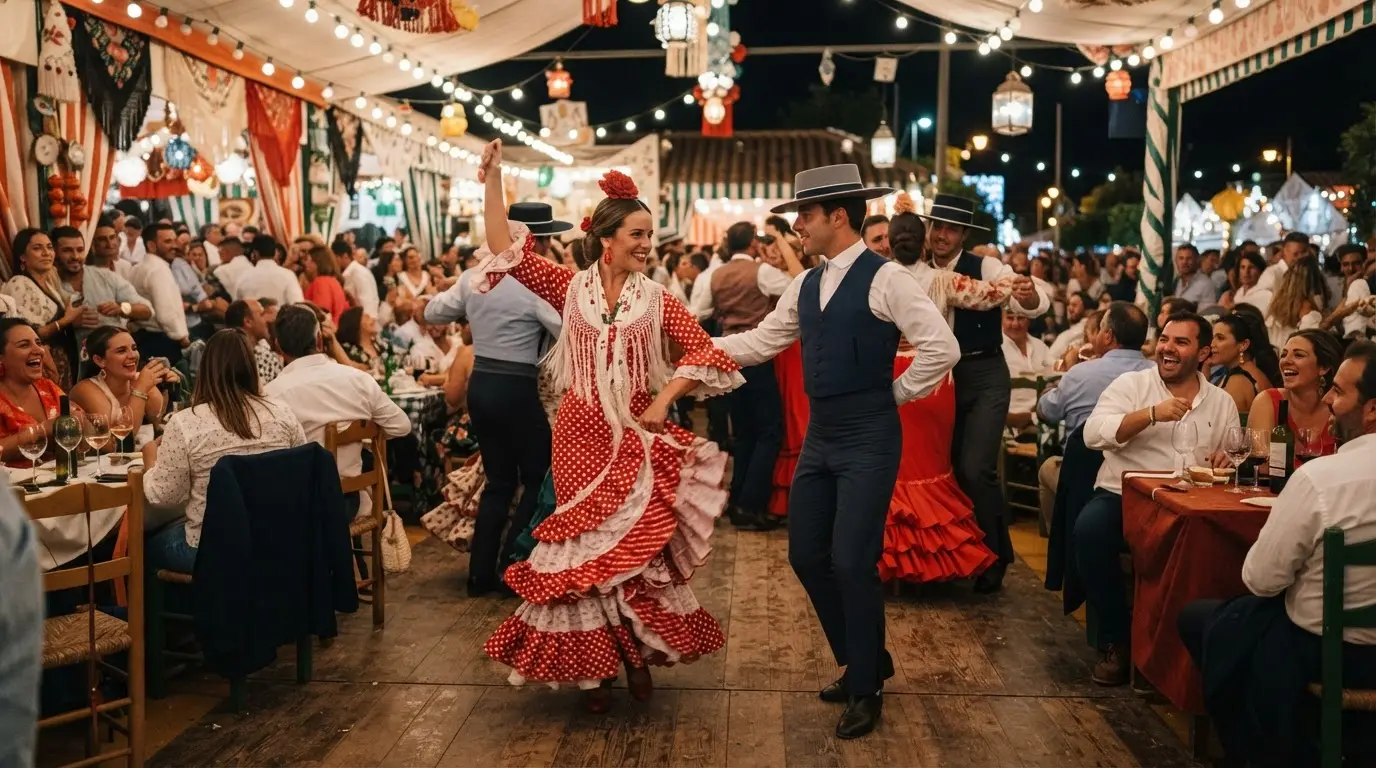
How to Dance Sevillanas at Córdoba's Feria
Sophie Marchand Updated
Learn how to dance sevillanas at the Córdoba Feria. The 4-copla structure, paso, pasada, and braceo, explained for beginners joining the open casetas.
Read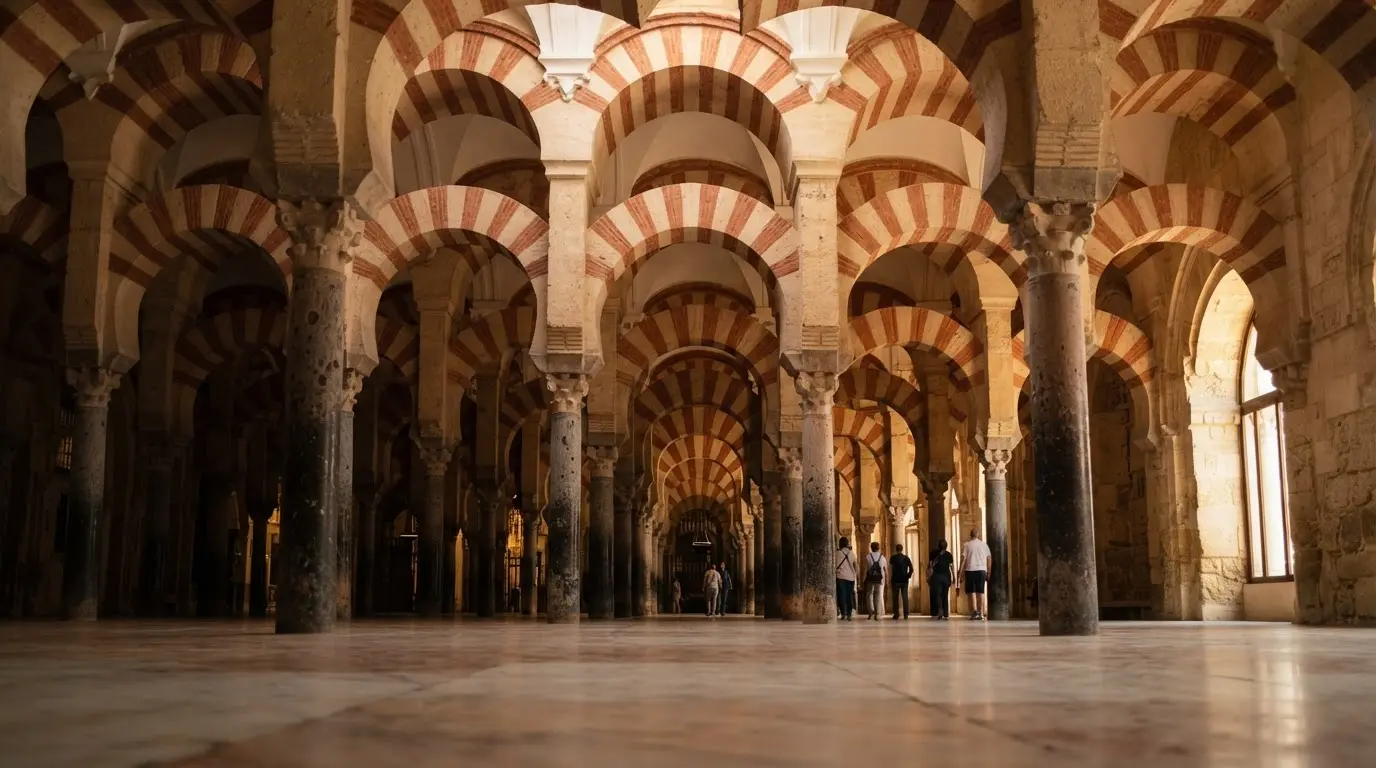
Horseshoe Arch Córdoba: How a Roman Form Went Global
Sophie Marchand Updated
Córdoba's Mezquita holds nearly 850 columns, but its horseshoe arch is older than Islam itself. See how Abd al-Rahman I made it the world's most iconic arch.
Read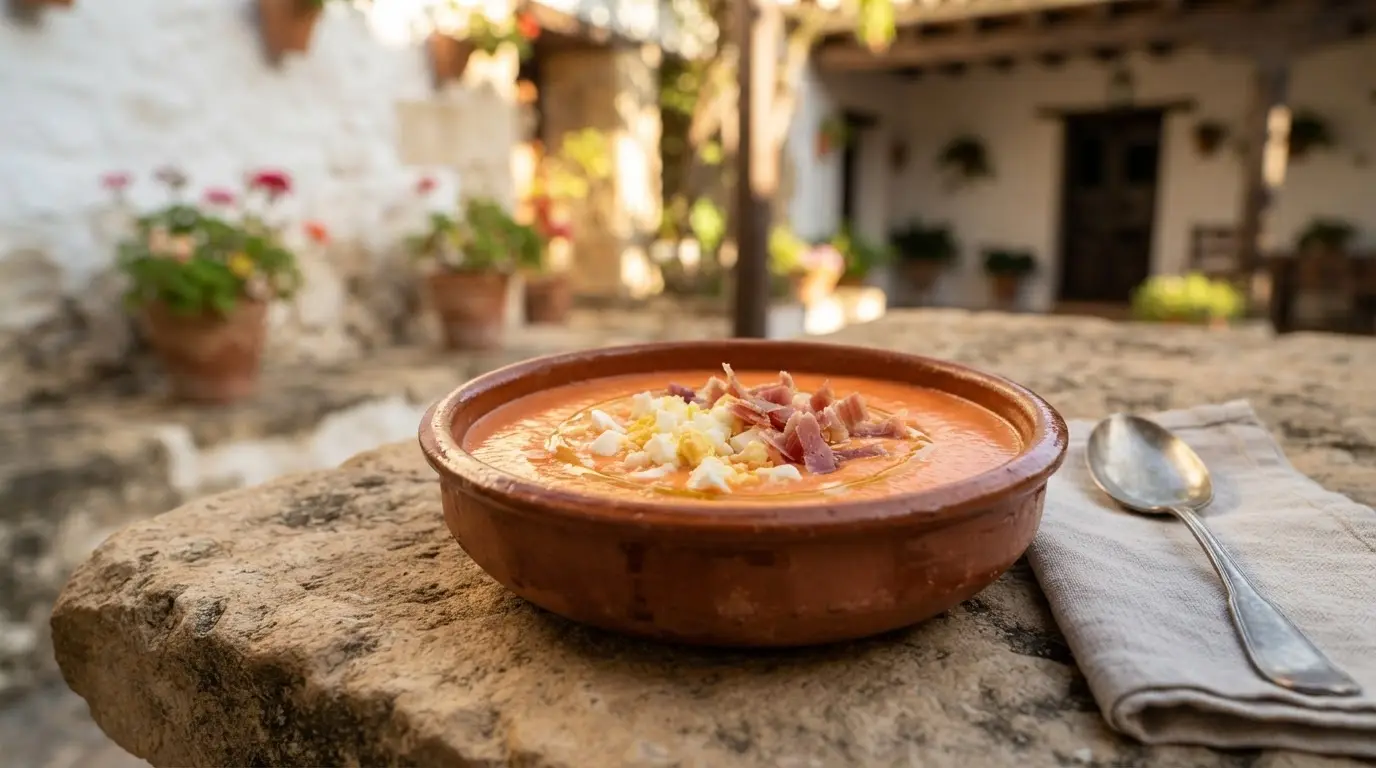
Salmorejo History: When Córdoba's White Soup Turned Red
Pedro Del Pozo Updated
Salmorejo history from a Roman mortar to Al-Andalus mazamorra, the tomato and the 2007 university standard behind Córdoba's cold soup and its own alley.
Read
Why Is Córdoba So Hot? Hottest in Spain, Contested in Europe
María Fernanda González Updated
Is Córdoba the hottest city in Europe? Not officially, but it is Spain's hottest large city in July (36.9°C). Why the valley traps heat, and the records.
Read