Articles
Stories, history and food traditions from Córdoba (Page 16)
Long-form editorial pieces written by resident correspondents: cultural deep-dives, the origins of local dishes, and the people and traditions that shape everyday life in Córdoba.
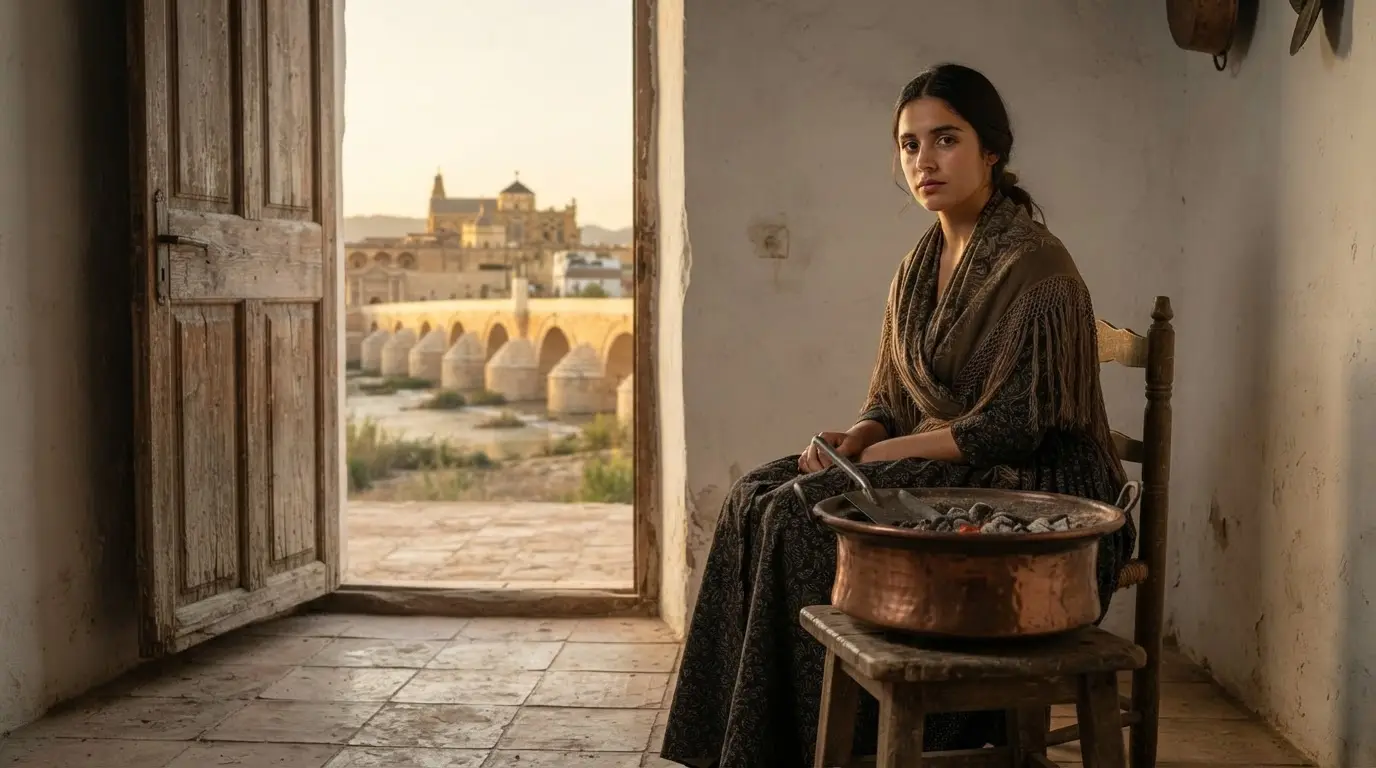
Julio Romero de Torres: The Painter Who Made Córdoba Sensual
Sophie Marchand Updated
Julio Romero de Torres (1874–1930) turned Córdoba's women, light, and flamenco into Andalusian symbolism. His last painting remains in his Córdoba museum.
Read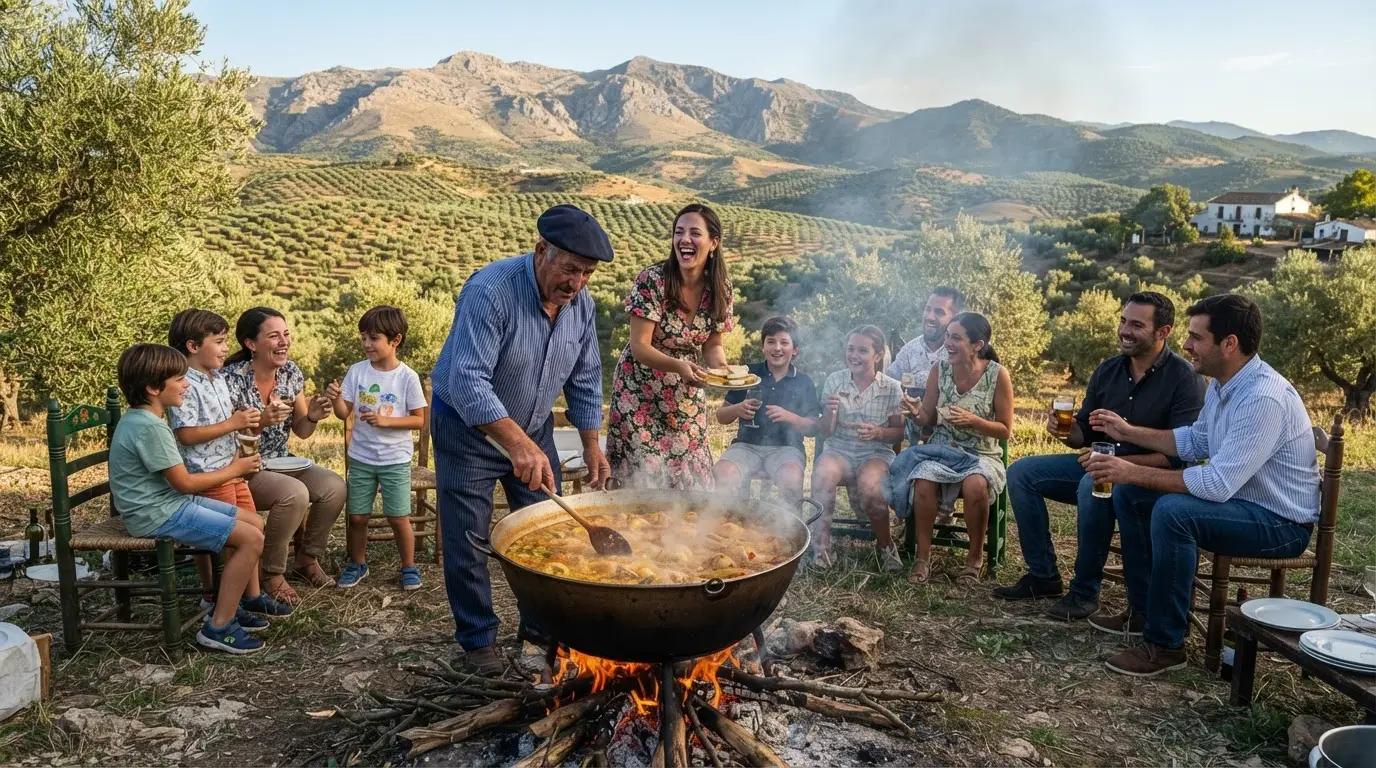
Perol Cordobés Tradition: The Feast That Eats Last
Pedro Del Pozo Updated
The perol cordobés is not a recipe. It is a communal outdoor feast tied to San Rafael Day (October 24), when families and friends cook in the countryside.
Read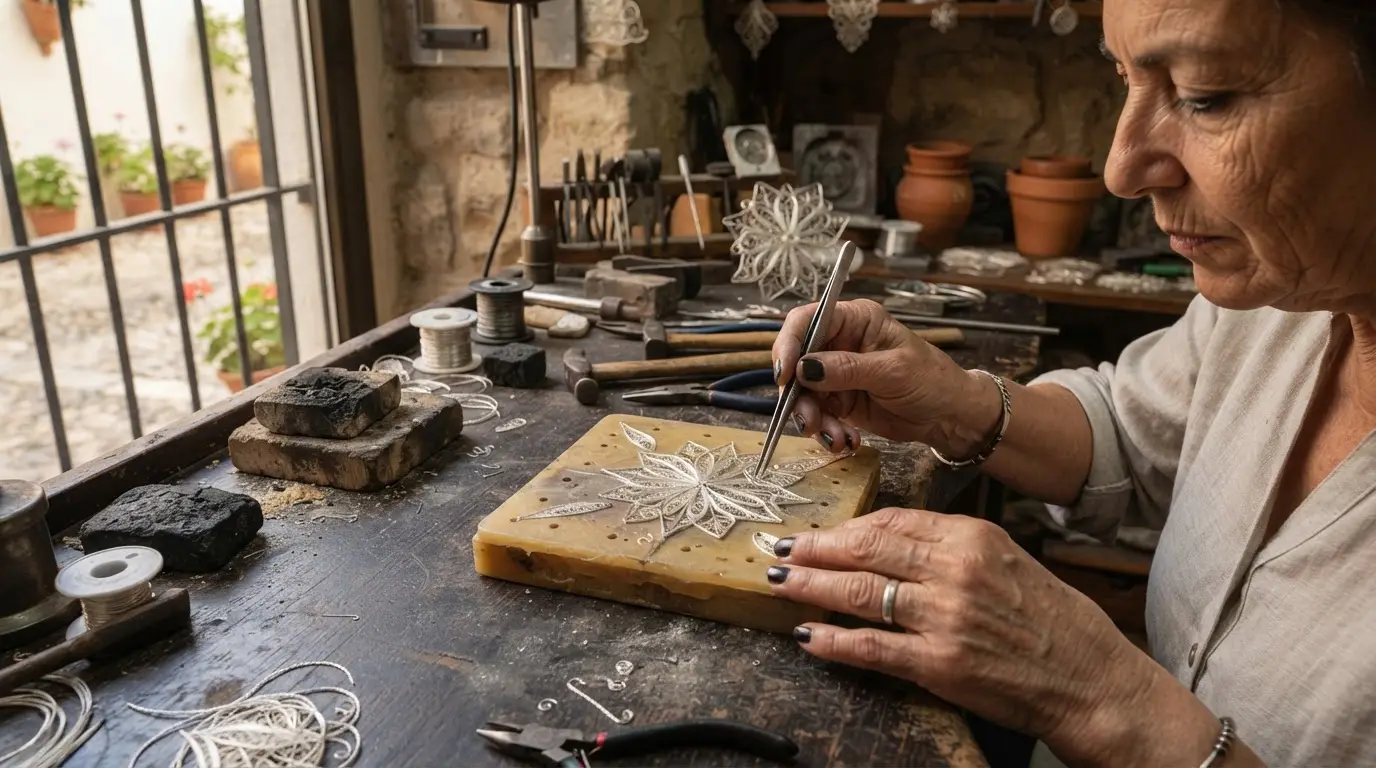
The Silver Filigree of Córdoba: A Thousand Caliphal Threads
Sophie Marchand Updated
Silver filigree Córdoba: the Umayyad craft of the Judería, nearly lost, then carried to Colombia. History, technique, and where to buy authentic pieces today.
Read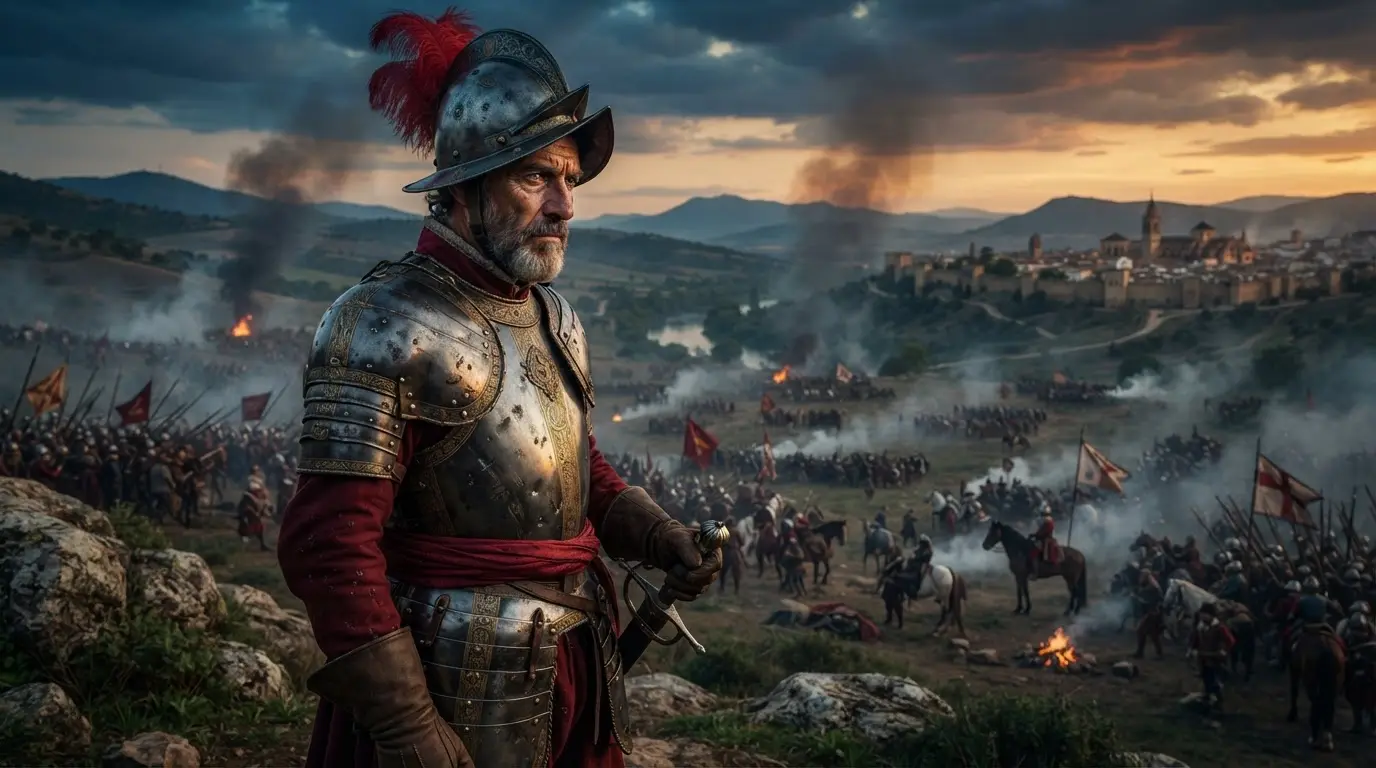
Gran Capitán: Córdoba's General Who Helped Shape Modern War
María Fernanda González Updated
El Gran Capitán, born in Montilla in 1453, helped take Granada and won Cerignola. Córdoba keeps his equestrian statue by Mateo Inurria in the Tendillas.
Read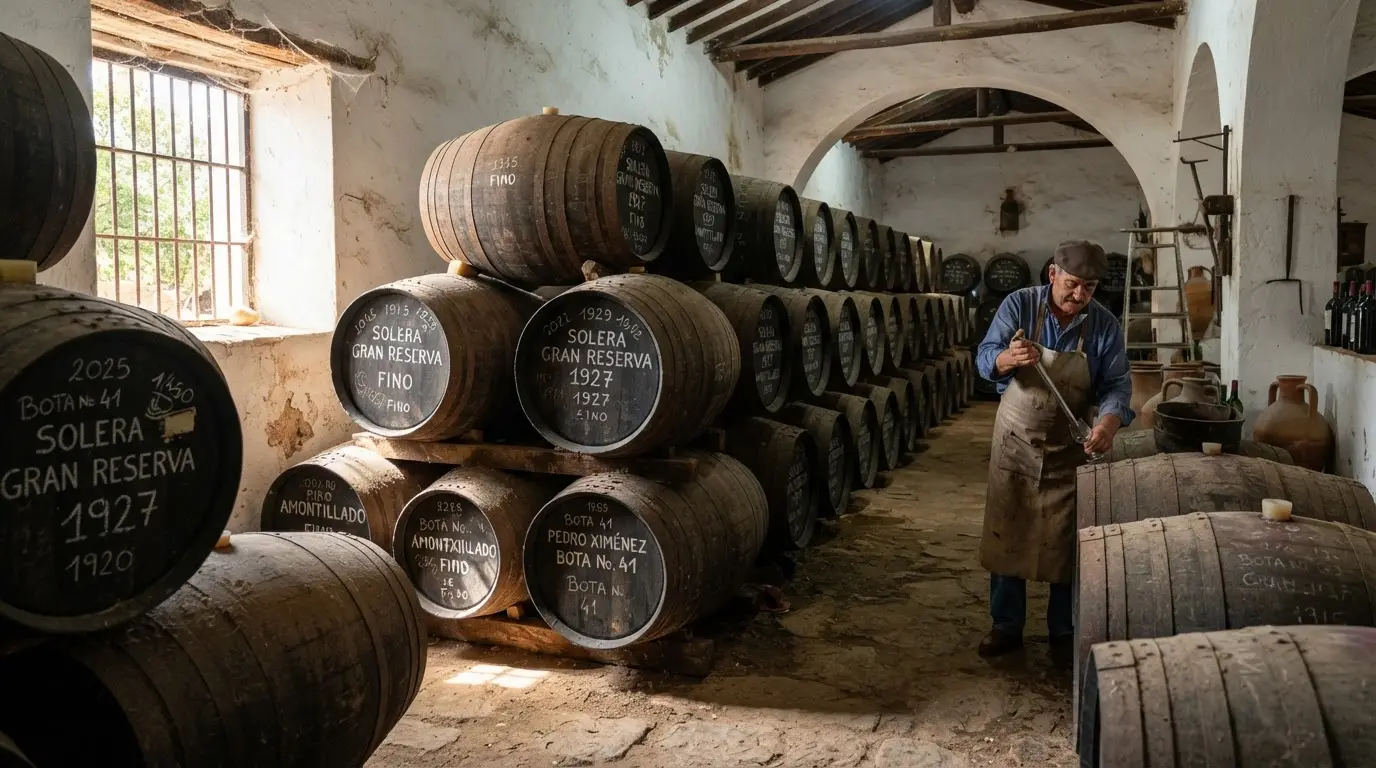
Montilla-Moriles: The Wine That Named a Poe Story
Pedro Del Pozo Updated
Montilla-Moriles wine invented amontillado but can't legally use the name. The full story: the etymology, Poe's 1846 tale, and where to taste it in Córdoba.
Read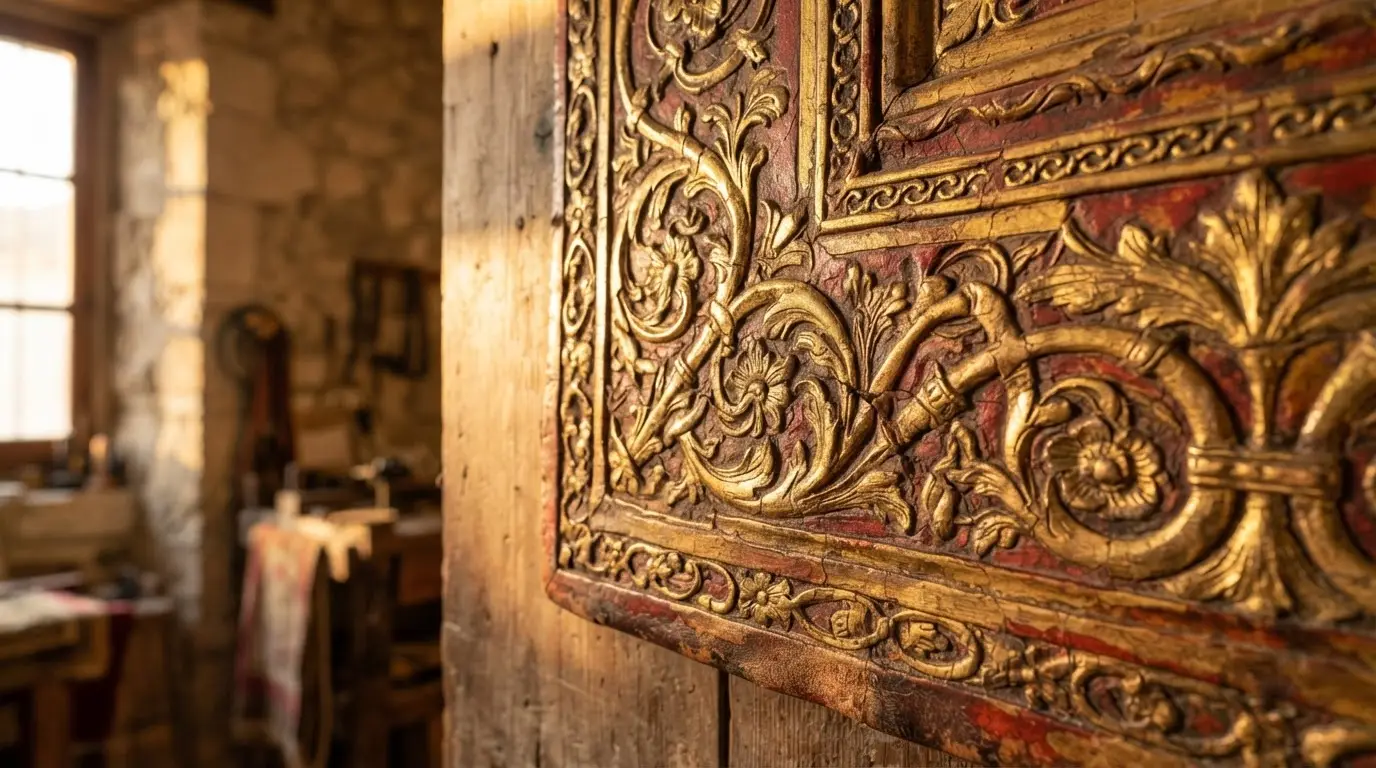
Guadamecí: The Leather That Furnished Royal Courts
Sophie Marchand Updated
Guadamecí leather Córdoba: gilded sheepskin panels that furnished European palaces. History, technique, revival, and where to see it in the Judería today.
Read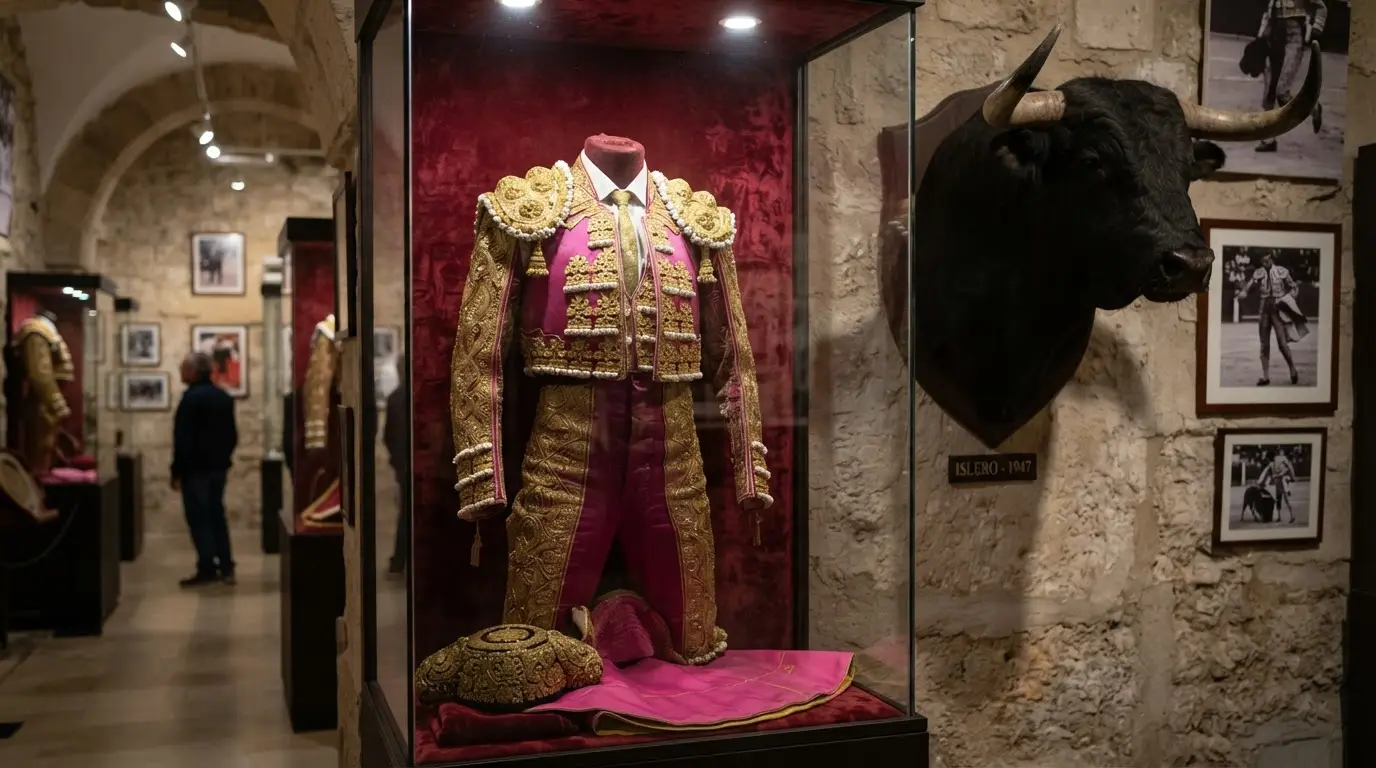
Manolete: Córdoba's Last Sad God of the Ring
Sophie Marchand Updated
Gored by the bull Islero in Linares on 28 August 1947, Manolete died aged 30 and Franco declared three days of mourning. See his statue and tomb in Córdoba.
Read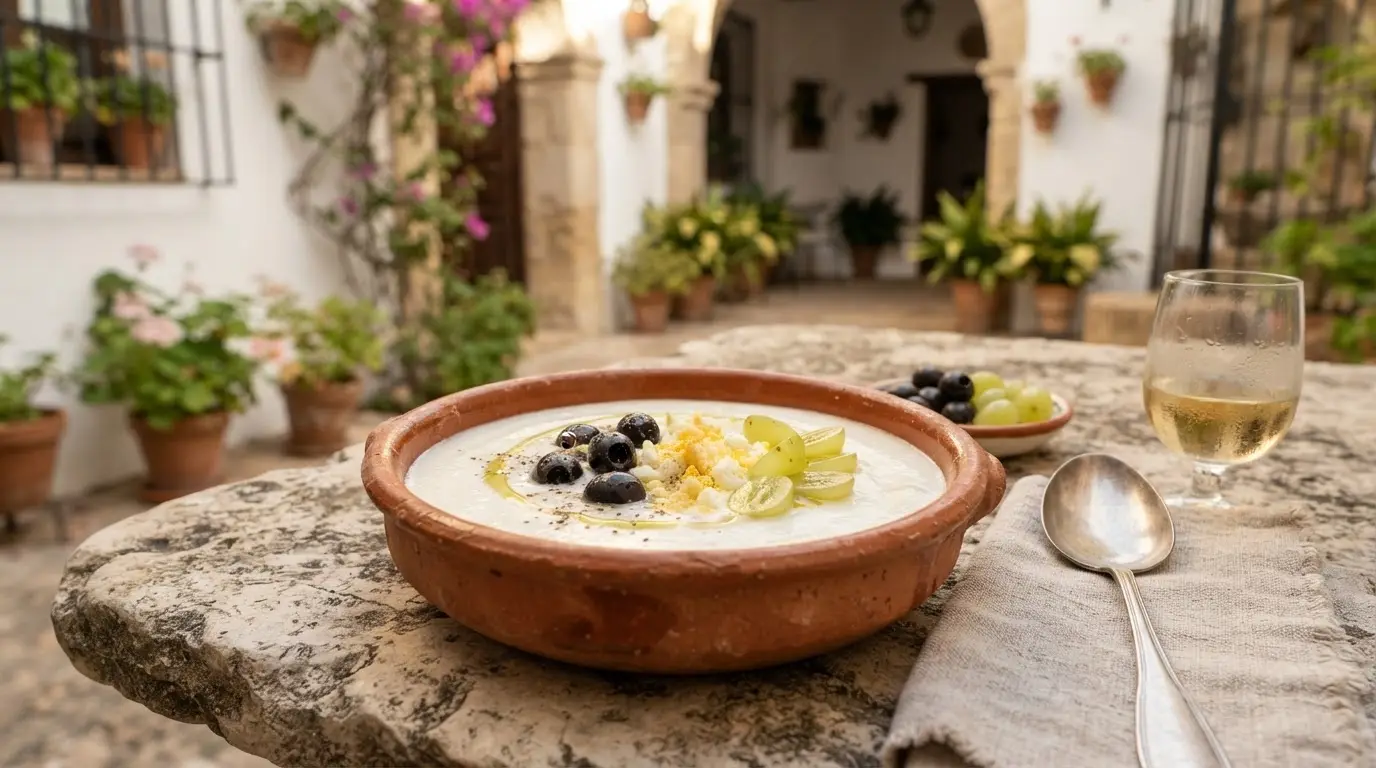
Mazamorra Cordobesa: The Ancient White Soup Before Salmorejo
Pedro Del Pozo Updated
Mazamorra cordobesa predates salmorejo by eight centuries. Bread, almonds, garlic, olive oil: Córdoba's ancient cold soup, eaten before tomatoes ever arrived.
Read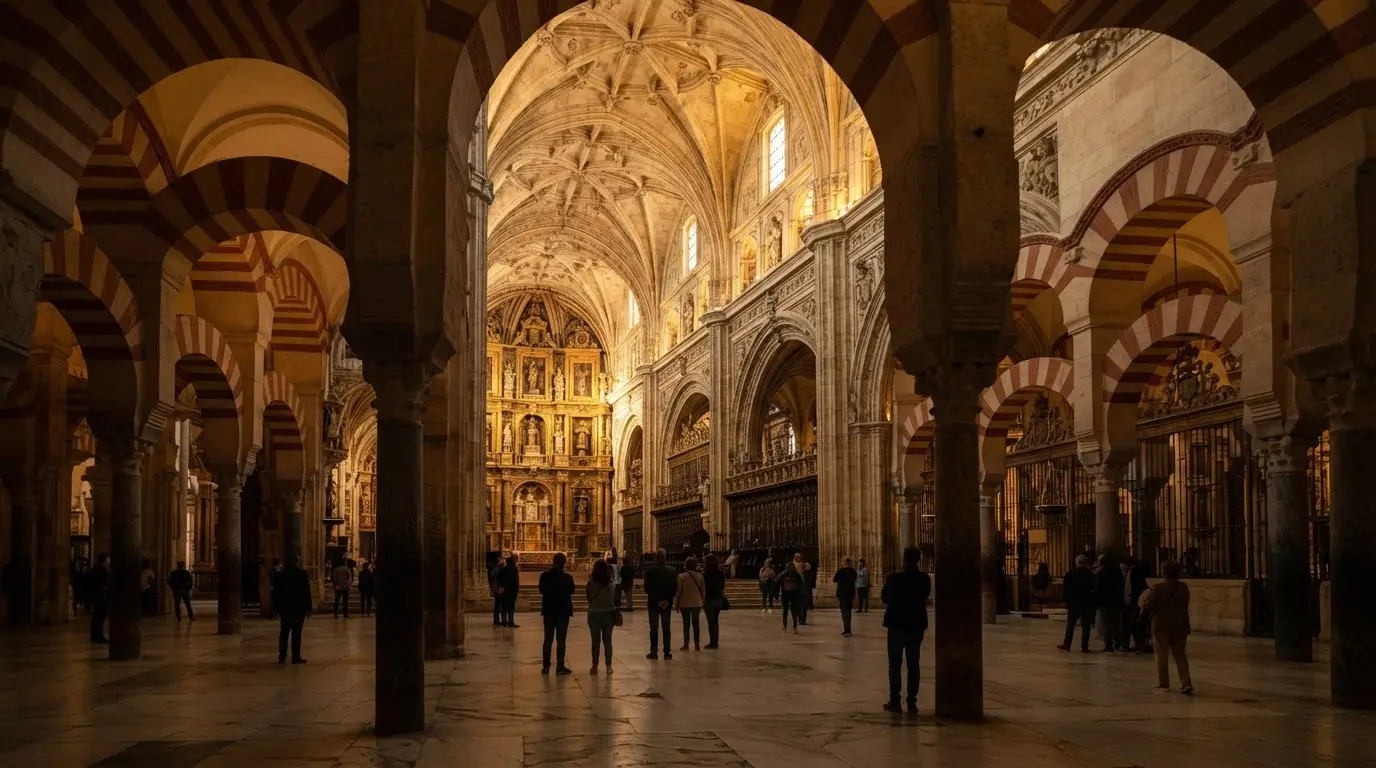
Mezquita Conversion 1236: What the Reconquista Actually Did
Sophie Marchand Updated
In 1236, Ferdinand III captured Córdoba and converted the Great Mosque into a cathedral, left untouched for three centuries until Charles V's architects.
Read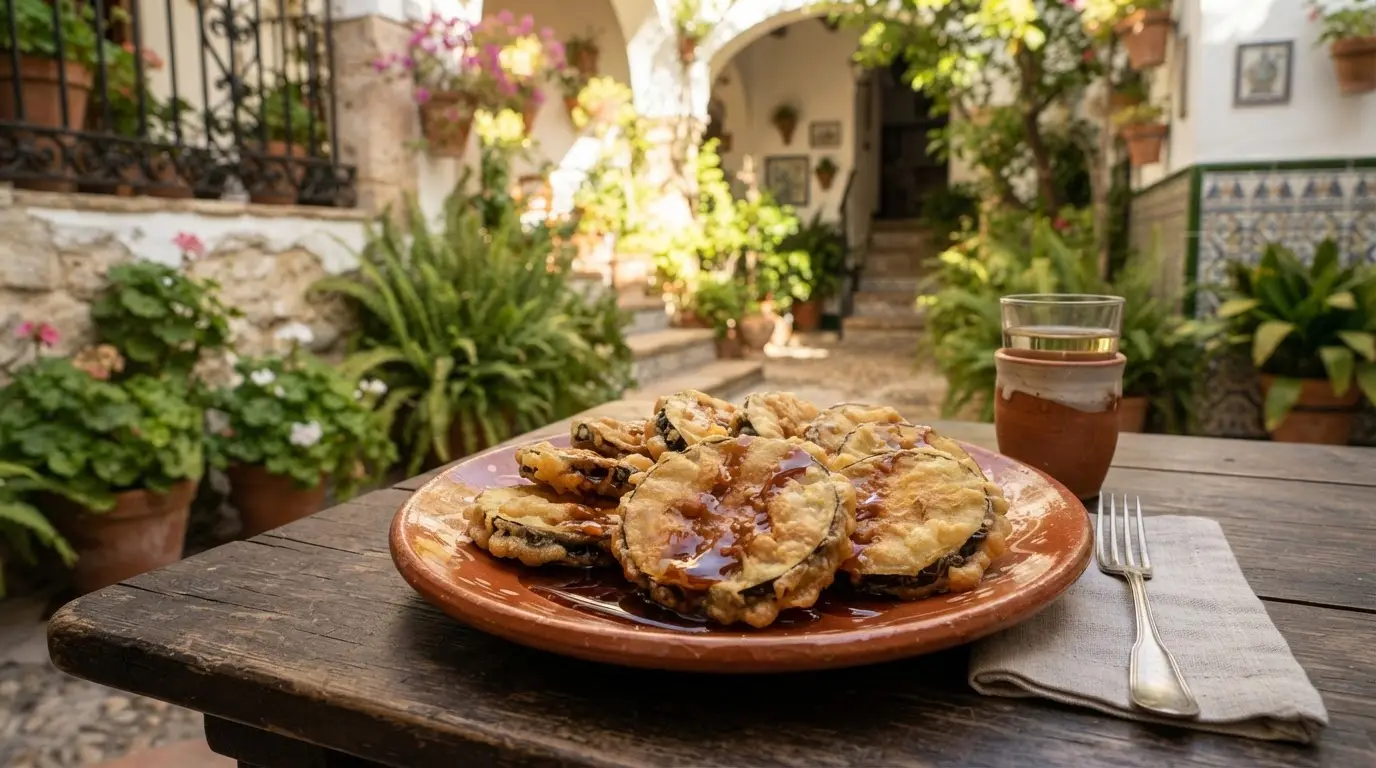
Berenjenas con Miel: Moorish Roots of Córdoba's Sweetest Tapa
Pedro Del Pozo Updated
The Moorish origin of berenjenas con miel traces to 8th-century Al-Andalus, where fried aubergines and honey defined sweet-savoury cooking in Córdoba.
Read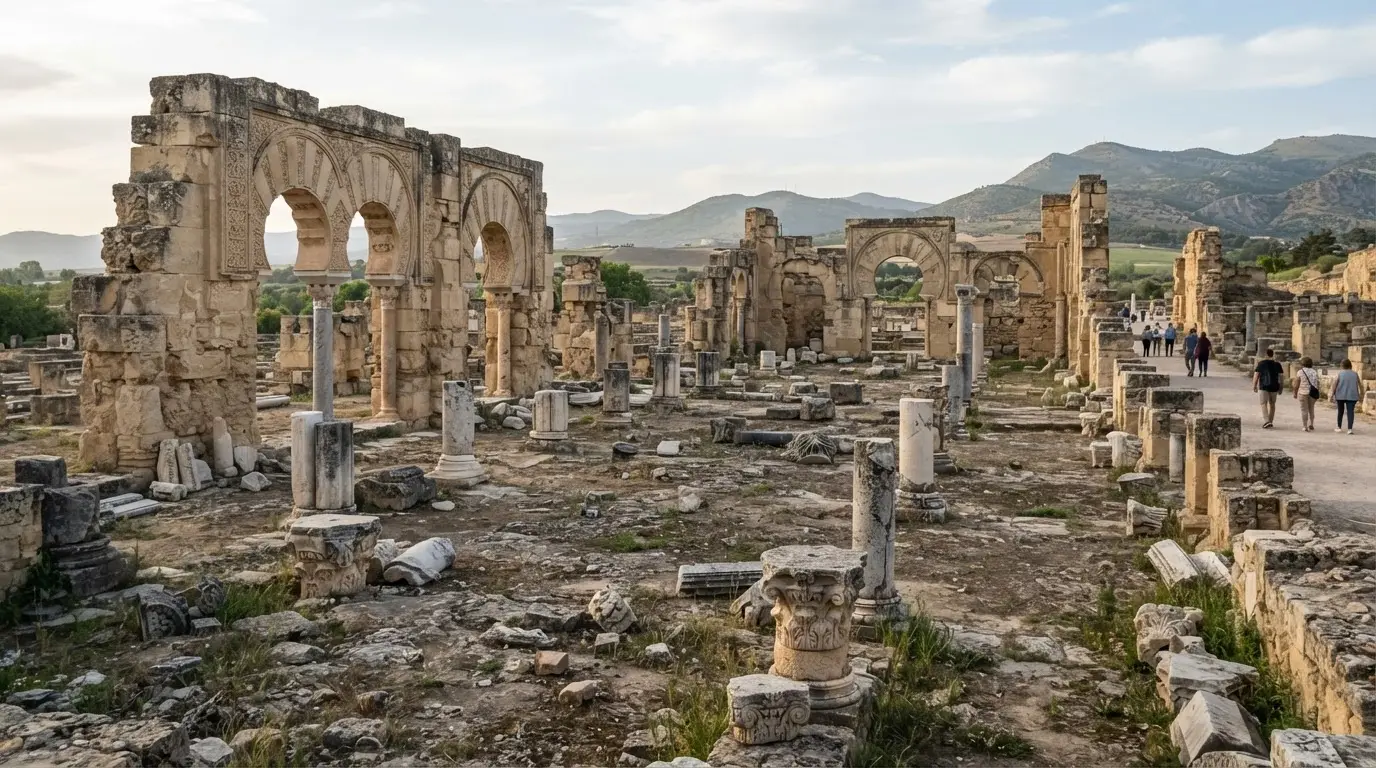
Al-Hakam II's Library: 400,000 Books That Vanished
Sophie Marchand Updated
Al-Hakam II's library at Madinat al-Zahra, now a UNESCO World Heritage site, held 400,000 manuscripts in the 960s. Almanzor burned the philosophy books.
Read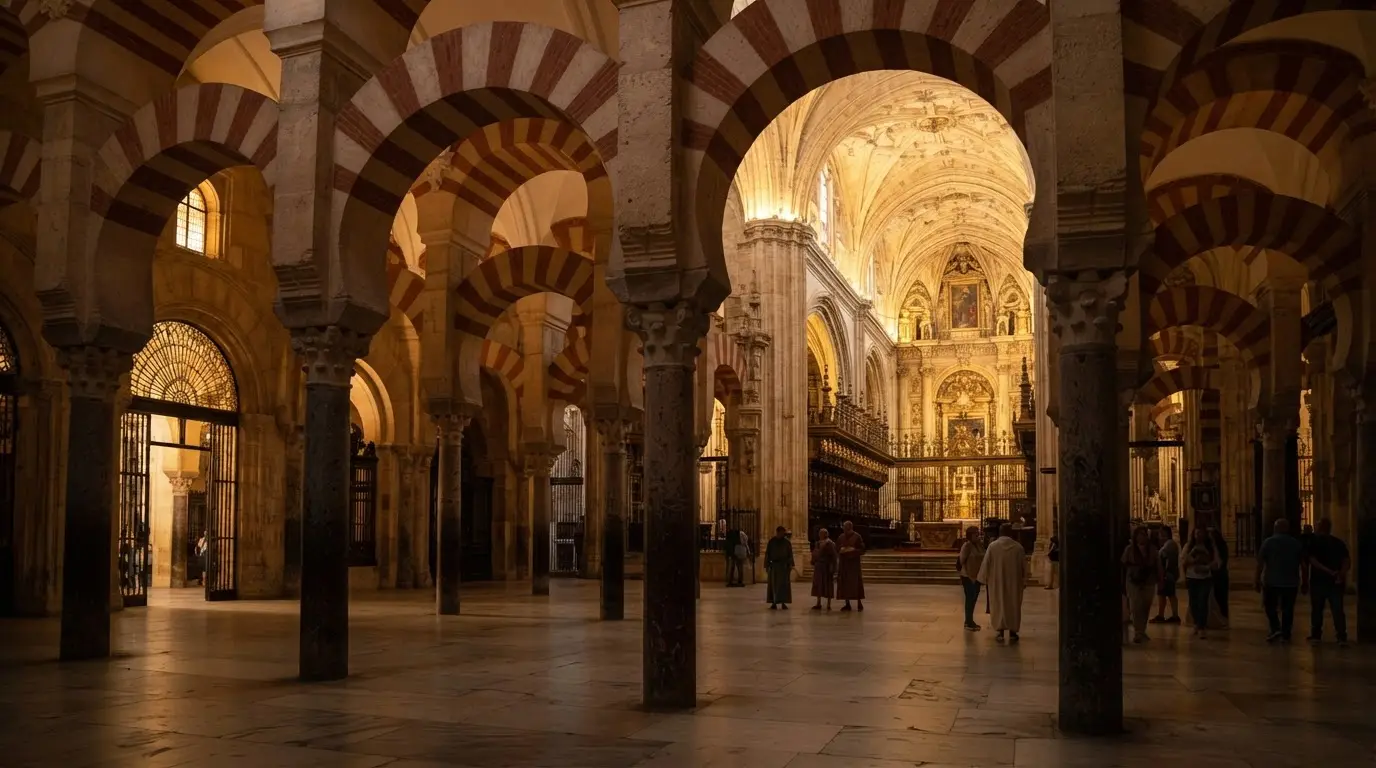
Convivencia: The Story Córdoba Tells About Itself
Sophie Marchand Updated
Convivencia, the interfaith harmony idea tied to medieval Córdoba, was coined in 1948. What the actual history shows is more complex and more interesting.
Read