Articles
Stories, history and food traditions from Córdoba (Page 15)
Long-form editorial pieces written by resident correspondents: cultural deep-dives, the origins of local dishes, and the people and traditions that shape everyday life in Córdoba.
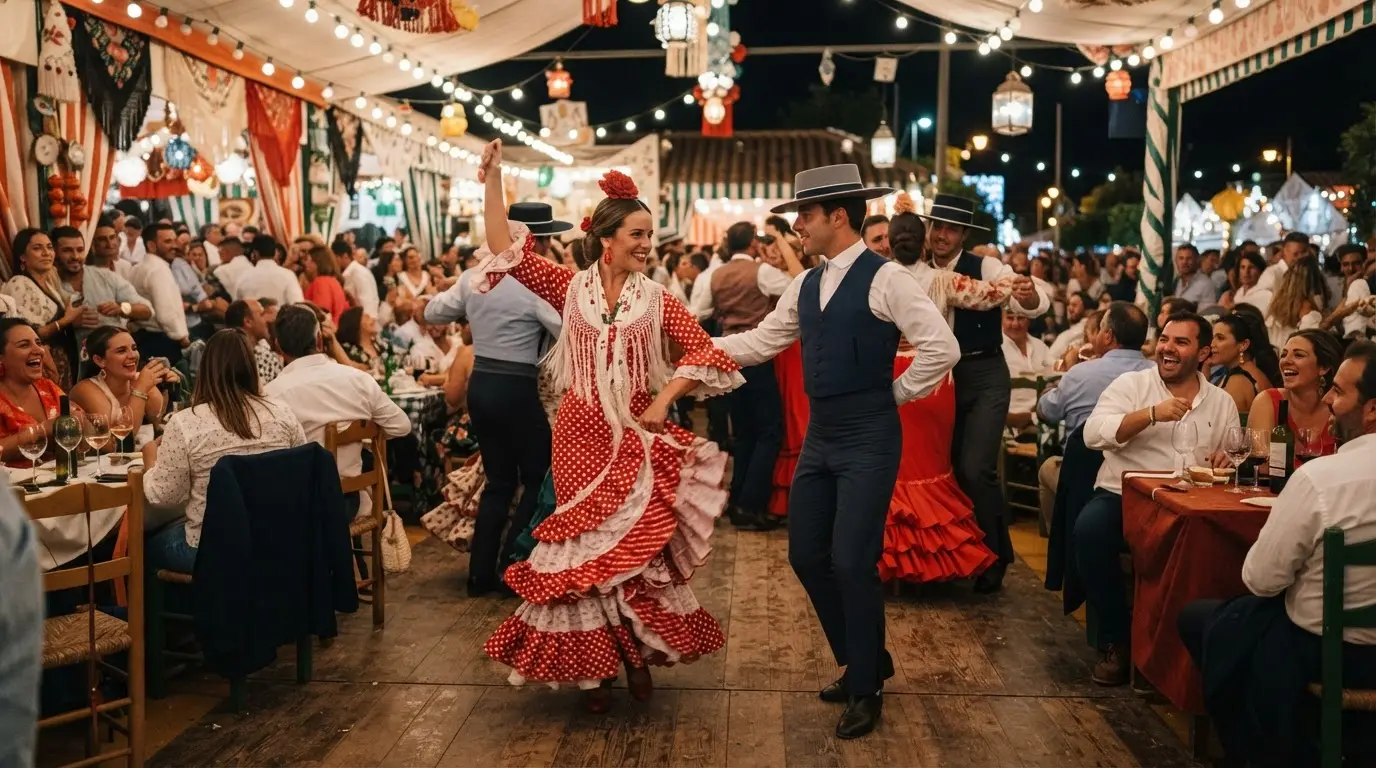
How to Dance Sevillanas at Córdoba's Feria
Sophie Marchand Updated
Learn how to dance sevillanas at the Córdoba Feria. The 4-copla structure, paso, pasada, and braceo, explained for beginners joining the open casetas.
Read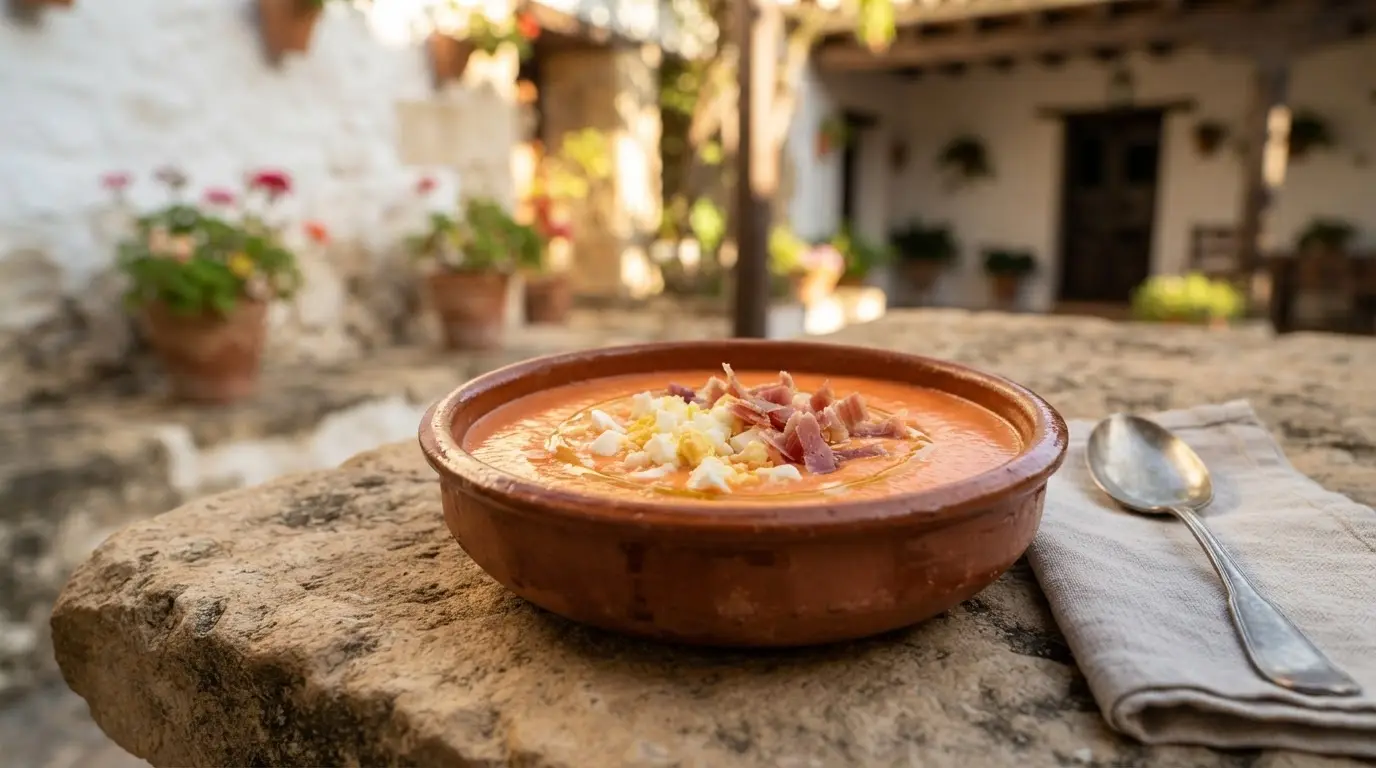
Salmorejo History: When Córdoba's White Soup Turned Red
Pedro Del Pozo Updated
Salmorejo history from a Roman mortar to Al-Andalus mazamorra, the tomato and the 2007 university standard behind Córdoba's cold soup and its own alley.
Read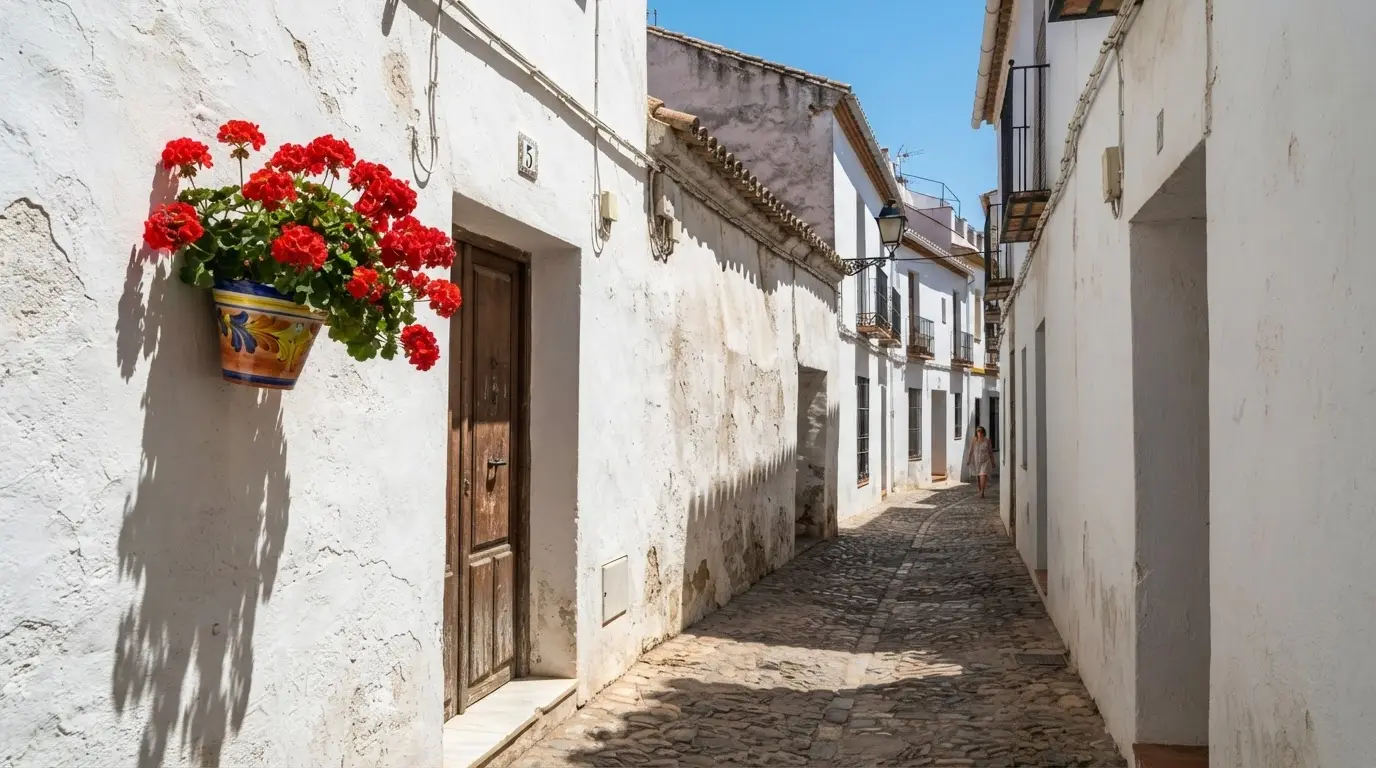
Why Is Córdoba So Hot? Hottest in Spain, Contested in Europe
María Fernanda González Updated
Is Córdoba the hottest city in Europe? Not officially, but it is Spain's hottest large city in July (36.9°C). Why the valley traps heat, and the records.
Read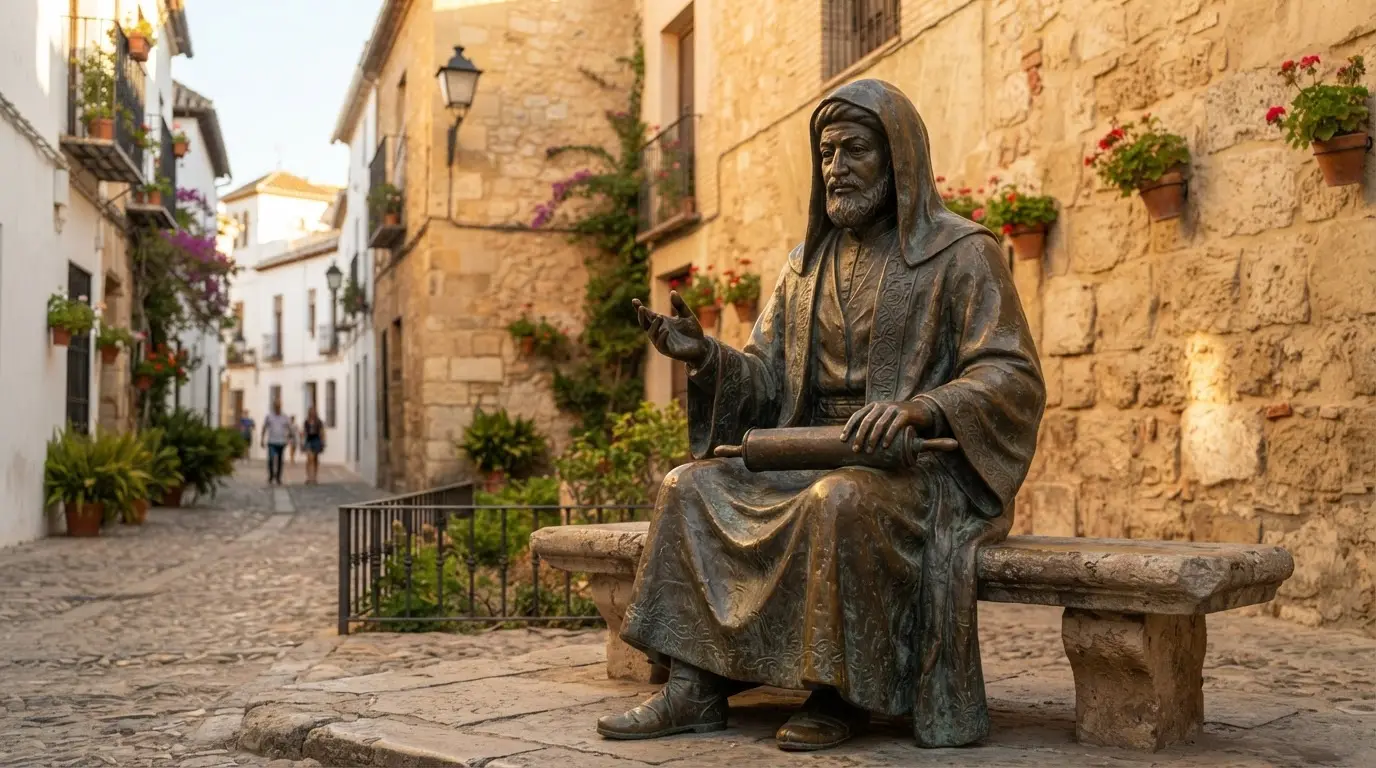
Maimonides: Córdoba's Philosopher Who Changed Judaism
Sophie Marchand Updated
Born in Córdoba in 1138, Maimonides codified Jewish law, reconciled Aristotle with the Torah, and influenced Aquinas. His statue stands in the Judería today.
Read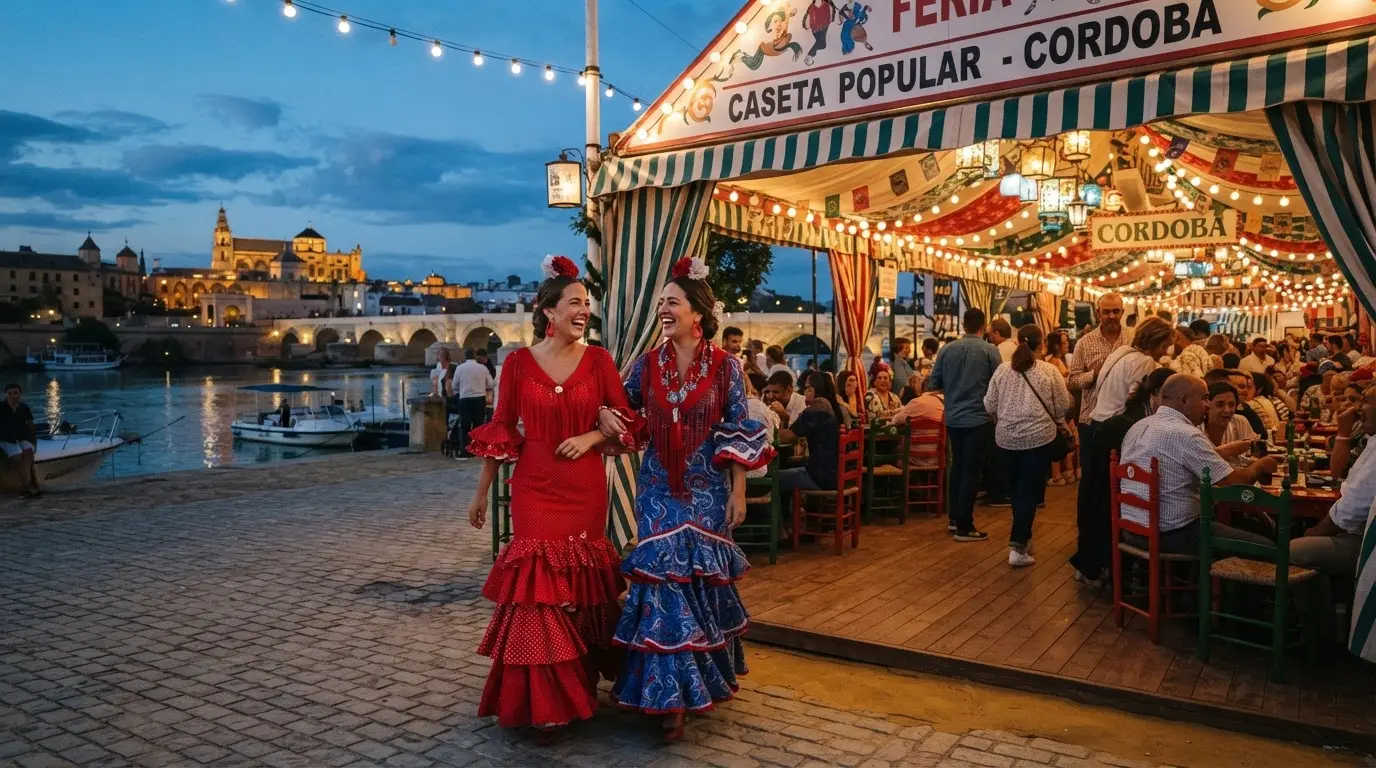
Feria Córdoba vs Seville: The Real Differences
Sophie Marchand Updated
Córdoba's casetas need no invitation; Seville's 1,000+ are mostly private. Founded in 1284 vs 1847 — see how the two ferias compare, and why it matters.
Read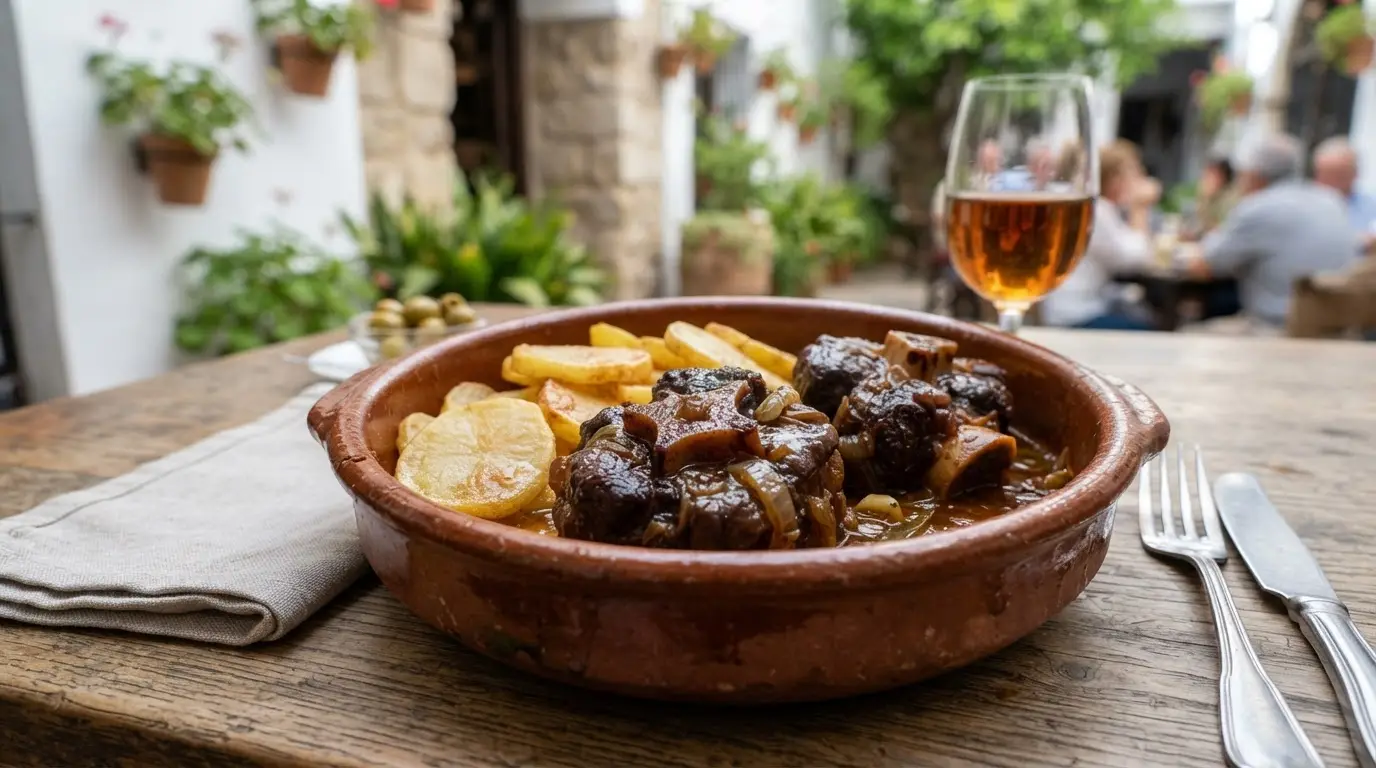
Rabo de Toro: Córdoba's Dish Born at the Bullring
Pedro Del Pozo Updated
Rabo de toro began as offal from Córdoba's bullring, given free to working-class families. How a 19th-century survival food became a €16–24 taberna staple.
Read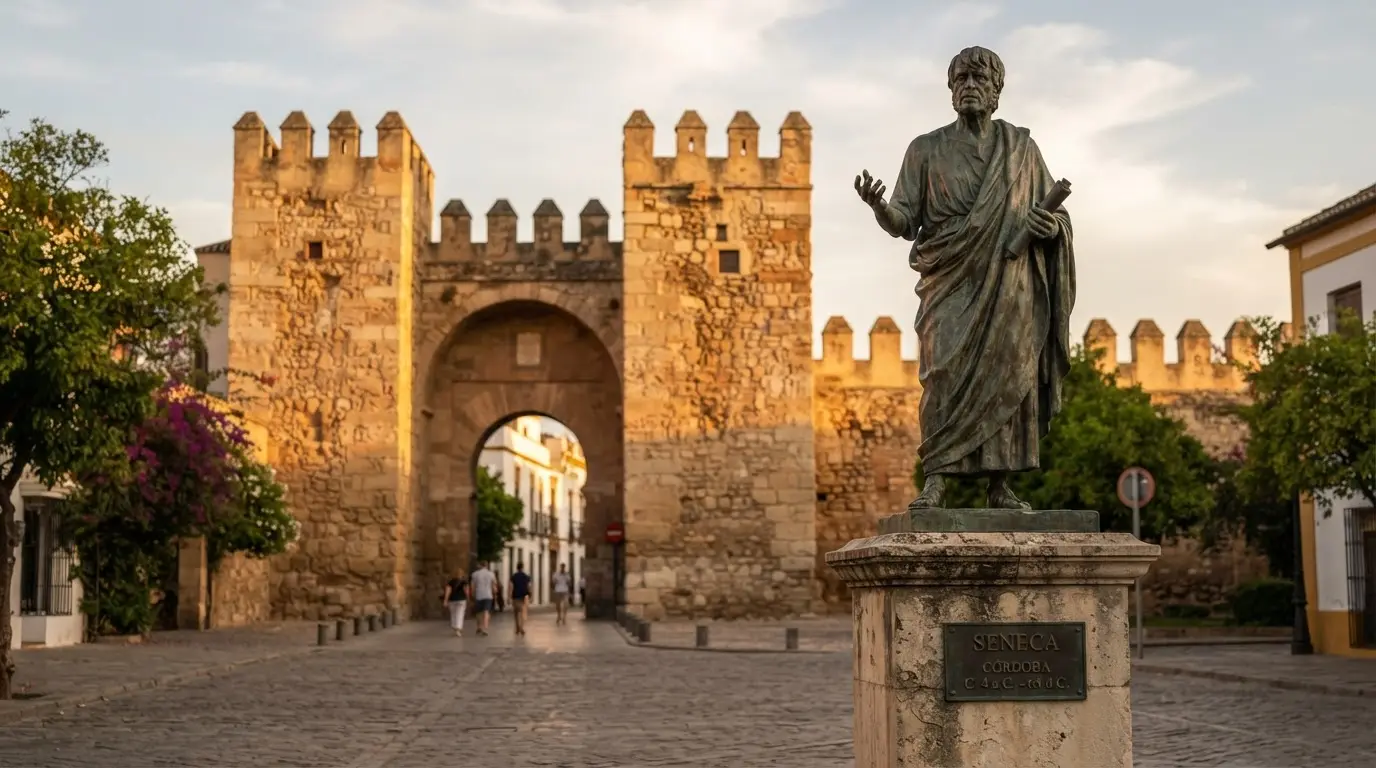
Seneca: Born in Córdoba, Philosopher to an Empire
María Fernanda González Updated
Born in Roman Córdoba around 4 BCE, Seneca became Nero's tutor, wrote 124 Moral Letters that shaped the essay form, and died in 65 CE by opening his veins.
Read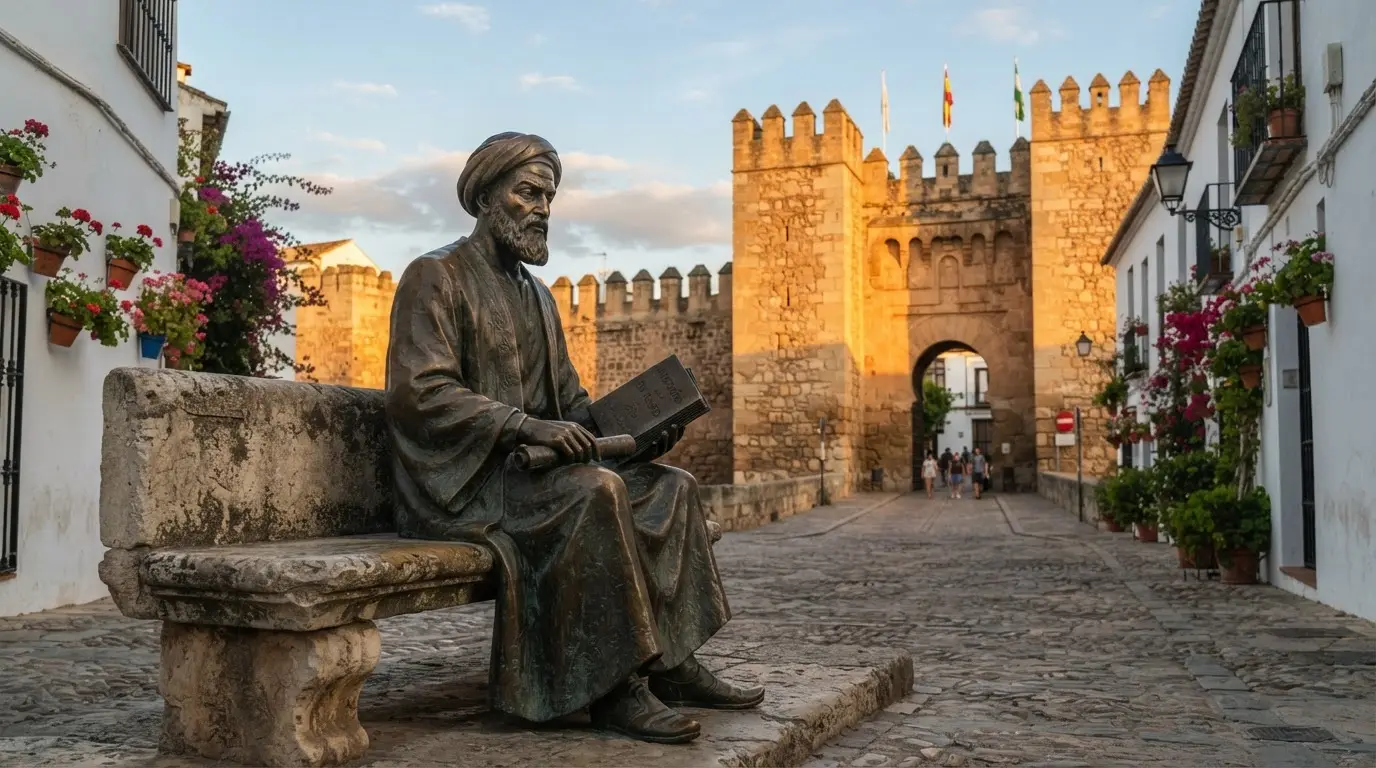
Averroes: Córdoba's Philosopher Who Saved Aristotle
Sophie Marchand Updated
Born in Córdoba in 1126, Averroes wrote the commentaries that returned Aristotle to Christian Europe. Thomas Aquinas read him. Paris called him the Commentator.
Read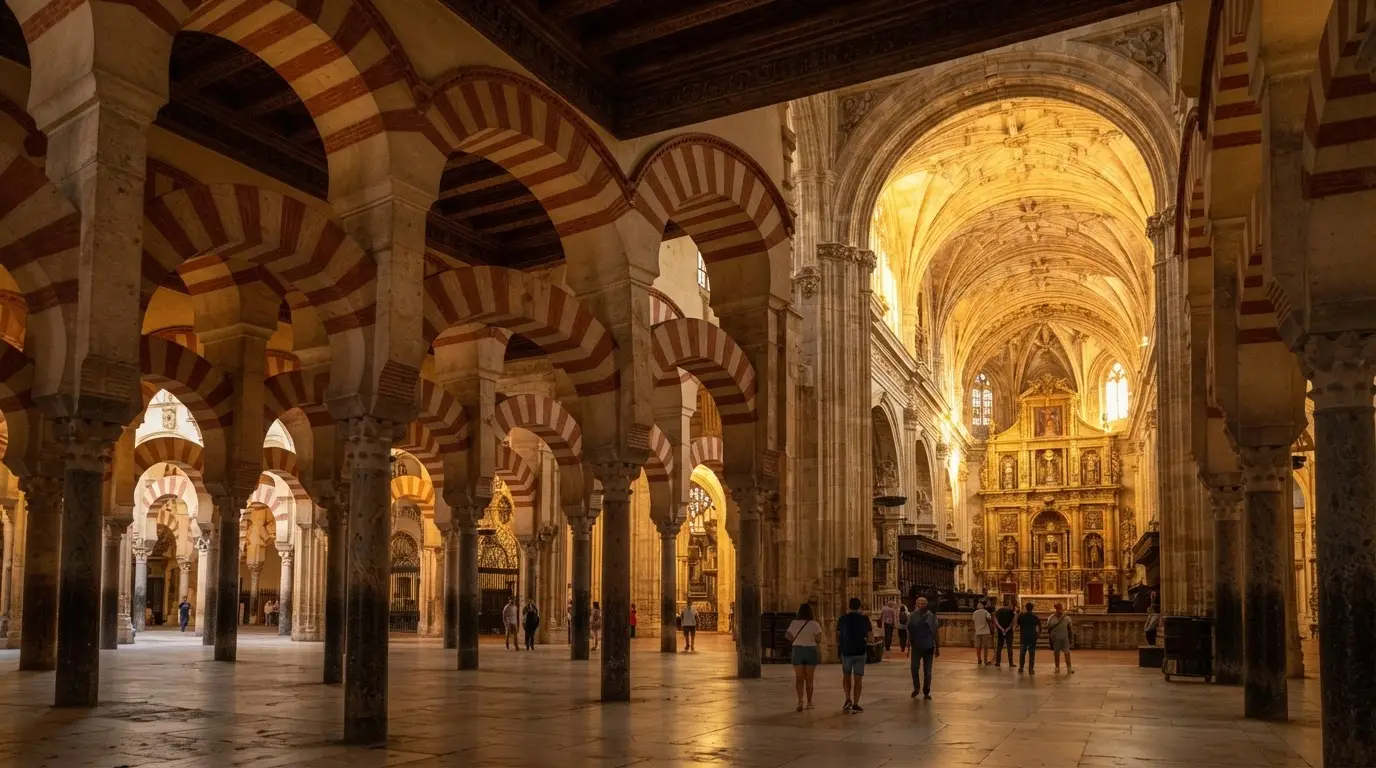
Is the Mezquita a Mosque or a Cathedral? Why It Has Three Names
Sophie Marchand Updated
Mezquita means mosque in Spanish, yet Córdoba's monument has been a Catholic cathedral since 1236. Why it carries three names and how its status is disputed.
Read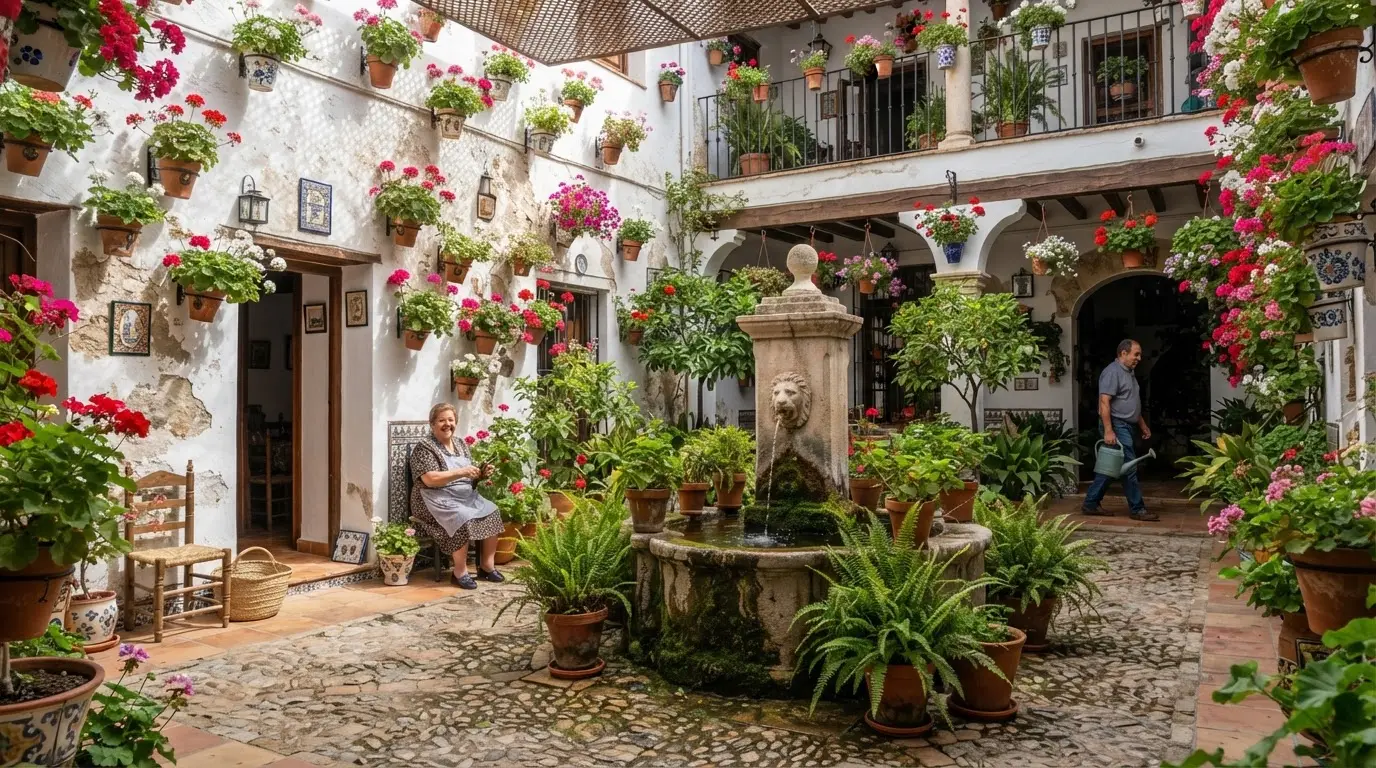
Córdoba's Patios: Why They Exist and Endure
María Fernanda González Updated
Córdoba's patios stay 10–15°C cooler than the street. Two thousand years of Roman, Moorish and Christian engineering explain why, and why they still work.
Read