Articles
Stories, history and food traditions from Córdoba (Page 14)
Long-form editorial pieces written by resident correspondents: cultural deep-dives, the origins of local dishes, and the people and traditions that shape everyday life in Córdoba.
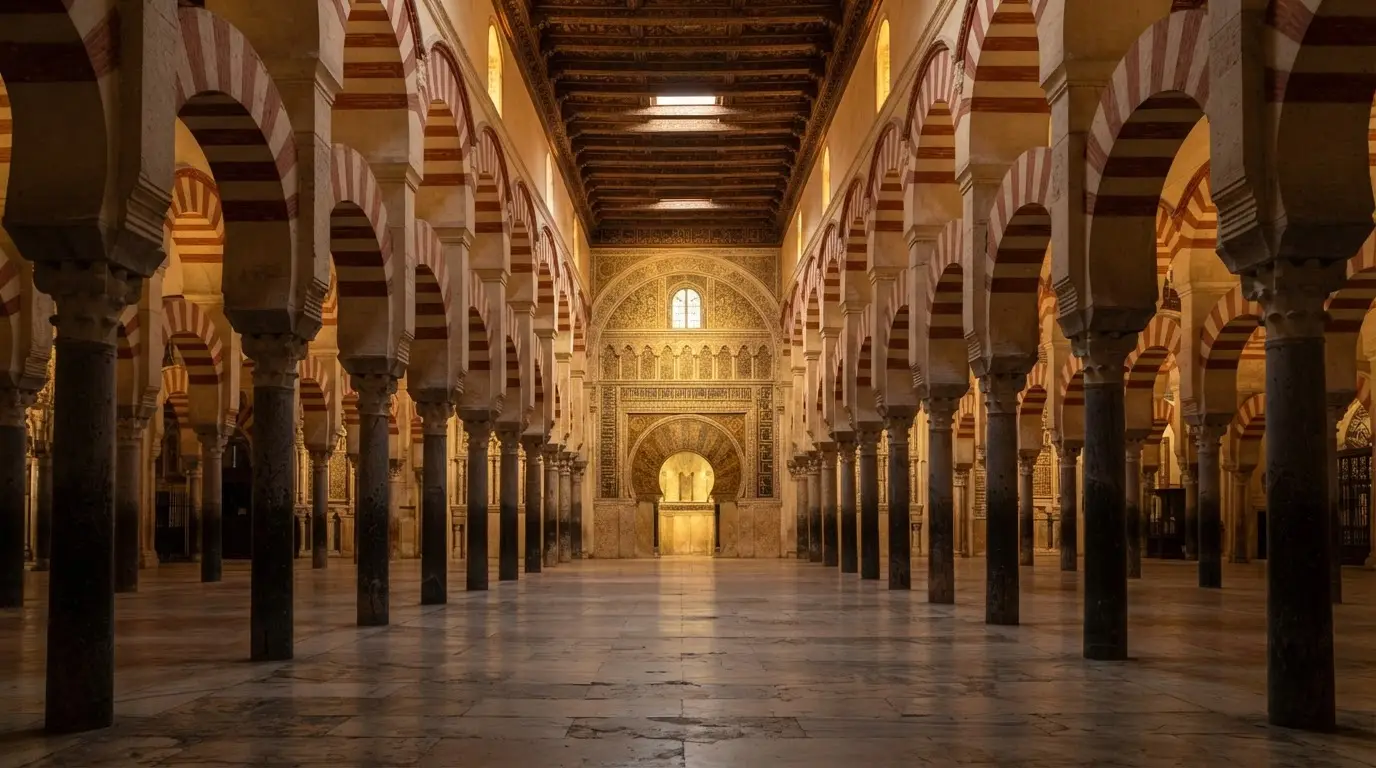
The Mezquita the Church Owns, and Muslims Can't Pray In
Sophie Marchand Updated
The Mezquita prayer ban dates to 2003, when Muslims were reportedly ejected mid-prayer. The Church registered it for a fee in 2006. Naming remains disputed.
Read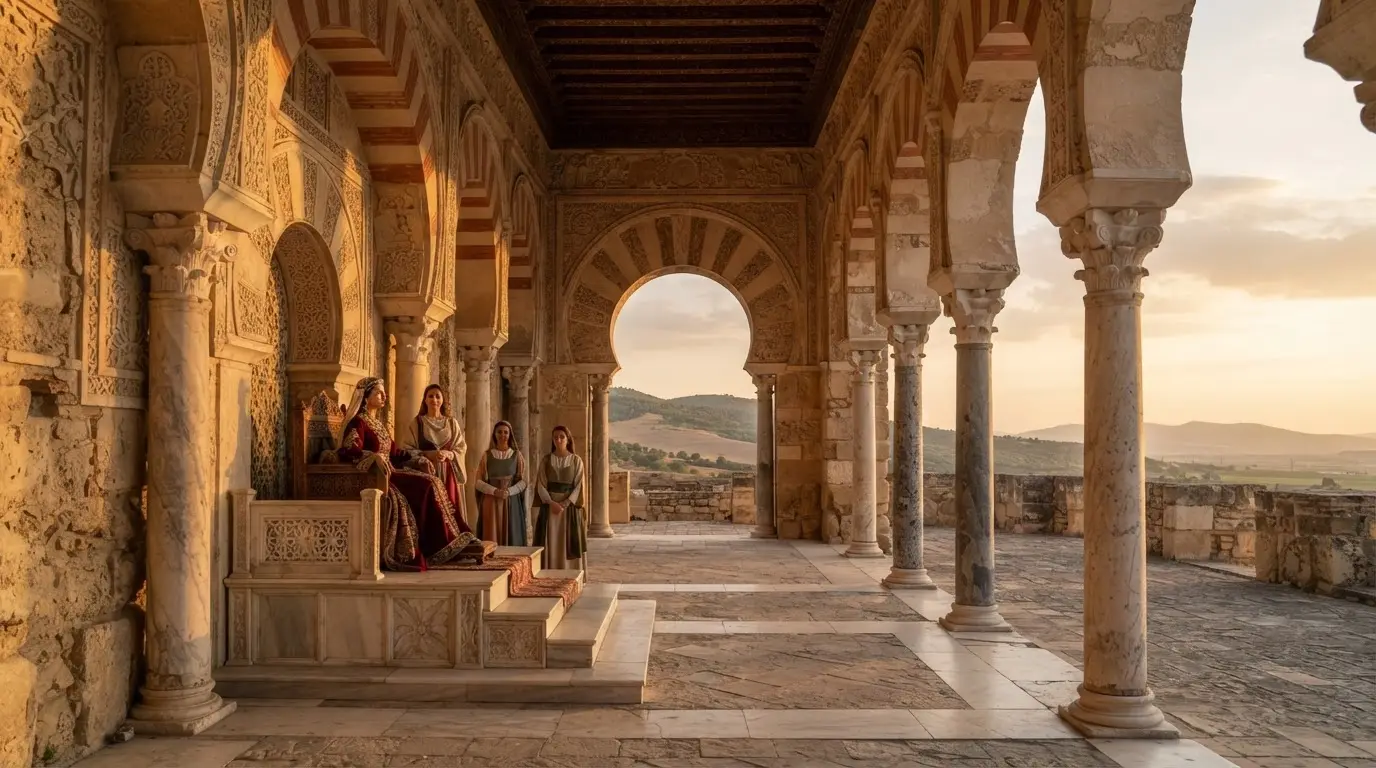
Subh of Córdoba: The Slave Who Ruled the Caliphate
Sophie Marchand Updated
Subh was a Basque concubine who became regent of Córdoba in 976. She put Almanzor in power, then spent a decade trying to bring him down — and failed.
Read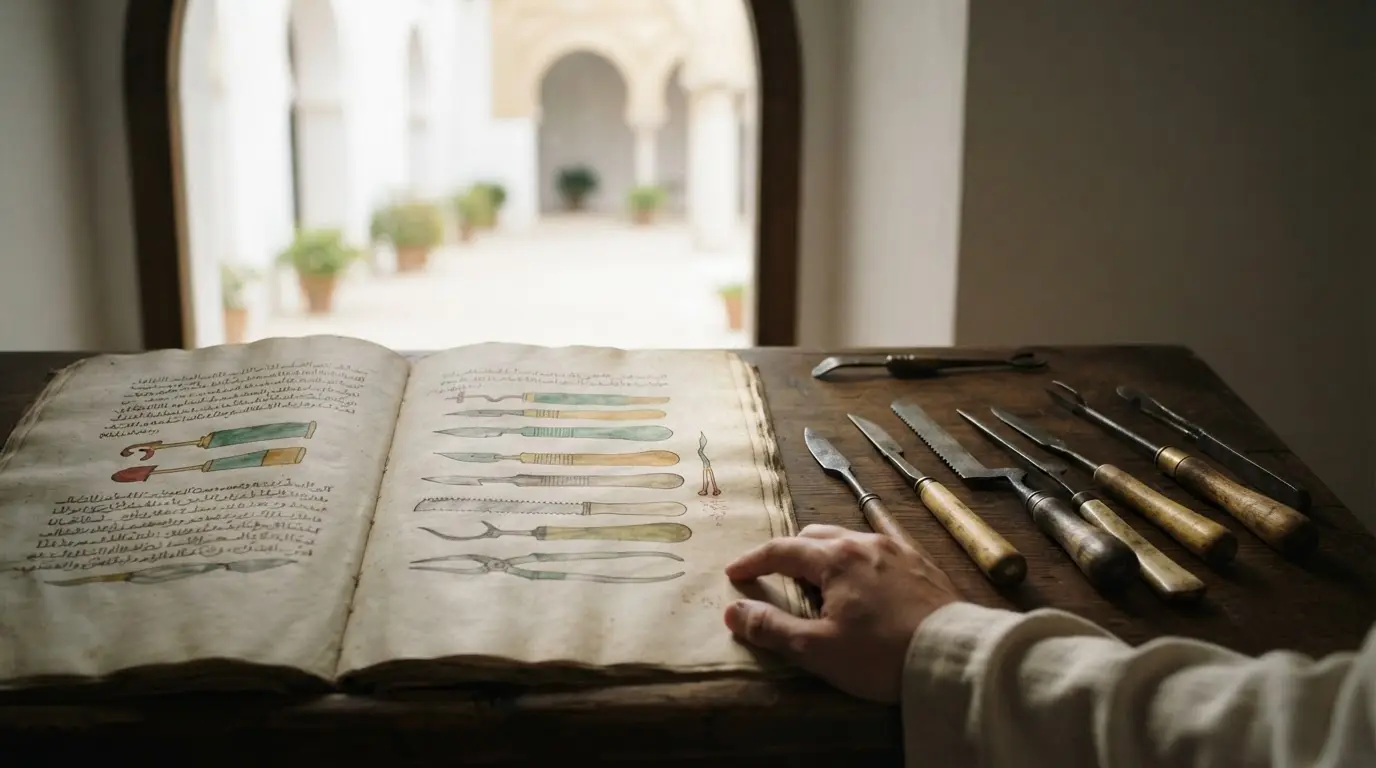
Al-Zahrawi Córdoba: the surgeon who invented the scalpel
Sophie Marchand Updated
Al-Zahrawi, the father of modern surgery, was born near Córdoba in 936 CE. He invented the scalpel and catgut sutures, and shaped surgery for 500 years.
Read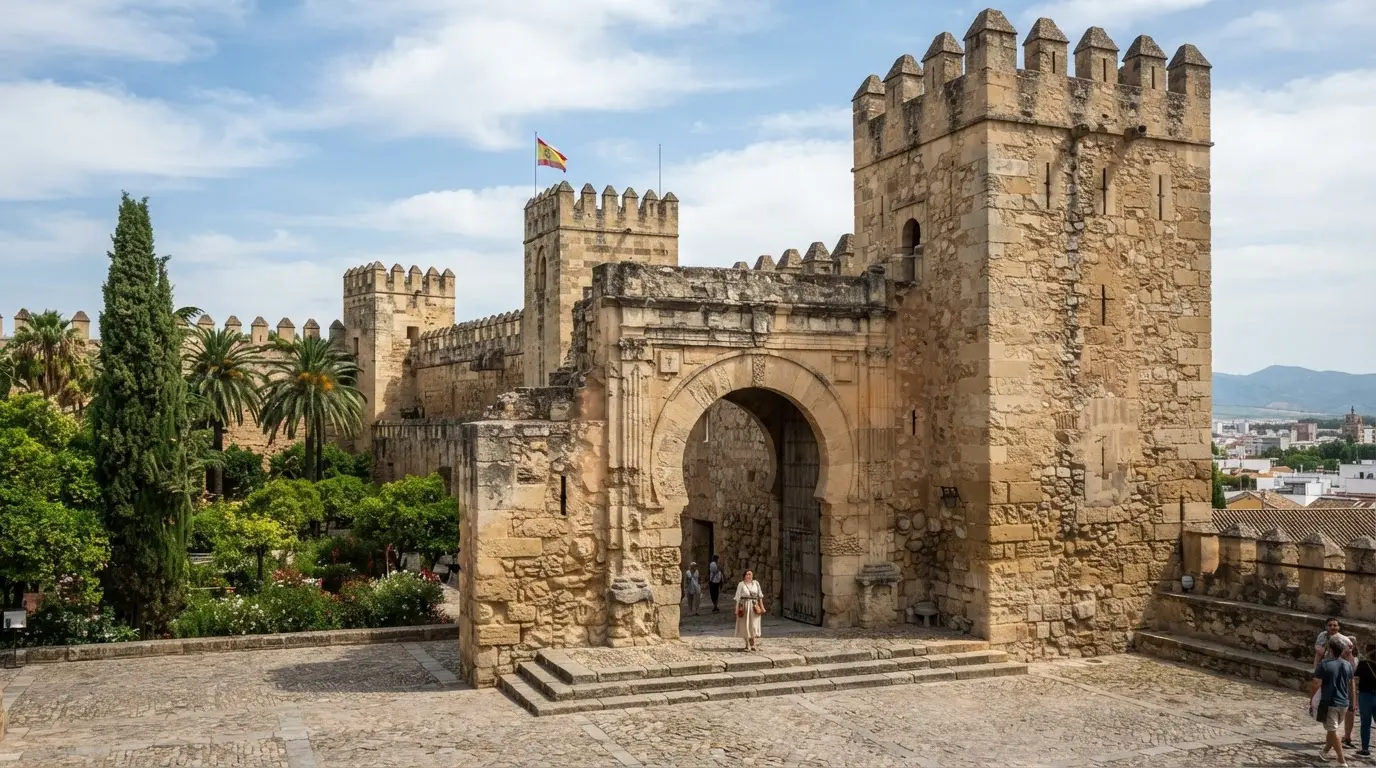
Inquisitor Lucero El Tenebroso: Córdoba's Feared Judge
Sophie Marchand Updated
Lucero El Tenebroso jailed 400+ people and staged Córdoba's largest auto-da-fé in 1504 — one of few Spanish inquisitors formally removed for abuse of authority.
Read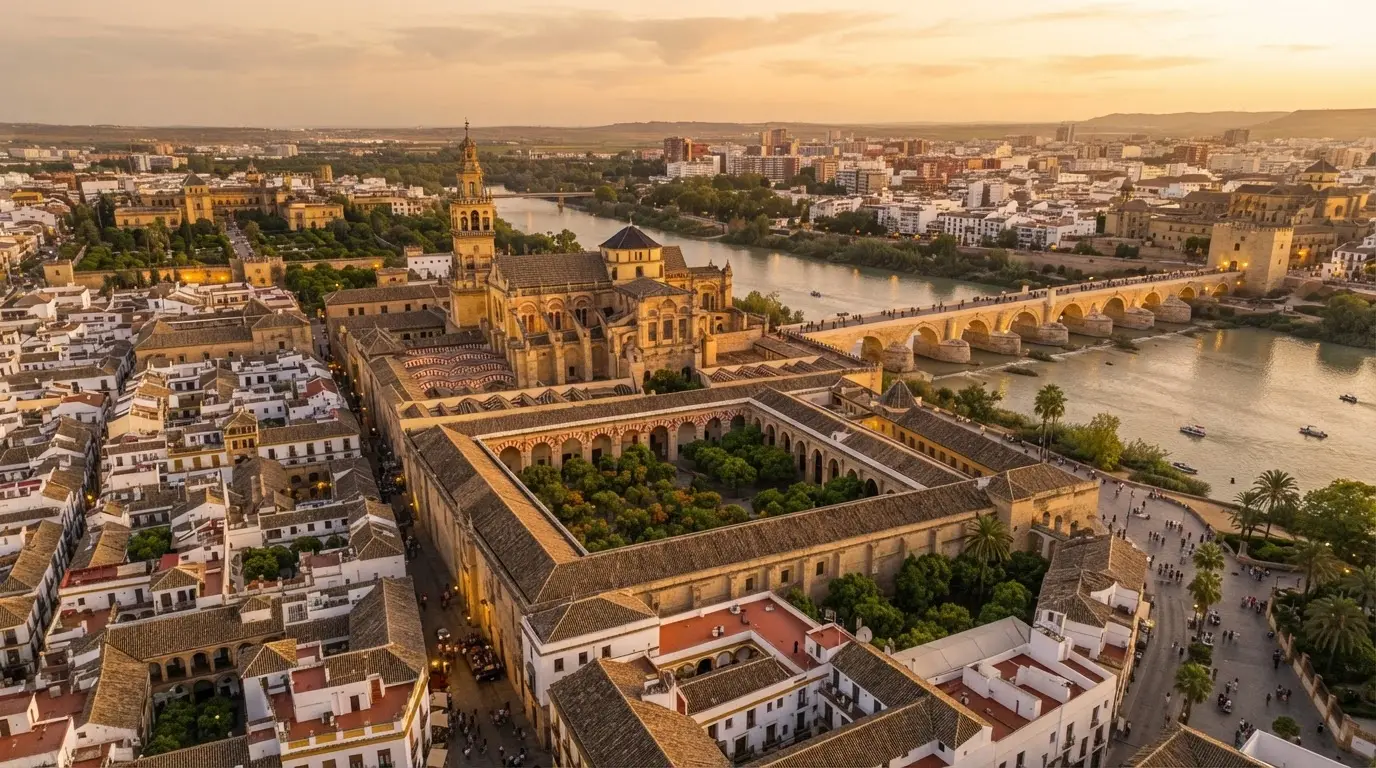
Spain Travel Statistics 2026 Show a Record Year Accelerating
María Fernanda González Updated
Spain welcomed 96.8M tourists in 2025 and 70.4M in Jan–Aug 2026 (INE). Arrivals, spending, regions, source markets, hotel nights and the Córdoba effect.
Read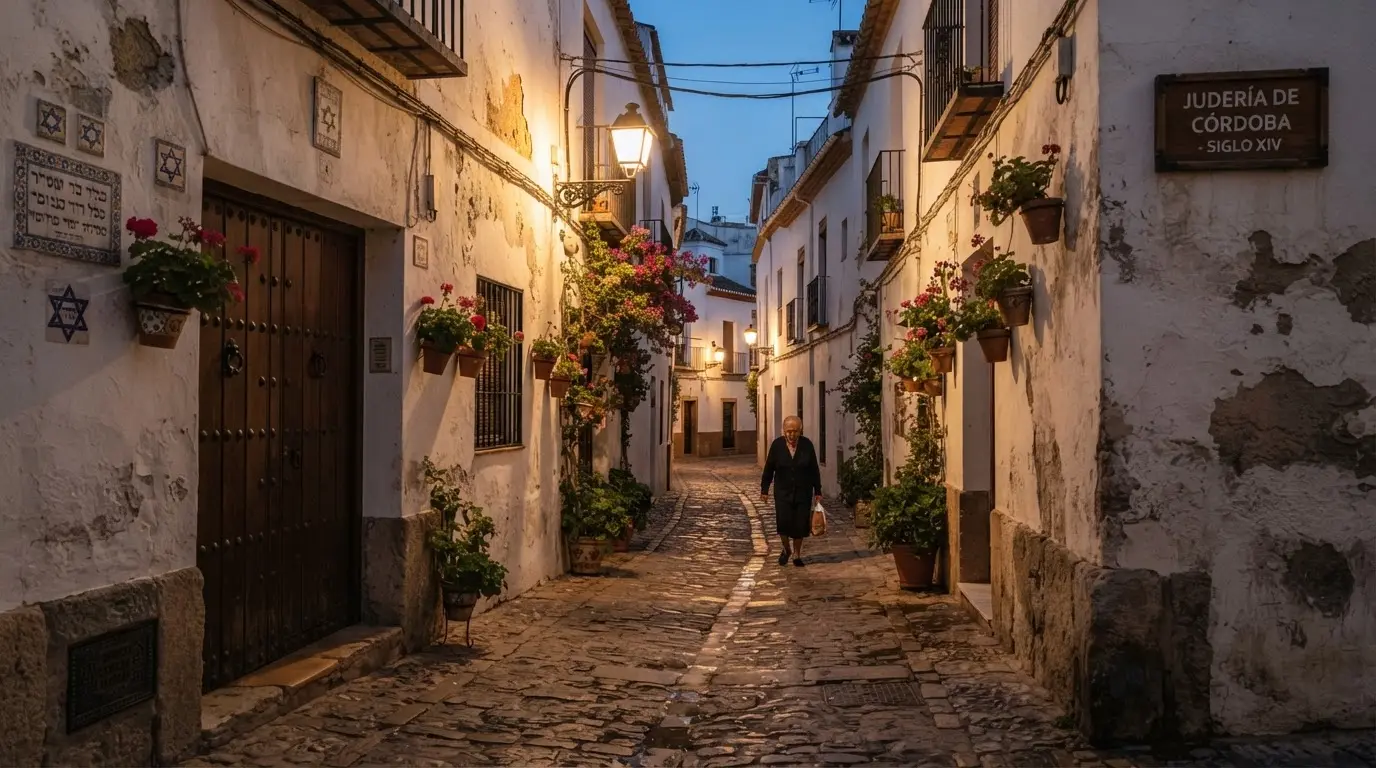
The 1391 Pogrom That Emptied Córdoba's Judería
Sophie Marchand Updated
In summer 1391, pogroms swept Córdoba's Jewish quarter. Forced conversions created the converso class and set the preconditions for the 1492 expulsion.
Read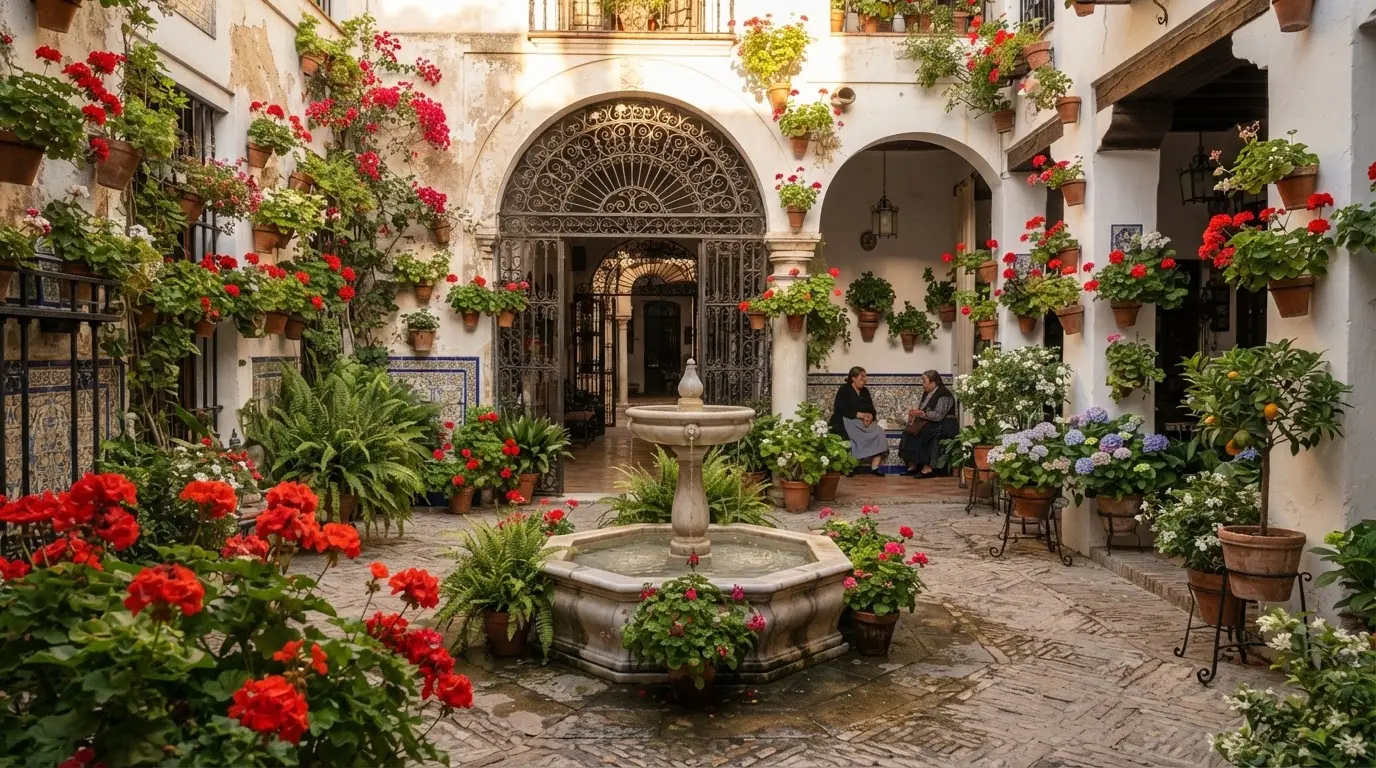
Palacio de Viana's Twelve Patios: A 500-Year Story
María Fernanda González Updated
The Palacio de Viana's twelve patios weren't planned: they accumulated across 500 years and 18 aristocratic owners. How each era shaped a new courtyard.
Read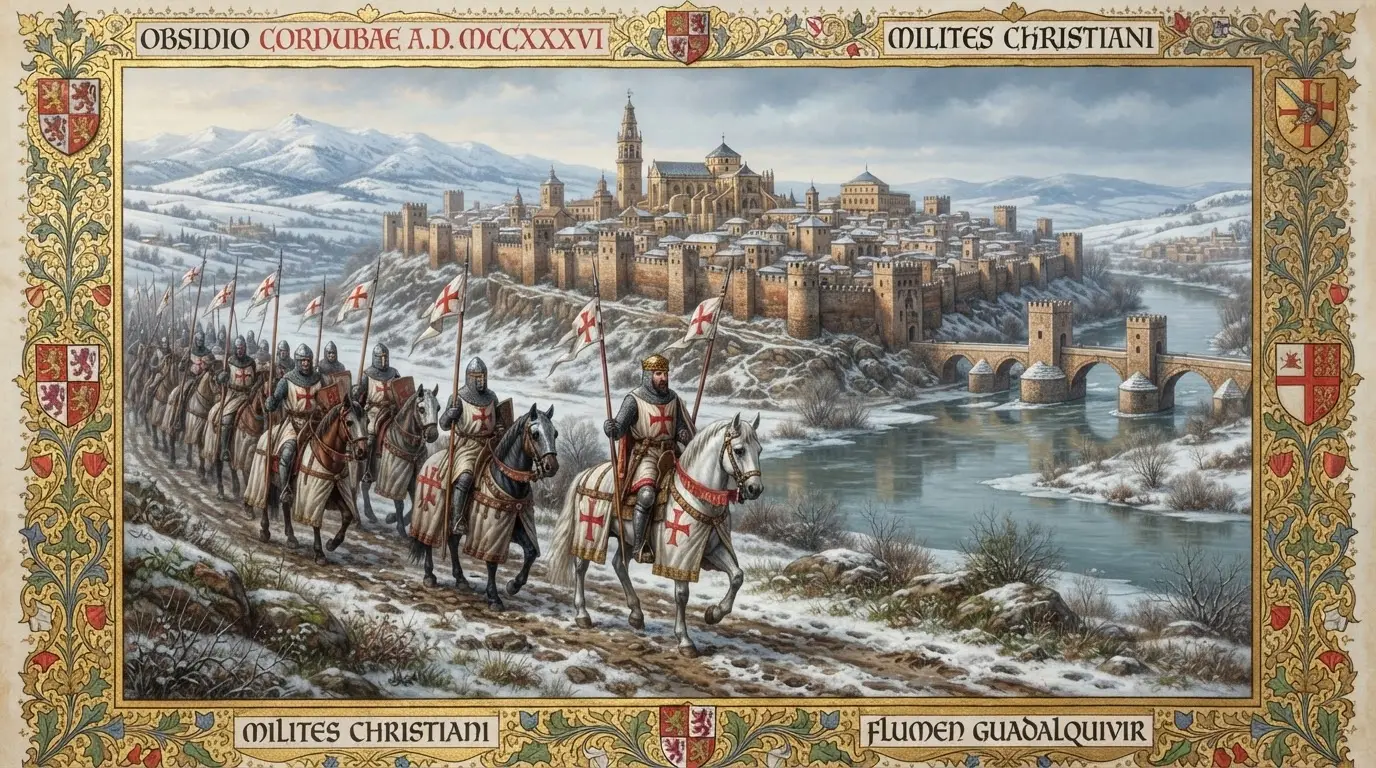
The 1236 Siege of Córdoba: The Night the City Fell
Sophie Marchand Updated
The Siege of Córdoba lasted five months in 1236: an unauthorized almogávar raid opened it, Ferdinand III arrived February 7, and the city surrendered June 29.
Read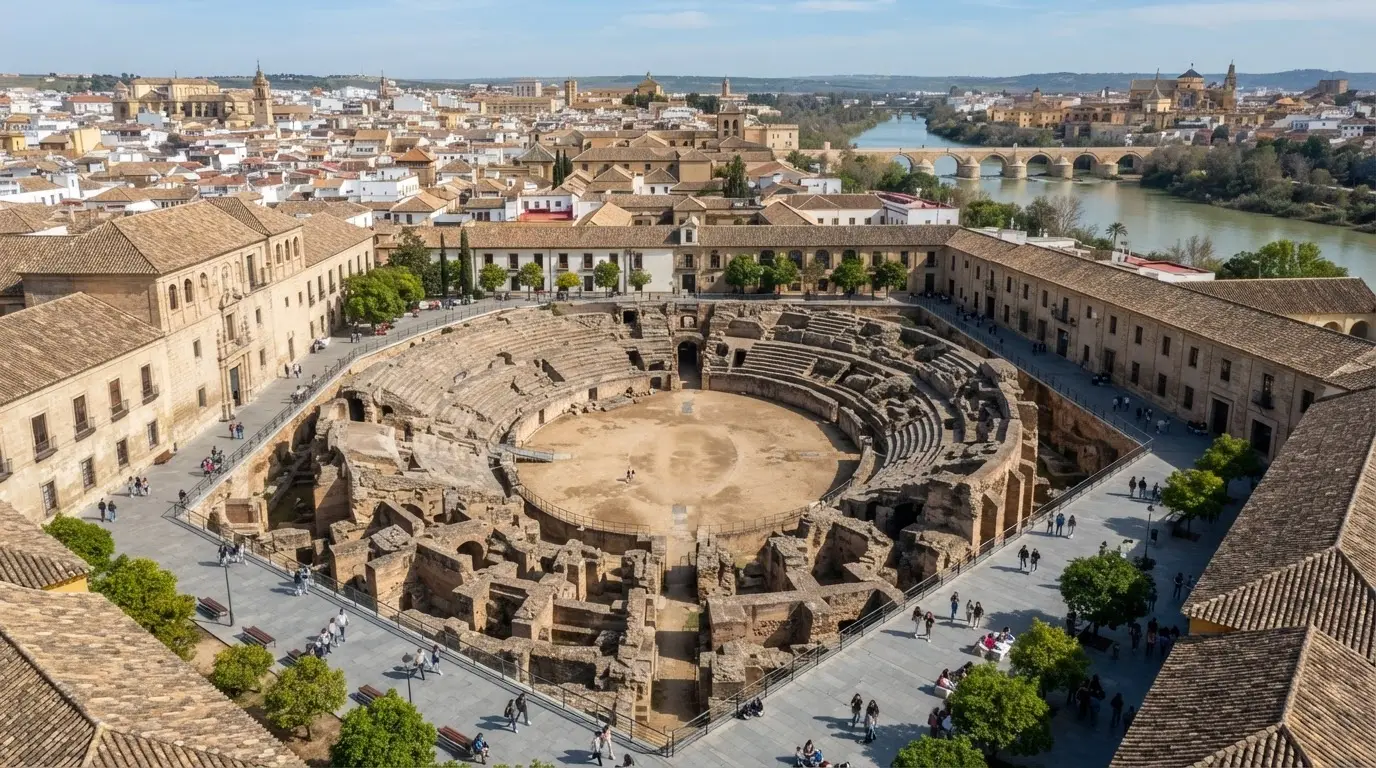
Roman Amphitheatre Córdoba: The Lost Colosseum
María Fernanda González Updated
Córdoba's Roman amphitheatre came to light in 2002 beneath the university's Rectorado. Its major axis is put at roughly 164-178m; no documented public access.
Read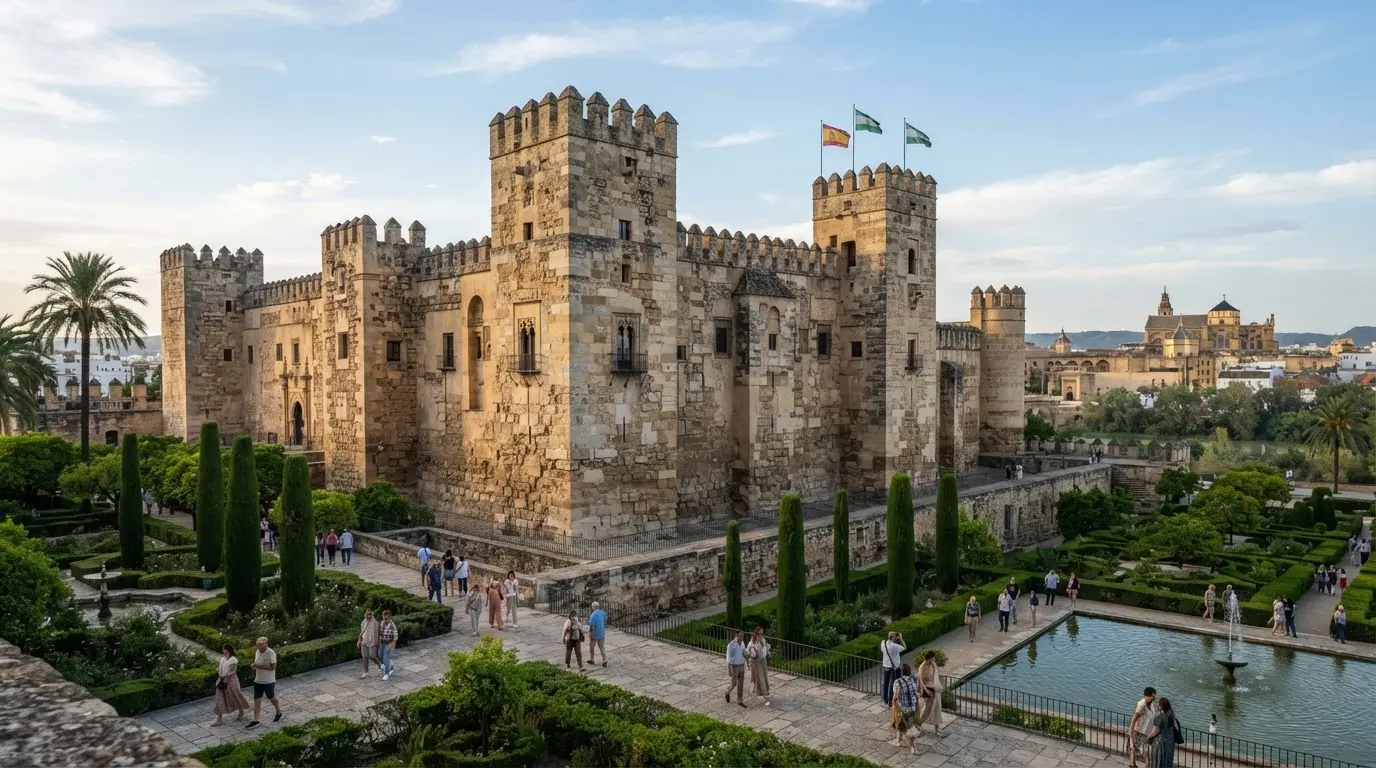
Córdoba's Alcázar as Inquisition HQ: 339 Years of Dark History
Sophie Marchand Updated
The Alcázar de los Reyes Cristianos was headquarters of the alcazar cordoba inquisition for 339 years. What happened inside, and what remains visible today.
Read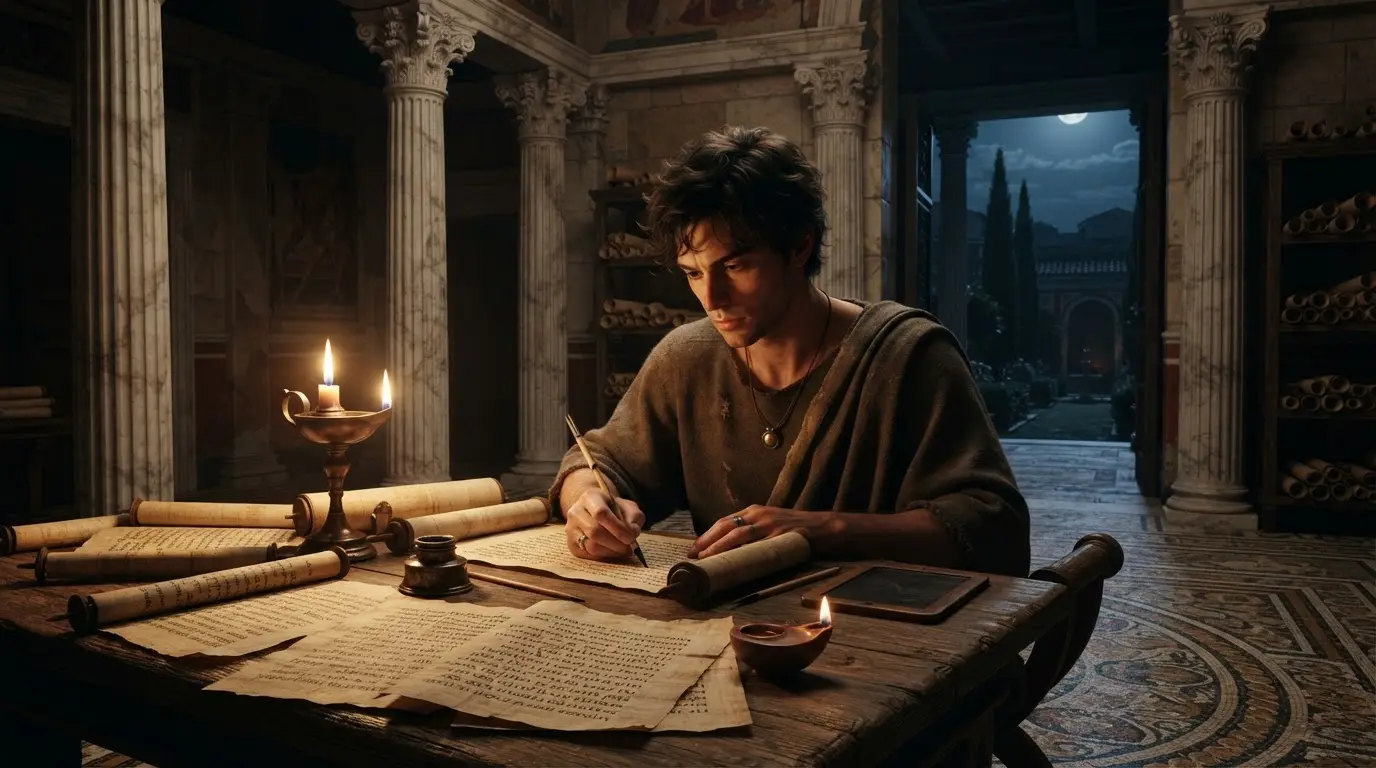
Lucan: The Poet Who Challenged Nero and Lost
Sophie Marchand Updated
Born in Córdoba in 39 AD, Lucan wrote Rome's most defiant epic against a reigning emperor and was forced to die at 25. His Pharsalia survives to this day.
Read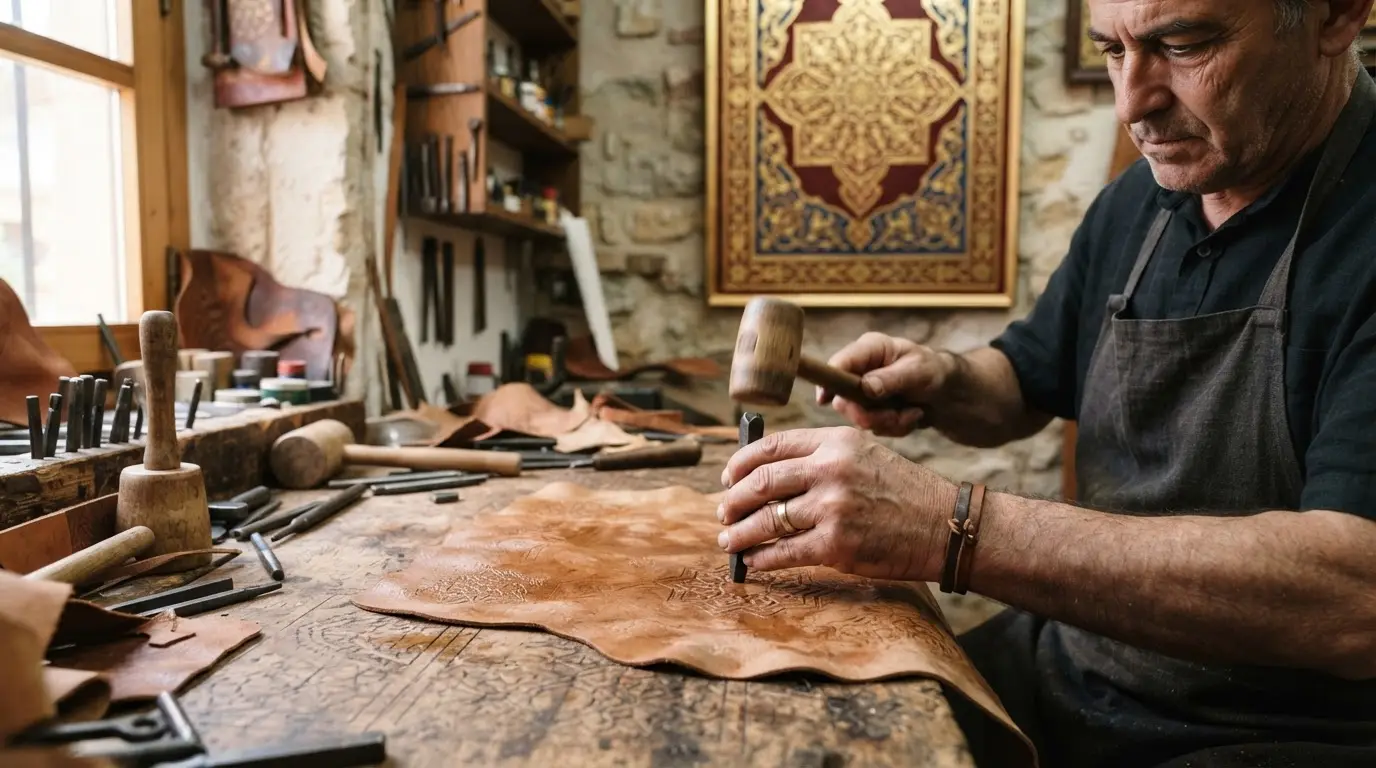
Cordobán Leather: The Craft That Named the English Cordwainer
Sophie Marchand Updated
Córdoba gave English its word for shoemaker. How medieval goatskin tanned with sumac became Europe's finest leather and named a London guild still active today.
Read