Articles · Caliphate of Córdoba
The Caliphate of Córdoba: Articles on the Caliphal Age (Page 3)
An estimated half a million people, a new palace city, a mosque enlarged twice.

Hasdai ibn Shaprut: Córdoba's Jewish Golden Age Architect
Sophie Marchand Updated
Court physician, diplomat, and Hebrew literary patron: how Hasdai ibn Shaprut turned 10th-century Córdoba into the centre of Jewish intellectual life.
Read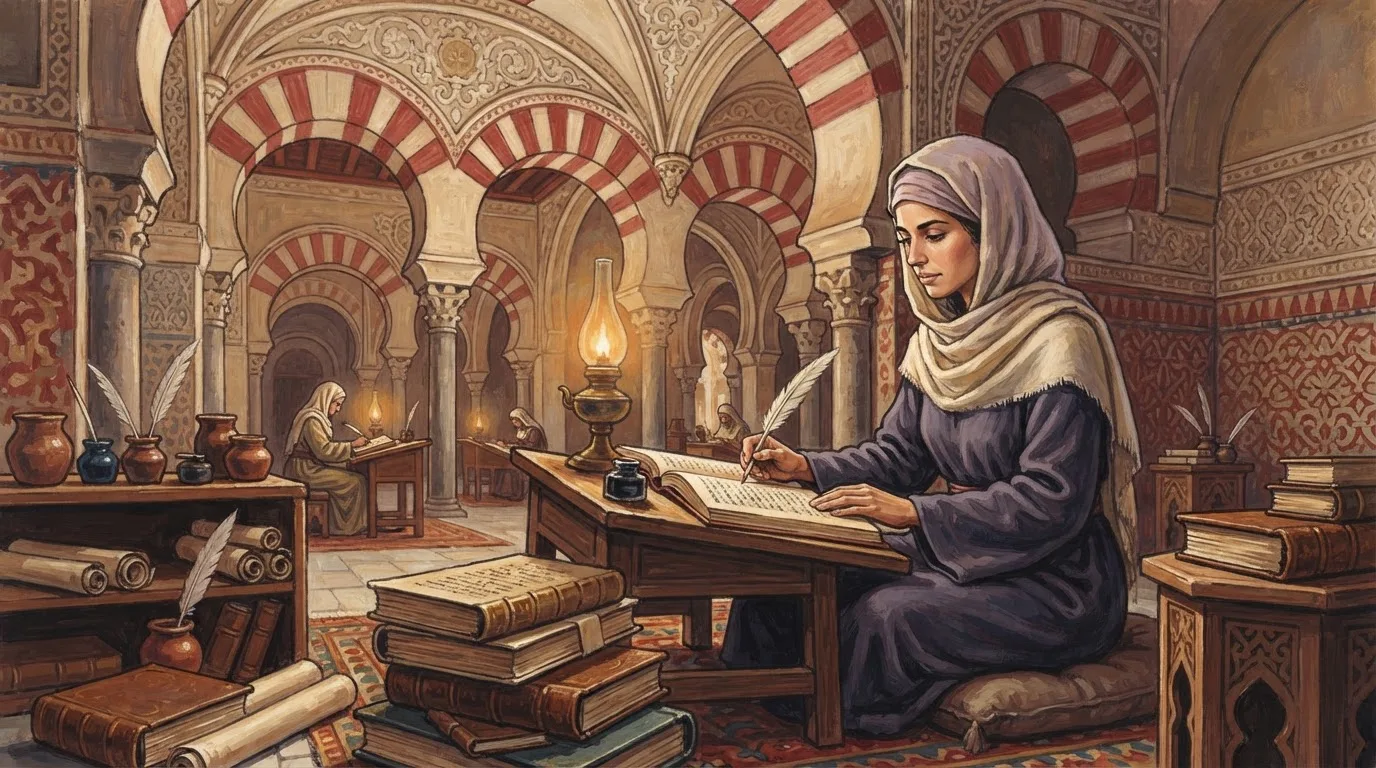
Lubna of Córdoba: the slave who ran a royal library
Sophie Marchand Updated
Lubna of Córdoba was an enslaved mathematician who became secretary to Caliph al-Hakam II and helped run his vast palace library at Medina Azahara, Spain.
Read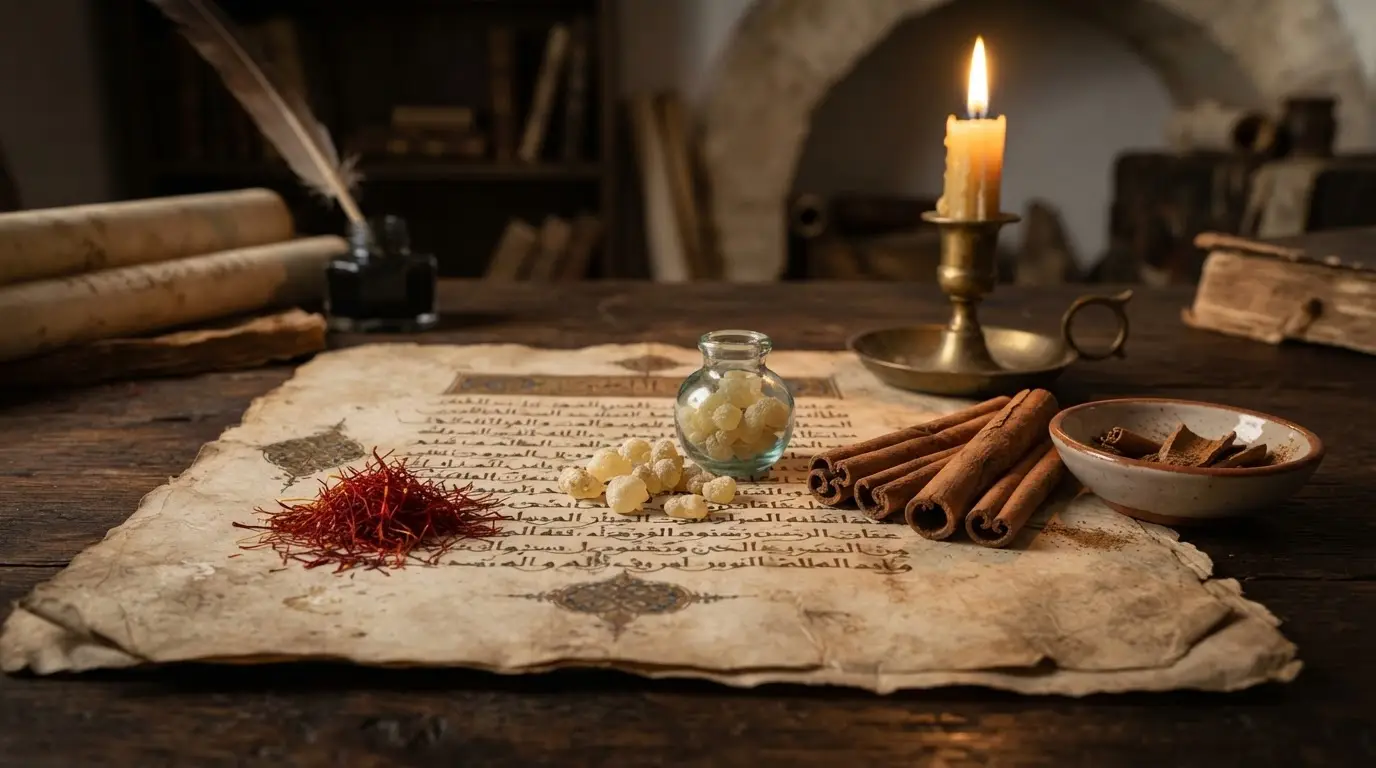
Caliphate Food in Córdoba: How Noor Rebuilt a Lost Kitchen
María Fernanda González Updated
Paco Morales spent years in medieval manuscripts before opening Noor. What caliphate food córdoba actually was — and how he rebuilt it without a single tomato.
Read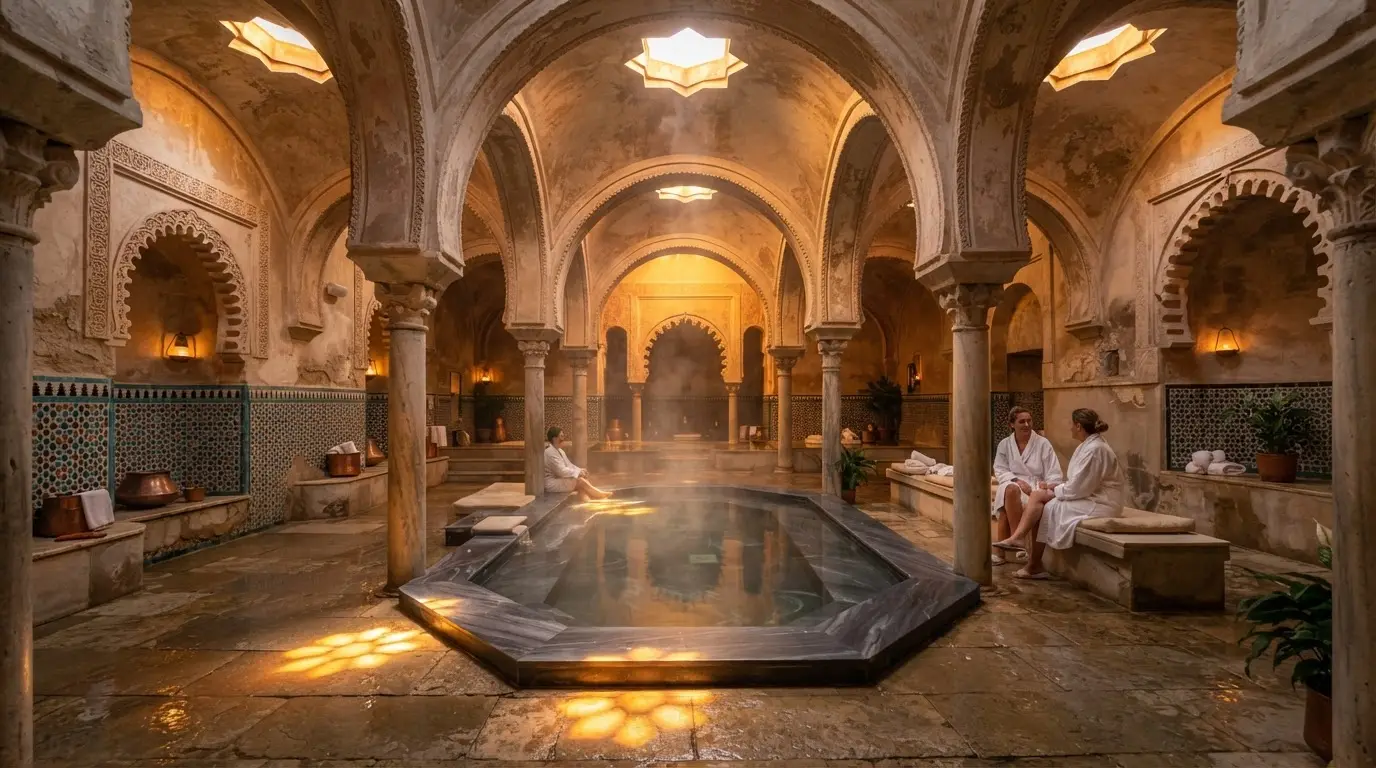
Islamic Hammam Culture in Córdoba: City of Public Baths
Sophie Marchand Updated
Córdoba was the capital of al-Andalus, where historians infer bathhouses proliferated. The theology, rituals and architecture behind its hammam culture.
Read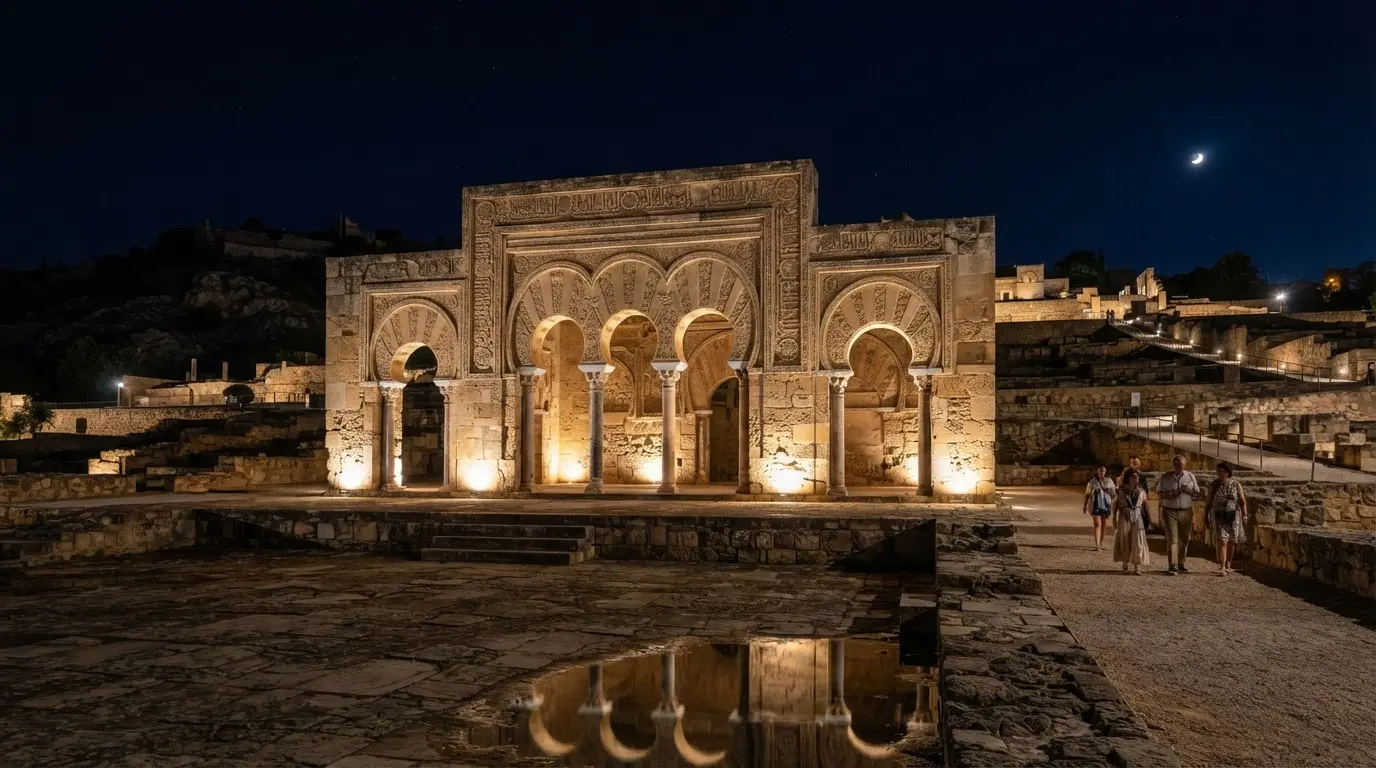
Medina Azahara at Night: Mercury Pools and Reflected Light
María Fernanda González Updated
Medina Azahara night visits run Fri–Sat at 9 p.m. (€15). What chroniclers recorded about the mercury-pool throne room and what the ruins look like after dark.
Read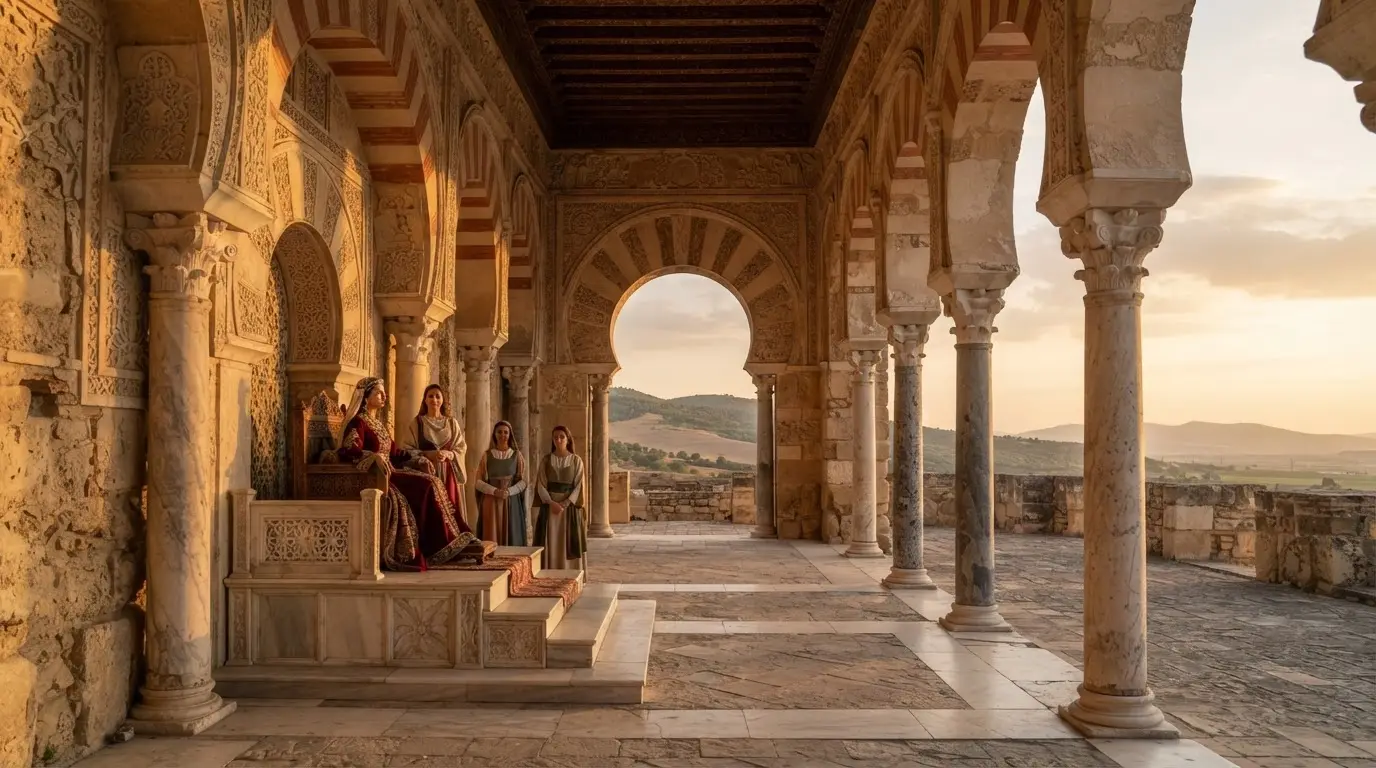
Subh of Córdoba: The Slave Who Ruled the Caliphate
Sophie Marchand Updated
Subh was a Basque concubine who became regent of Córdoba in 976. She put Almanzor in power, then spent a decade trying to bring him down — and failed.
Read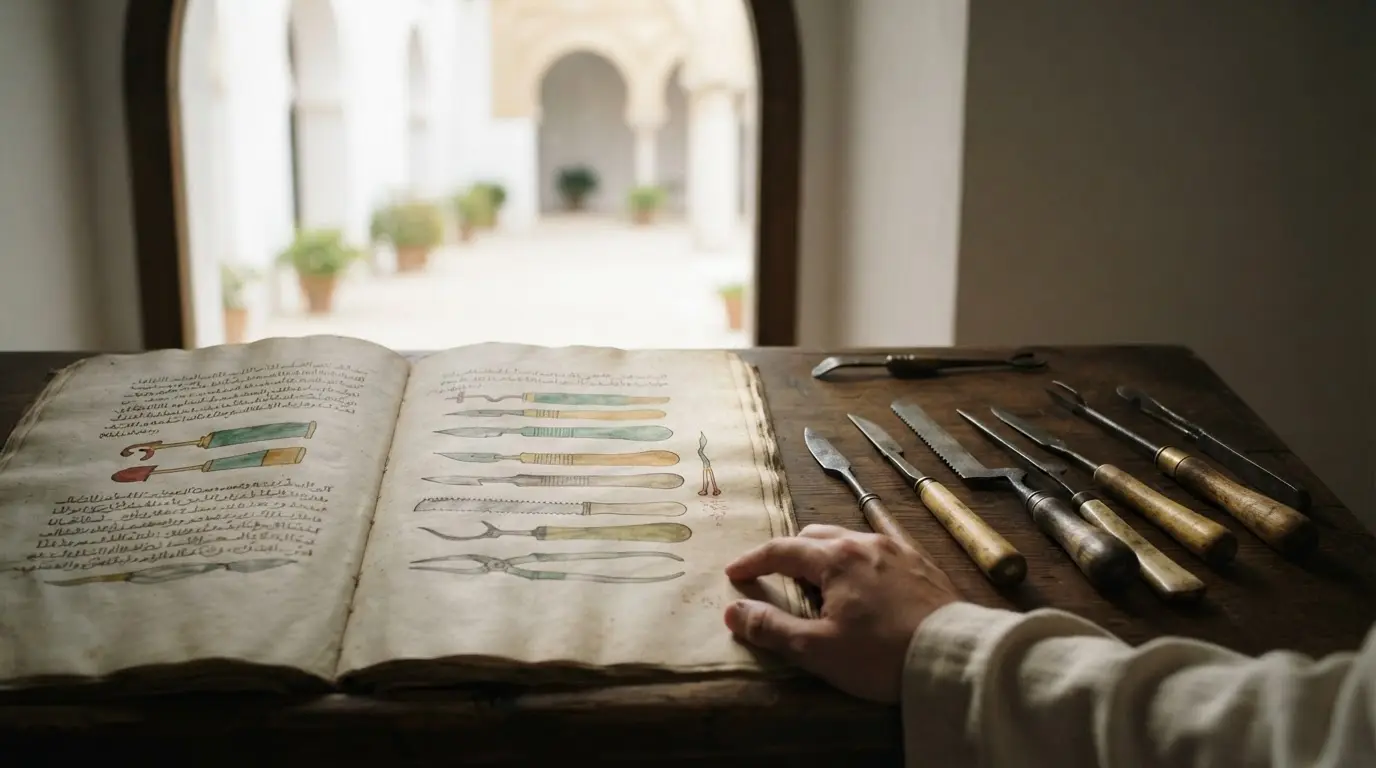
Al-Zahrawi Córdoba: the surgeon who invented the scalpel
Sophie Marchand Updated
Al-Zahrawi, the father of modern surgery, was born near Córdoba in 936 CE. He invented the scalpel and catgut sutures, and shaped surgery for 500 years.
Read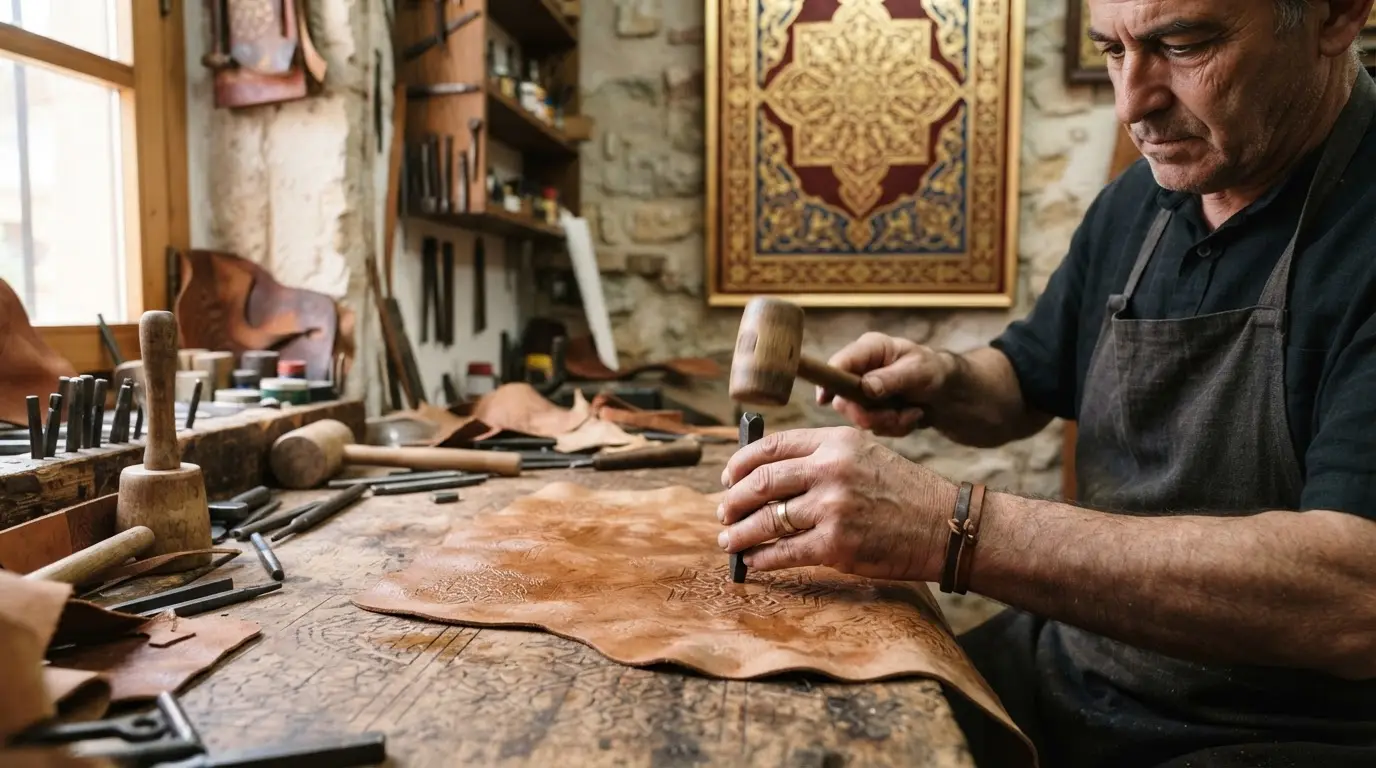
Cordobán Leather: The Craft That Named the English Cordwainer
Sophie Marchand Updated
Córdoba gave English its word for shoemaker. How medieval goatskin tanned with sumac became Europe's finest leather and named a London guild still active today.
Read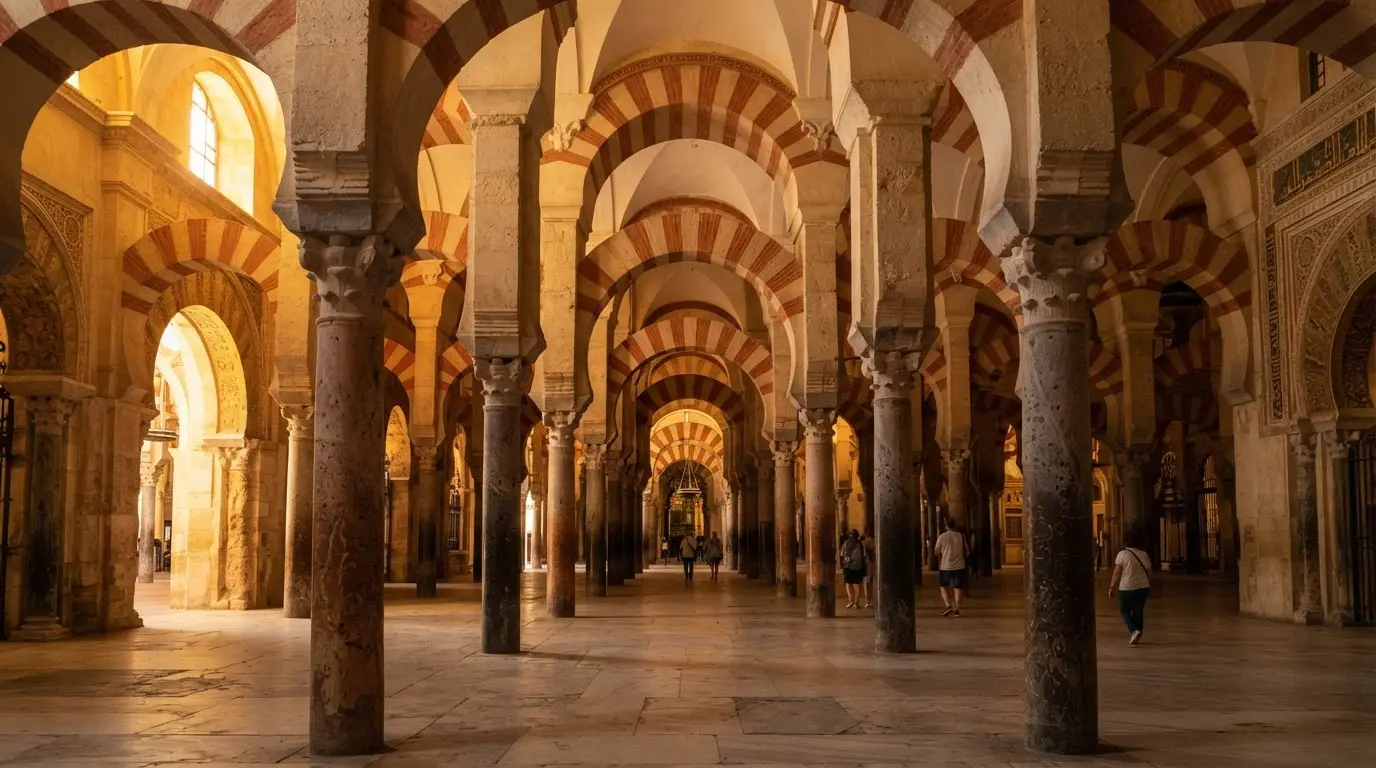
Abd al-Rahman III: The Morning Córdoba Became a Caliphate
Sophie Marchand Updated
Abd al-Rahman III was the first Caliph of Córdoba, declared on January 16, 929, ruling Córdoba for 49 years and starting work on Medina Azahara in 936 CE.
Read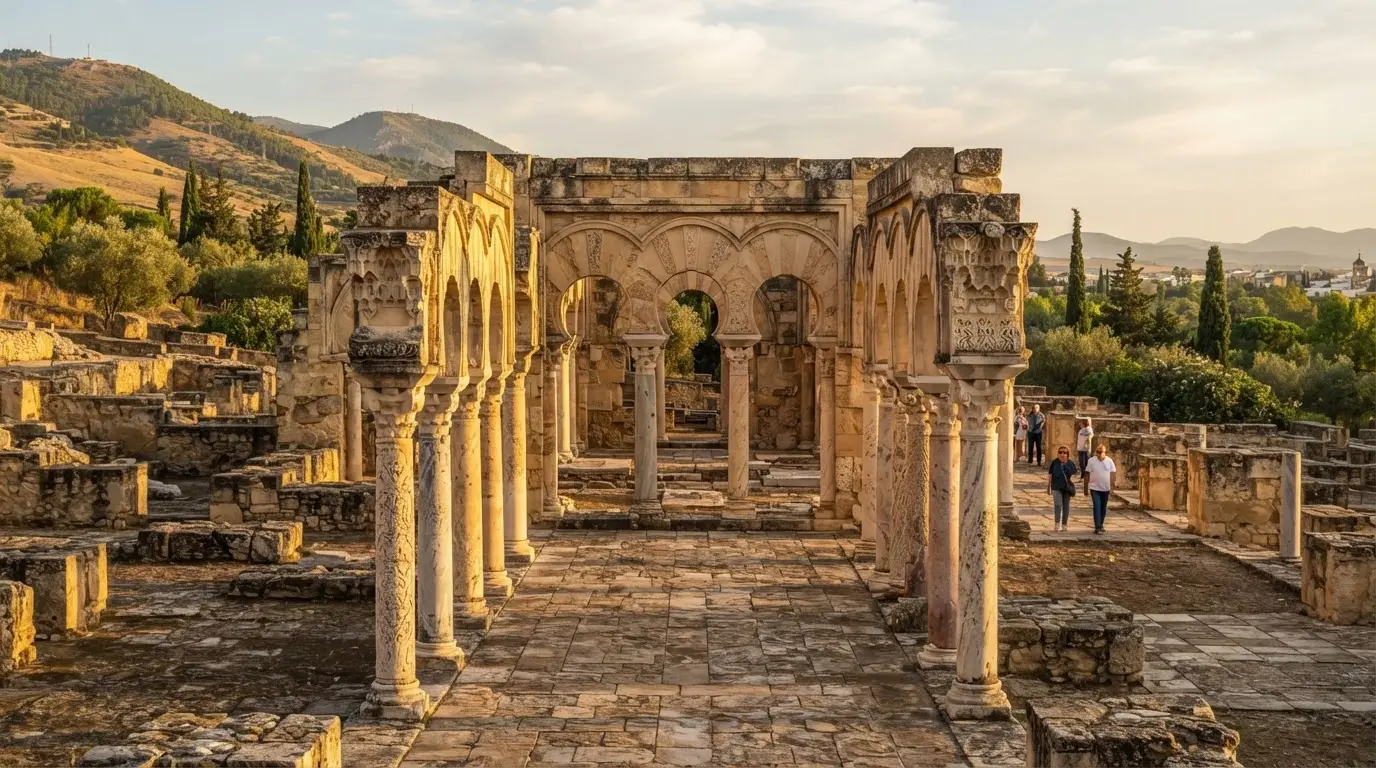
The Córdoba Caliphate Wasn't Conquered. Its Elders Ended It
Sophie Marchand Updated
Córdoba's caliphate was not conquered: its mercenary army sacked Medina Azahara, then elders abolished it in 1031. How it fell, and what you can still see.
Read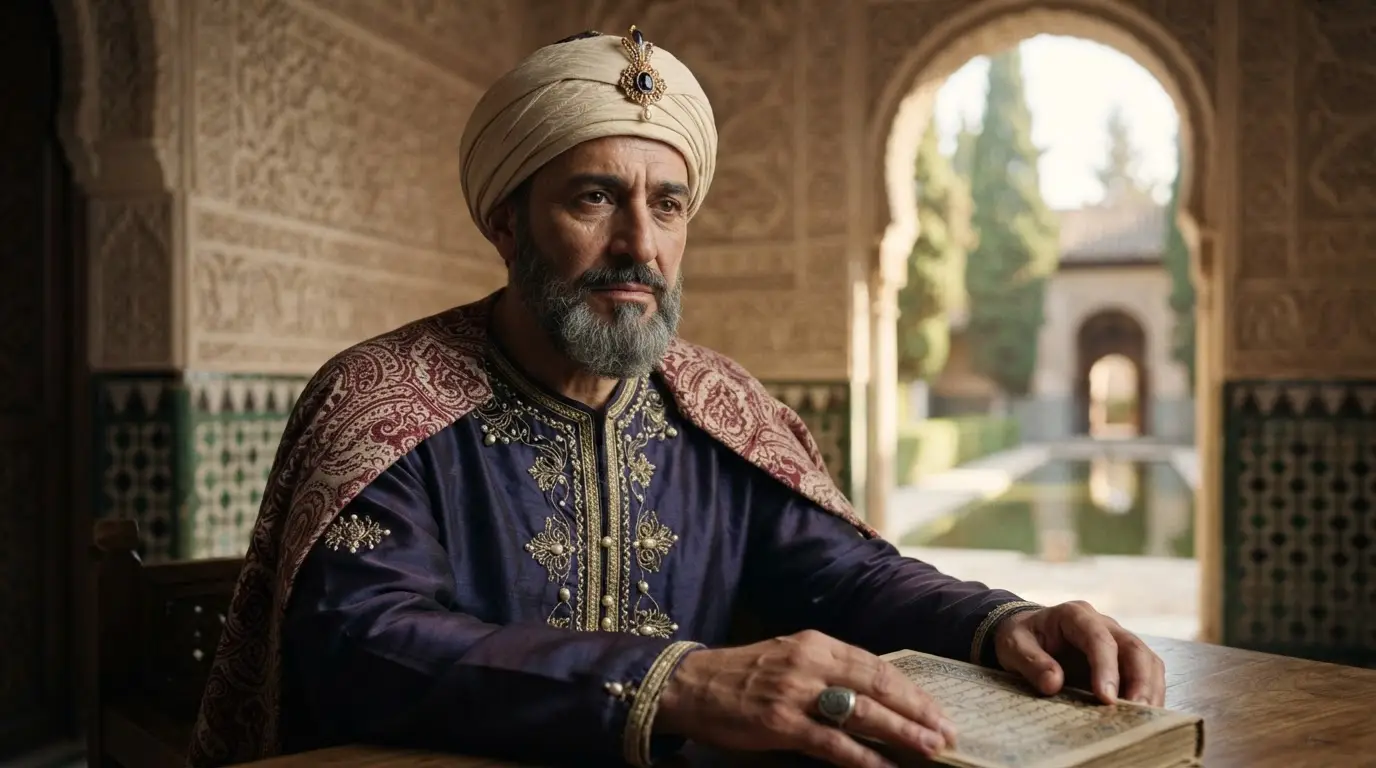
Almanzor: The Man Who Dismantled the Caliphate From Inside
Sophie Marchand Updated
Almanzor ran Córdoba for 25 years without claiming the caliphate. Fifty-seven undefeated campaigns, the bells of Santiago, a purged library — and civil war.
Read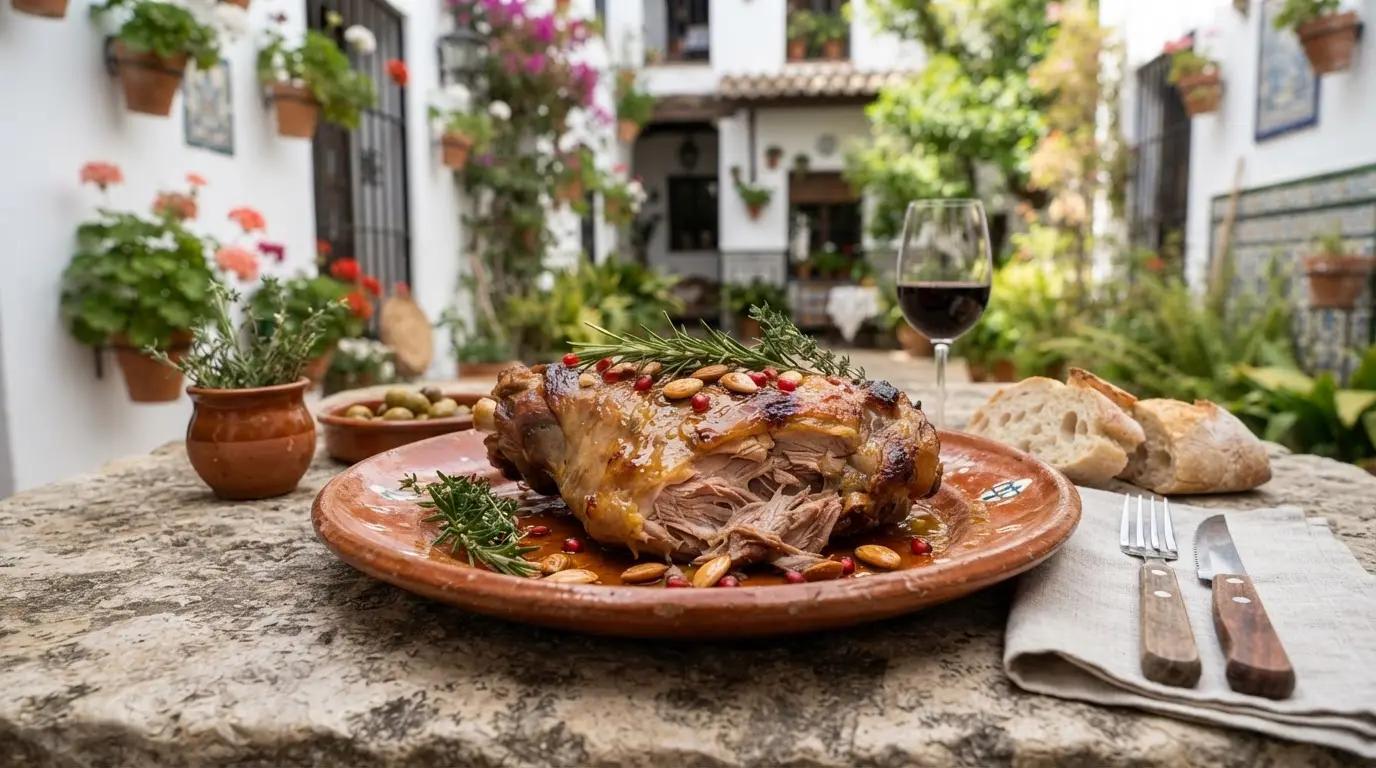
Cordero a la Miel: Córdoba's 10th-Century Lamb Recipe
Pedro Del Pozo Updated
Cordero a la miel descends from the lamb-and-honey tradition of caliphal Córdoba. The culinary history behind Córdoba's most layered slow-roasted dish.
Read