Saint Roman Corduba206 BCE–572
Saint Acisclus
- Also known as
- Acisclus, San Acisclo, Acisclo
Jump to a section
Saint Acisclus is a martyr of Córdoba, and almost everything about him is uncertain except that he existed. The Real Academia de la Historia states that nothing is known about the date and circumstances of his martyrdom, and also judges his historicity beyond doubt. For that reason this page gives no year for his death.
The first notice of him comes from the poet Prudentius, writing between 398 and 405. His cult began in Córdoba beside his tomb. The most the Academia will allow about his trial is that he may have suffered under a city prefect named Dión.
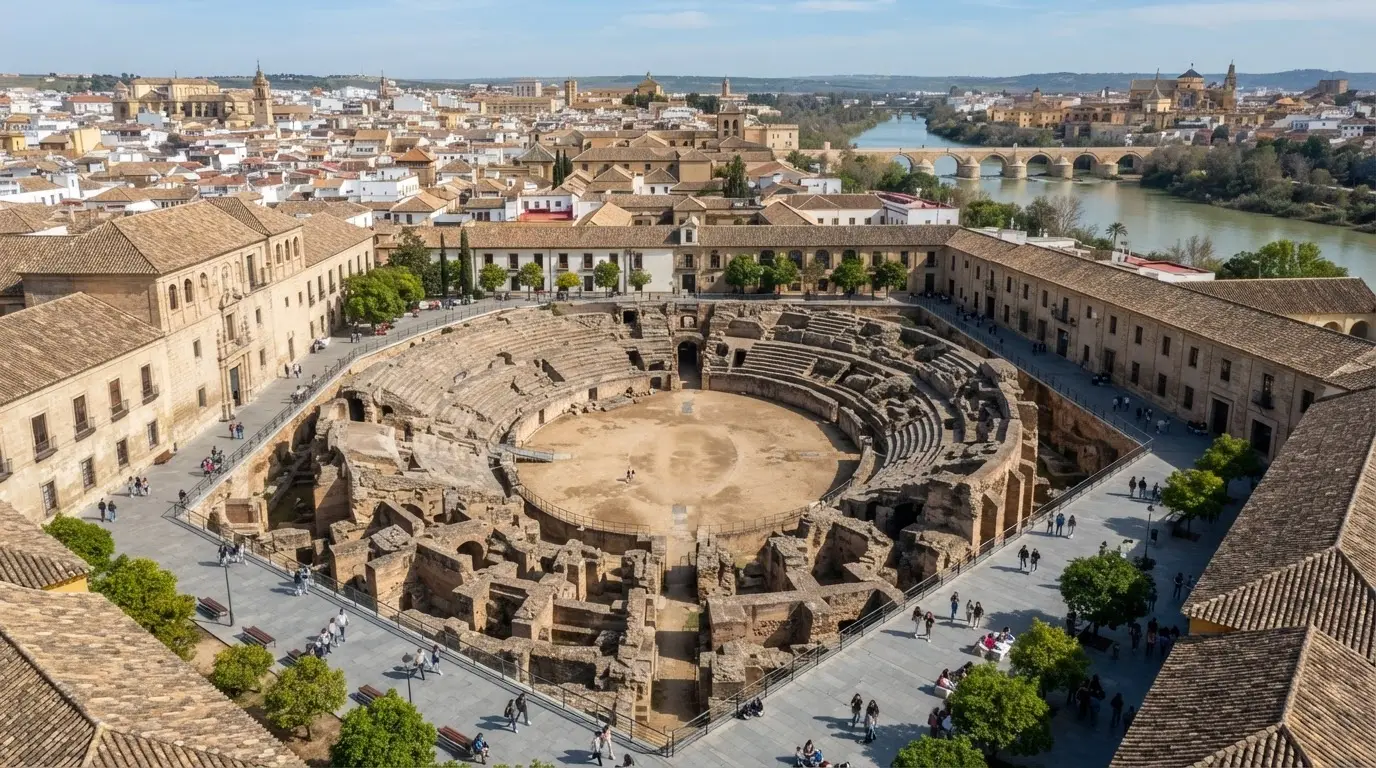
The famous story is later. A medieval passio makes him and a companion, Victoria, siblings beheaded in the amphitheatre. The Academia calls it a fabulous composition, and a UPO study treats its author as someone ignorant of the real events in the city. The place of his martyrdom therefore remains unknown.
His feast falls on 17 November, and in the Hispanic liturgical books his name always appears at the start of Advent.
Isidore of Seville mentions the place of his sepulchre in the story of King Agila I, who he says profaned the shrine by drenching it with the blood of his enemies and their pack animals.
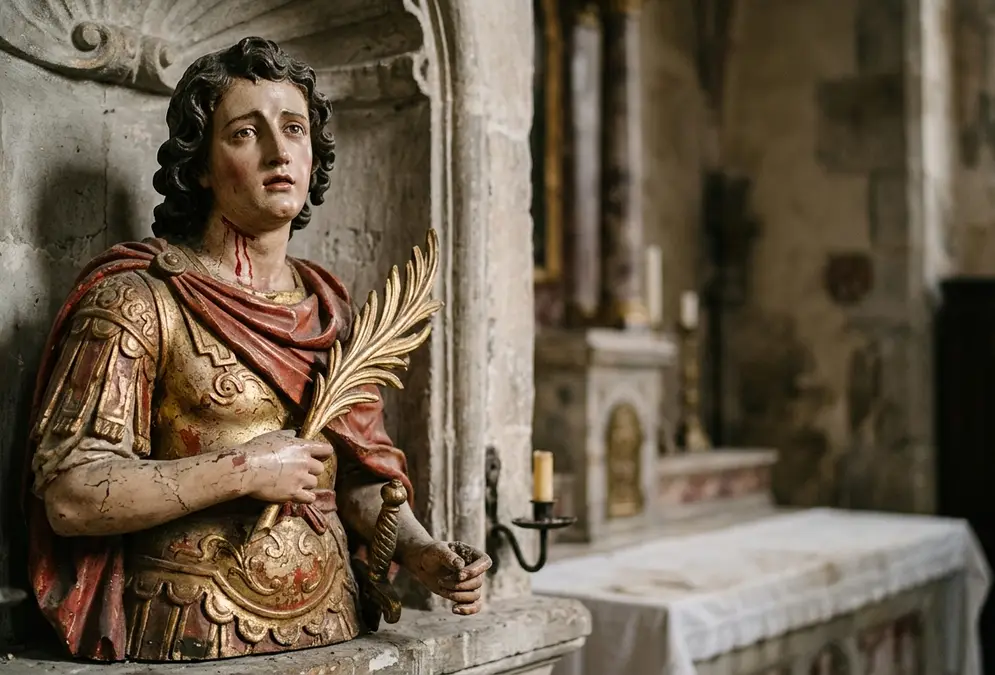
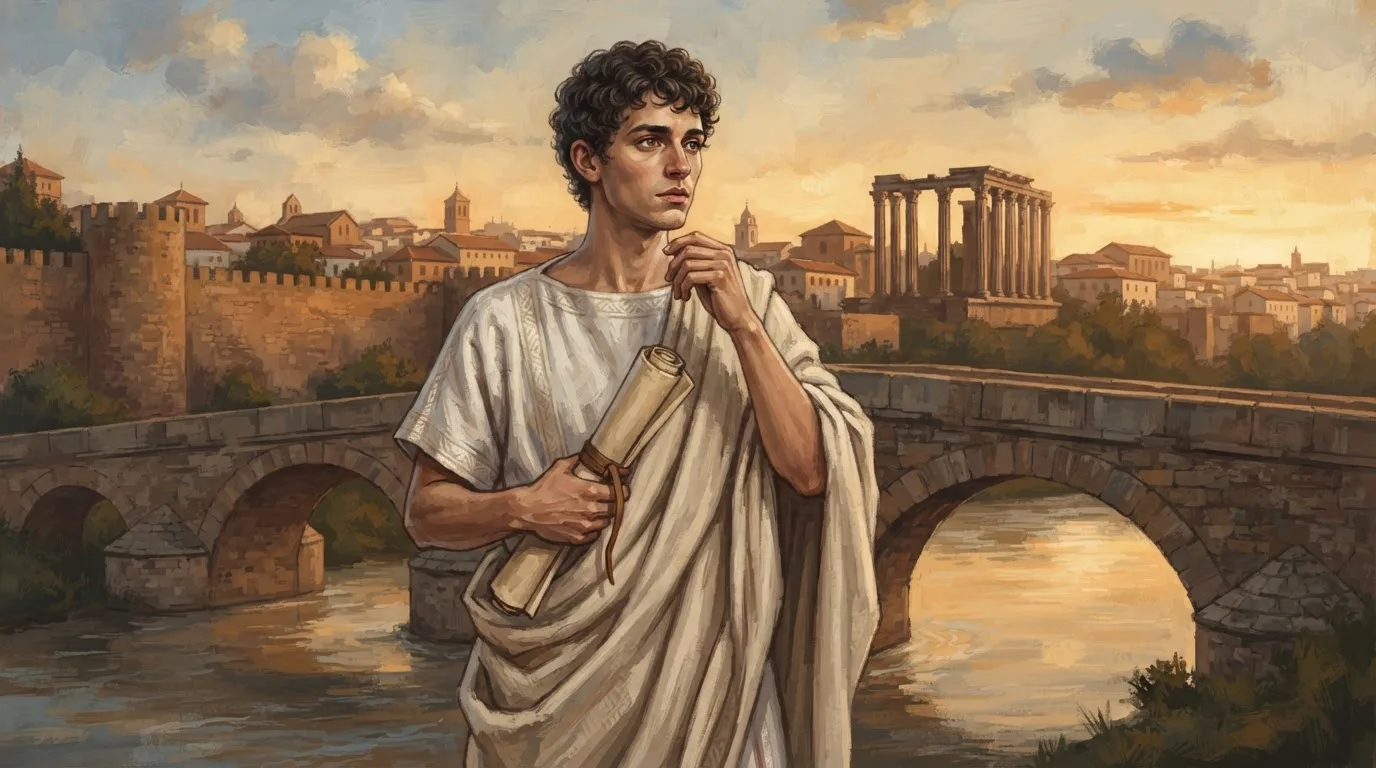
Artists show him as a beautiful young man holding a martyr's palm and a sword. Pedro de Mena's bust of about 1680 dresses him in military garb with blood on the throat, though his story never makes him a soldier.
In their time
-
Roman Corduba
206 BCE–572
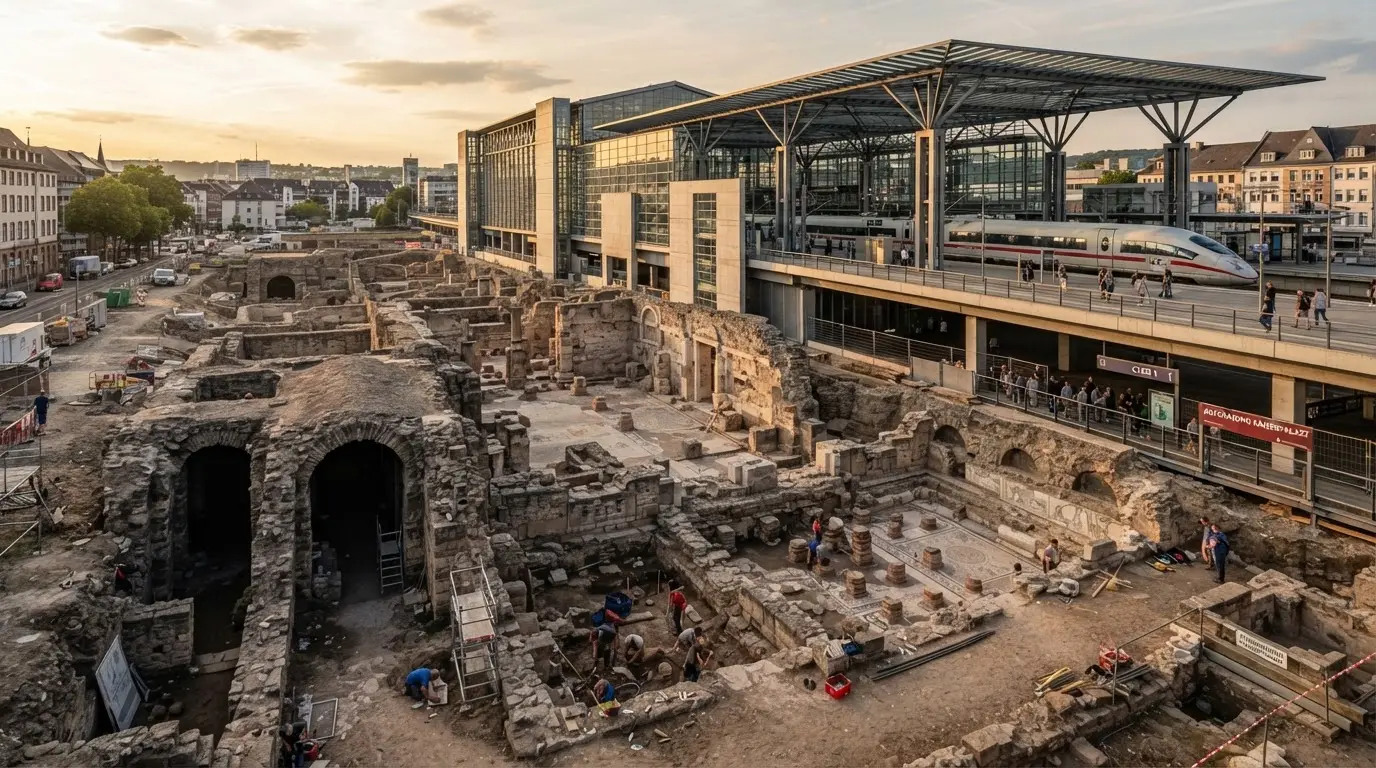
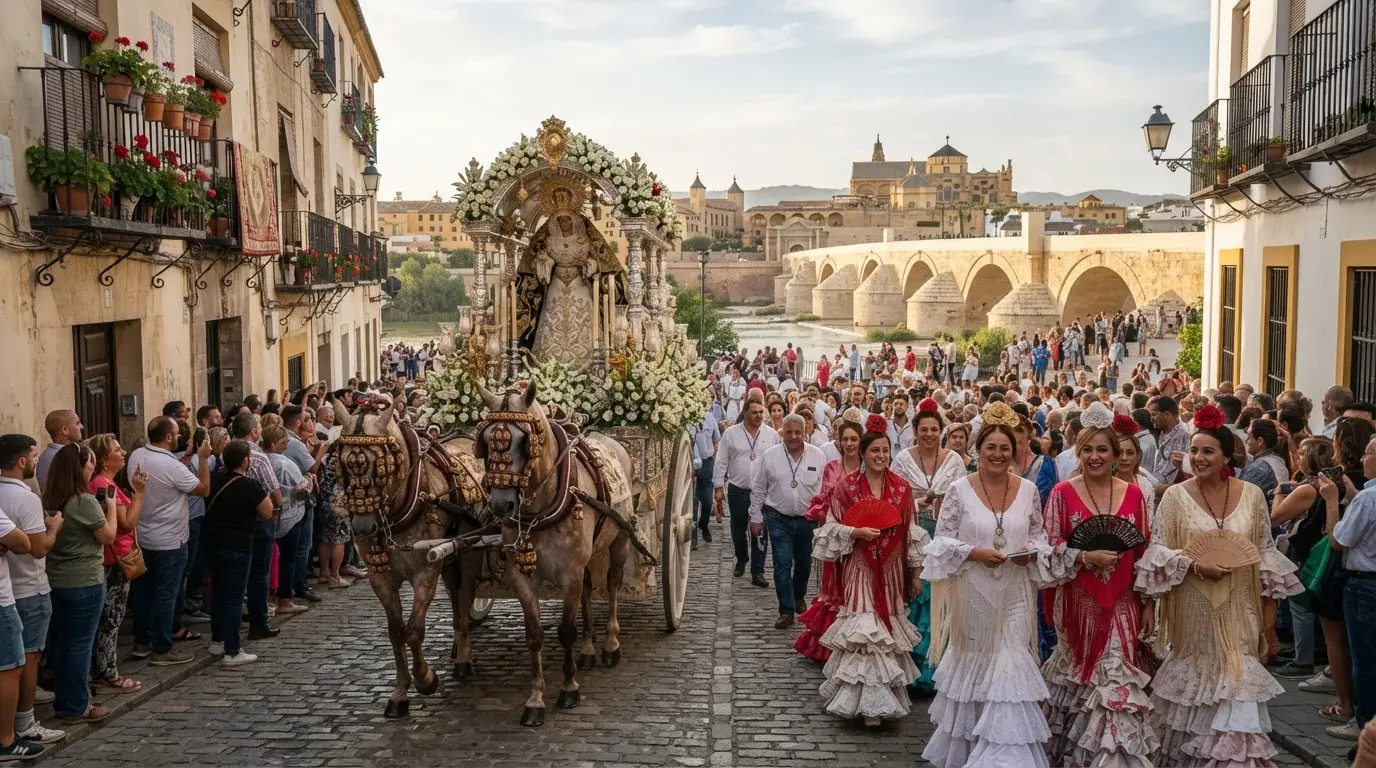
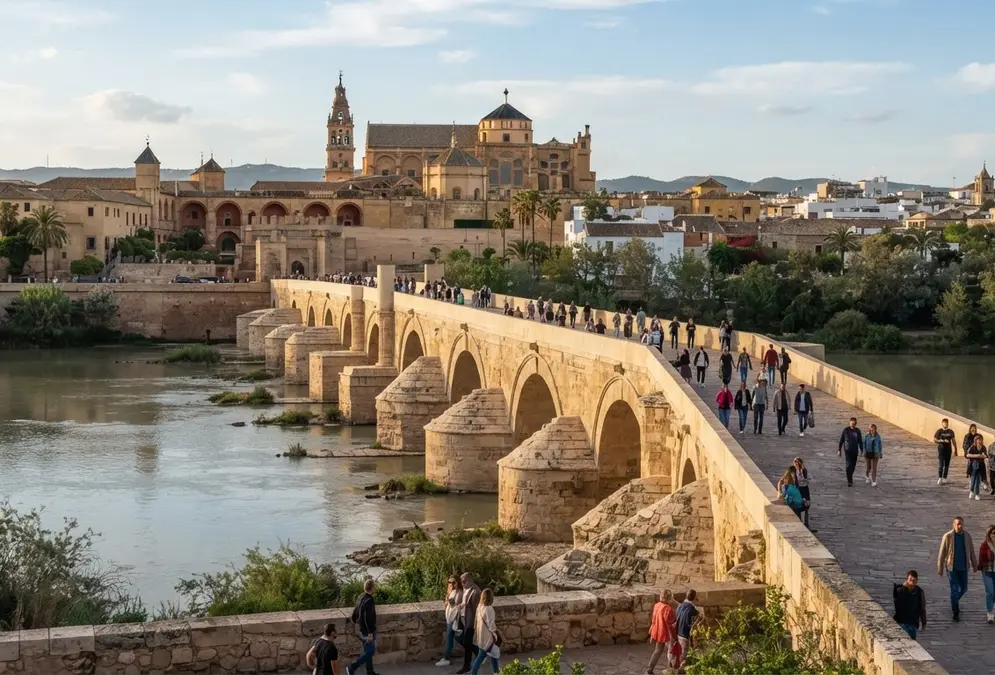
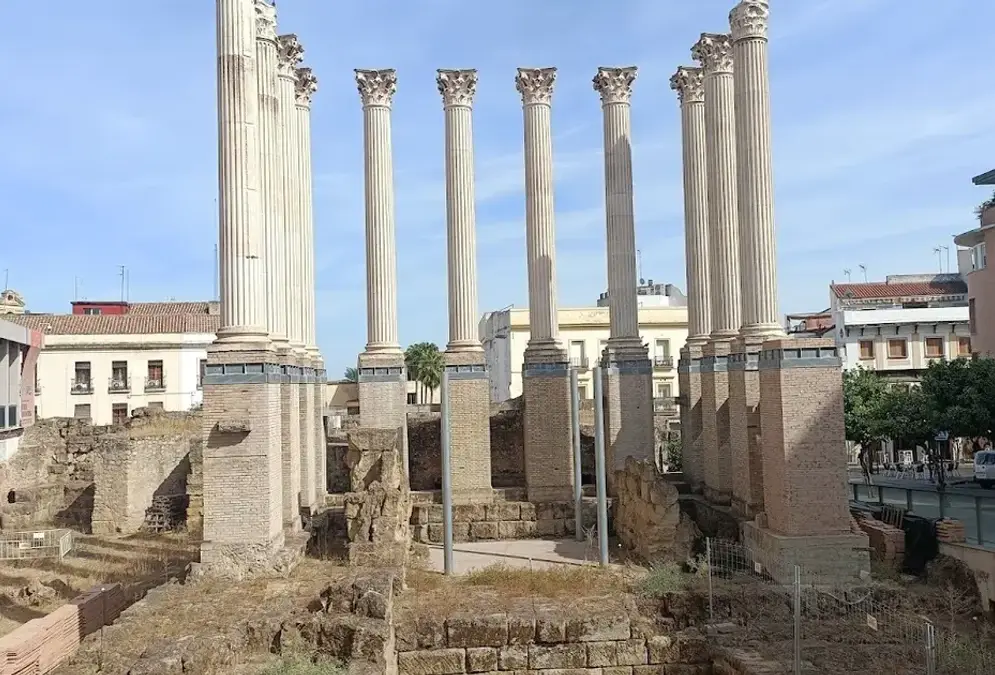
Founded around 169 BCE, Corduba became the capital of the province of Baetica and the birthplace of Seneca and Lucan. The Roman Bridge and the columns of the Roman Temple can still be visited. The bridge carries 16 arches over the Guadalquivir, and the temple's Corinthian columns rise from Calle Claudio Marcelo.
-
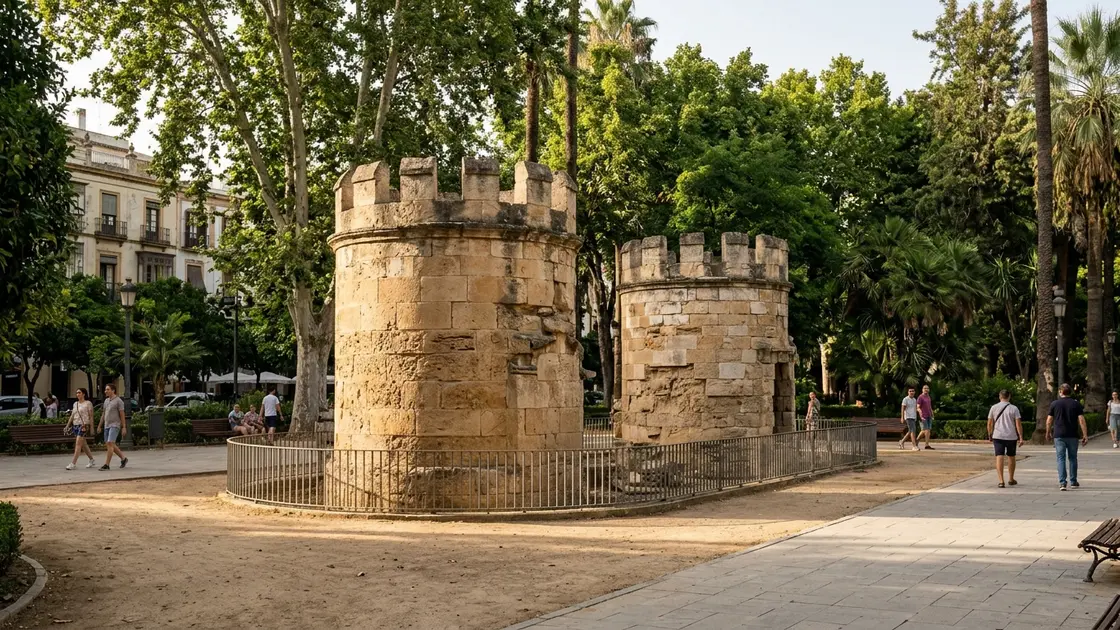
Roman Mausoleums of Puerta de Gallegos
14–37 Monument
Roman mausoleums of Puerta de Gallegos in Córdoba: two 13 m cylindrical tombs from Tiberius's reign beside the Via Augusta. Visiting status is unconfirmed.
-
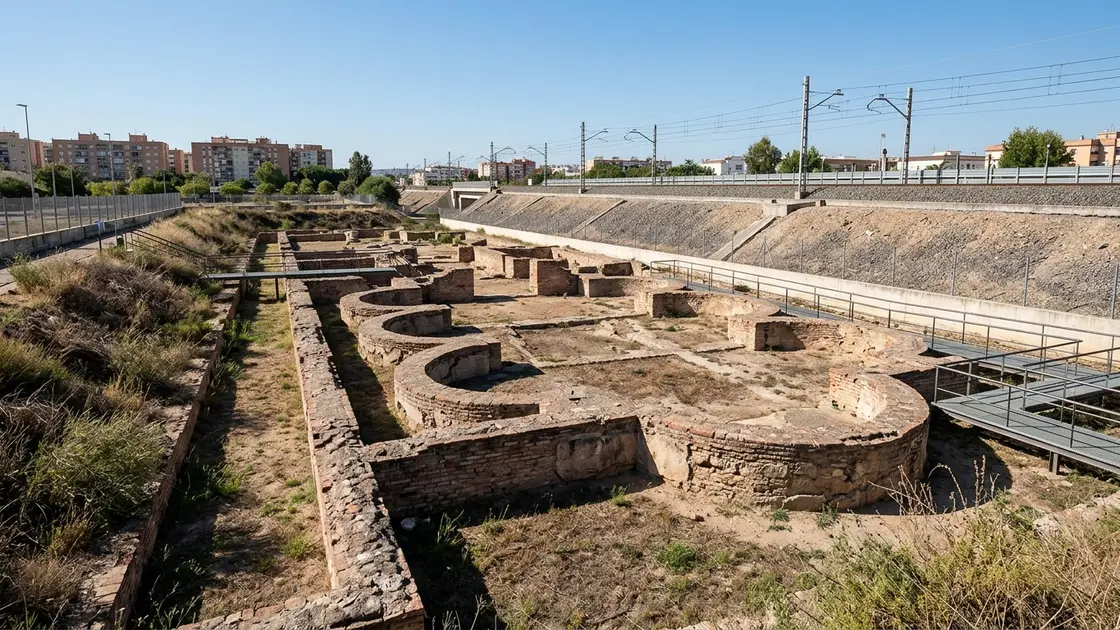
Cercadilla Roman Palace
293–305 Monument
Cercadilla Roman palace in Córdoba: what survives of the tetrarchic complex, which finds sit in the museums, and why access is unconfirmed. Ask locally first.
-
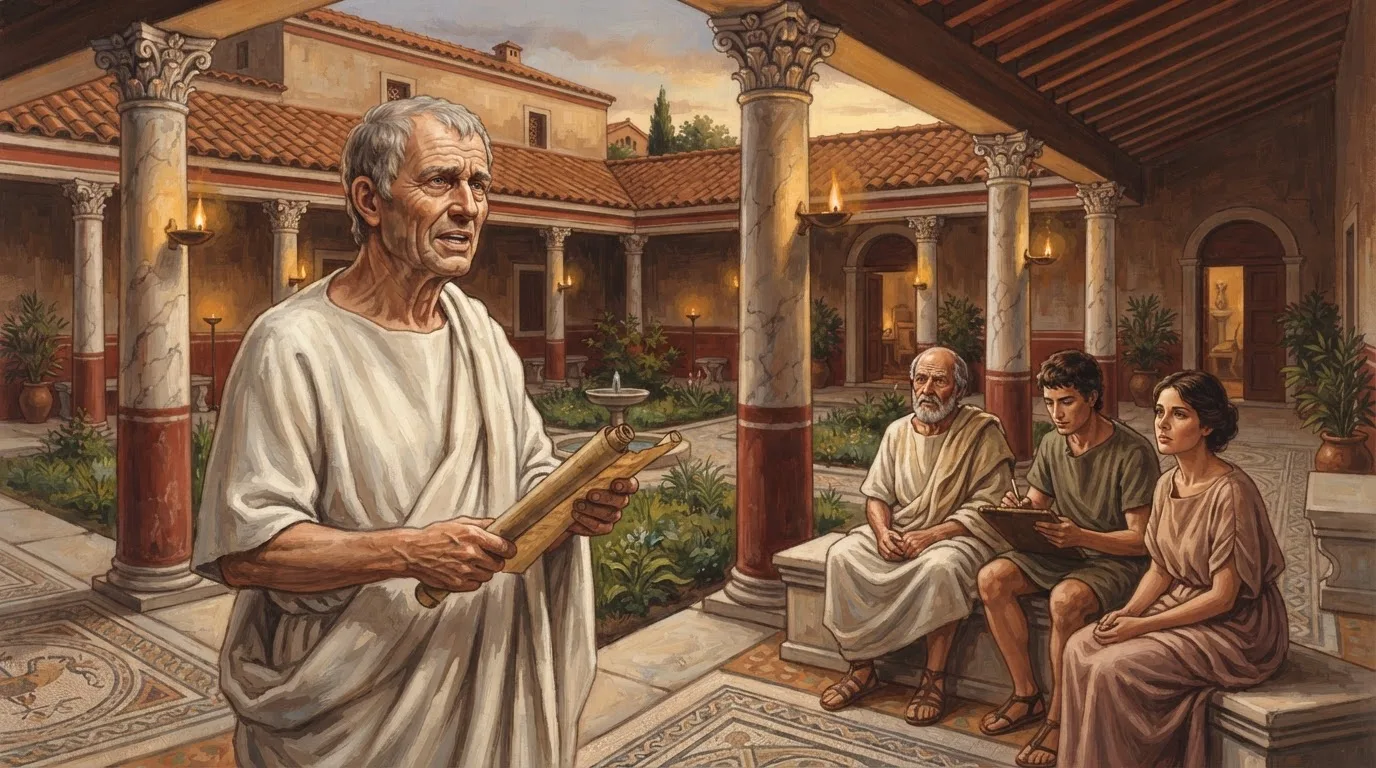
Seneca the Elder
c. 54 BCE–39 CE Historical figure
Seneca the Elder, born in Roman Corduba c. 54 BC, recorded Rome's rhetoric schools and fathered Seneca the Younger. His life, surviving works and family.
-
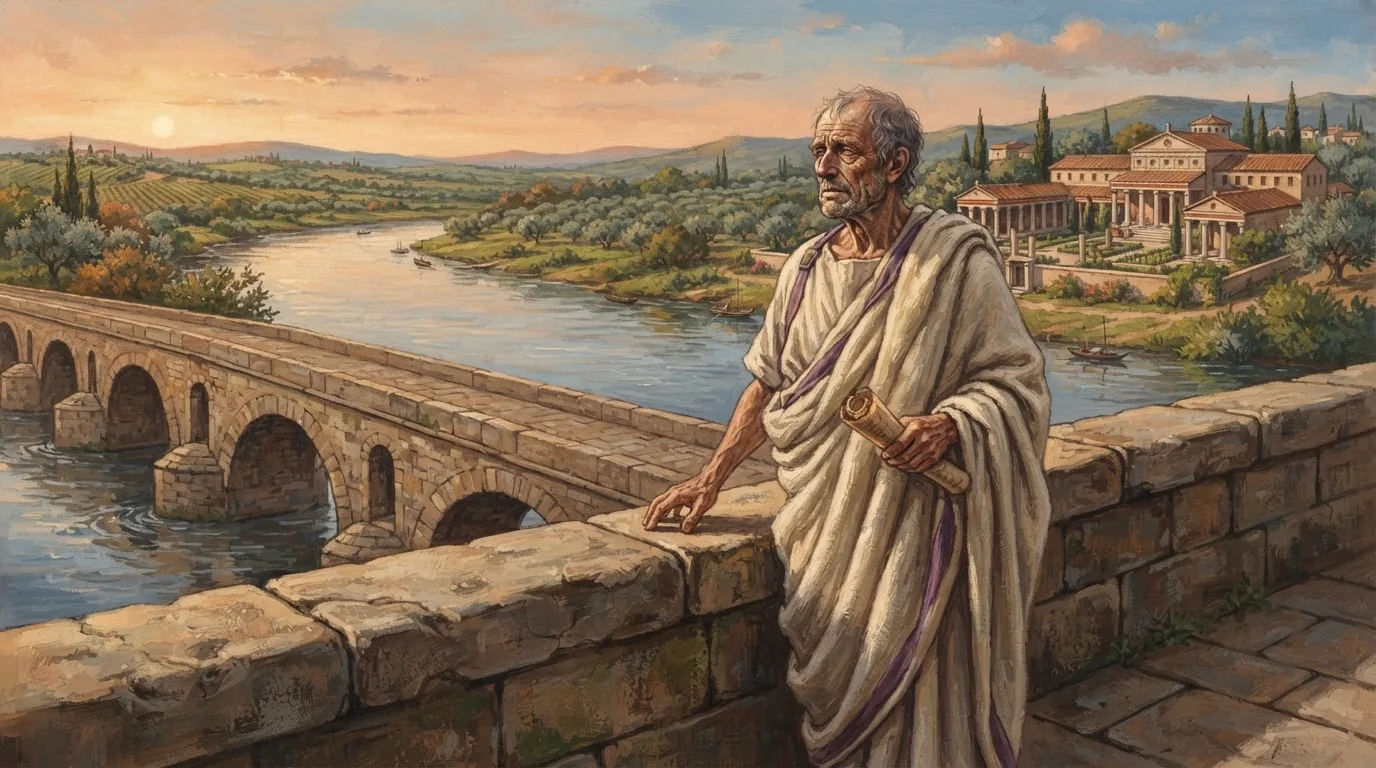
Seneca
c. 4 BCE–65 CE Historical figure
Seneca the Younger, Stoic philosopher and tutor to Nero, was born in Roman Corduba around 4 BC. Who he was, and where to find his trace in Córdoba today.
-
Lucan
39–65 Historical figure
Lucan was born in Roman Corduba in AD 39 and was forced to die at 25 under Nero. Who the Pharsalia poet was, his family, and where to trace Roman Córdoba today.
Undated
-
Puente Romano de Córdoba
Monument
Puente Romano de Córdoba: 16 arches over the Guadalquivir since the 1st century BC. Best viewpoint for the Mezquita at sunset. Game of Thrones location. Free.
-
Templo Romano de Córdoba
Monument
Free open-air Roman temple in central Córdoba, lit up at night. Towering Corinthian columns from ancient Corduba, once capital of Roman Baetica. Open 24 hours.
-
Valdepuentes Aqueduct
Monument
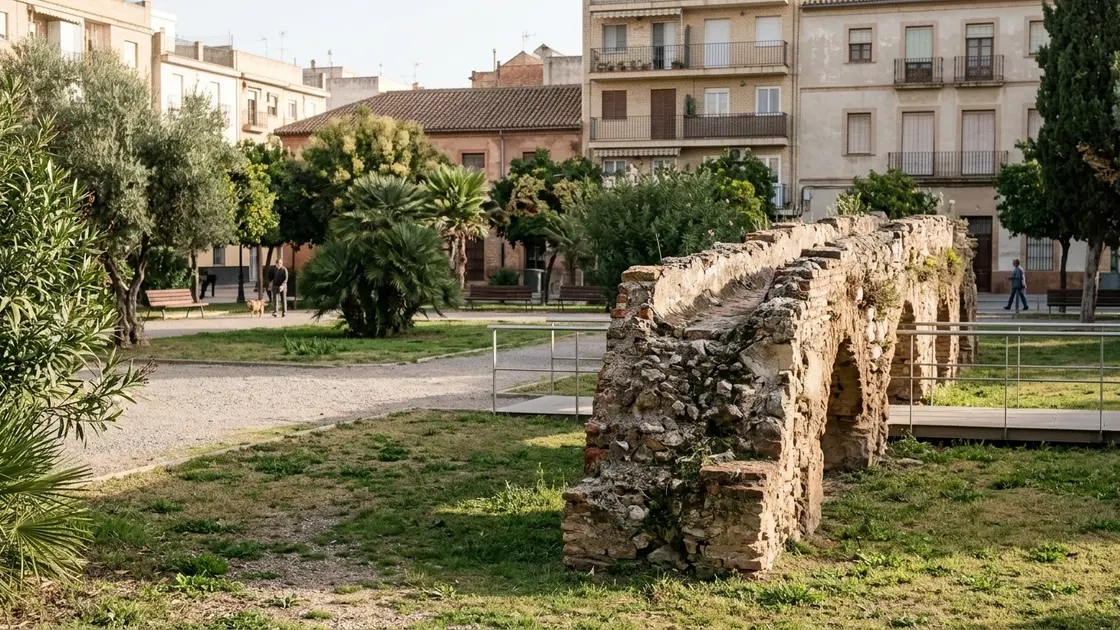
Valdepuentes Aqueduct near Córdoba: a Roman channel reused for Medina Azahara, with a caliphal bridge on private land and a small fragment reportedly shown.
Go deeper
-