- Also known as
- Agila, Agilanes, Achila I
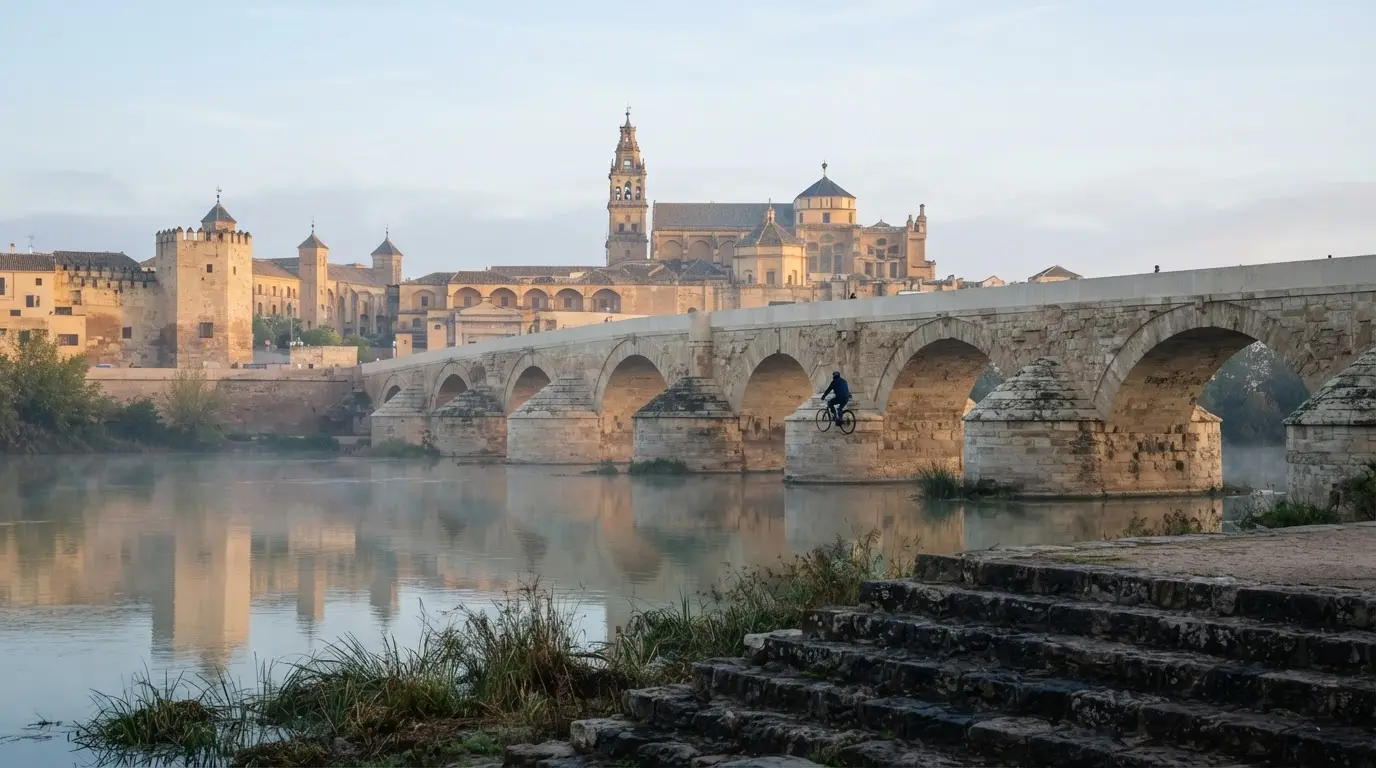
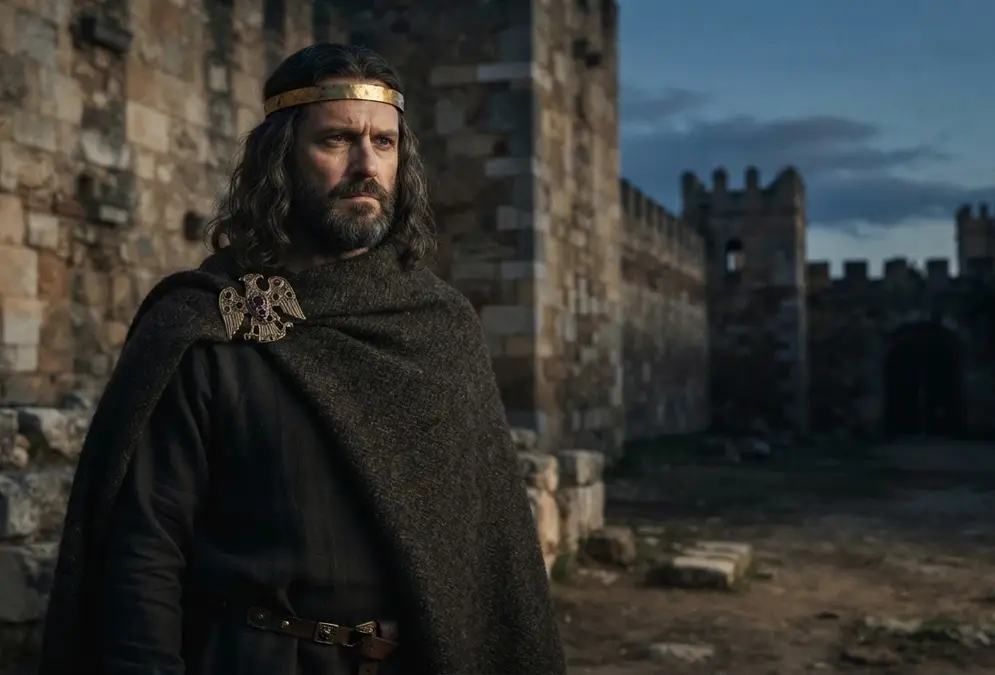
Agila I became king of the Visigoths in 549, succeeding Teudiselo. His election was not accepted by every noble, and the quarrel ran along the line between official Arianism and Catholicism. Córdoba was the centre of the opposition. Around 550-551 a revolt broke out in the Baetica, Agila marched on the city and was beaten there.
Isidore of Seville says Agila attacked Córdoba in contempt of the Catholic faith and profaned the sepulchre of the martyr Acisclus with the blood of his enemies and their pack animals. In Isidore's telling, the punishment was swift: Agila lost his son, a large part of his army and the royal treasure. Modern historians differ by a year or so on the dating; Peter Heather places the start of the conflict in 550.
The defeat left him exposed. Athanagild's open revolt began in 551, and Agila fell back on Mérida, where his own supporters killed him in March 554 and went over to Athanagild.
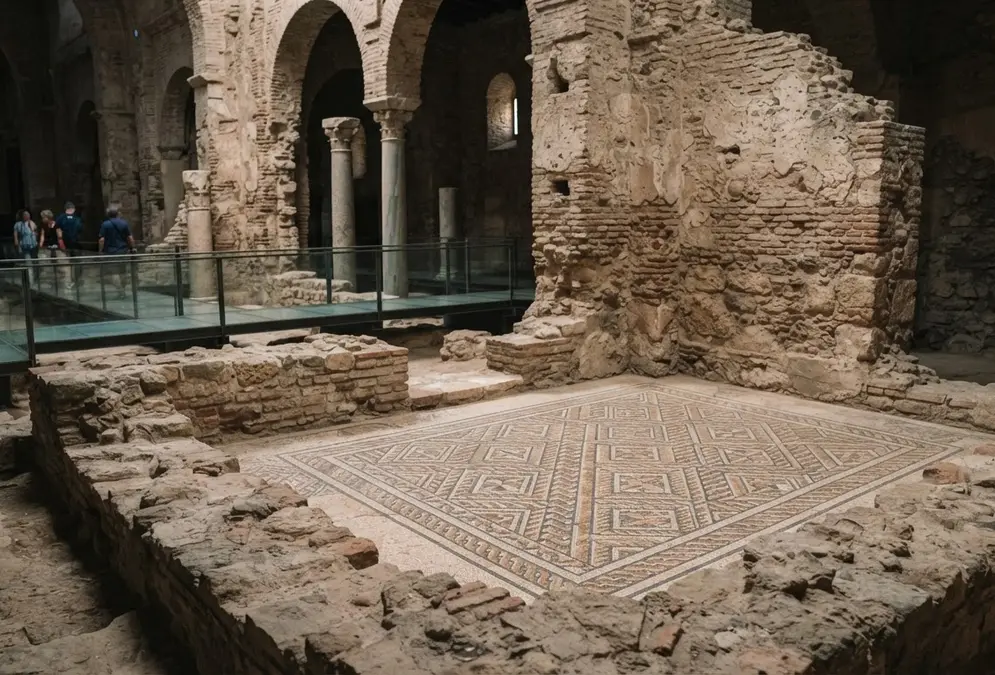
The nearest physical trace of the Visigothic city is the 6th-century masonry of the Visigothic Basilica of San Vicente, under the Mezquita-Catedral. For what stood in the city before the mosque, read Córdoba before the Mezquita, and for the next royal confrontation here, Leovigild's 584 clash with Hermenegild in Córdoba. The king who later subdued rebel Córdoba, in about 572, has his own page: Leovigild.
In their time
-
Visigothic
572–711
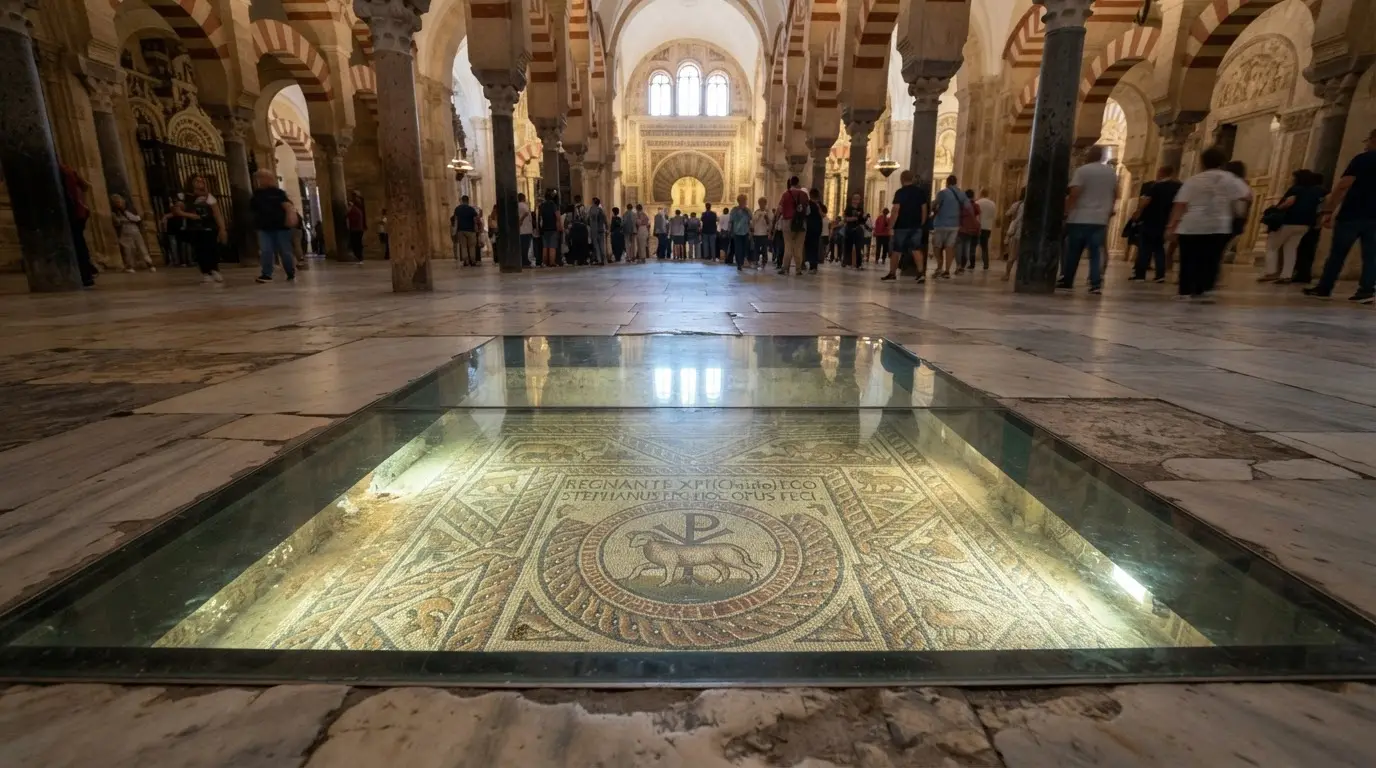
Leovigild retook Córdoba after a local revolt in 572, and the city stayed a Visigothic bishop's seat until 711. Sixth-century Christian mosaics can be seen through glass panels in the Mezquita floor.
-
Basílica Visigoda de San Vicente
501 Monument
Remains of the Visigothic Basilica of San Vicente sit in the Mezquita-Catedral basement: 6th-century masonry stamped with a workshop name and floor mosaics.
-
Leovigild
d. 586 Historical figure
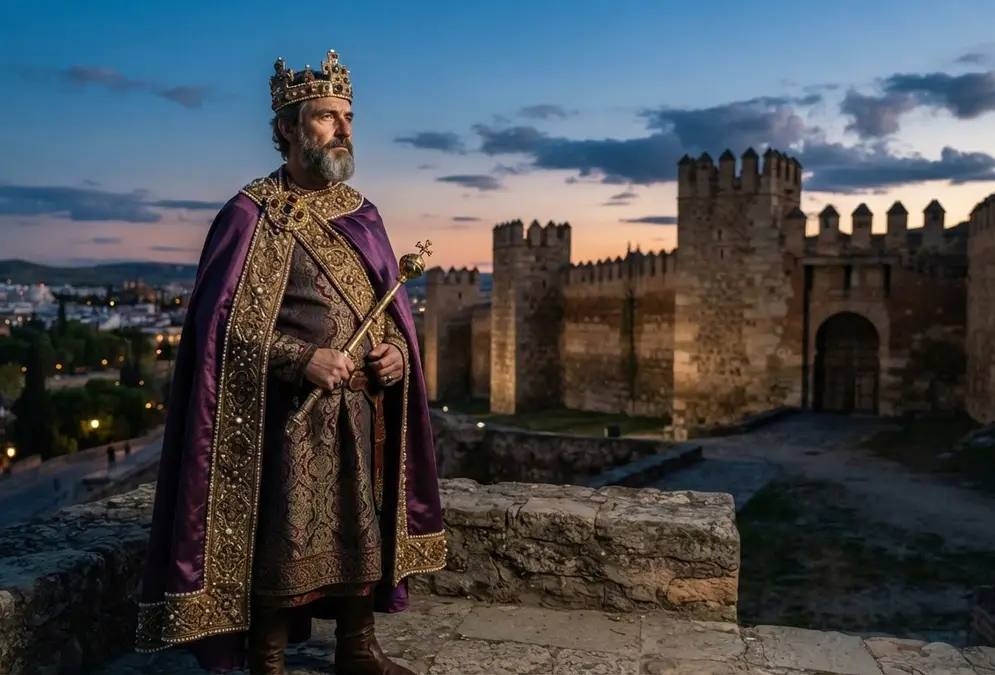
Leovigild, Visigothic king 569-586, retook rebel Córdoba in about 572 and made Toledo his capital. Biography, coins and the Visigothic traces in Córdoba.
-