- Also known as
- Liuvigild, Leovigildo, King Leovigild
Leovigild ruled the Visigothic kingdom of Hispania and Septimania from 569 to 586. His birth date is not confirmed: c. 519 is the traditional figure, but it rests on a citation-needed tag. He began as co-king with his brother Liuva I; both were Arian Christians.
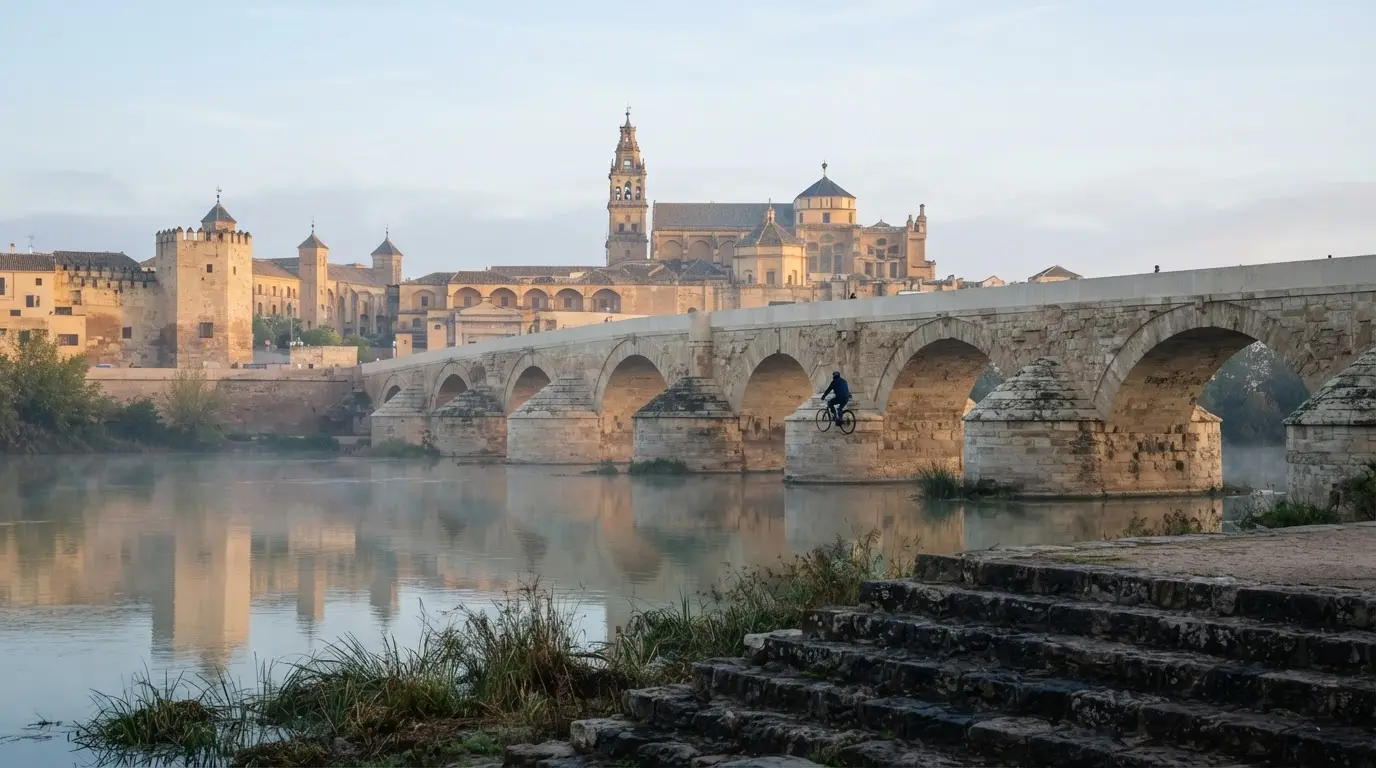
Córdoba is where he enters this city's story. Córdoba had been in revolt against Visigothic rule, probably tied to the local aristocracy's tradition of independence, and in about 572 he subdued it. Years earlier, around 550-551, the Visigothic king Agila I had attacked the city and been defeated there. The exact year is not confirmed: Britannica gives 571-572, while John of Biclar's chronicle, as cited by Spanish Wikipedia, gives 572. From about 574-576 he put his own name on Visigothic gold coins, first beside the emperor's and later alone, as an assertion of sovereignty.
The rest of his reign built a king's state. He made Toledo his capital, adopted the Byzantine throne, crown, sceptre and purple mantle, and founded Recopolis, named for his son Reccared. He revised the Code of Euric (the Codex Revisus, now lost) and lifted the ban on Goth-Roman marriage. In 585 he conquered the Suebi. He died a natural death in Toledo in 586.
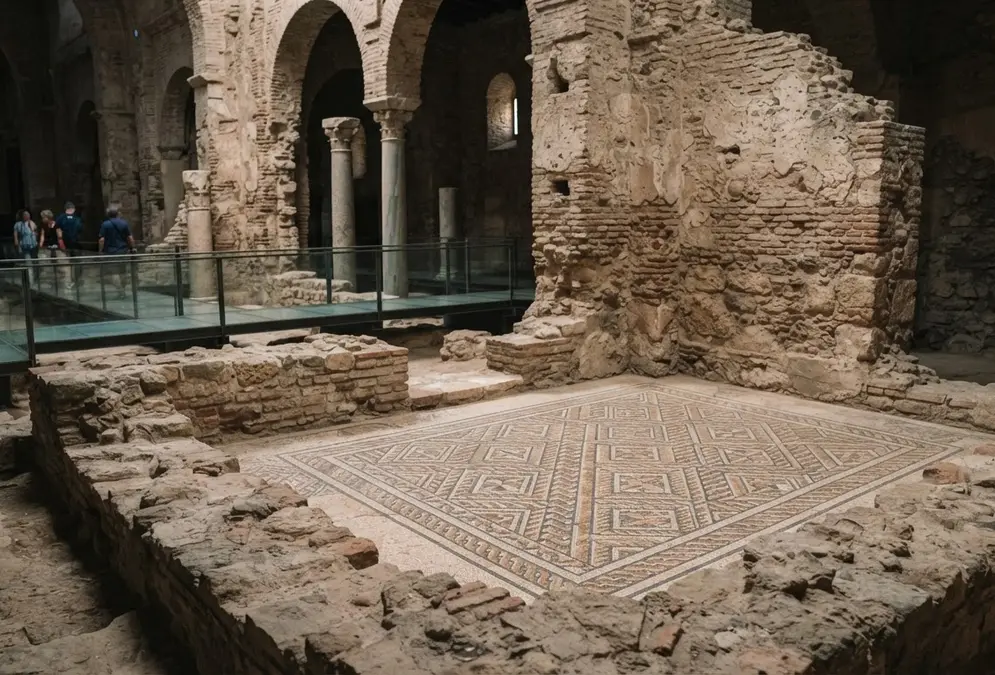
The nearest trace of the Visigothic city is the 6th-century masonry of the Visigothic Basilica of San Vicente, under the Mezquita-Catedral. For the city he took, read Córdoba before the Mezquita; for his son's revolt, Hermenegild and Leovigild in Córdoba, 584.
Places to see
In their time
-
Visigothic
572–711
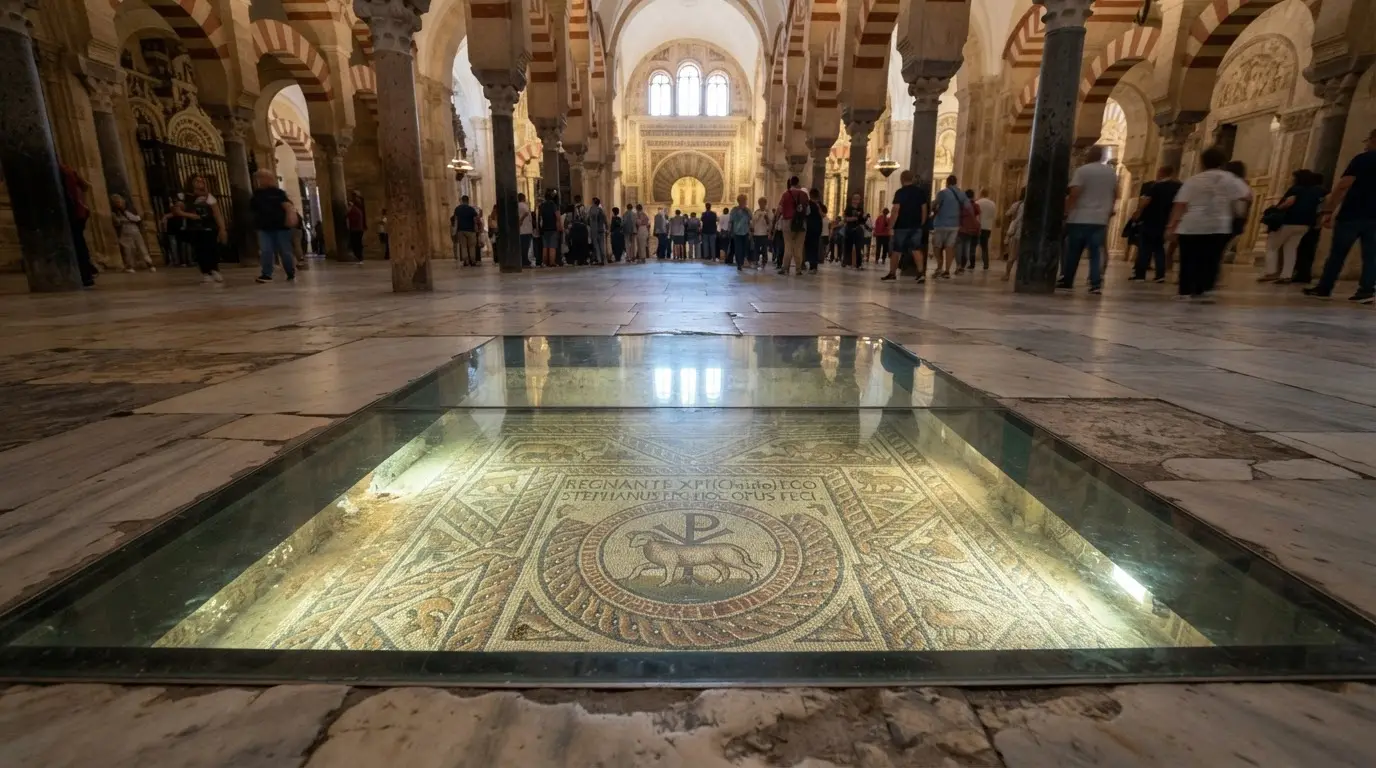
Leovigild retook Córdoba after a local revolt in 572, and the city stayed a Visigothic bishop's seat until 711. Sixth-century Christian mosaics can be seen through glass panels in the Mezquita floor.
-
Basílica Visigoda de San Vicente
501 Monument
Remains of the Visigothic Basilica of San Vicente sit in the Mezquita-Catedral basement: 6th-century masonry stamped with a workshop name and floor mosaics.
-
Agila I
d. 554 Historical figure
Agila I, Visigothic king 549-554, lost to Córdoba around 550-551; Isidore says he profaned Saint Acisclus's shrine. His story and Visigothic traces in Córdoba.

-