Articles · Monuments & architecture
Córdoba's monuments: Mezquita, Roman bridge and beyond (Page 2)
From the Mezquita-Catedral's striped arches to the ruins of Medina Azahara, this collection covers Córdoba's monuments one building at a time: what was built when, by whom, and what to actually look for on site.
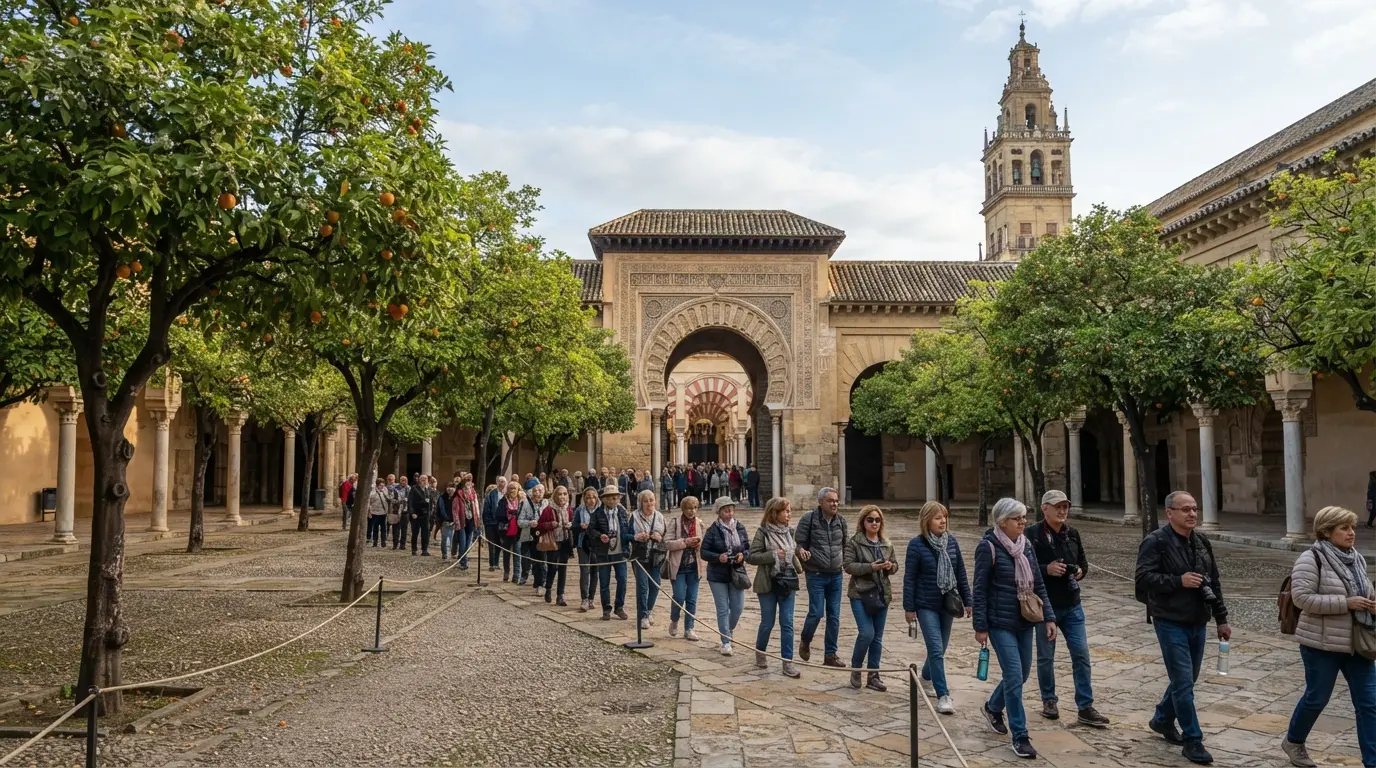
Mezquita Visitors: How Córdoba Handles 2 Million a Year
María Fernanda González Updated
The Mezquita-Catedral drew 2,191,731 visitors in 2025. How its queue flow, €15 ticket and new reception centre manage the crowd, and why its cap rarely bites.
Read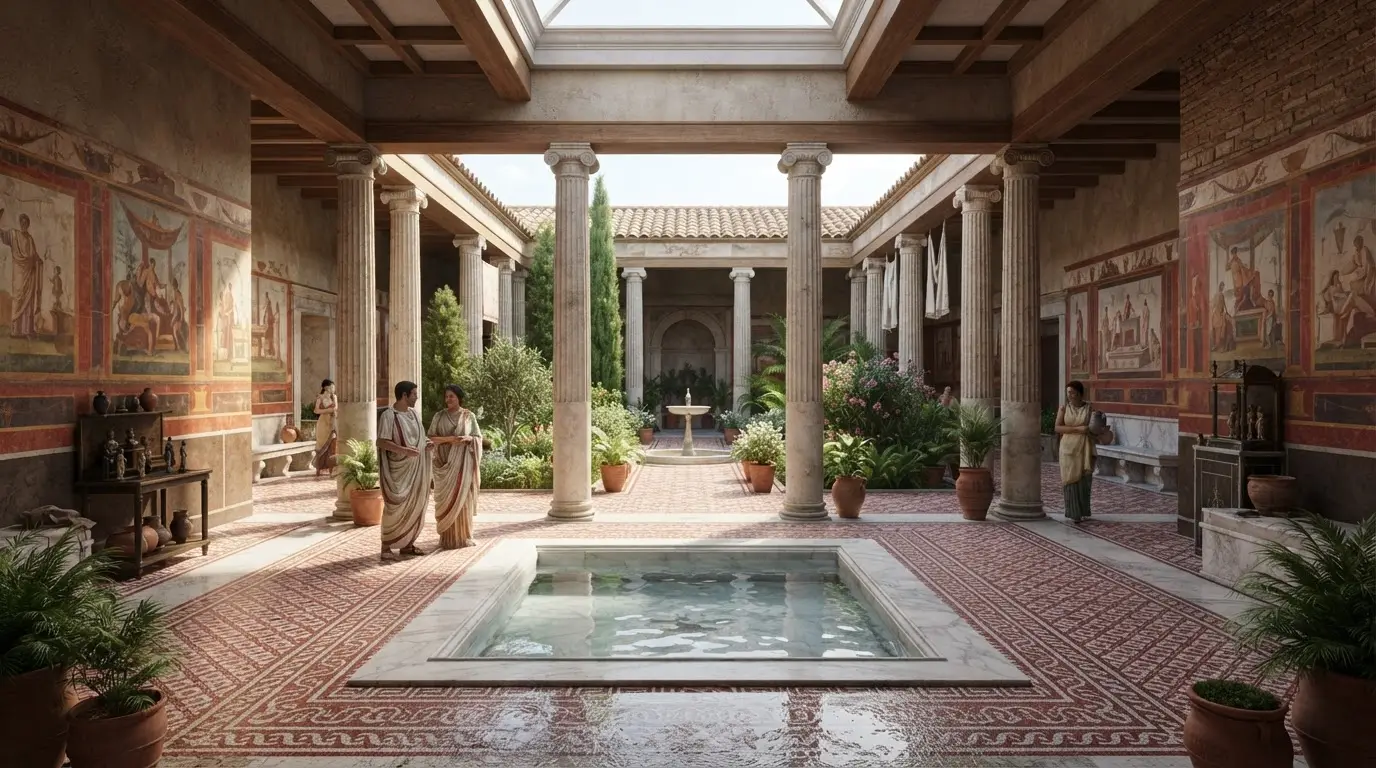
Roman Houses of Cordoba: Elite Life in Colonia Patricia
María Fernanda González Updated
Roman houses in Cordoba, Spain, had atriums, peristyle gardens, and hypocaust floors. Surviving mosaics, frescoes, and the patio tradition they started.
Read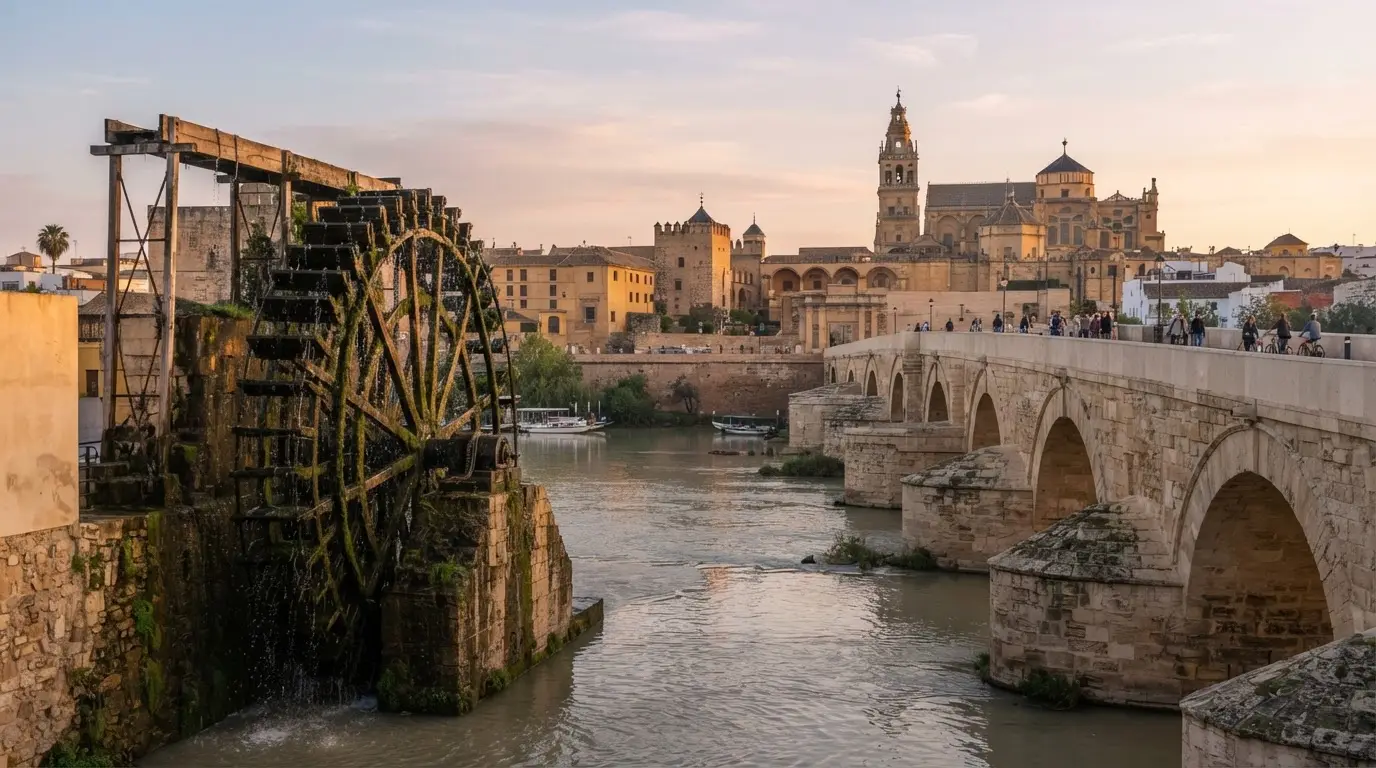
Albolafia waterwheel history: Abd al-Rahman II's Córdoba
Sophie Marchand Updated
The Albolafia waterwheel first appeared on Córdoba's coat of arms in the 1300s, vanished for centuries, and returned in 1983 — not Abd al-Rahman II's work.
Read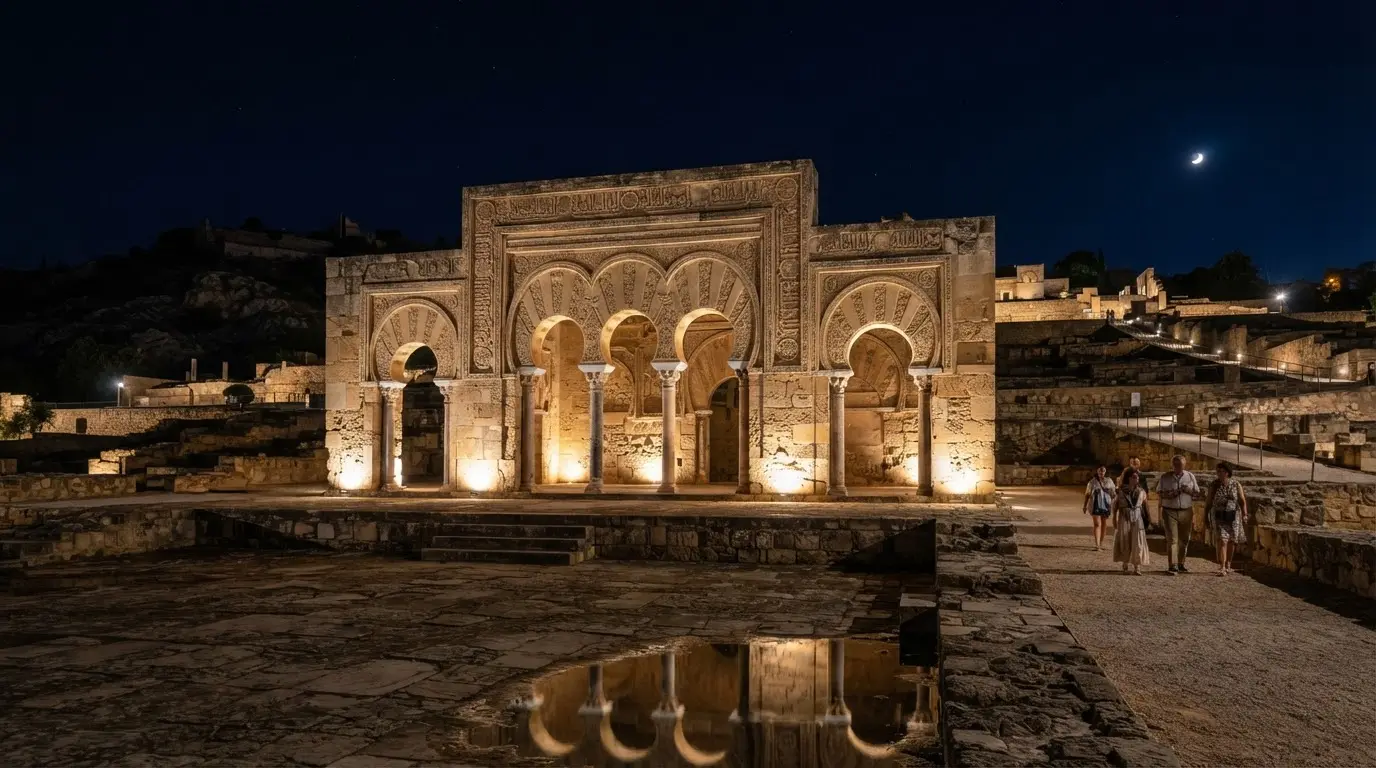
Medina Azahara at Night: Mercury Pools and Reflected Light
María Fernanda González Updated
Medina Azahara night visits run Fri–Sat at 9 p.m. (€15). What chroniclers recorded about the mercury-pool throne room and what the ruins look like after dark.
Read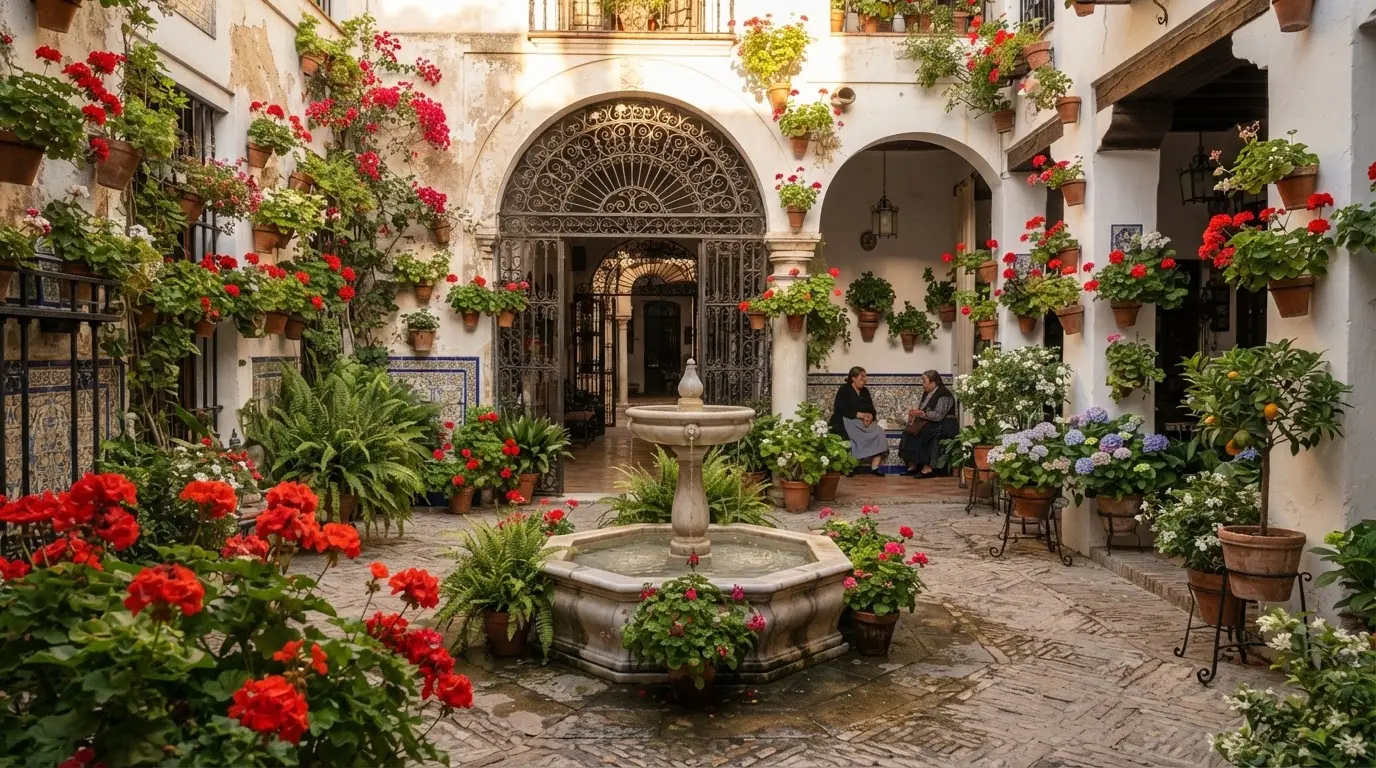
Palacio de Viana's Twelve Patios: A 500-Year Story
María Fernanda González Updated
The Palacio de Viana's twelve patios weren't planned: they accumulated across 500 years and 18 aristocratic owners. How each era shaped a new courtyard.
Read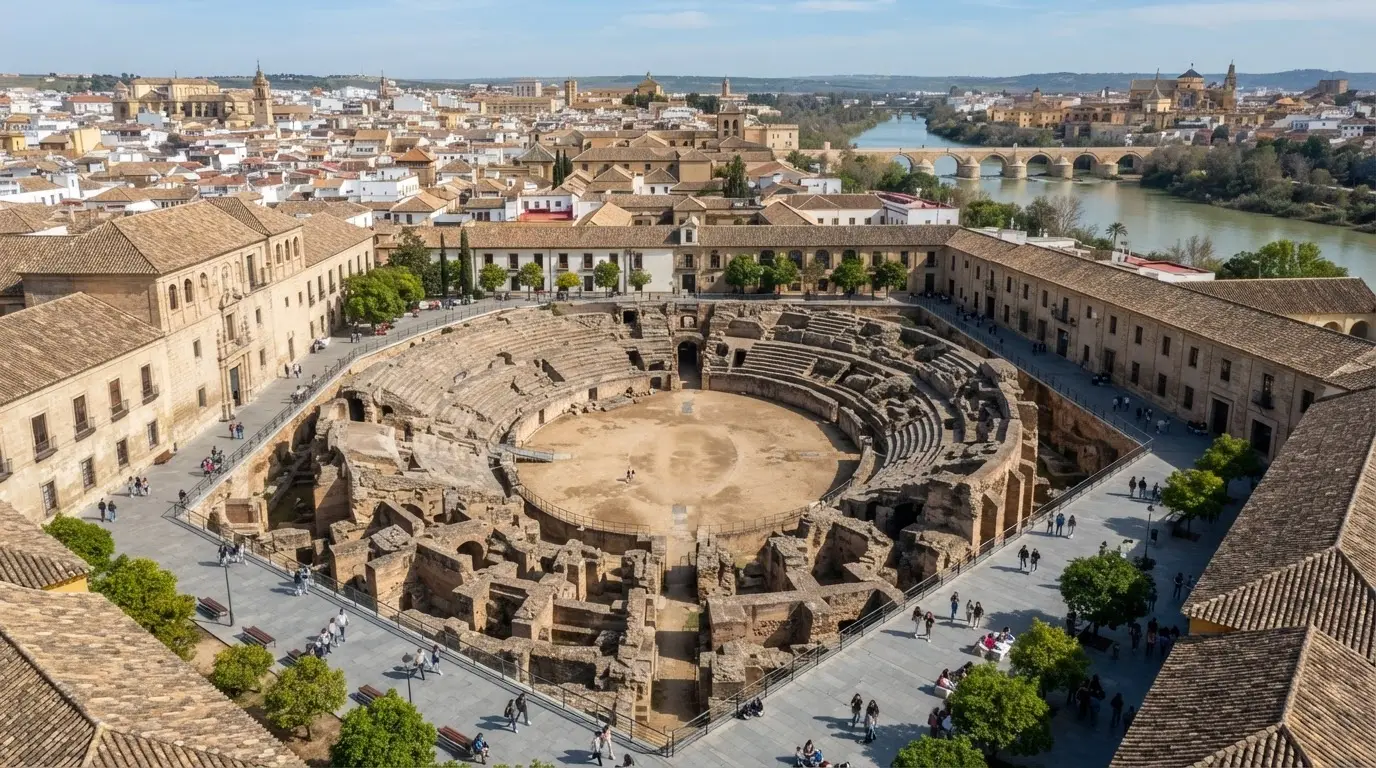
Roman Amphitheatre Córdoba: The Lost Colosseum
María Fernanda González Updated
Córdoba's Roman amphitheatre was discovered in 2002 beneath the university building. At 178m, third-largest in the empire, and still not open to the public.
Read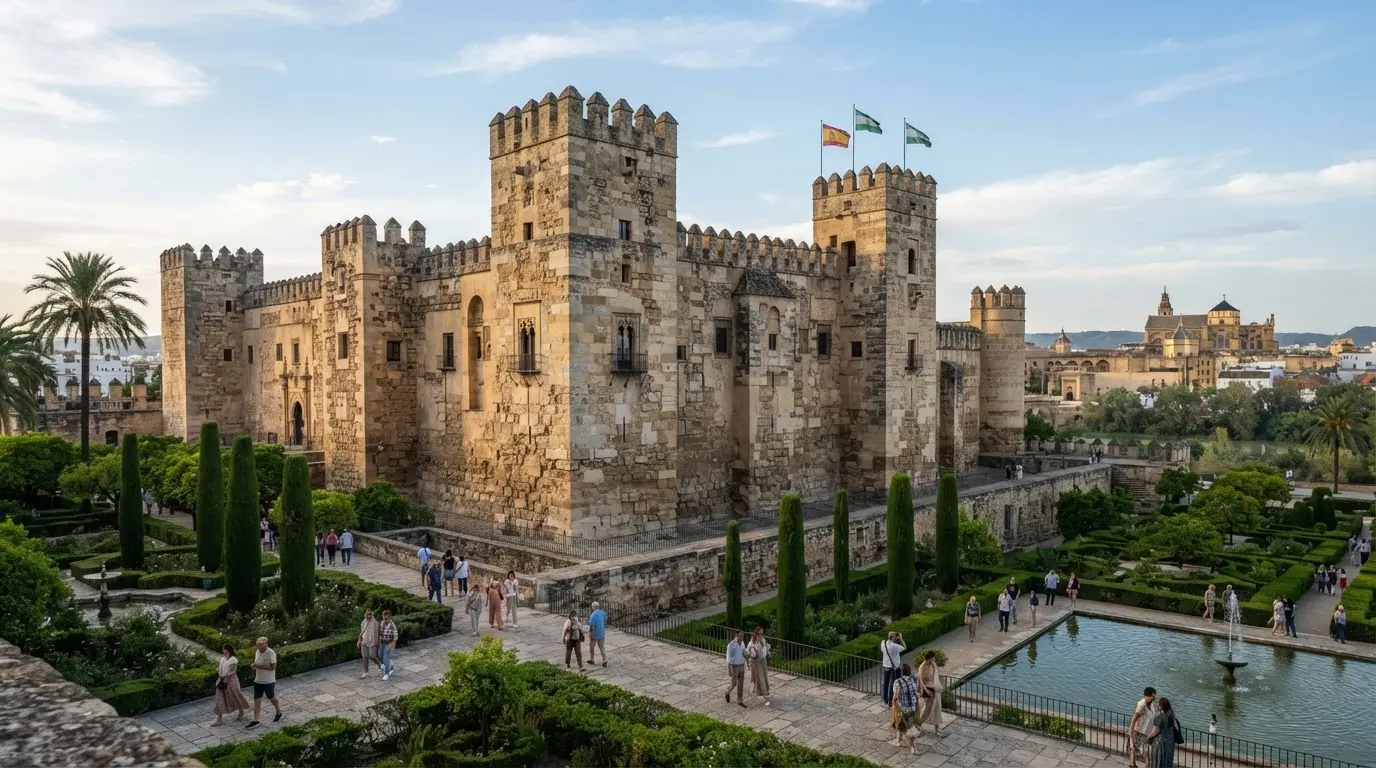
Córdoba's Alcázar as Inquisition HQ — 339 Years of Dark History
Sophie Marchand Updated
The Alcázar de los Reyes Cristianos was headquarters of the alcazar cordoba inquisition for 339 years. What happened inside, and what remains visible today.
Read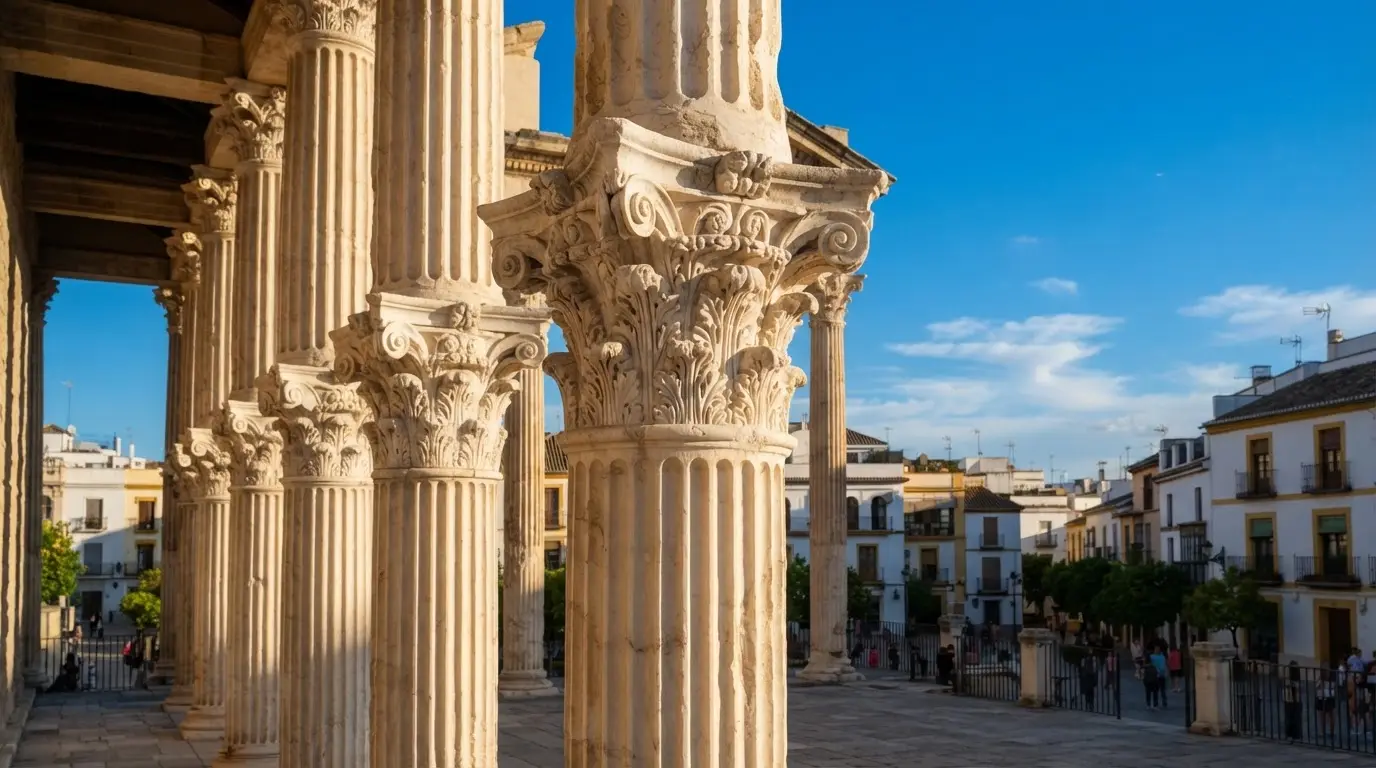
Córdoba's Roman Temple — Found Under City Hall in 1951
María Fernanda González Updated
In 1951, Córdoba's City Hall expansion broke through to a Roman temple buried for 1,900 years. What workers found, how it was identified, and what survives.
Read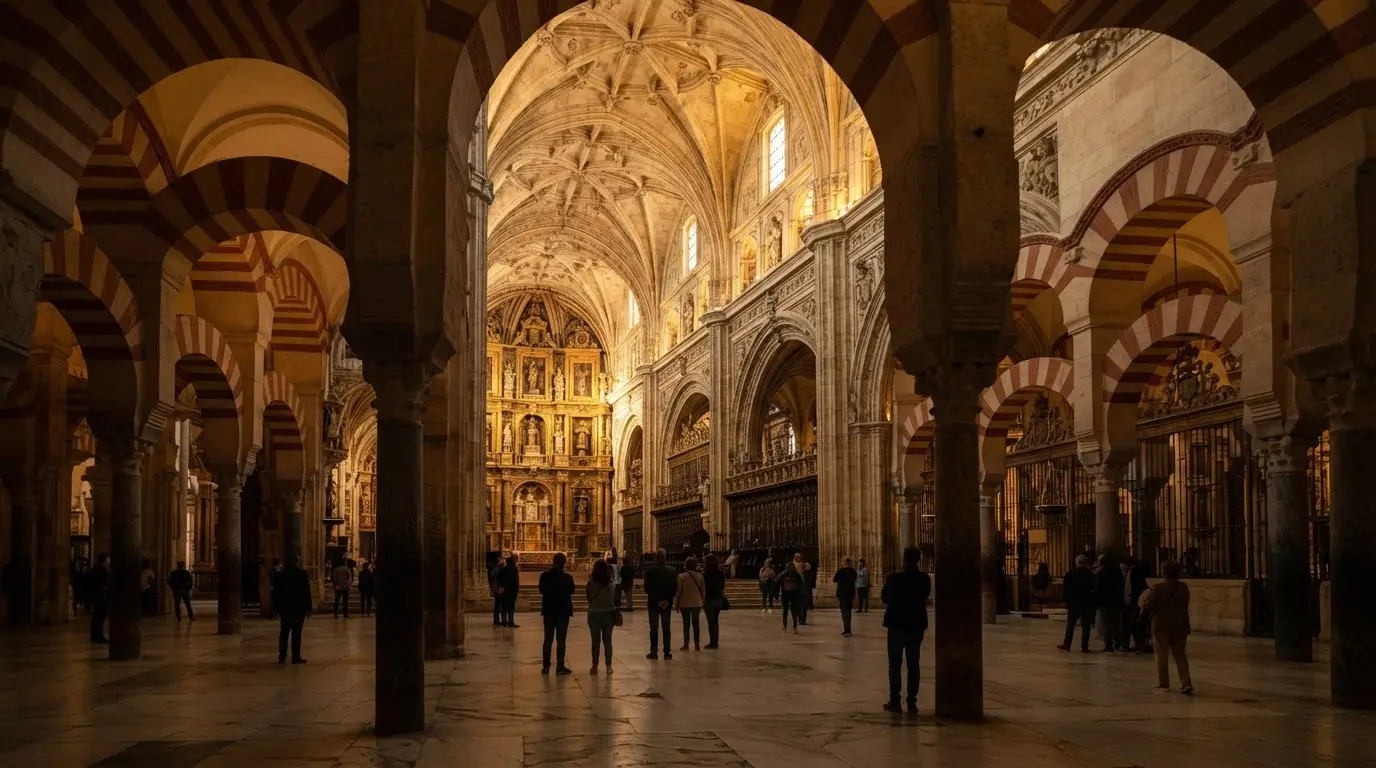
Mezquita Conversion 1236: What the Reconquista Actually Did
Sophie Marchand Updated
In 1236, Ferdinand III captured Córdoba and converted the Great Mosque into a cathedral, left untouched for three centuries until Charles V's architects.
Read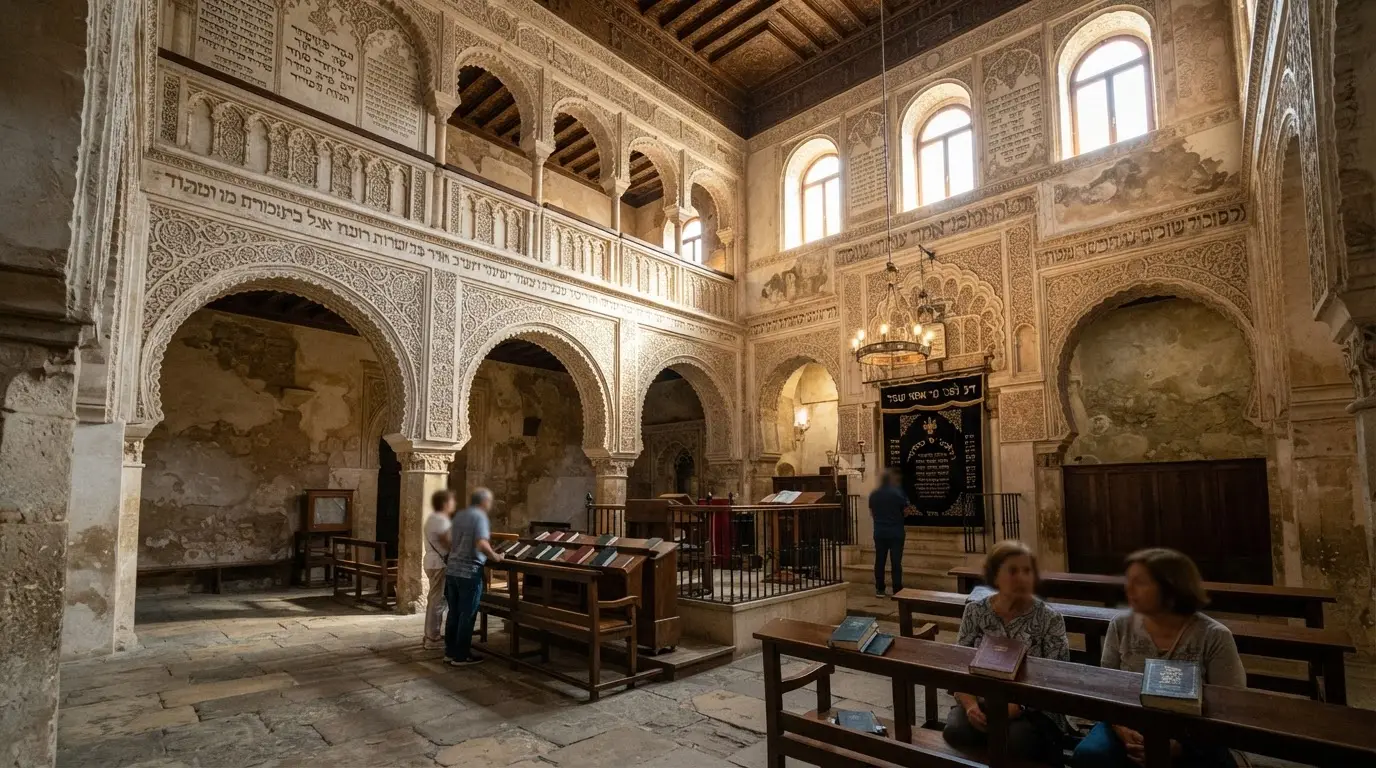
The Córdoba Synagogue's Five Lives Since 1315
Sophie Marchand Updated
Built in 1315 as a private yeshiva, the Córdoba Synagogue survived pogroms, became a rabies hospital, then a cobblers' chapel, before rediscovery in 1885.
Read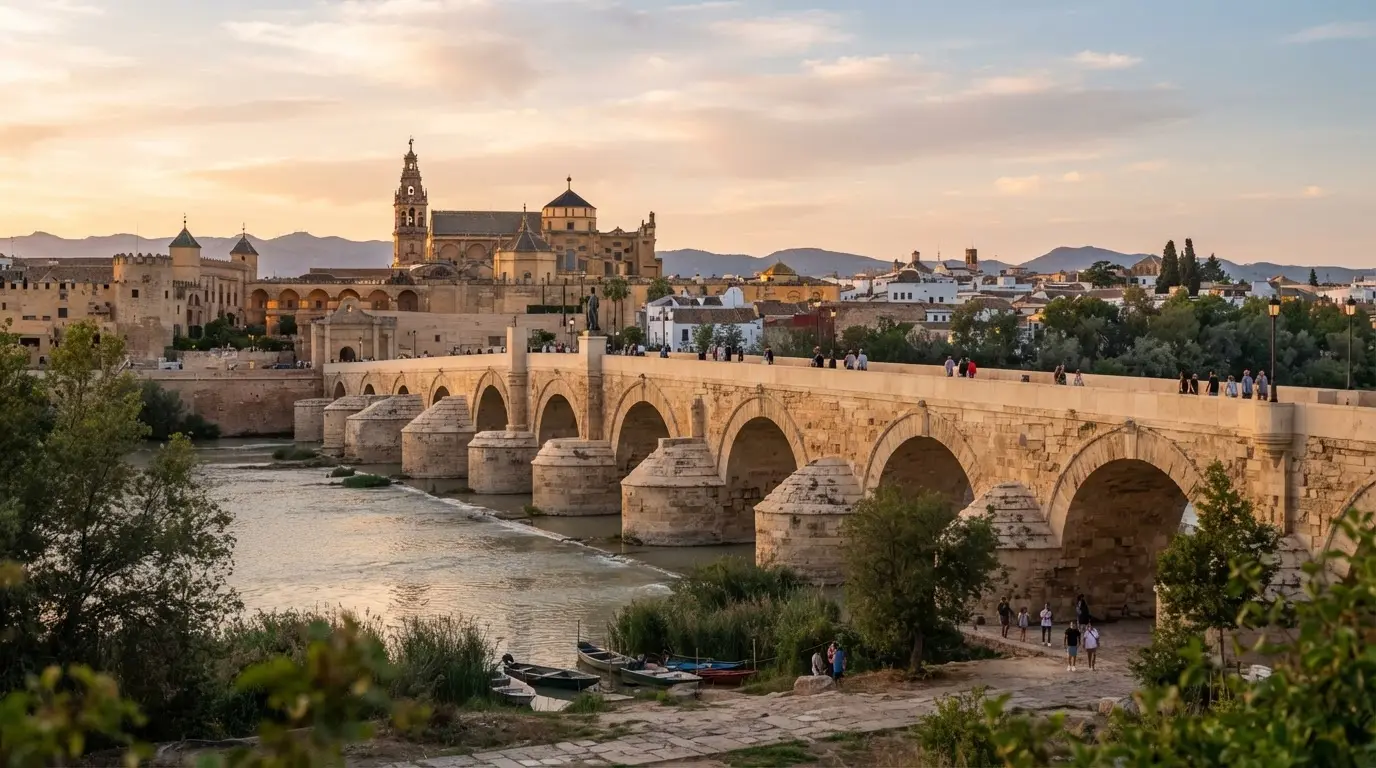
Roman Bridge Córdoba: Why It's Mostly Not Roman
Sophie Marchand Updated
Only 2 of the Roman Bridge's 16 arches are actually Roman. The rest is an 8th-century Umayyad rebuild, medieval repairs, and a 1651 Christian statue on top.
Read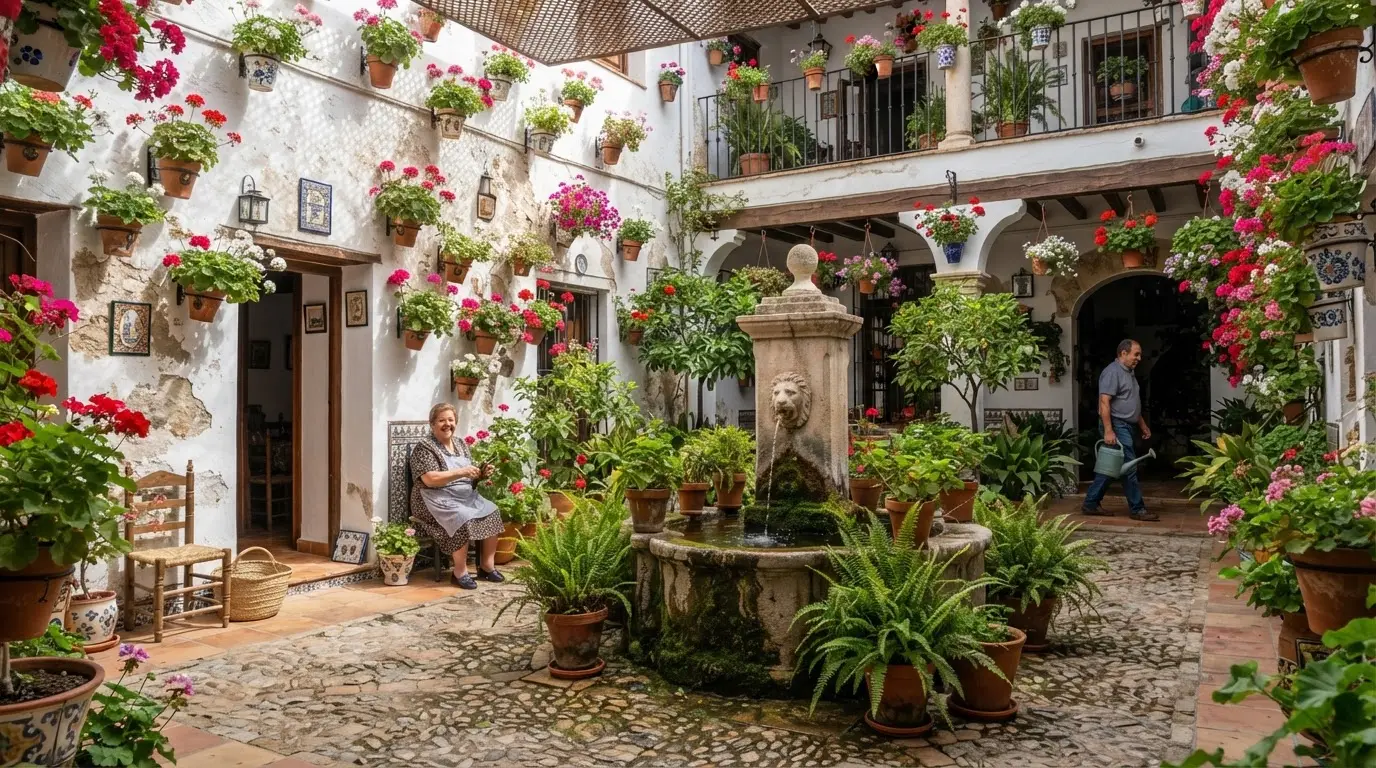
Córdoba's Patios: Why They Exist and Endure
María Fernanda González Updated
Córdoba's patios stay 10–15°C cooler than the street. Two thousand years of Roman, Moorish and Christian engineering explain why, and why they still work.
Read