Articles · Taifas, Almoravids & Almohads
After the Caliphate: Taifas, Almoravids and Almohads in Córdoba
The caliphate splinters, yet Averroes and Maimonides are both born here.
Coverage of Córdoba once the caliphate fell apart: rival kingdoms, two North African dynasties, and the thinkers and communities who kept working through the upheaval. For readers who jump from the caliphs straight to the Reconquista.
9 articles · 1031–1236
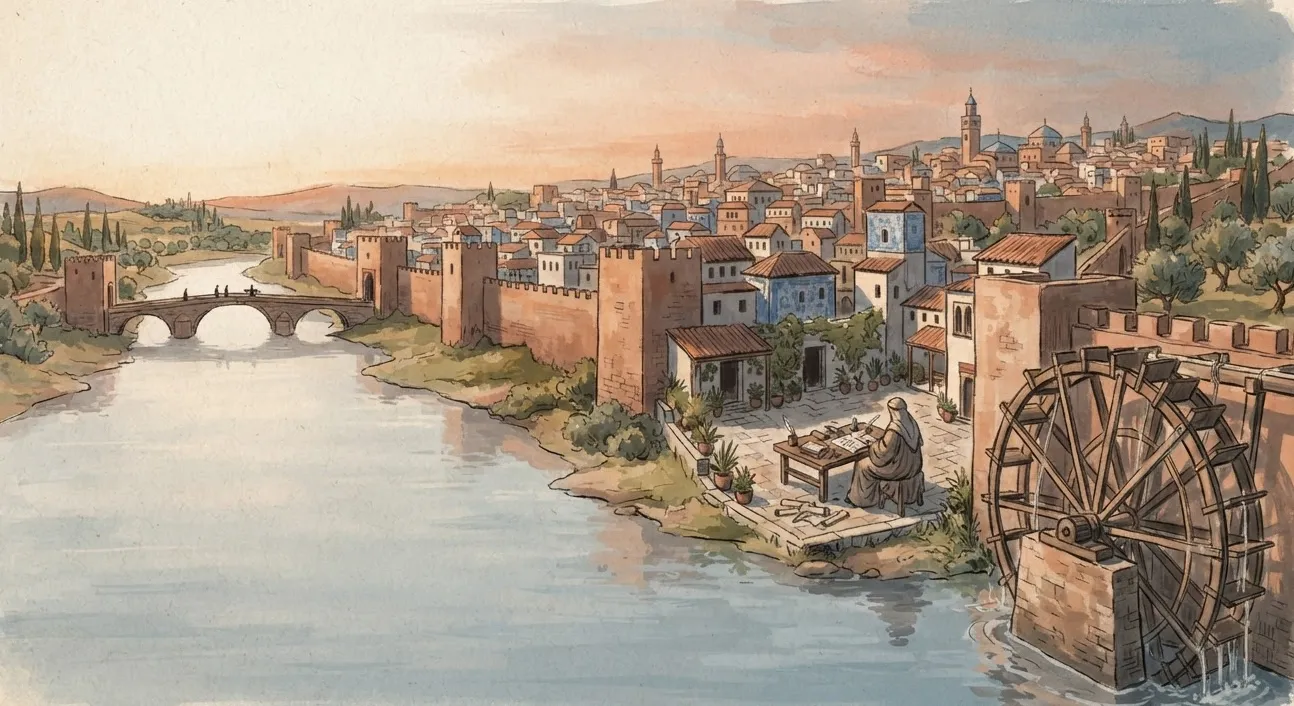
Articles on Taifas, Almoravids & Almohads
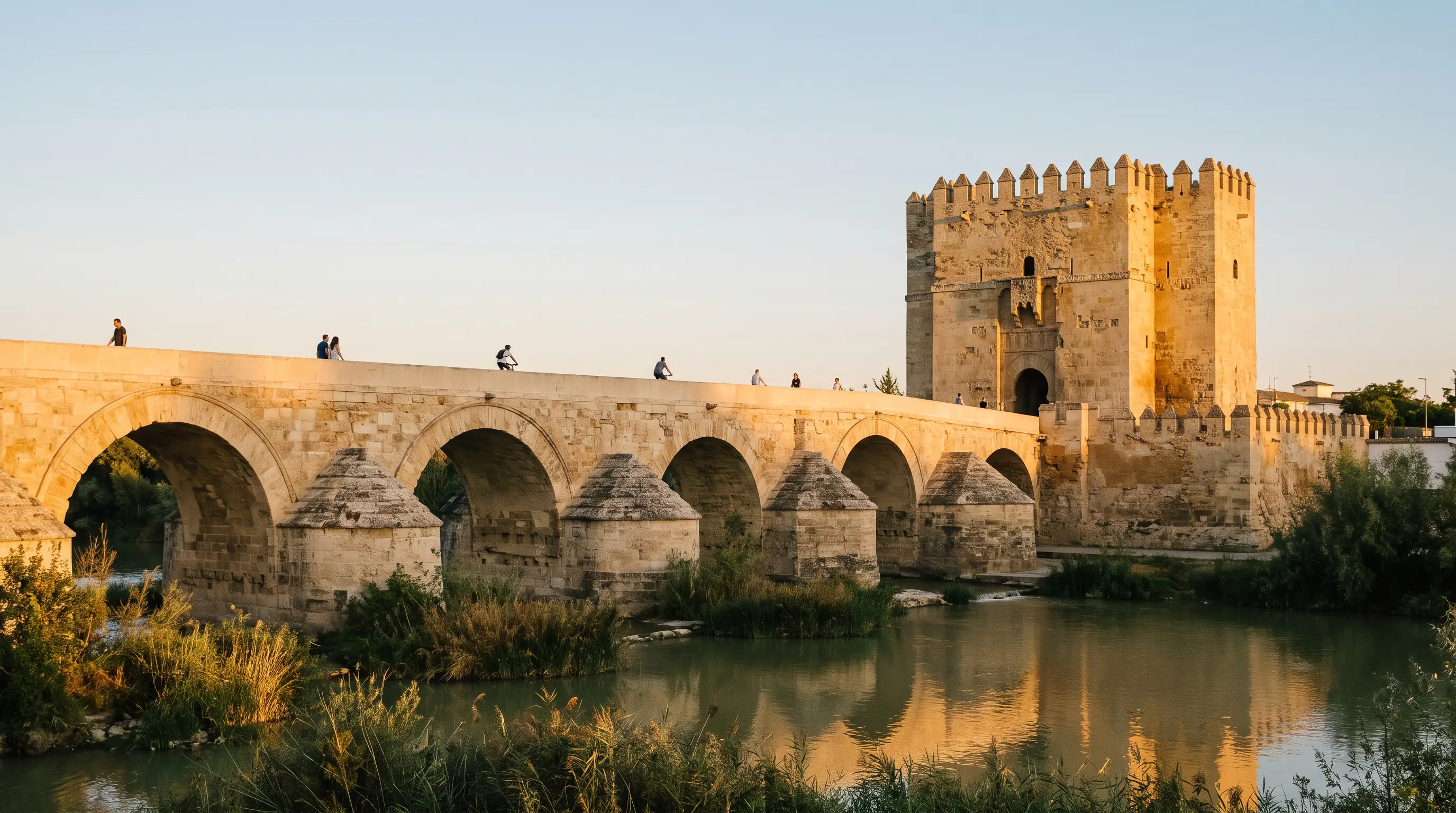
Almohad Córdoba 1148-1236: A City in Decline
Sophie Marchand
Was Córdoba in decline under the Almohads, 1148-1236? Seville took the capital and Averroes was exiled, yet new digs find walls, towers and an Almohad palace.
Read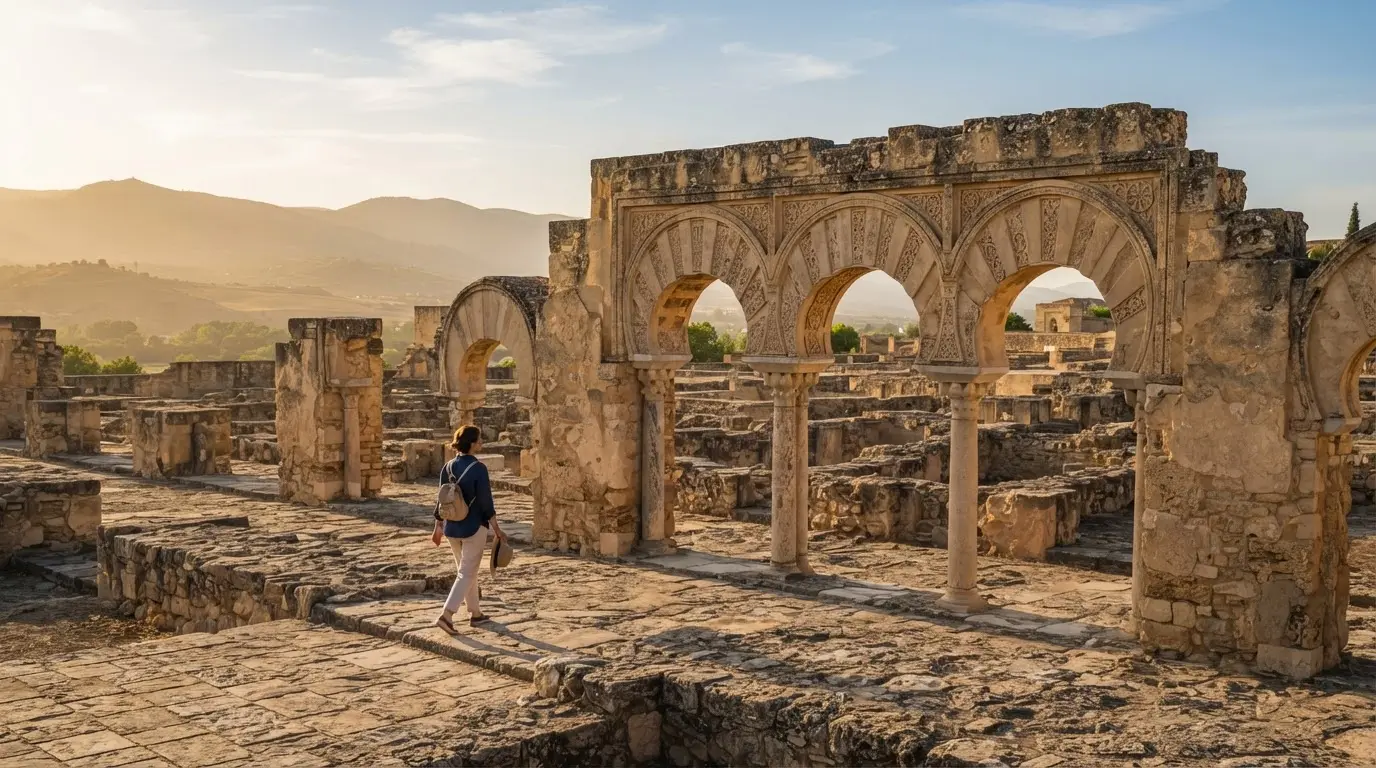
The Banu Jahwar Ran Córdoba by Committee Until Seville Took It
Sophie Marchand
After the caliphate fell, Córdoba became a republic run by the Banu Jahwar. How the taifa worked, why it fractured, and how Seville took it around 1070.
Read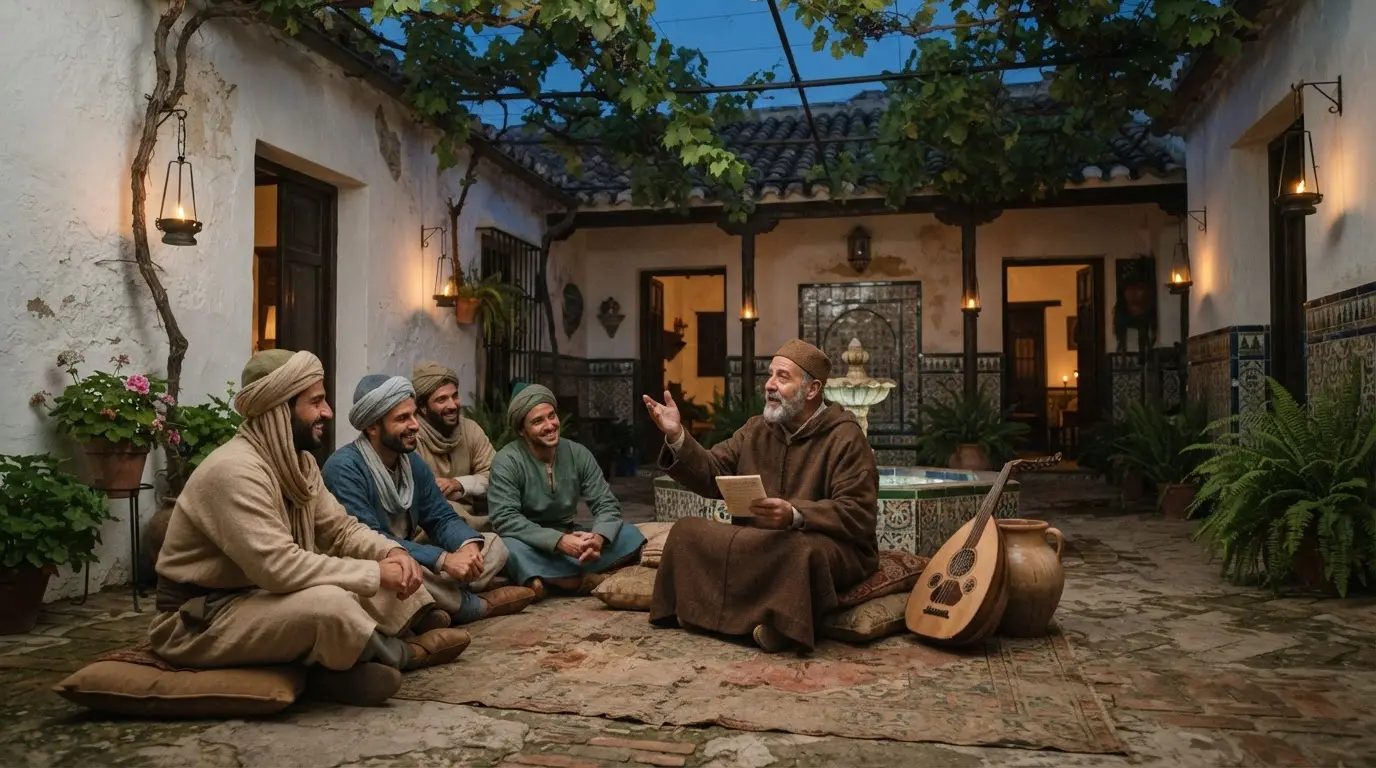
Ibn Quzman: Córdoba's Satirist Poet and the Poem Where He's Imam
Sophie Marchand
Ibn Quzman, Córdoba's satirist poet, was jailed on heresy charges and died poor. Did he become an imam? One zajal I traced says so; its poet loved tall tales.
Read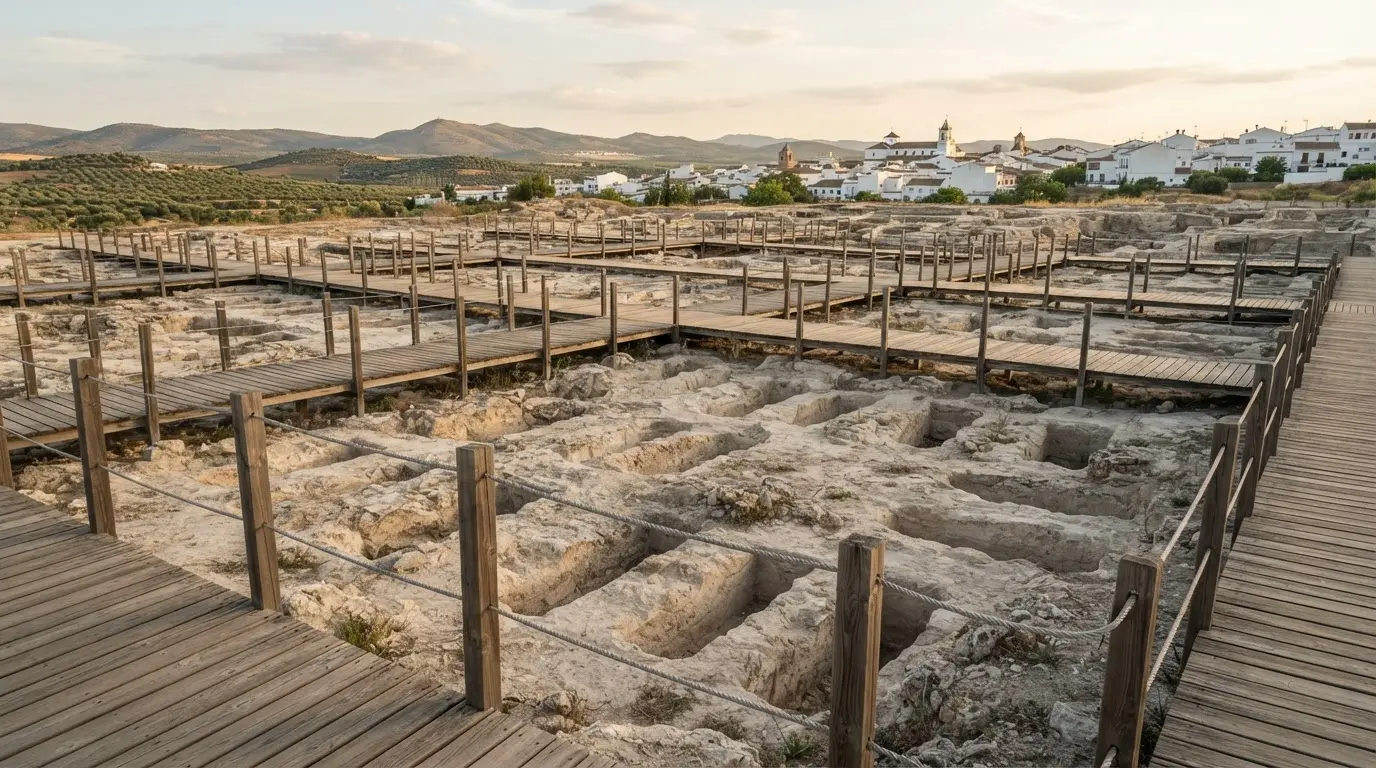
Lucena, Córdoba: The Jewish Town That Governed Itself
Sophie Marchand Updated
Lucena's Jewish community had an elected rabbi, a famous yeshiva and a cemetery found in 2006. What the sources say about its autonomy, and what you can visit.
Read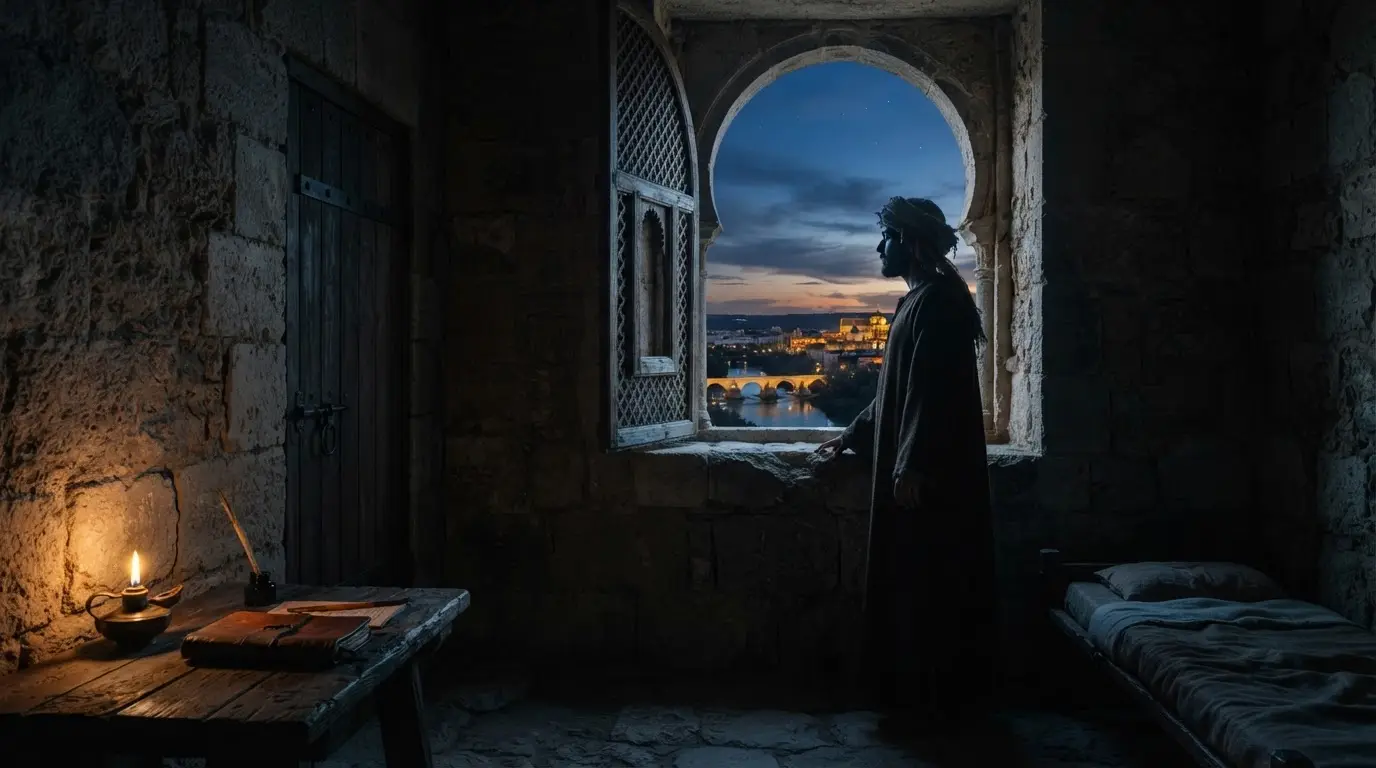
Ibn Zaydún: Córdoba's Exiled Poet Turned Ambassador
Sophie Marchand Updated
Imprisoned in Córdoba, exiled to Seville, and dead as an ambassador by 1071: the political life of poet Ibn Zaydún, distinct from his romance with Wallada.
Read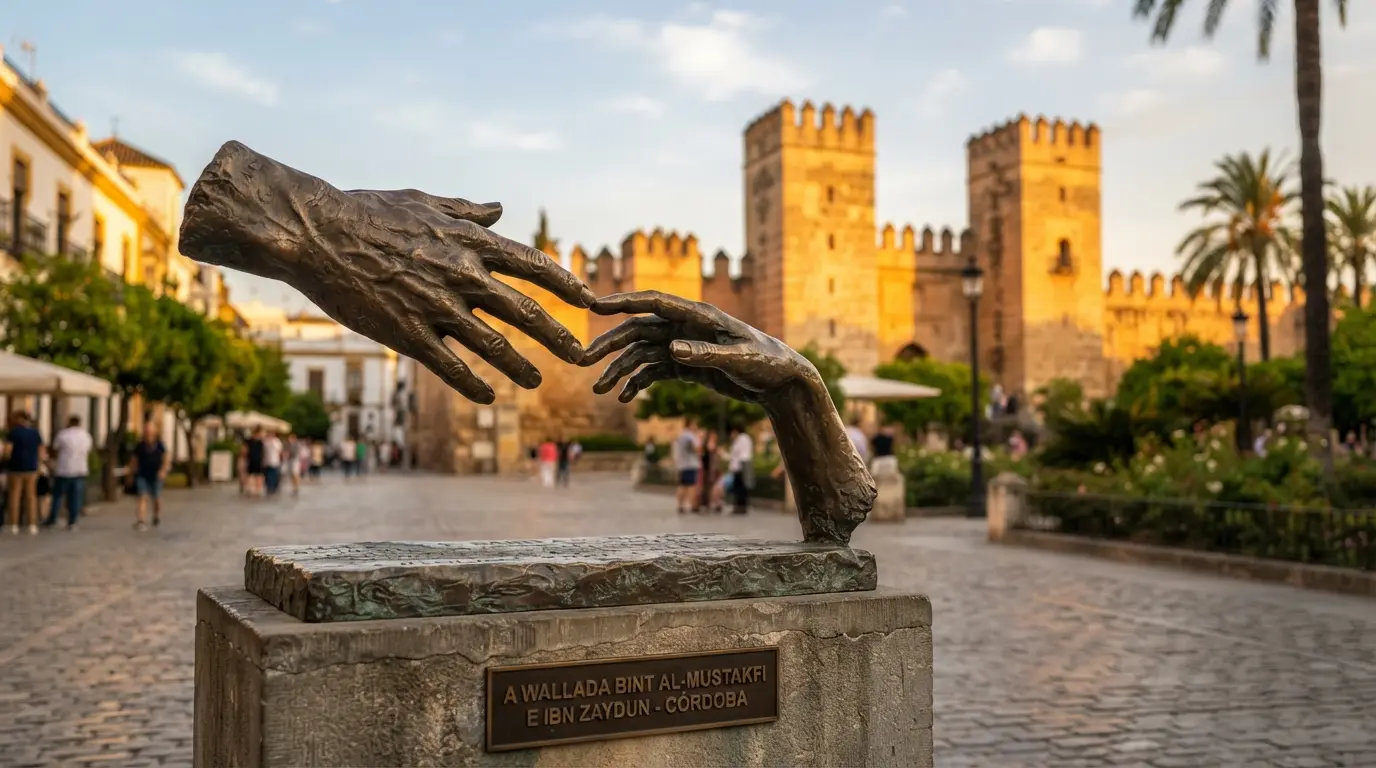
Wallada bint al-Mustakfi: Córdoba's Rebel Poet Princess
Sophie Marchand Updated
Wallada bint al-Mustakfi inherited a caliph's fortune, ran Córdoba's boldest literary salon, and loved men and women openly in an unveiled, defiant life.
Read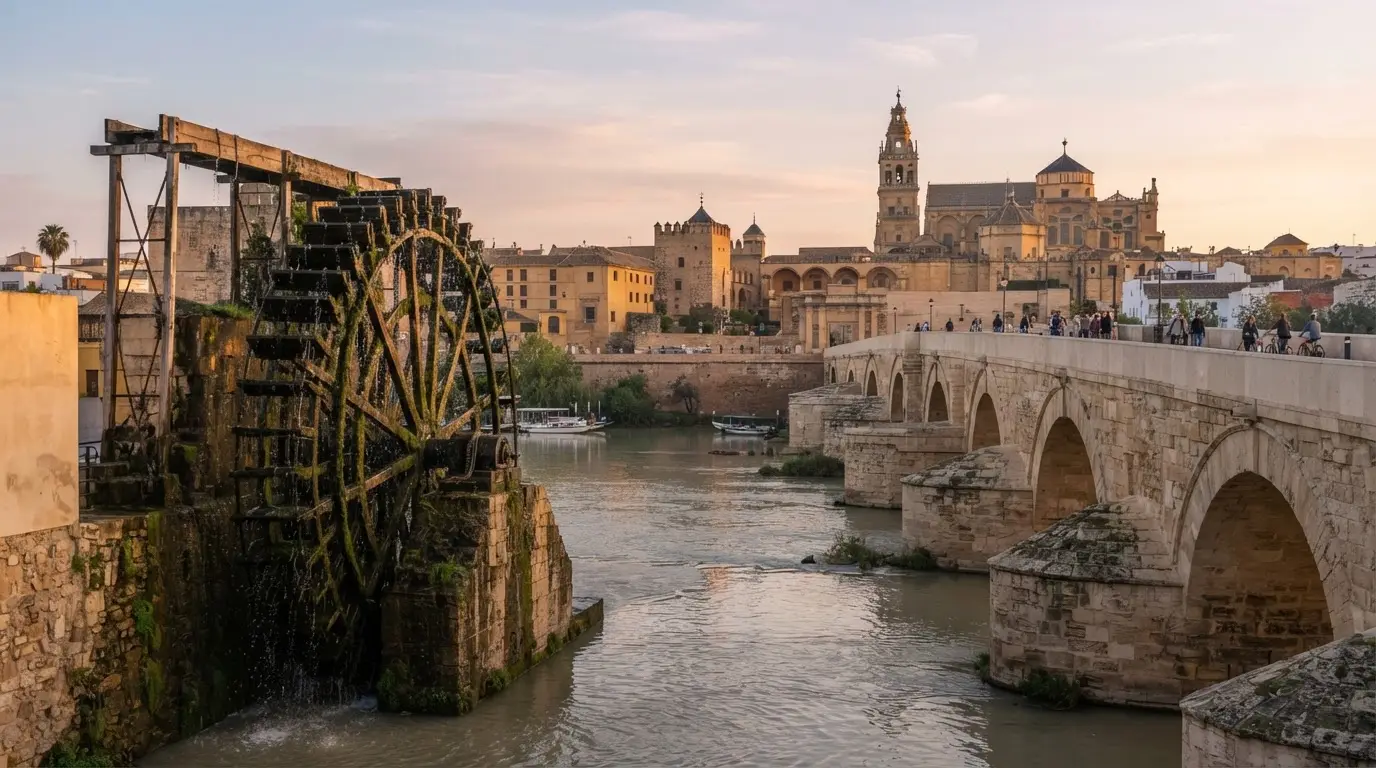
Albolafia waterwheel history: Abd al-Rahman II's Córdoba
Sophie Marchand Updated
The Albolafia waterwheel first appeared on Córdoba's coat of arms in the 1300s, vanished for centuries, and returned in 1983 — not Abd al-Rahman II's work.
Read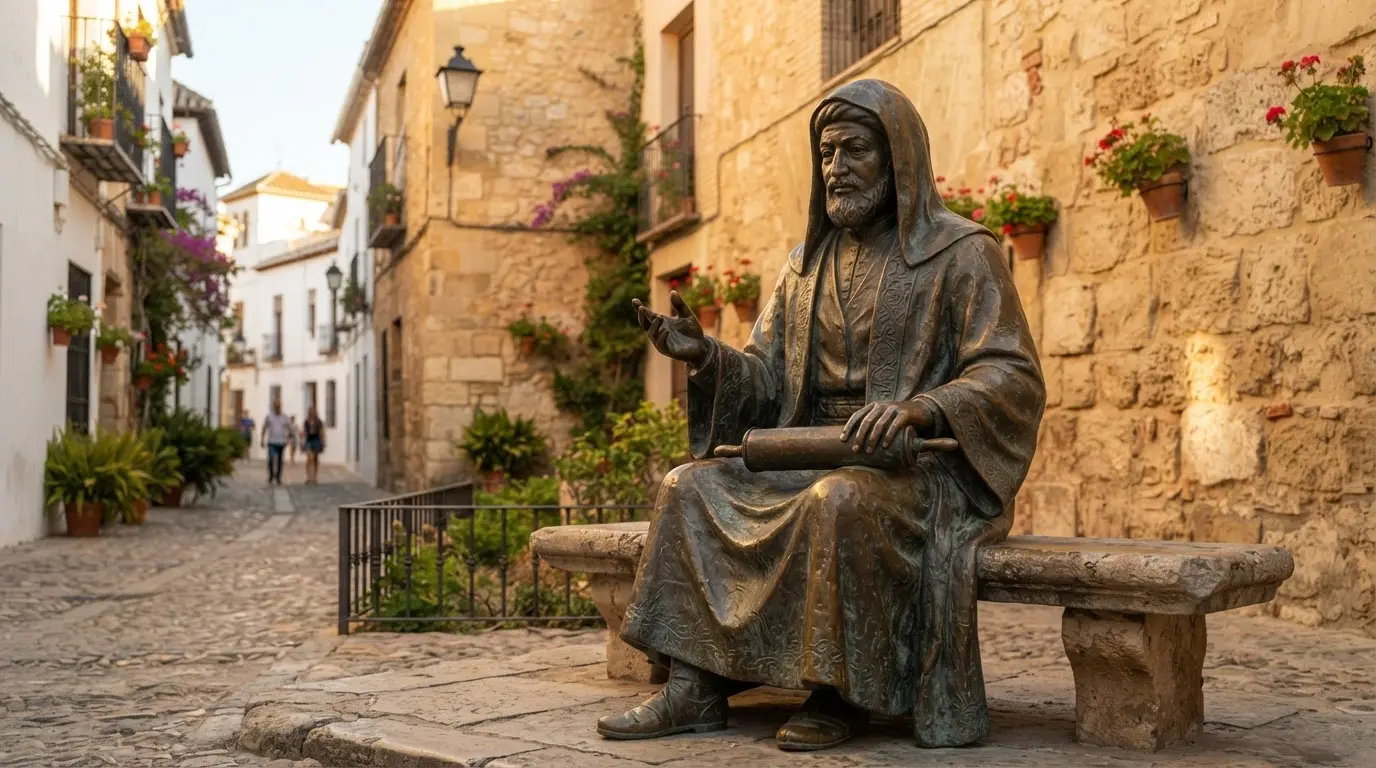
Maimonides: Córdoba's Philosopher Who Changed Judaism
Sophie Marchand Updated
Born in Córdoba in 1138, Maimonides codified Jewish law, reconciled Aristotle with the Torah, and influenced Aquinas. His statue stands in the Judería today.
Read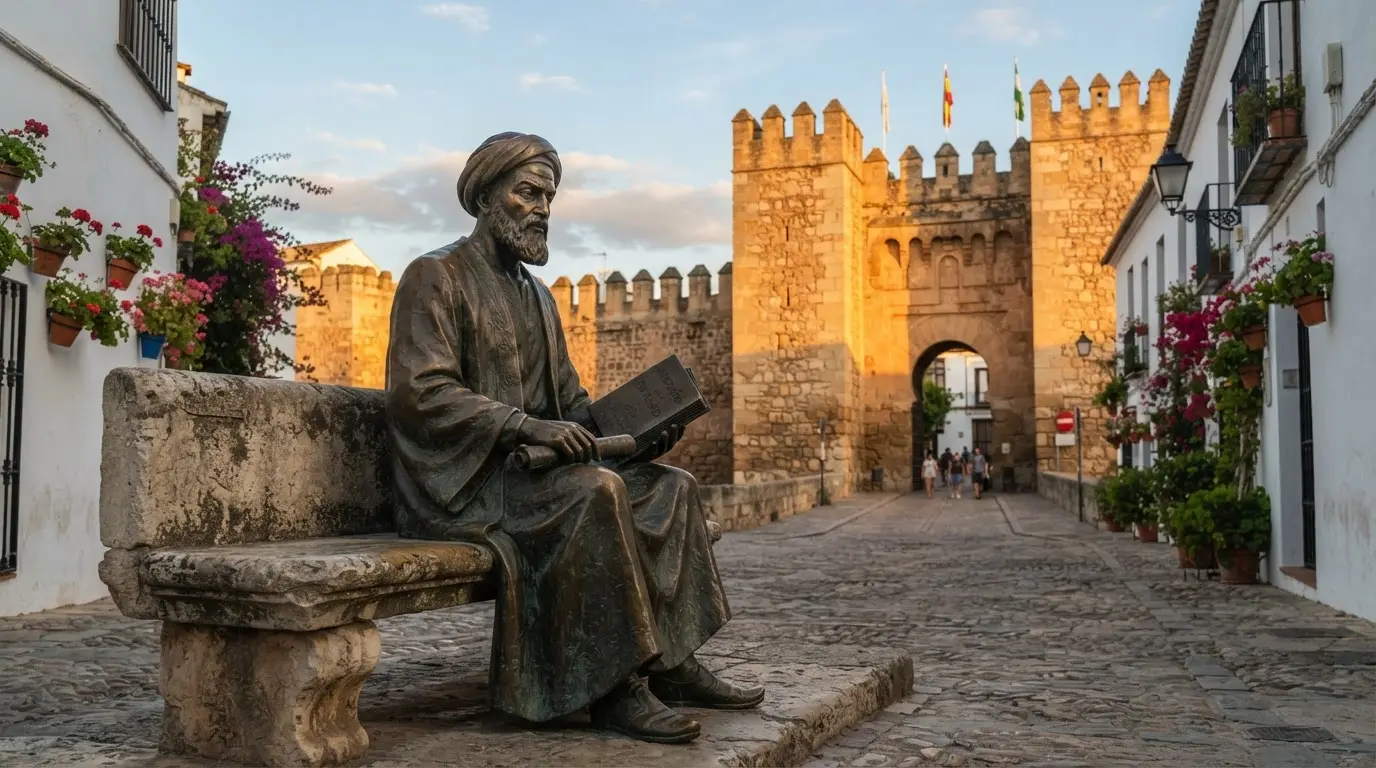
Averroes: Córdoba's Philosopher Who Saved Aristotle
Sophie Marchand Updated
Born in Córdoba in 1126, Averroes wrote the commentaries that returned Aristotle to Christian Europe. Thomas Aquinas read him. Paris called him the Commentator.
ReadSee Taifas, Almoravids & Almohads on the timeline, with its people and monuments
Frequently asked questions
Who ruled Córdoba immediately after the Caliphate was abolished in 1031?
After abolishing the Umayyad throne in early 1031, Córdoba formed a taifa led by vizier Abu l-Hazm Jahwar and a council of notables rather than a titled king. His sons al-Rashid and Abd al-Malik succeeded him, and some Jahwarid coins omitted a ruler's name before Abbadid Seville annexed the city around 1070.
When did the philosopher Maimonides live in Córdoba?
Moses ben Maimon, known as Maimonides, was born in Córdoba around 1138 into a family of rabbinic judges and spent his childhood studying in the city. Following the 1148 Almohad conquest of Córdoba, his family left al-Andalus and eventually settled in Fustat in Egypt, where he wrote the Mishneh Torah and Guide for the Perplexed.
Which dynasty built the Albolafia waterwheel beside the Roman Bridge?
Although long attributed by guidebooks to 9th-century Umayyad emir Abd al-Rahman II, a 2025 archaeological study proved the 15-metre Albolafia waterwheel was built under the Almohads in the second half of the 12th century. The wheel lifted Guadalquivir water to the Alcázar gardens until Queen Isabella I ordered it dismantled in 1492.
Who was the 11th-century Córdoba poet Wallada bint al-Mustakfi?
Born in 994 or 1001 as the daughter of Umayyad caliph Muhammad III, Wallada bint al-Mustakfi used her inheritance to run an open literary salon in taifa-era Córdoba until her death on 26 March 1091. Nine of her poems survive today, eight of them addressed to or attacking her former lover, the Córdoba poet and diplomat Ibn Zaydún.