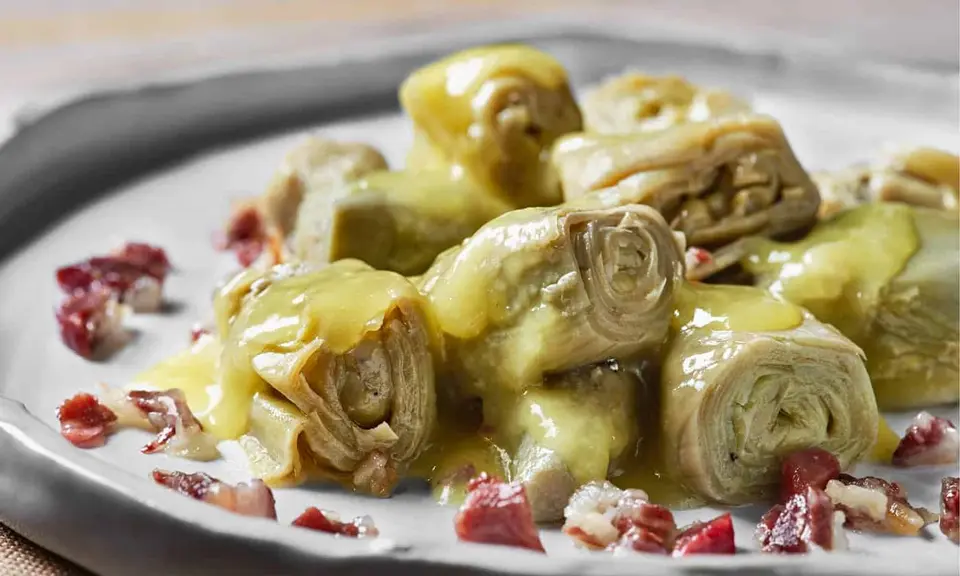
Alcachofas a la Montillana
Artichoke hearts braised in Montilla white wine with garlic and olive oil — a spring-only dish from Córdoba's countryside. Try them at Taberna Salinas.
artichokes montilla-wine braised
Explore Eleven traditional dishes here are gluten-free by recipe, oxtail and grilled meats among them. A few classics rely on bread or batter, so check before ordering.
Gluten-free eating in Córdoba is easier with meat and stew dishes than with the bread-based tapas the city is famous for. Rabo de toro, the slow-braised oxtail in red wine, contains no flour or thickener; the sauce reduces naturally from the braising liquid. Grilled meats, caracoles (snails in a spiced broth) and several stewed dishes built on wine, olive oil and vegetables follow the same pattern: nothing added that carries gluten. What to watch for: salmorejo and gazpacho both use stale bread as a thickener and are not gluten-free as traditionally made, and flamenquín and other breaded, fried dishes are built around breadcrumbs. Eleven dishes on this site carry a gluten-free tag, most of them mains rather than the tapas Córdoba is best known for. Cross-contact in a kitchen that also fries breaded food is a separate concern from the recipe itself, worth asking about directly rather than assuming from the dish name alone.
Artichoke hearts braised in Montilla white wine with garlic and olive oil — a spring-only dish from Córdoba's countryside. Try them at Taberna Salinas.
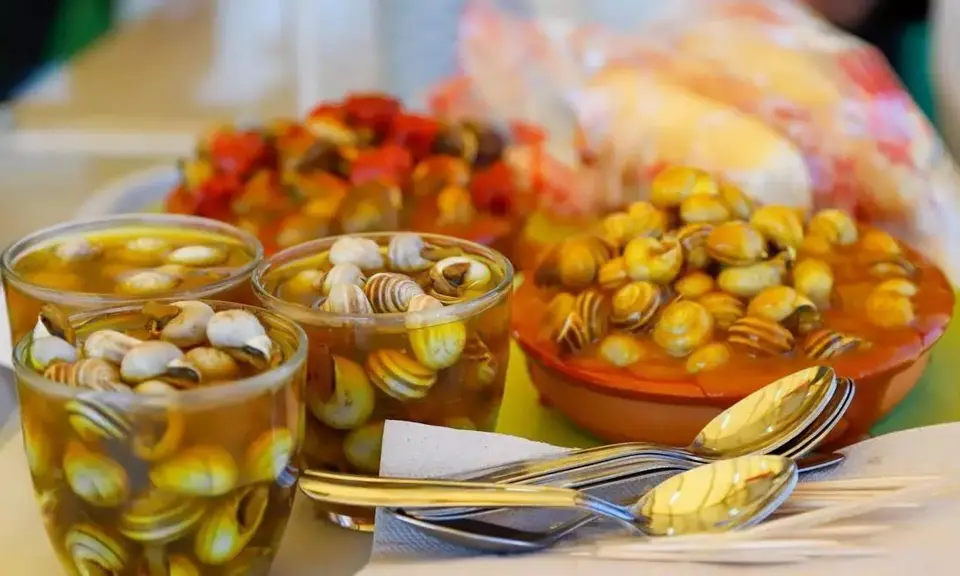
Córdoba's best spring street food: tiny snails served steaming in aromatic cumin-mint broth. A seasonal tradition from March to May — don't miss them.
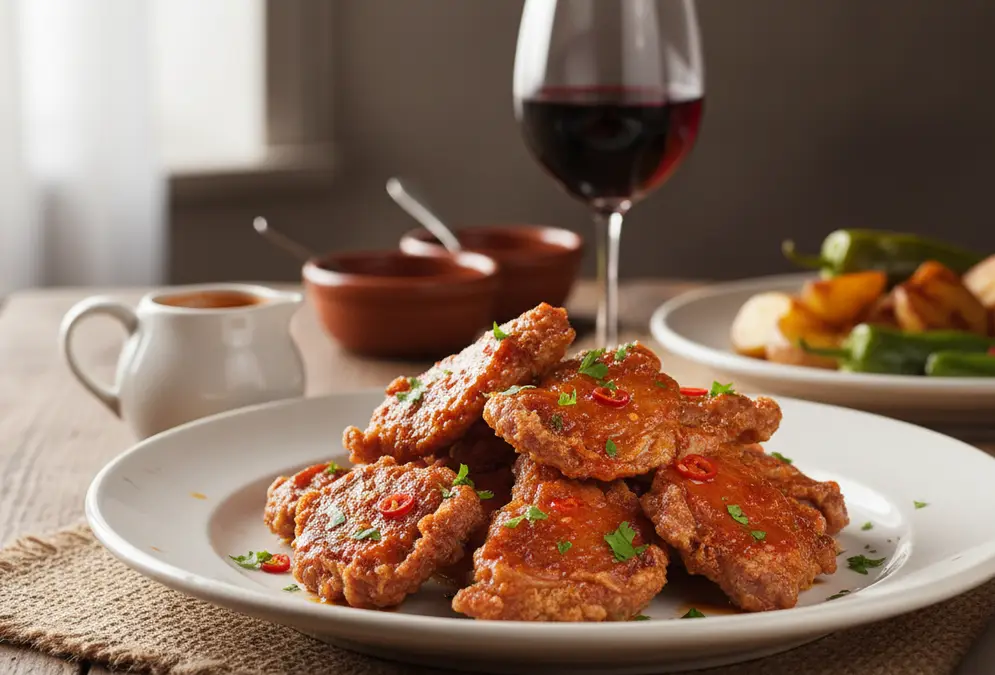
Lamb seared golden in lard with paprika and lemon — crispy outside, tender within. One of Córdoba's most underrated dishes, served at El Churrasco and more.
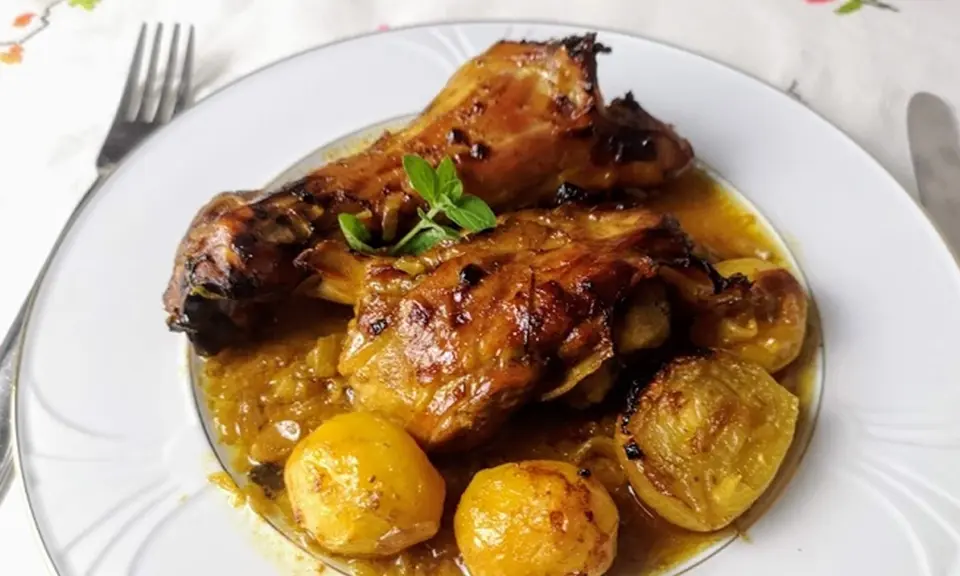
Slow-roasted lamb glazed with honey and white wine — a Moorish recipe that survived the Reconquista intact. Melt-in-your-mouth tender, try it at Noor.
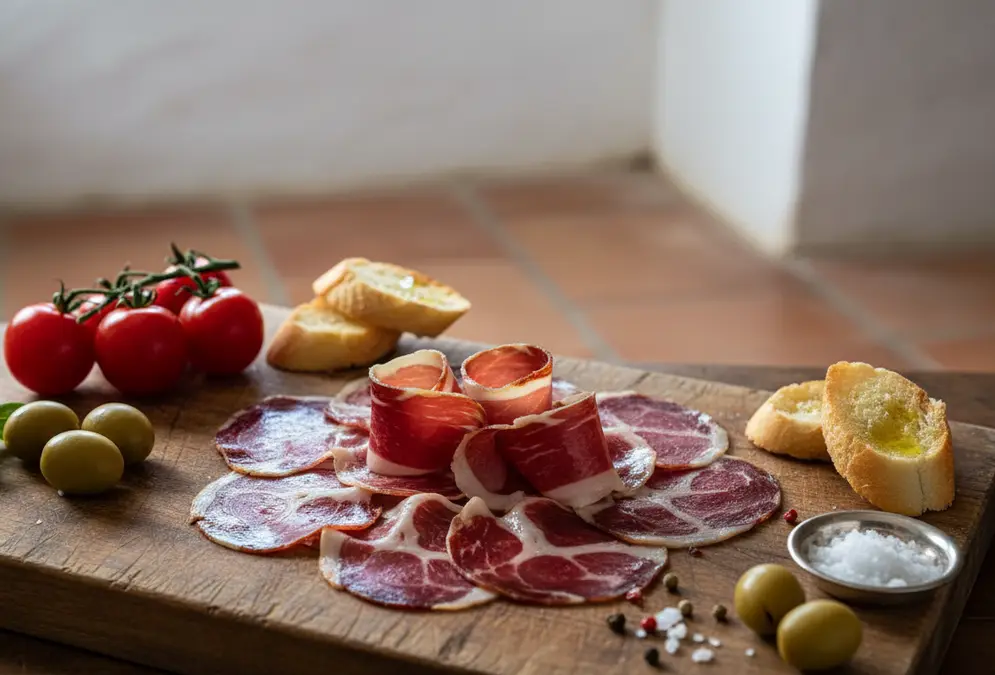
Melt-in-your-mouth acorn-fed Iberian ham from Córdoba's Los Pedroches valley, cured 36 months. Spain's finest cured meat — where to taste it in the city.
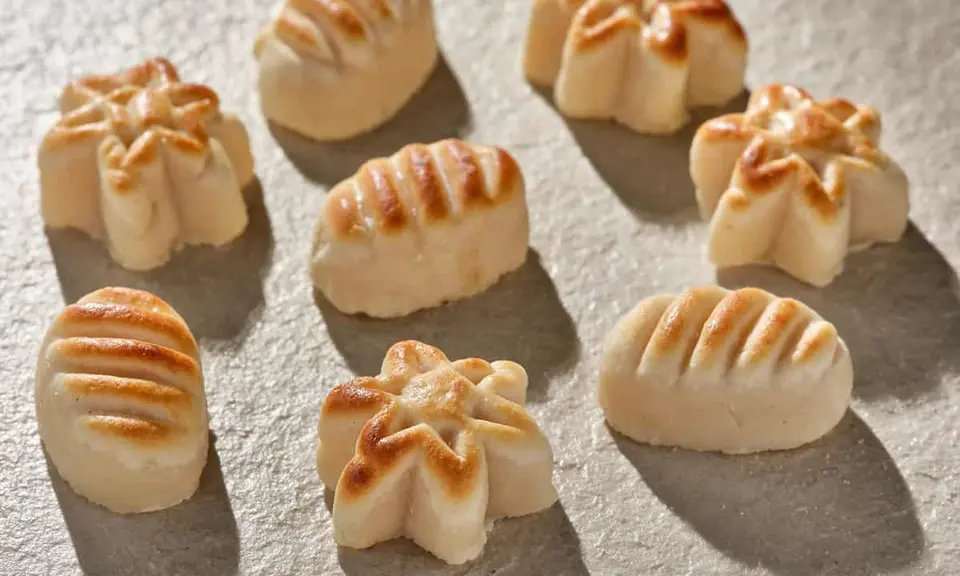
Creamy Marcona almond marzipan hand-shaped in Córdoba since the Moorish Caliphate. Sold year-round in the city's pastry shops — the best souvenir to eat.

Córdoba's own wine: Pedro Ximénez grapes on white limestone, producing finos, amontillados and rich sweet wines without fortification. Taste them here.
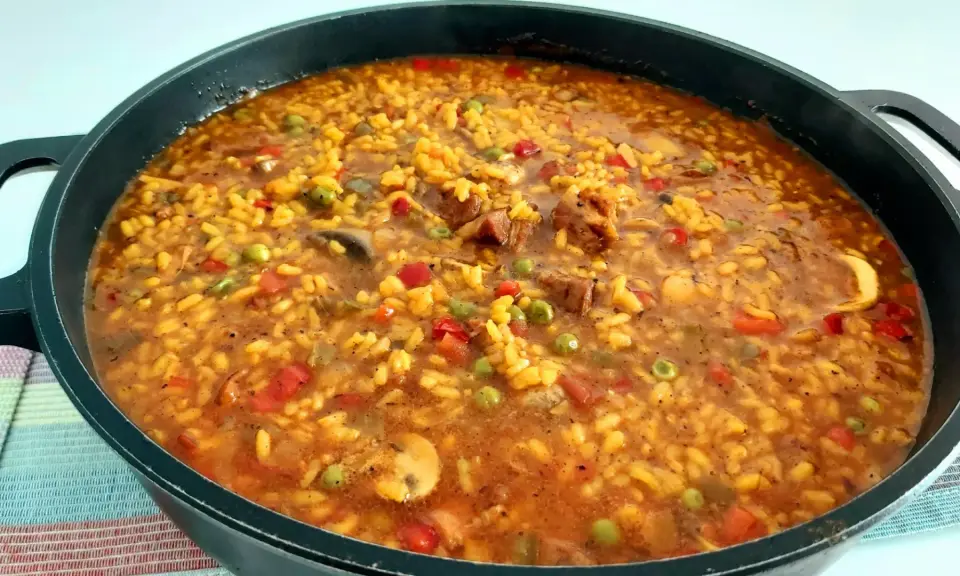
Córdoba's beloved communal rice cooked over open firewood — a festive October tradition for San Rafael, impossible to find in restaurants. Plan ahead.
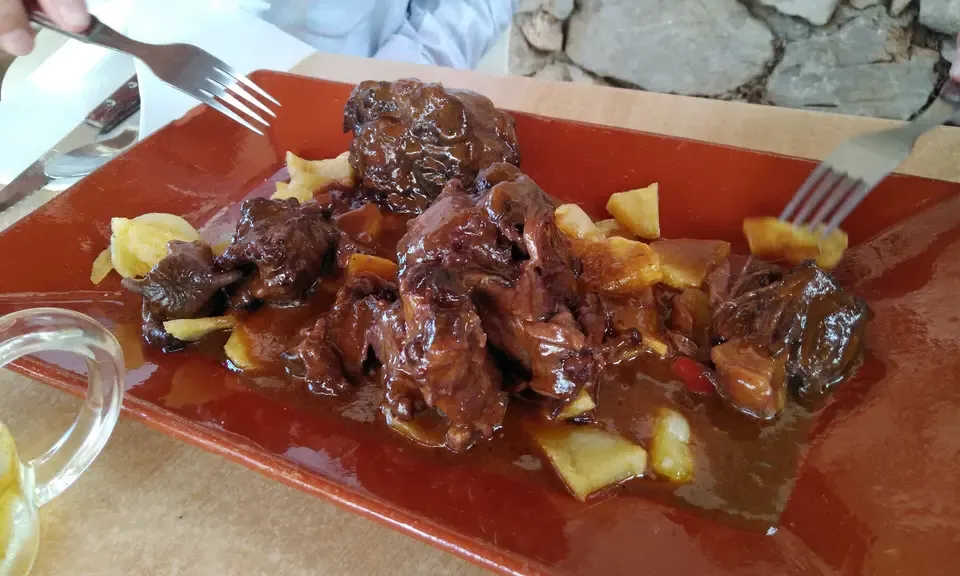
Rabo de toro: Córdoba's slow-braised oxtail in red wine, so tender it falls off the bone. Try Bodegas Campos or Taberna Salinas. Best in autumn and winter.

Fino mixed two-to-one with ice-cold sparkling lemonade — the drink that fuels Córdoba's Feria de Mayo. Light, refreshing, and impossible to stop at one.
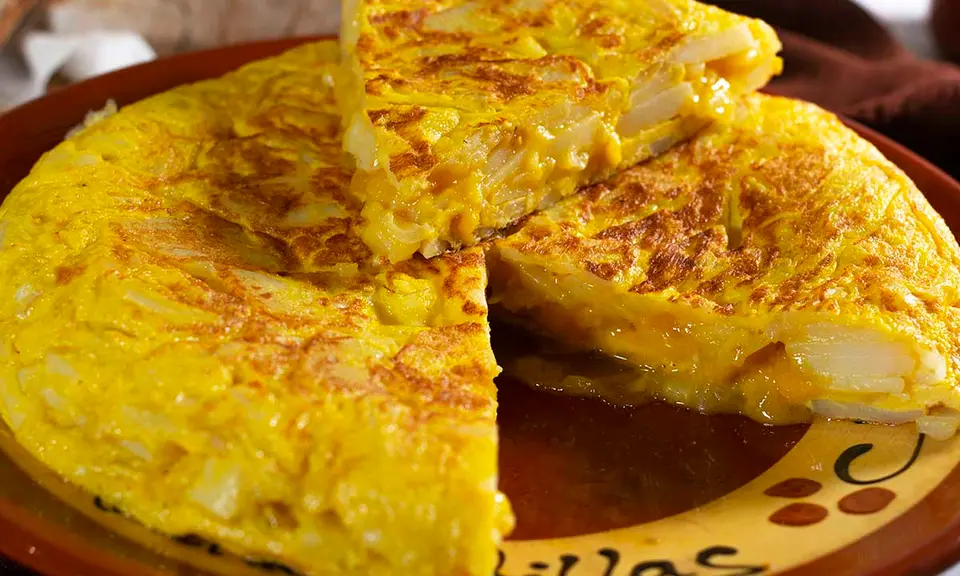
Golden outside, impossibly creamy within — Spain's potato omelette at its finest in Córdoba's tapas bars. Find the best version at Bar Santos any time of day.
Looking for restaurants rather than recipes? Where to eat gluten-free in Córdoba
Tours are selected for quality, not commission. We earn a small fee if you book — at no extra cost to you.
Eleven dishes qualify as naturally gluten-free, led by rabo de toro (braised oxtail), most grilled meats, and caracoles (snails in spiced broth). These are mostly meat-based mains rather than the bread-thickened cold soups Córdoba is famous for.
No. Traditional salmorejo uses stale white bread as its thickening base, roughly equal parts bread and tomato by weight. There is no gluten-free version served in traditional Córdoba kitchens; the bread is structural to the texture, not an optional addition.
Salmorejo and gazpacho both rely on bread. Flamenquín and other breaded, fried dishes use breadcrumbs as a coating. Some stews use flour to thicken the sauce, though rabo de toro traditionally does not. When in doubt, ask whether bread or flour went into the dish, not just whether it looks safe.
Not automatically. A kitchen that fries breaded flamenquín and croquetas in the same oil used for other dishes carries a cross-contact risk that has nothing to do with the recipe itself. The gluten-free tag on this site reflects the traditional recipe, not kitchen practice, so ask directly if that matters to you.