
What perol cordobés is
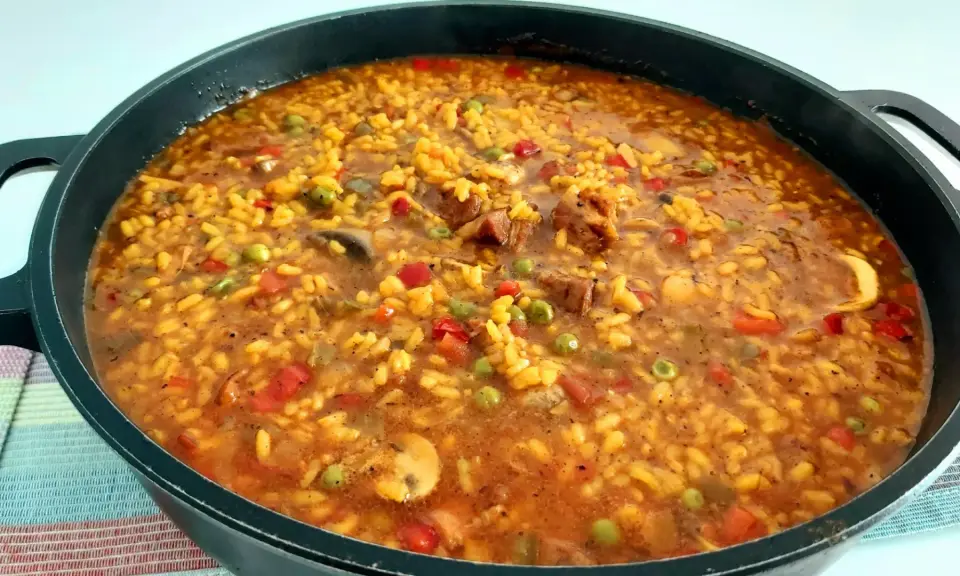
Perol cordobés is a rice dish cooked outdoors in a large, heavy two-handled pan — the 'perol' — over an open wood fire. Short-grain rice, peppers, onion, garlic, tomatoes, saffron, and meat (chicken, pork, or rabbit) go in together, and the whole thing cooks slowly over oak firewood while a group of people tend the fire, regulate the heat, and wait.
The dish is not available in restaurants. That's not an oversight — it's the whole point.
The tradition around San Rafael
October 24 is the feast day of San Rafael Arcángel, Córdoba's guardian angel (ángel custodio) — not its patron saint, an honour that belongs to San Acisclo and Santa Victoria. Rather than marking it quietly, the city's tradition has always been to go outdoors — into the countryside and forests surrounding Córdoba — and cook perol together. Groups of friends and families bring vegetables, meat, rice, and saffron. They gather wood, build a fire, and begin the collective work of feeding each other.
The perol's two handles distribute heat evenly and allow two people to lift and move it. Unlike a shallow paella pan, the perol is deep, designed to hold more liquid and feed more people. That cooperative design is not incidental — it's built into the object.
Why the cooking is as important as the eating
Preparing perol requires coordination. The vegetables need softening before the meat goes in. The meat needs browning before the rice. The rice needs toasting before the broth. Then the fire needs constant management — too hot and the bottom scorches, too cool and the rice won't absorb evenly. No single person controls all of this. Multiple people handle different tasks simultaneously, and the result depends on everyone doing their part.
What emerges after thirty minutes or so of careful attention is rice with distinct grains infused with saffron and meat stock, surrounded by integrated vegetables and tender meat that's given its flavour to every grain around it. It tastes of collective effort, which is not a figure of speech — food cooked communally over open fire genuinely tastes different from food cooked alone in a kitchen.
How to experience it as a visitor
You will not find perol cordobés on any restaurant menu. During the San Rafael celebration in late October, some community organisations prepare it at public events, and some private catering services in Córdoba offer the experience for groups. The Córdoba food tour occasionally covers it as a cultural context item, explaining the tradition even when the dish itself isn't on the tasting route.
The authentic way to eat perol is to be invited to join one — which requires either knowing Cordobans or finding a community event during festival season. If that happens, accept without hesitation.
What it tells you about Córdoba
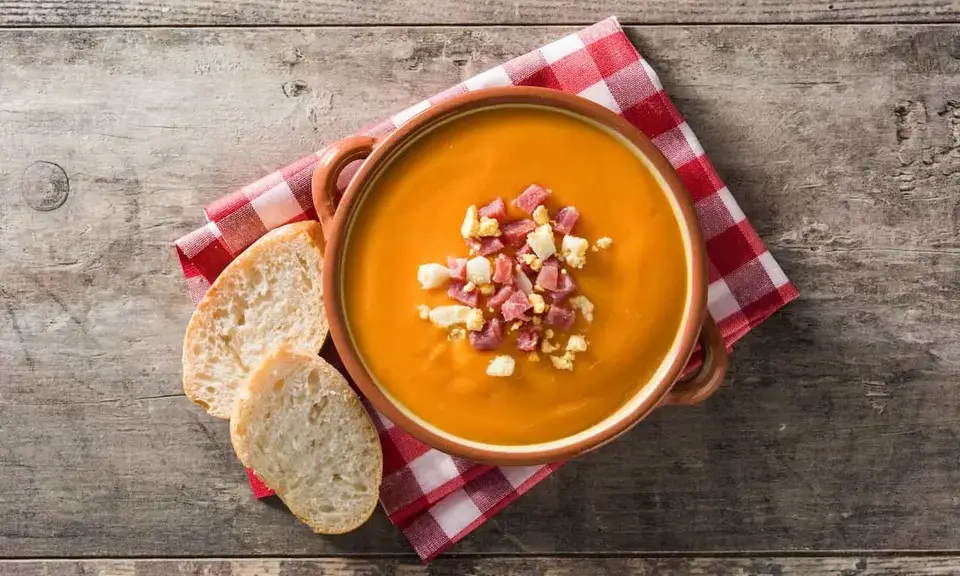
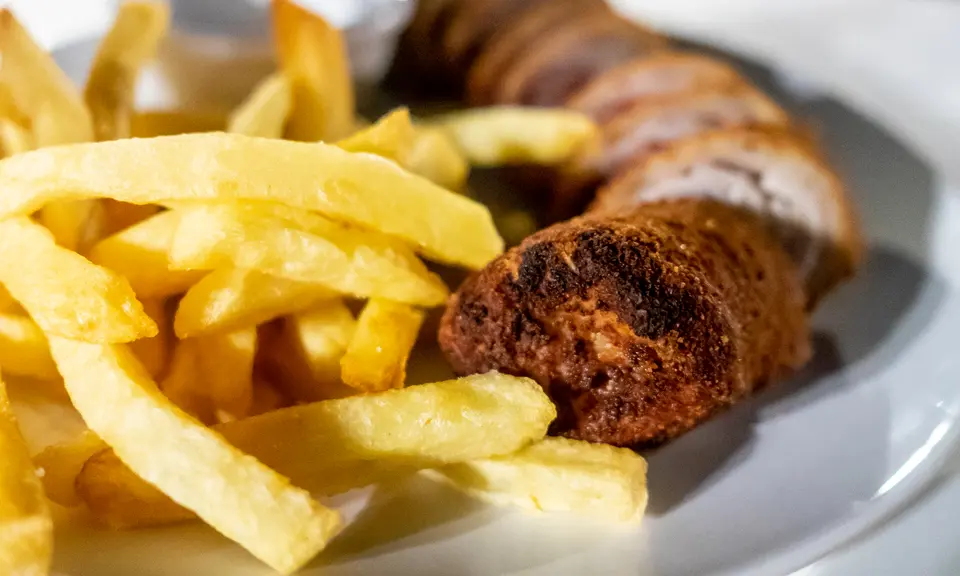
The persistence of the perol cordobés tradition in a modern city is not nostalgia. It's a deliberate choice. Córdoba has decided that gathering in the countryside, building a fire, and cooking together is worth doing even when everything else is convenient. The city's signature cold soup and flamenquín can be ordered at any bar. Perol requires you to show up, do the work, and eat with the people who helped you make it. That insistence on effort and community is its own form of cultural statement.