
A name with history
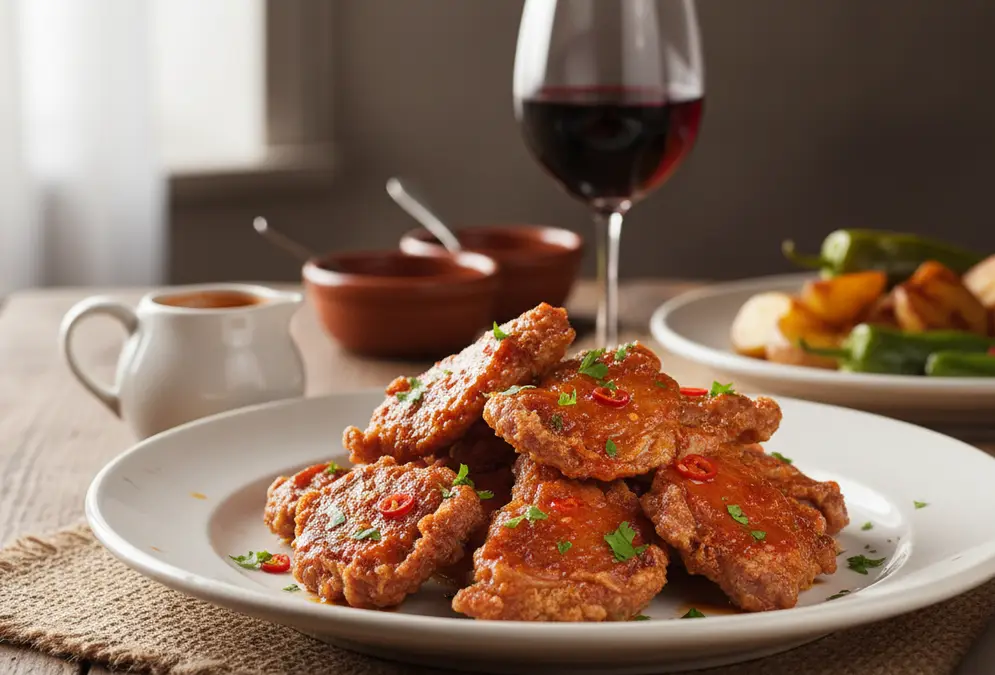
The word cochifrito joins two Spanish roots: cochi, a shortening of cochinillo (suckling pig), and frito (fried). The name alone tells you where the dish came from. In Castile and Navarre, where it originated, the recipe calls for young pork. Travel south to Andalusia, and the meat changes — Córdoba cooks swap the pig for lamb, and the result is something distinctly its own.
This is not a recent adaptation. Lamb has been central to Córdoba's table for centuries, shaped by the pastoral economy of the Guadalquivir valley and the cultural layers left by successive civilisations. Cochifrito in Córdoba is less a borrowed recipe than a dish that found its proper home.
How it's made
The process is straightforward but unforgiving if you rush it. Deboned lamb — ideally from the shoulder or leg — is cut into small chunks, trimmed of sinew, and dried well before it goes anywhere near the pan. The cooking vessel matters: an earthenware cazuela, set over high heat, with lard as the fat.
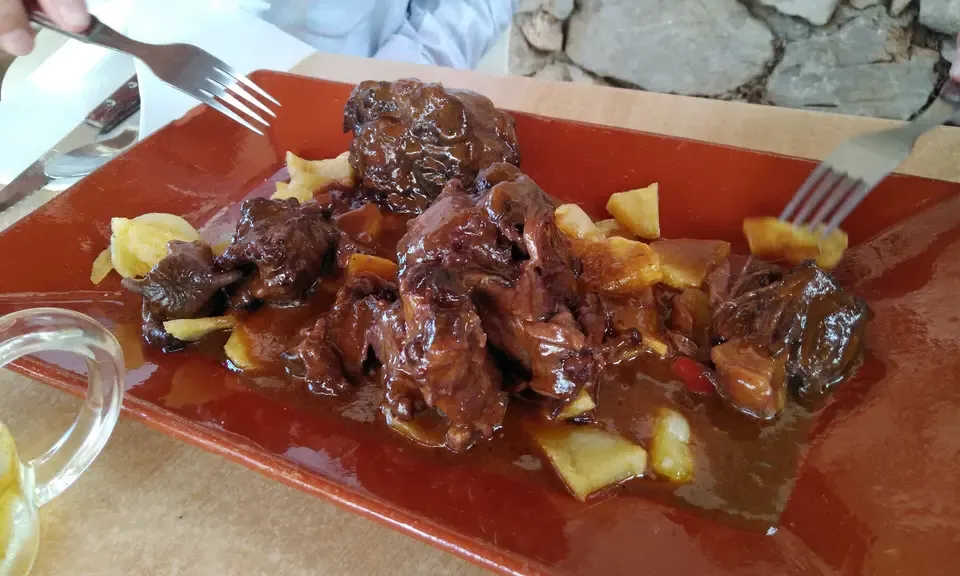
The meat goes in and stays there, largely undisturbed, until the outside turns genuinely golden. That crust is the point. Once it's there, chopped onion and garlic go in first, then parsley, a generous squeeze of lemon, ground pepper, and pimentón — the paprika that gives Andalusian cooking much of its colour. The pan gets covered and the heat drops. Fifteen minutes of gentle cooking pulls everything together into a dark, fragrant sauce without losing what the initial sear built.
The result is exactly the textural contrast you want: a piece of lamb that resists the fork for just a moment before giving way to something tender and juicy inside.
On the table
Cochifrito arrives hot, usually with potatoes that have cooked in the same sauce and absorbed its flavour. It's autumn and winter food — the kind of dish that makes sense when the evening air in Córdoba turns cold and the patios that define the city in spring are shuttered.
For wine, the natural choice is Montilla-Moriles, the appellation that surrounds Córdoba and produces wines made from the Pedro Ximénez grape. A medium-dry fino or amontillado cuts through the richness of the lard without fighting the spices. A full-bodied Andalusian red works too, as does a glass of dry sherry if you can't find Montilla.
Where to eat it
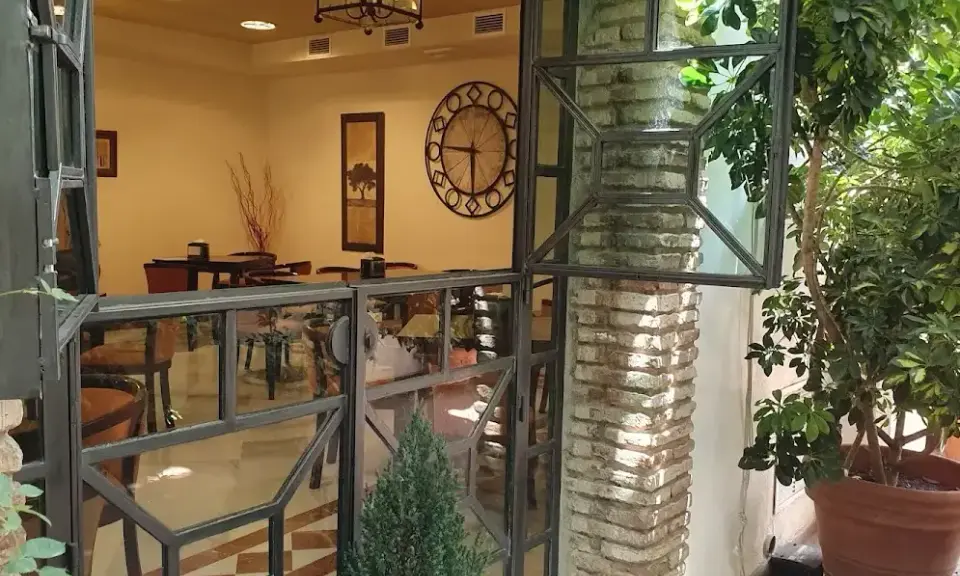
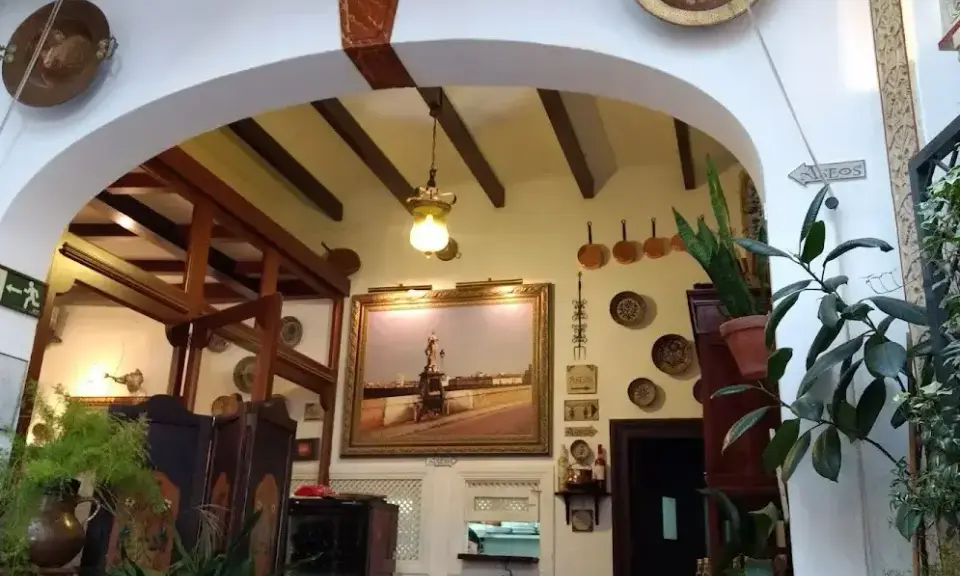
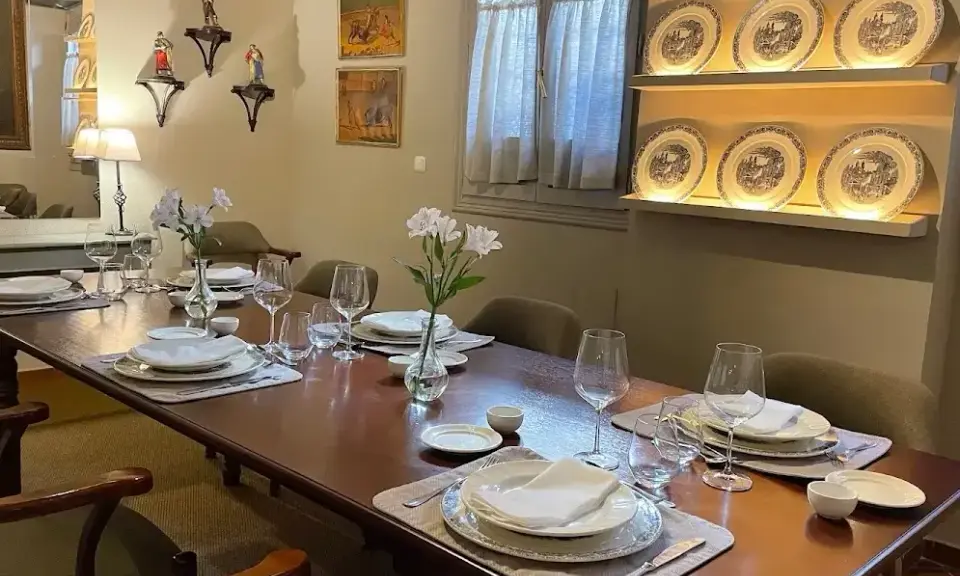
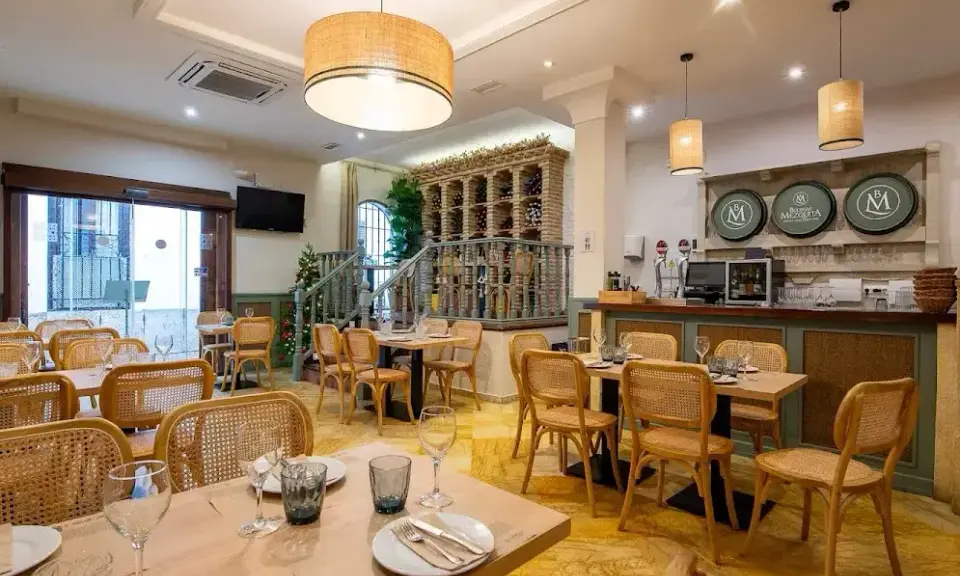
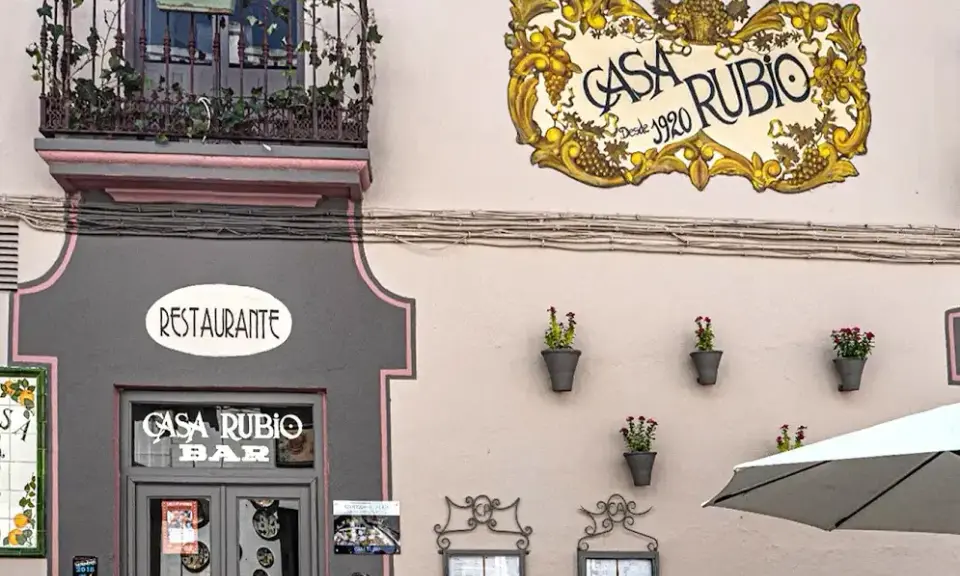
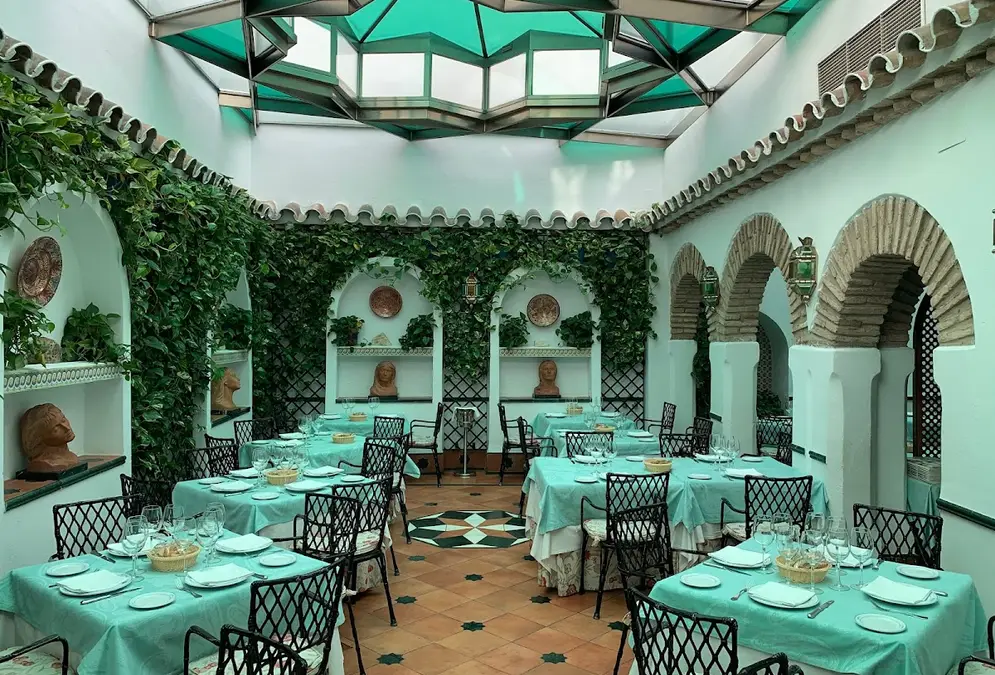
Cochifrito appears on the menus of Córdoba's older, more traditional restaurants — the kind that still cook from earthenware dishes and don't rethink their recipes every season. El Churrasco and Restaurante El Caballo Rojo both serve versions that hold close to the original. Taberna Salinas and Bodegas Campos are reliable choices too, particularly at lunch.
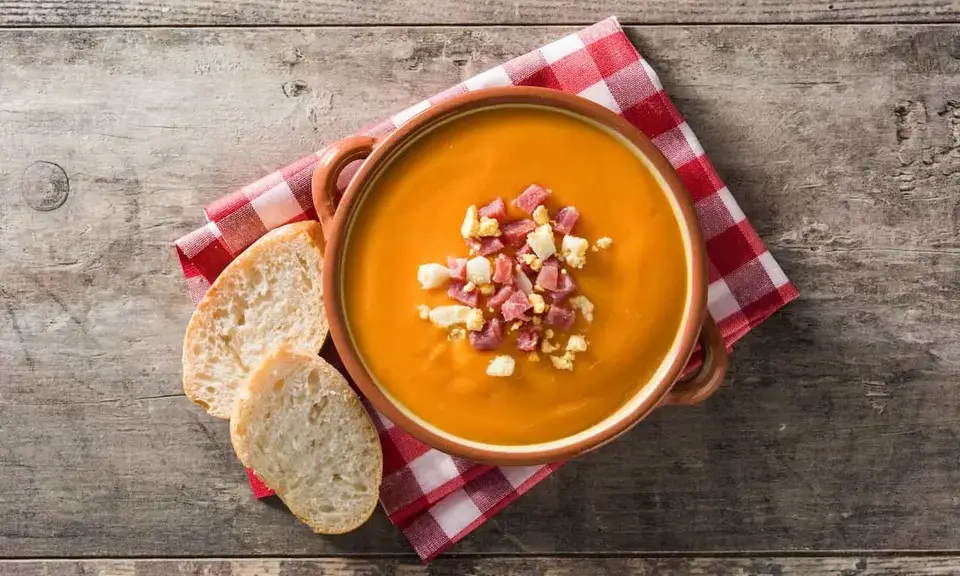
If you want to understand Córdoba's food, cochifrito is one of the dishes that earns its place alongside Rabo de Toro and Salmorejo — not a curiosity, but a genuine expression of how this city cooks.