
Search the site

food-lovershistory-buffscouples
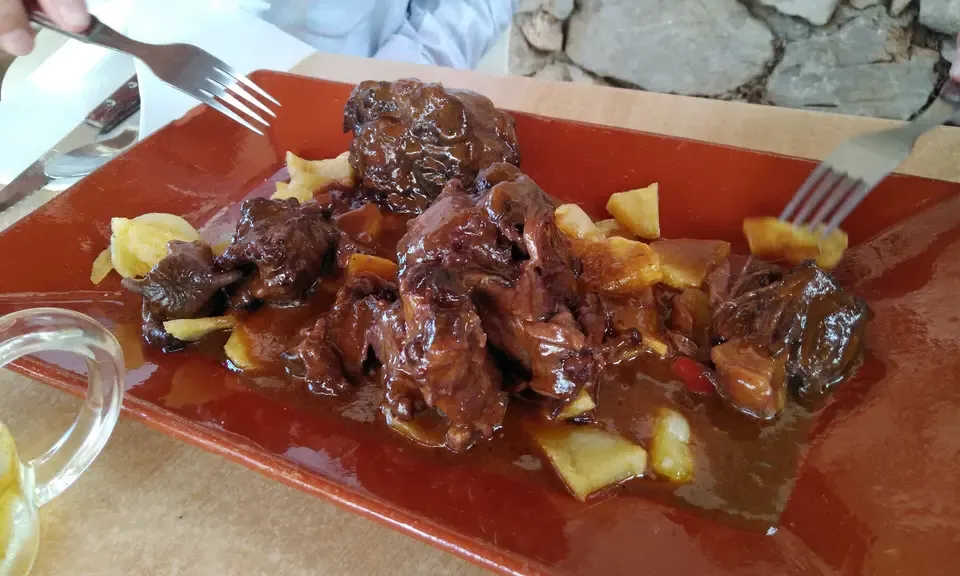
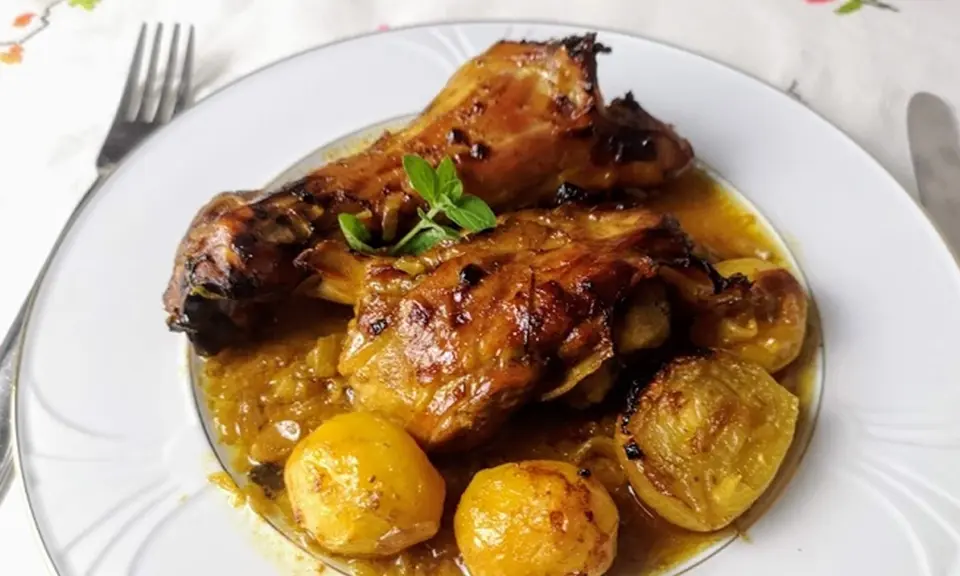
Slow-roasted honey lamb Córdoba style, cordero a la miel plated with potatoes and herbs
Main Course roasted meat

Cordero a la Miel: Córdoba's Slow-Roasted Honey Lamb and Its Moorish Roots

Slow-roasted lamb glazed with honey and white wine — a Moorish recipe that survived the Reconquista intact. Melt-in-your-mouth tender, try it at Noor.

Back to gastronomy

What the dish is

Cordero a la miel is slow-roasted lamb — shoulder or leg — cooked until it falls apart, in a sauce built from honey, white wine or sherry, garlic, onions, bay leaves, rosemary, oregano, and a touch of vinegar. The vinegar matters: it tempers the honey's sweetness so the result is complex rather than cloying. The sauce reduces to something silky and deep, somewhere between a jus and a glaze.

This is not a tapas bar dish. It's a sit-down main course, typically served with roasted potatoes and pearl onions. Expect to take your time with it.

The history in the flavour

The original version was Moorish: lamb and honey, with herbs. Lamb was the primary meat of the Islamic Mediterranean, and honey was one of the most valued ingredients in Moorish Andalusian cuisine, used in both savoury and sweet preparations. When the Christian Reconquista took Córdoba in 1236, the recipe didn't disappear — it was adapted. Christian cooks added wine, an ingredient forbidden in Islamic practice, alongside the original honey and aromatics.

That edit is the whole story of Córdoba's food culture in miniature: two civilisations overlapping, each adding something to what the other left behind. The wine and honey don't fight each other. They become something neither tradition had alone.

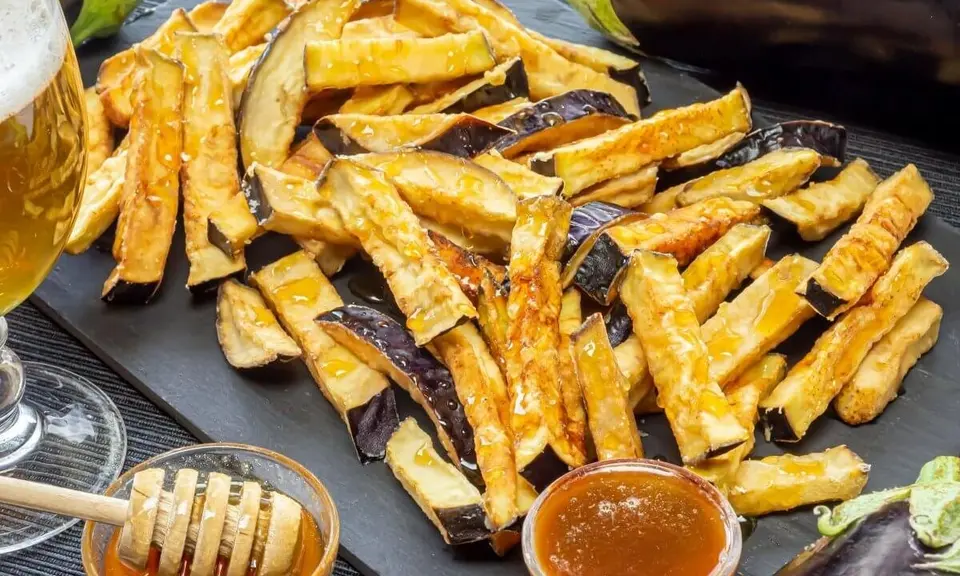
You can trace this same sweet-savoury Moorish logic in berenjenas con miel — aubergines with honey, structurally the same idea applied to vegetables — and in the spice use of pinchos morunos.

How it's prepared

The lamb is browned on the stovetop first, which builds colour and seals in moisture. Then it goes into the oven surrounded by onions, garlic, and fresh herbs. After the initial roasting, honey mixed with vinegar is poured over the meat and the oven does the rest — melding the sweetness into the braising liquid while the collagen in the lamb breaks down over two or more hours. The result doesn't need a knife.

Where to eat it in Córdoba

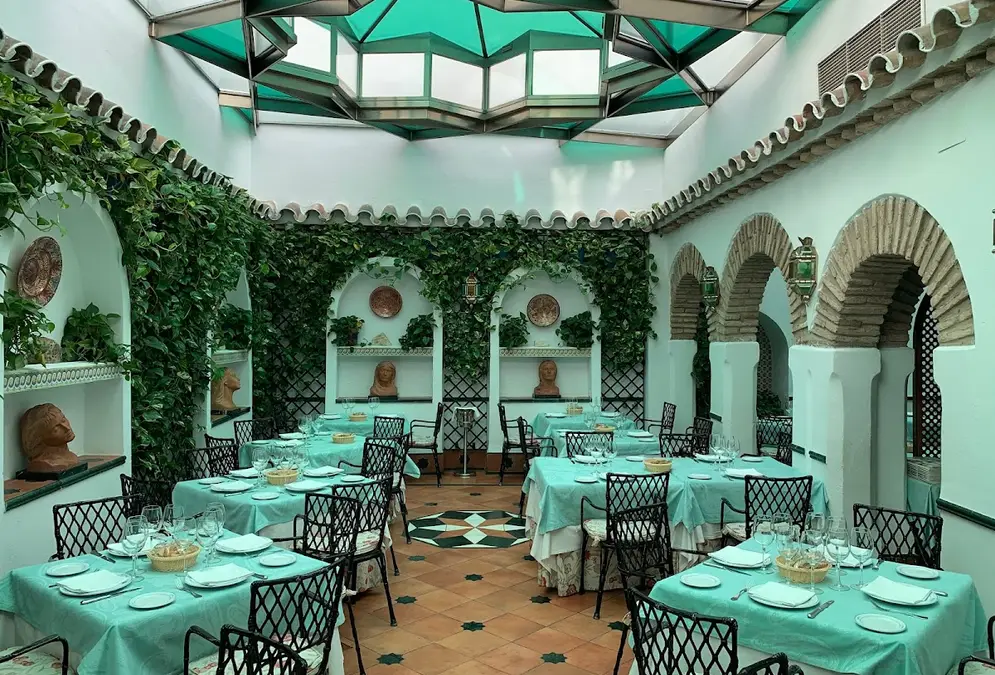
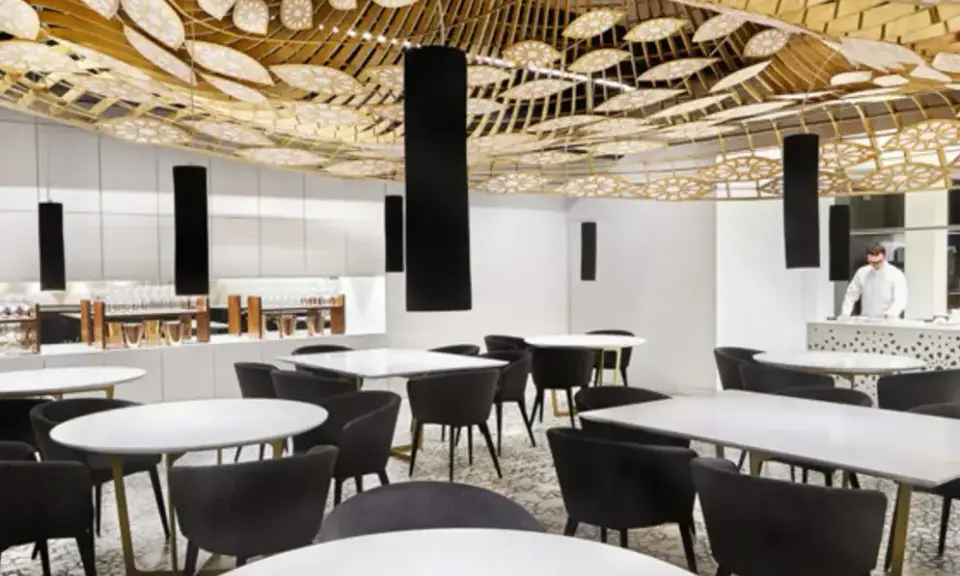
This is a dish for Córdoba's more serious traditional restaurants rather than casual tapas bars. Noor does a contemporary interpretation referencing medieval Moorish manuscripts. Bodegas Campos and El Churrasco offer versions closer to the traditional recipe. Garum 21 also lists it seasonally in autumn and winter, when slow-cooked lamb makes most sense.

Pair it with a Montilla-Moriles oloroso or cream sherry — the dish's sweetness calls for something with enough weight and oxidative depth to meet it halfway. A light red would get lost.

Main ingredients

  • lamb shoulder or leg
  • honey
  • olive oil
  • garlic
  • onions
  • bay leaves
  • rosemary
  • oregano
  • white wine or sherry
  • vinegar
  • salt
  • black pepper

Allergens: sulphites

Quick facts

Category
Main Course
Origin
A dish from the Islamic period in Córdoba (8th–13th centuries), when lamb and honey were central to Moorish Andalusian cuisine. After the Reconquista, Christian cooks added wine to the original honey-herb recipe, creating the layered sweet-savoury dish that Córdoba's restaurants still serve today.
Temperature
Served hot
Season
Autumn and winter
Wine pairing
Montilla-Moriles oloroso or cream sherry
Difficulty
Medium

Good for

Food Lovers History Buffs Couples Gastronomy History Cultural

Reporter notebook

Insider tips

Practical observations gathered the way a local journalist would keep them: short, specific, and more useful than brochure copy.

What to order

Ask which honey they use — local orange blossom is the best

The honey variety changes the dish completely. Córdoba province produces orange-blossom and thyme honeys that add floral depth. Generic commercial honey makes the dish sweet without complexity. The better restaurants specify their source.

Pairing tip

Order an oloroso, not a red — the sweetness needs oxidative depth

The honey-wine glaze has too much sweetness for a standard red. A Montilla-Moriles oloroso or cream sherry meets the lamb halfway with its own oxidative richness. The pairing is traditional for a reason.

Best time

A cold-weather dish — order it October through March

Slow-roasted lamb glazed in honey is winter food. It appears on menus year-round at some tourist restaurants, but the traditional kitchens only prepare it when the temperature drops. That's when the dish makes sense on the table.

Frequently asked questions

Where can I try cordero a la miel in Córdoba?

Noor, Córdoba's Michelin-starred restaurant, offers a contemporary interpretation referencing medieval Moorish culinary manuscripts. Bodegas Campos and El Churrasco serve versions closer to the traditional recipe. Garum 21 lists it seasonally in autumn and winter. This is a sit-down restaurant dish, not a tapas bar order.

Is cordero a la miel suitable for vegetarians?

No. It is a slow-roasted lamb dish — not suitable for vegetarians. It is gluten-free and dairy-free, but contains sulphites from the wine used in the braising sauce.

What wine pairs well with cordero a la miel?

A Montilla-Moriles oloroso or cream sherry is the traditional pairing. The honey-wine glaze has enough sweetness that a standard red wine gets lost. The oloroso's oxidative richness and weight meet the lamb halfway. Ask for it from the Montilla-Moriles appellation rather than a generic sherry.

Is cordero a la miel a starter or a main course?

It is a main course. A portion of slow-roasted lamb shoulder or leg is substantial, typically served with roasted potatoes and pearl onions. It is too heavy to function as a starter.

What is the Moorish connection in cordero a la miel?

The dish originates from the Islamic period in Córdoba (8th–13th centuries), when lamb and honey were central ingredients in Moorish Andalusian cooking. After the Reconquista in 1236, Christian cooks added wine — forbidden under Islamic law — to the original honey-herb recipe. The dish as served today reflects both culinary traditions layered on top of each other.

Where to taste it in Córdoba