Córdoba's Duque de Rivas Went From Exile to Don Álvaro
Ángel de Saavedra, Duke of Rivas: Córdoba-born soldier, exile and author of Don Álvaro. His life, the 1929 Benlliure monument and where to find it today.
Read the full story
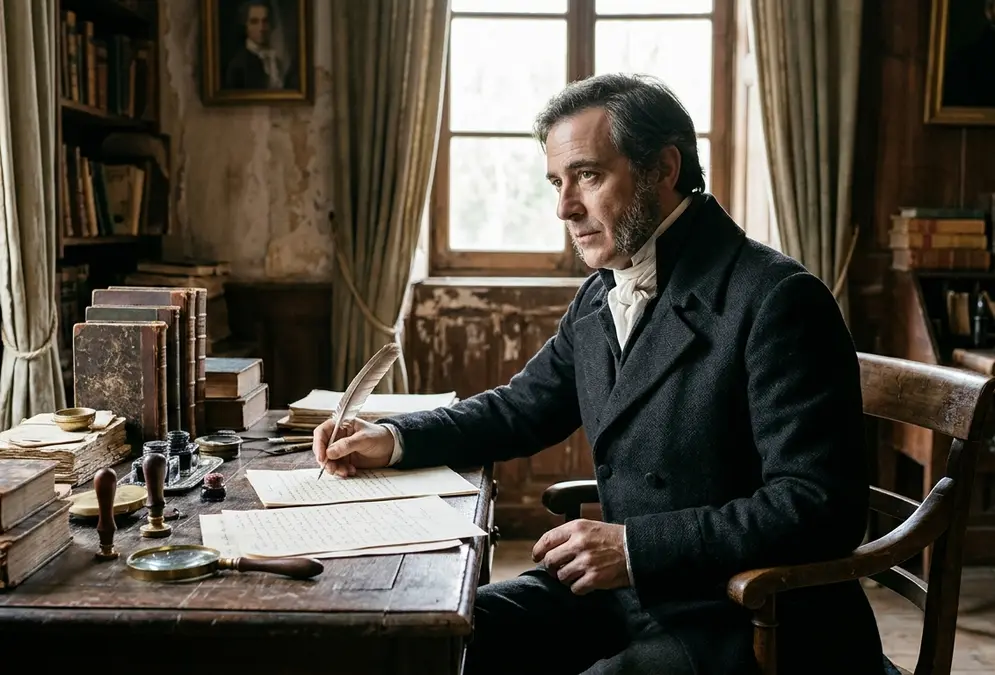
Ángel de Saavedra, 3rd Duke of Rivas, was born in Córdoba on 10 March 1791 and died in Madrid on 22 June 1865. He was a poet, dramatist and politician, briefly Prime Minister of Spain in 1854, and is best known for Don Álvaro o la fuerza del sino, which premiered at Madrid's Teatro del Príncipe on 22 March 1835.
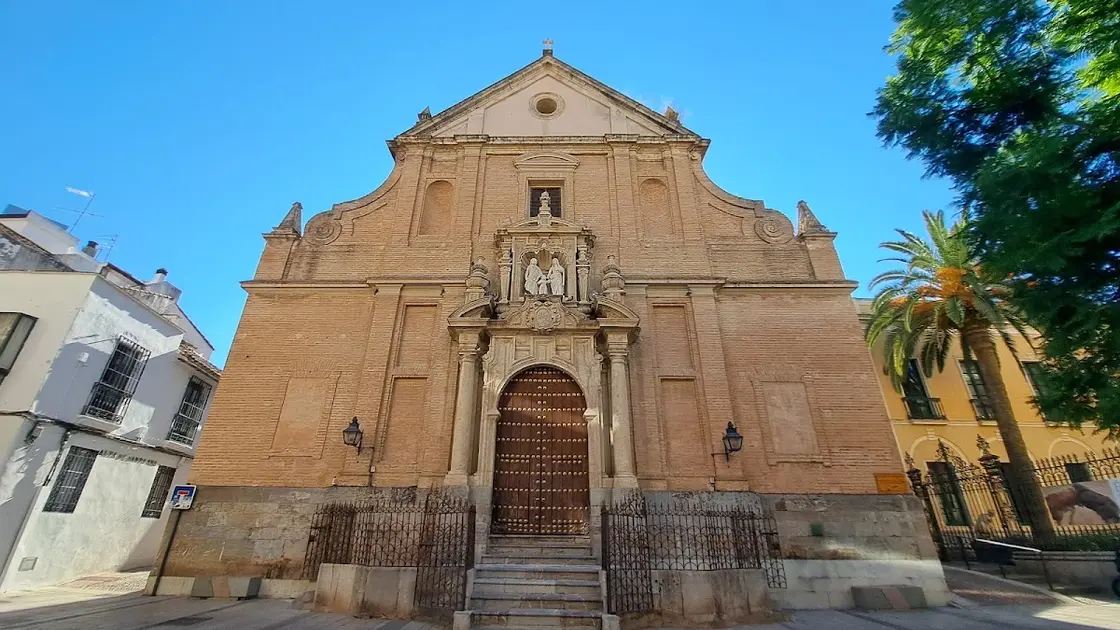
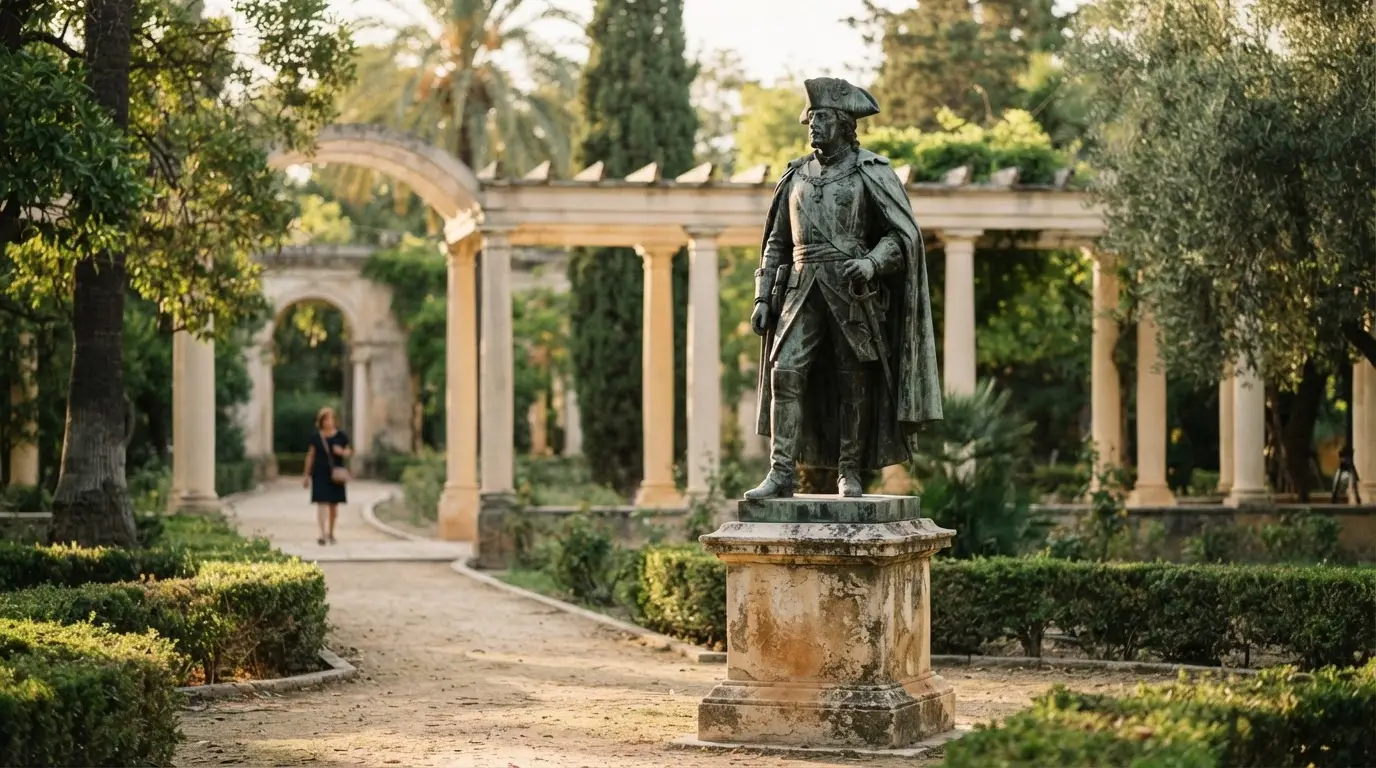
His trace in Córdoba is easy to walk to. Casa Carbonell, his birthplace, stands beside the convent church of Santa Ana and now houses the municipal company VIMCORSA, with exhibitions in its halls. The Jardines del Duque de Rivas hold a statue of him by Mariano Benlliure, inaugurated on 5 May 1929.
For more of the city's literary line, read about Lucan, Góngora and the Romantic travellers in Córdoba. For his life, exile and the play, read the full story.
1808–today
In June 1808 French troops sacked Córdoba for four days, after a Spanish militia broke at the Alcolea bridge. The Civil War reached the city on 18 July 1936. UNESCO listed the Mezquita in 1984 and extended the listing to the historic centre in 1994.
1874–1930 Historical figure
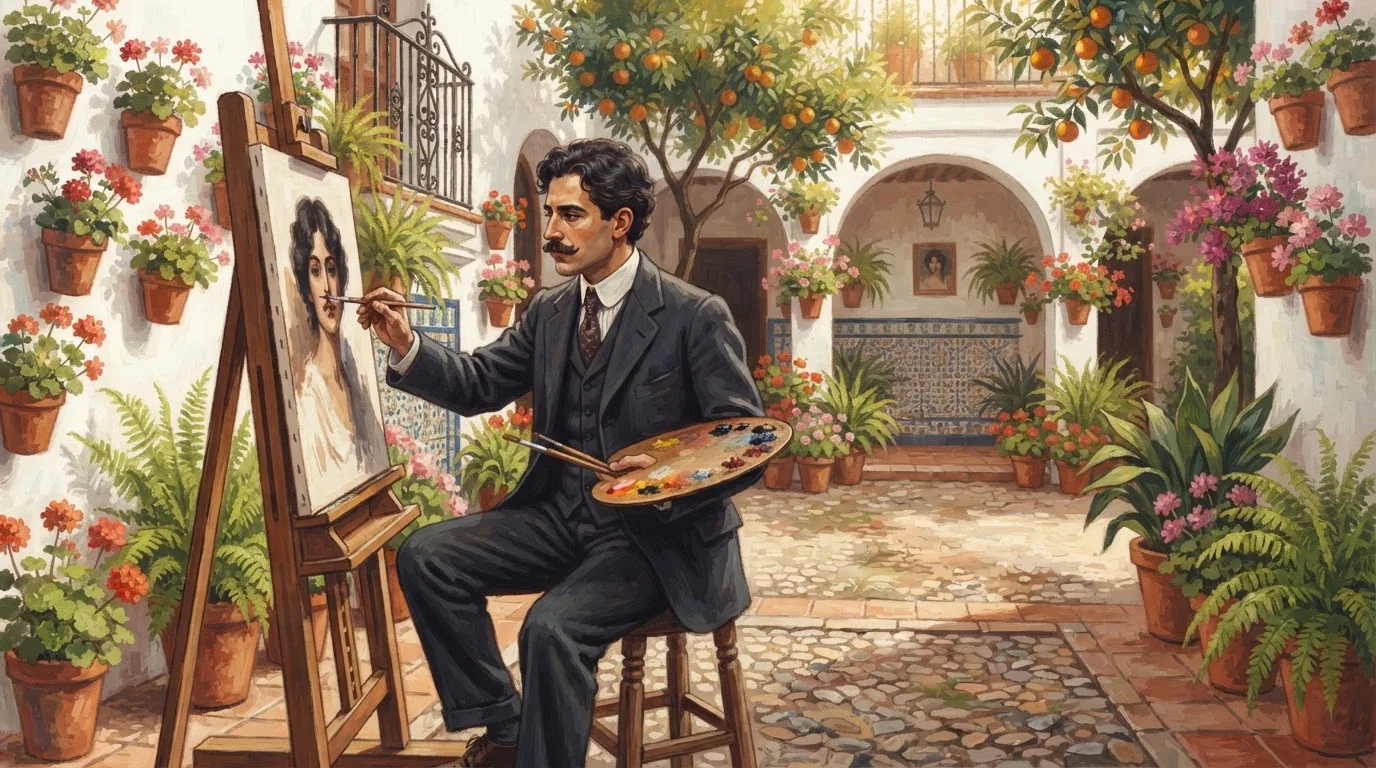
Julio Romero de Torres (1874-1930) was a painter born in Córdoba. Who he was, and where to find his museum facing the Fine Arts Museum his father directed.
1917–1947 Historical figure
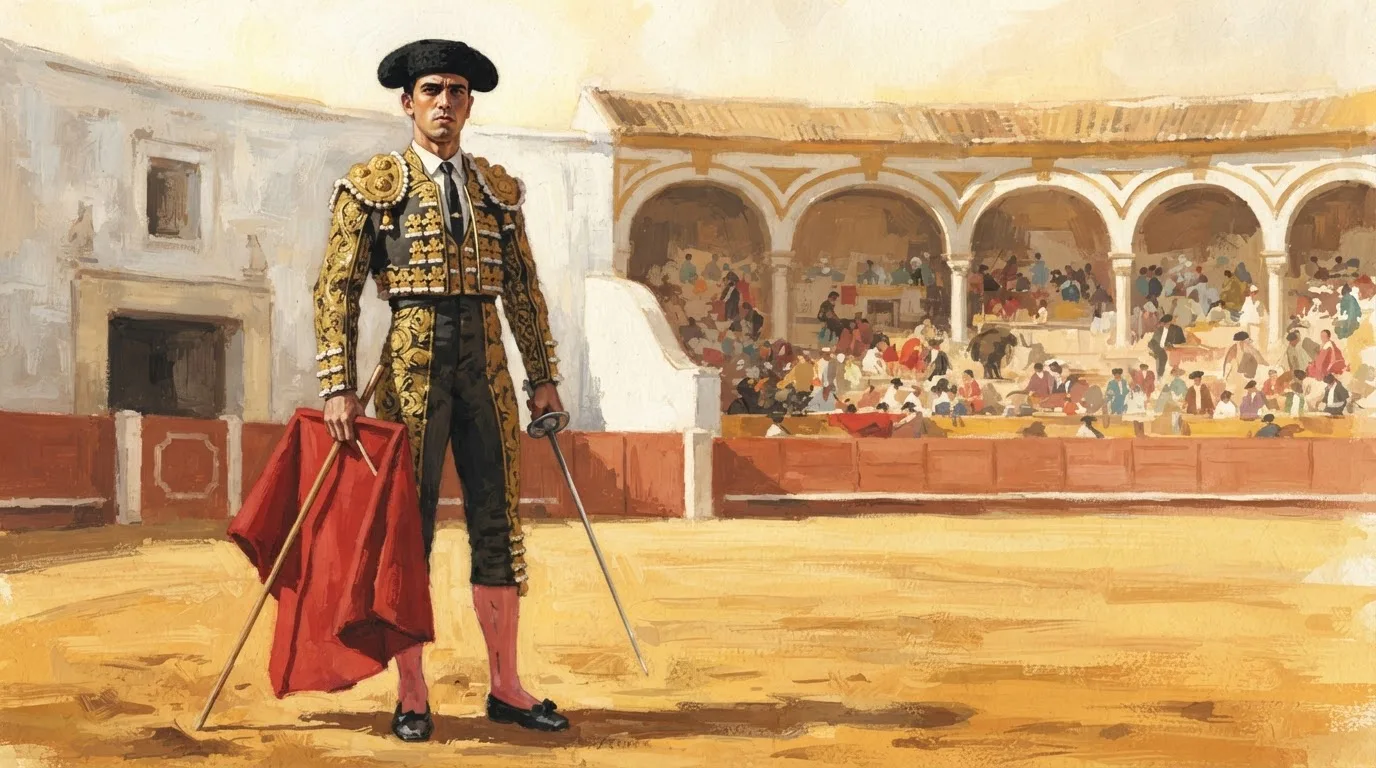
Manolete (Manuel Laureano Rodríguez Sánchez, 1917-1947) was a bullfighter who fought up to 100 times a year, was gored 11 times and died in Linares aged 30.
Undated
Monument
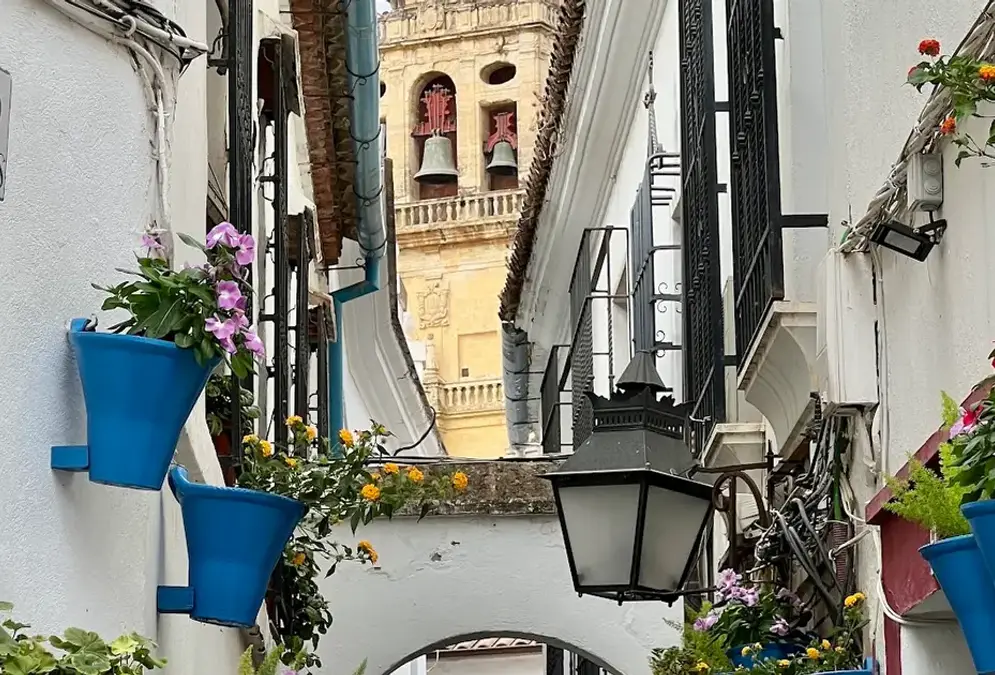
Whitewashed walls and red geraniums framing the Mezquita bell tower. Córdoba's most photographed alley in the Judería. Free, open 24 hours, best before 10am.
Monument
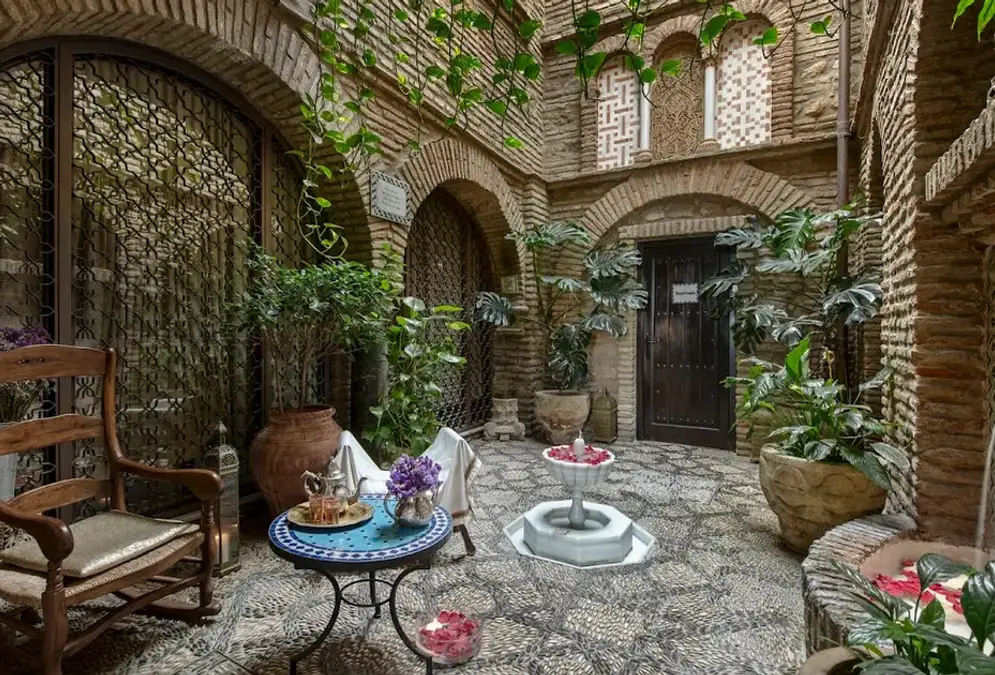
Arab baths in Córdoba's Judería, steps from the Mezquita. Hot, warm and cold pools with optional massages in brick-vaulted, candlelit rooms. From €24.
Monument
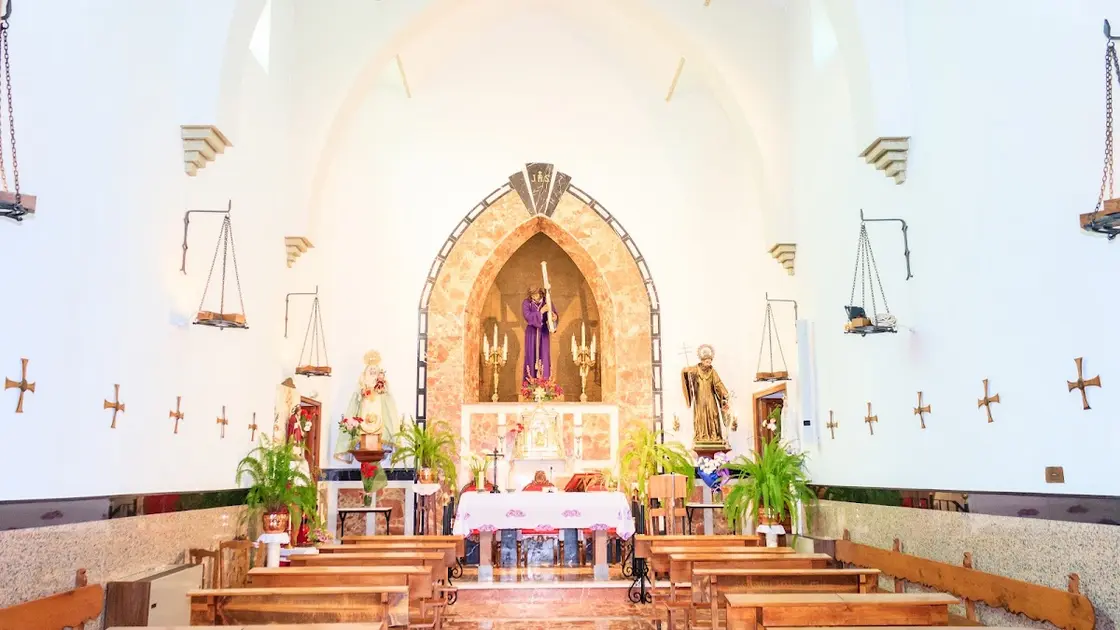
Hospital de Jesús Nazareno in Córdoba: a medieval-rooted charity church, remodelled in the 1800s, with a neo-Mudéjar artesonado and 17th-century paintings.
Monument
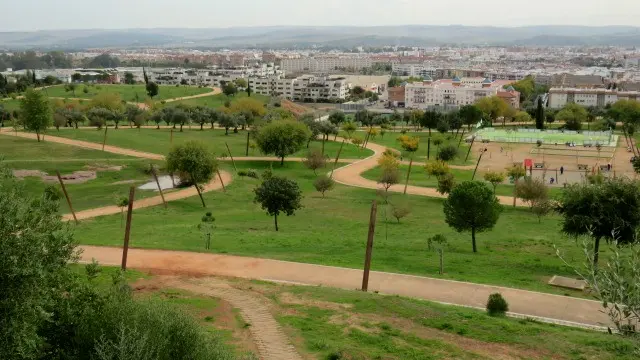
27 hectares of Mediterranean woodland in Córdoba with a hilltop viewpoint, community gardens and play areas. Free year-round, open until 2am in summer.
Monument
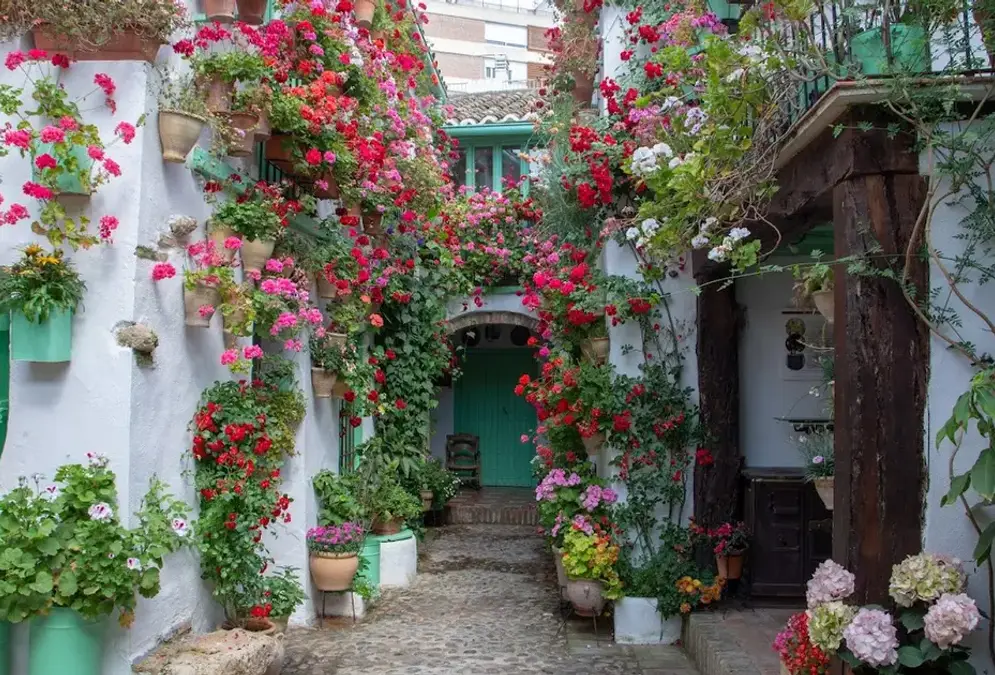
The most concentrated pocket of Córdoba's patio tradition. Flower-draped courtyards in San Basilio open year-round, some free, some ticketed. Best in May.
Go deeper