Articles · Prehistoric & Iberian
Prehistoric and Iberian Córdoba: Articles on Early Settlers
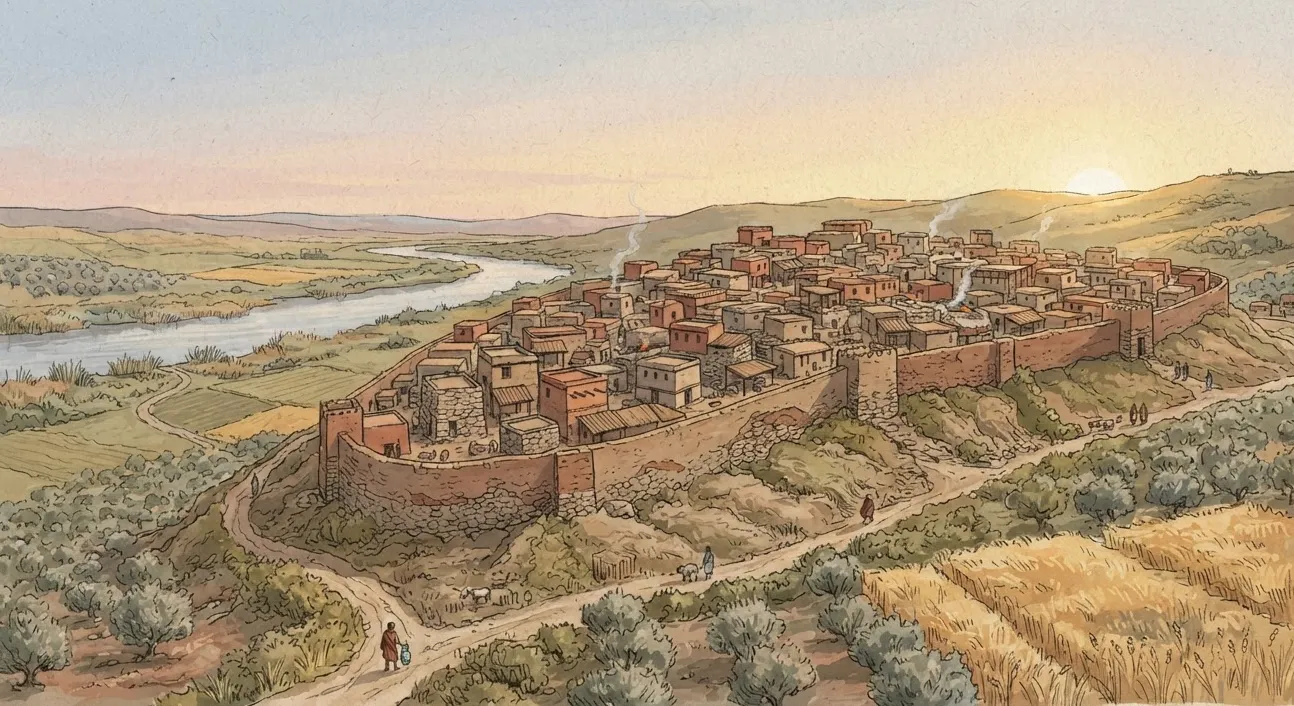
Before Rome arrived, a Turdetani town already stood on the Colina de los Quemados.
Articles on what came before Rome: early settlement along the river, the Turdetani and the wider Iberian world, and the finds archaeologists use to reconstruct them. For readers curious about Córdoba's deep past.
5 articles · before 206 BCE
Articles on Prehistoric & Iberian
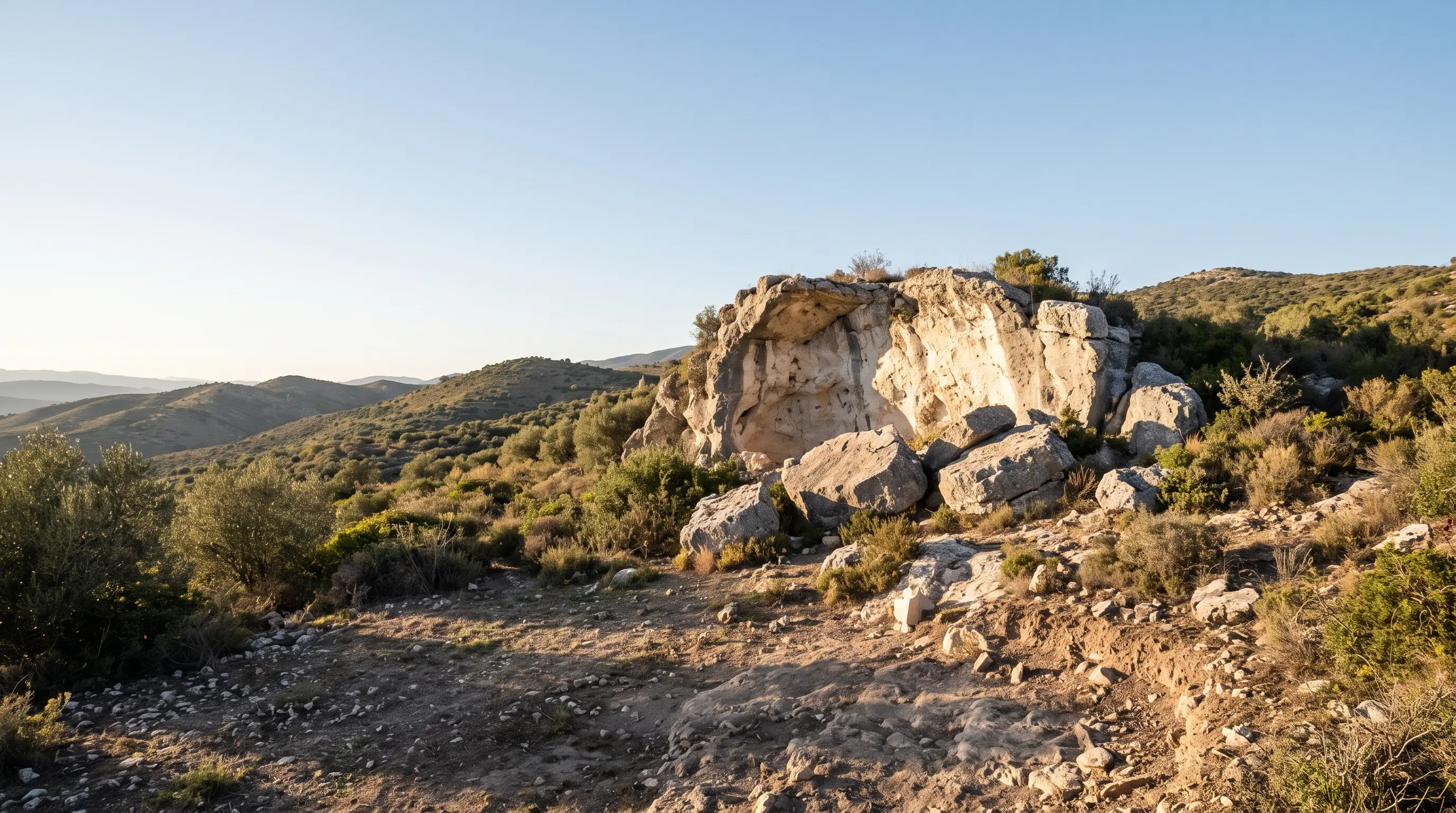
Cueva del Ángel, Lucena: A 'Neanderthal' Site With One Tooth
Sophie Marchand
Cueva del Ángel near Lucena: 46 handaxes, burnt bone and one 104,300-year-old tooth. What the Neanderthal headline rests on, and what to check before visiting.
Read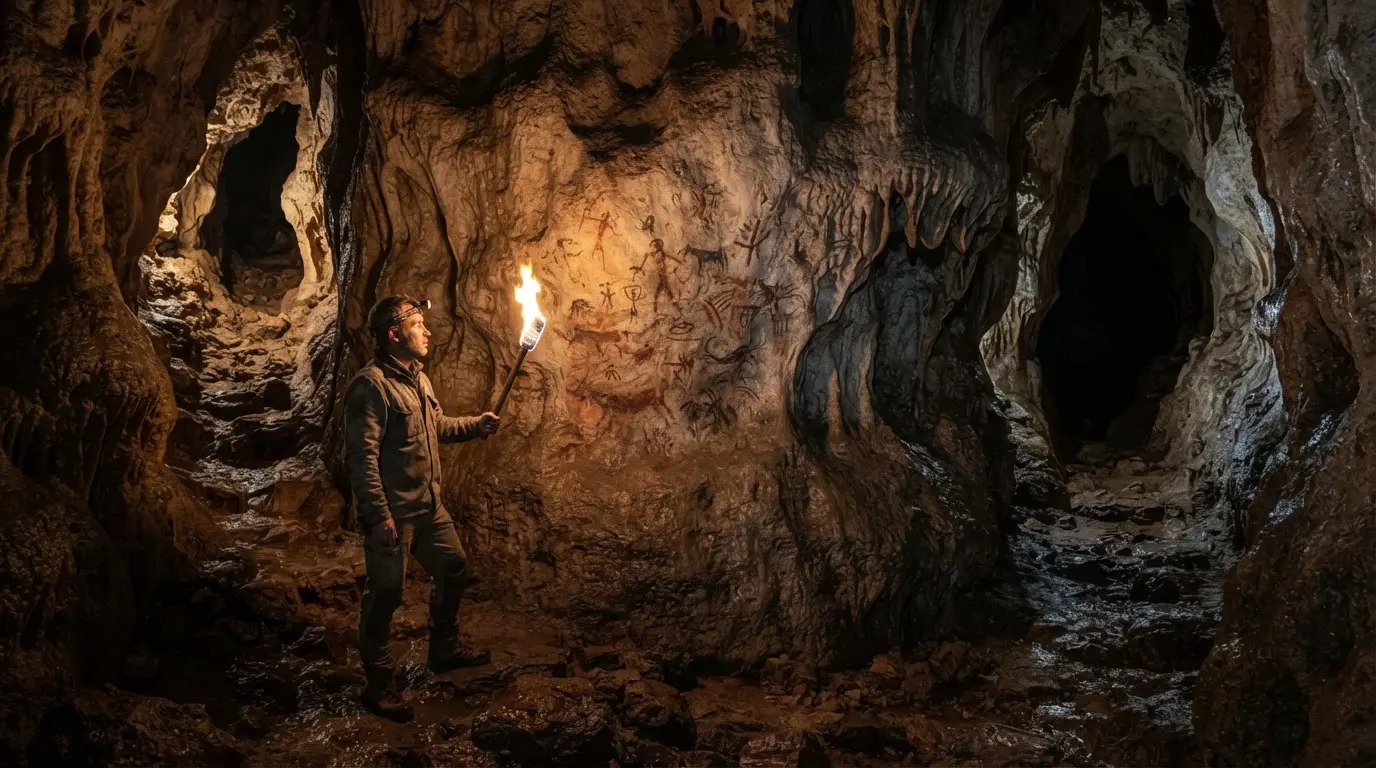
Cueva de los Murciélagos, Zuheros: A Neolithic Sanctuary
Sophie Marchand Updated
Inside Zuheros's Cueva de los Murciélagos, researchers traced five Neolithic hearths and opium poppy seeds called the oldest such find then known in Iberia.
Read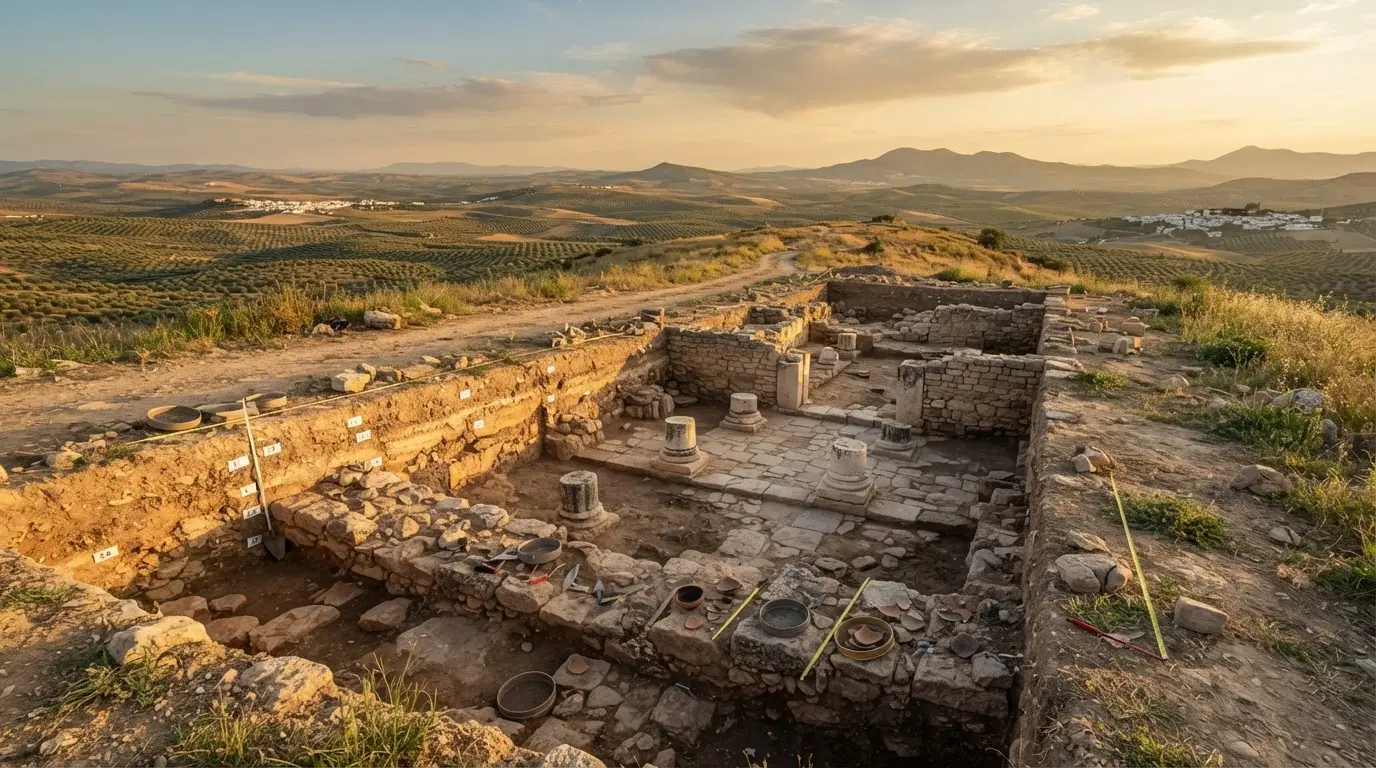
Torreparedones Has Been Open 15 Years, and a Tenth Is Dug Up
Sophie Marchand
Torreparedones, on a hilltop between Baena and Castro del Río, has been open to visitors since 2011. Only about a tenth of its 3,500-year city has been dug.
Read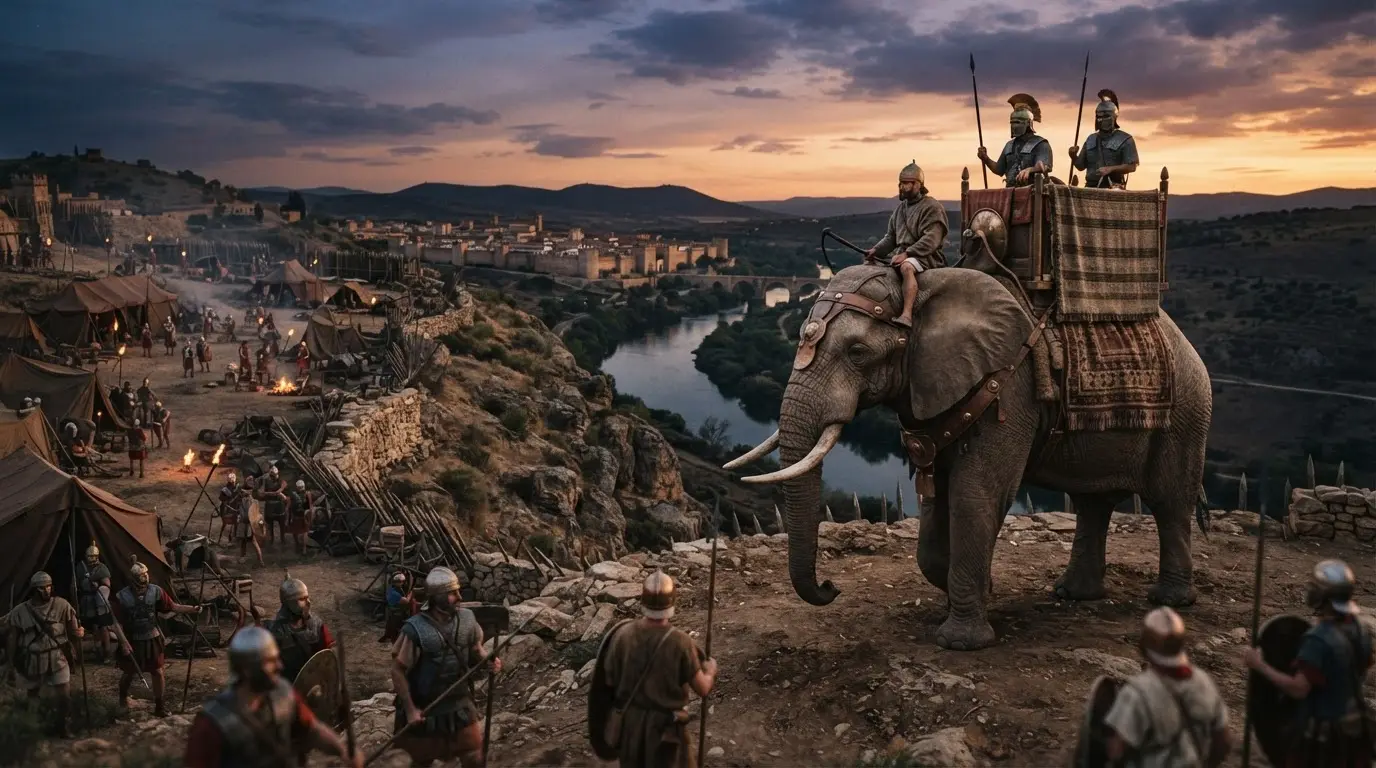
First Physical Evidence of a Punic War Elephant Found in Córdoba
Sophie Marchand
A radiocarbon-dated elephant bone near Córdoba may be the first physical evidence of a Carthaginian war elephant, though not one of Hannibal's own Alps herd.
Read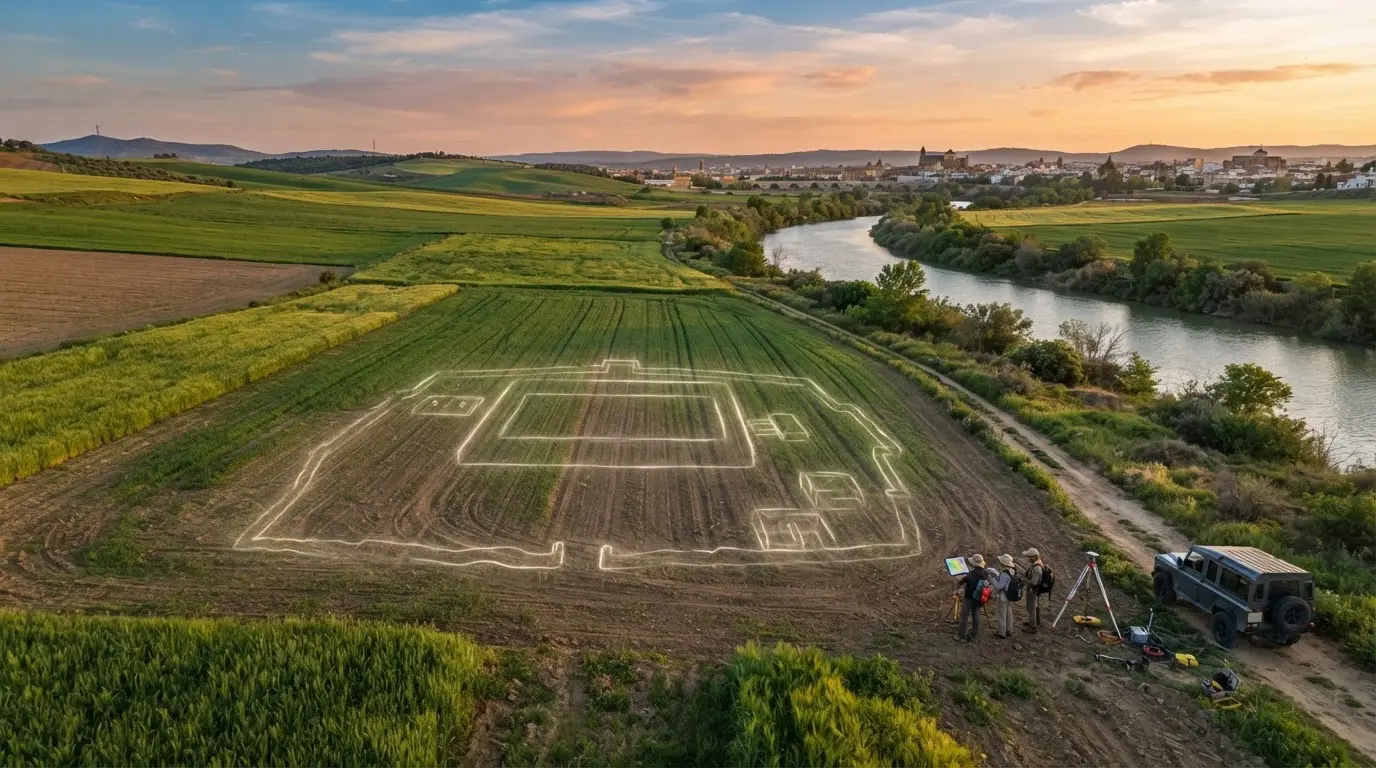
Pre-Roman Walls Found on the Guadalquivir, Near Córdoba
Sophie Marchand Updated
A May 2025 survey found possible pre-Roman wall foundations on Córdoba's Guadalquivir riverbank, where a campsite project's future is still undecided for now.
ReadSee Prehistoric & Iberian on the timeline, with its people and monuments
Frequently asked questions
How long was the hilltop site of Torreparedones inhabited?
Torreparedones, between Baena and Castro del Río, was settled continuously for about 3,500 years from the Copper Age to the late Middle Ages. Open as an archaeological park since 2011, only about 10 percent of its 10.5-hectare walled interior had been excavated as of 2021.
What did archaeologists find inside the Cueva de los Murciélagos at Zuheros?
The cave preserves Neolithic occupation radiocarbon-dated from about 4480 to 3130 BC in the Sierras Subbéticas. Excavators uncovered five small ritual hearths, including one holding 49 opium poppy seeds, alongside schematic cave paintings and symbolic ceramics.
Was a Second Punic War elephant bone really found in Córdoba?
In March 2020, hospital expansion works at Córdoba's Provincial Hospital uncovered a 10-centimetre elephant carpal bone beside 12 stone catapult balls and a Carthaginian coin. Radiocarbon dating placed the bone in the late 4th to early 3rd century BC, matching the Second Punic War era.
How old are the prehistoric remains at Cueva del Ángel in Lucena?
Deposits at Cueva del Ángel, 605 metres up the Sierra de Aras near Lucena, date between 320,000 and 180,000 years ago. The site has yielded 46 stone handaxes, burnt animal bone from hearths, and a single human tooth dated to about 104,300 years ago.