About Historic Centre
Near Plaza de las Tendillas
Plaza de las Tendillas is Córdoba's main commercial square, where Cruz Conde and Gondomar converge before fanning out into the Centro shopping district. Locals cross it on the way to work, not on the way to the Mezquita. That distinction matters for eating: the restaurants within a five-minute radius are built around the midday menú del día and the Tuesday-to-Friday trade of office workers and shopkeepers, not the photo-stop tourist. Taberna Salinas on Calle Tundidores has been the area's anchor since 1879 — barrels of Montilla-Moriles lining the walls, tortilla and salmorejo at the bar, no reservations and no pretence. A ten-minute walk west along Paseo de la Victoria, Mercado Victoria occupies a 19th-century iron pavilion with twenty-odd stands covering jamón ibérico, oysters, sushi, and local wine by the glass — a useful option for groups that can't agree on a single kitchen. South towards the Corredera, Bodegas Campos on Calle Lineros is a former aristocratic palace operating as a full-service restaurant since 1908, with a patio, its own Montilla-Moriles cellar, and a rabo de toro recipe that hasn't changed in a century. Budget 10–13€ for a weekday menú del día at the smaller bars around Tendillas; 20–35€ at Bodegas Campos for a proper sit-down with wine.
Eating near Tendillas is a different experience from the restaurant strip around the Mezquita. The Mezquita zone sells meals to people with an afternoon to kill and a phone full of photos — laminated menus, English explanations of salmorejo, prices calibrated to visitors who won't be back. The Tendillas radius is the city eating for itself. The tell is usually visible before you sit down: a chalk board with two or three daily specials in handwriting, a bar counter where two people are eating standing up, wine poured from unlabelled carafes rather than opened in front of you. The menú del día culture runs on Calle Jesús y María and Calle Saravia, one block south of the square — 10–13€ covers a starter, main, bread, drink, and dessert, and the clientele is teachers, civil servants, and the shop staff from Cruz Conde. No English menus at these places, but the cooking is honest and the pace is fast. If you want tablecloths and proper service, Bodegas Campos is the obvious step up without crossing into tourist-zone pricing.
Of the main streets radiating from Tendillas, Cruz Conde runs northwest as the pedestrian shopping artery; Gondomar cuts west toward Gran Capitán; Claudio Marcelo leads southeast past the Roman Temple toward the Corredera. Taberna Salinas is a three-minute walk southeast on Calle Tundidores — arrive at 1pm on the dot if you want to sit without waiting, because the place takes no reservations and fills within fifteen minutes of opening. Mercado Victoria is a ten-minute walk west along Paseo de la Victoria, most useful for a late lunch or an evening graze when the kitchen at a conventional restaurant feels like too much commitment. The weekday lunch window is 14:00–16:00 across the board; arrive after 15:30 and most menú del día kitchens are winding down. In May and June, the outdoor tables at Mercado Victoria fill with people watching the gardens — worth arriving early rather than queuing for a seat.
Near Plaza de la Corredera
Plaza de la Corredera is Córdoba's only rectangular arcaded square, built in the 17th century on the site of the old Roman forum. It holds a Saturday-morning market (produce and antiques), hosts outdoor events in summer, and has a ring of café terraces under its porticoed arcades where you can sit with a coffee for as long as you like without being moved on. The square itself works better for drinks than dinner: the restaurants directly on it are convenient but rarely exceptional. The serious cooking is on the surrounding streets. Sociedad Plateros María Auxiliadora, four blocks west on Calle María Auxiliadora, has been serving Cordoban classics since 1880 inside a converted silversmiths' guild hall — orange-tree courtyard, fully gluten-free kitchen, and a menu that takes salmorejo and rabo de toro seriously. Bodegas Campos, south on Calle Lineros, has been the city's go-to for traditional Cordoban cooking since 1908: labyrinthine rooms spread across an old bodega, barrels of Montilla-Moriles maturing in the cellar, oxtail braised to order. For something quicker and cheaper, Taberna Salinas on Calle Tundidores — two minutes east of the plaza — does walk-in tapas poured from the barrel, no reservations. A menú del día in the area runs €13–18 at lunch; full sit-down dinners land at €25–40.
The dining scene around the Corredera divides sharply. The terraces under the arcades face the tourist flow and are priced for it: laminated menus with photographs, staff out front shepherding passersby, dishes that cover every crowd but excel at none. They work for a morning tostada con aceite (2€) or a cold beer in the afternoon sun, and that is their proper use. The bars worth knowing are on the streets south and east of the square. Calle de la Feria and Calle Rodríguez Marín head south into the Centro neighbourhood and fill at 8pm with the kind of crowd that argues about football and does not look at the menu before ordering. These are old-style Cordoban tabernas: tapas come with each drink ordered without asking, Montilla-Moriles fino arrives cold and unlabelled, and nobody speaks to you until you want them to. The tell at this end of the scale is simple: if the oil comes in a ceramic jug and the daily specials are written on a chalkboard, you have found the right street. The Corredera terraces will still be there when you need them.
For the restaurants worth the walk: Taberna Salinas is the closest option — take the alley east off the square toward Plaza del Potro and it is under three minutes on foot. Sociedad Plateros is four blocks west, a flat walk through the Centro grid; allow five minutes. Bodegas Campos is eight minutes south on Calle Lineros — turn left off the southeast corner of the plaza and walk straight. Saturday mornings change the rhythm entirely: the market runs from around 9am until 2pm, the terraces open early, and the square is at its most local and least touristy before 11am, when the first tour groups arrive. For evening eating, the bars on Calle de la Feria fill from 8pm; the square's own terraces stay pleasant through the summer paseo until 11pm. In May, tables on the Corredera are the best cheap seats for watching the city move during the Festival de los Patios fortnight.
Near Plaza del Potro
Plaza del Potro is one of Córdoba's most quietly remarkable squares: Cervantes mentioned it in Don Quixote, an old 16th-century inn still flanks one side, and the Museo de Bellas Artes occupies the former Hospital de la Caridad opposite. Yet it sits just far enough from the Mezquita that it gets a fraction of the crowds. The restaurants around it reflect that — more neighbourhood, less performance. Bodegas Campos is the serious destination nearby: Córdoba's most storied traditional restaurant, spread across an old bodega on Calle Lineros, five minutes on foot, with wine stored in oak barrels and cooking that takes rabo de toro and salmorejo seriously. The streets immediately off the square — Calle San Fernando, Calle Lineros — have a cluster of tabernas and wine bars frequented by Córdoba residents who work in the area, which keeps the quality honest and the prices grounded.
Map & orientation
- Area
- Historic Centre
- Nearest landmark
- Plaza de las Tendillas, Plaza de la Corredera and Plaza del Potro
- Closest table
- Restaurante Entre Lías, 1 min walk (30m)
- In this ranking
- 10 within 800 m
10 restaurants, closest first
Every entry sits within 800 metres of Plaza de las Tendillas, Plaza de la Corredera and Plaza del Potro, ordered by walking time.
-
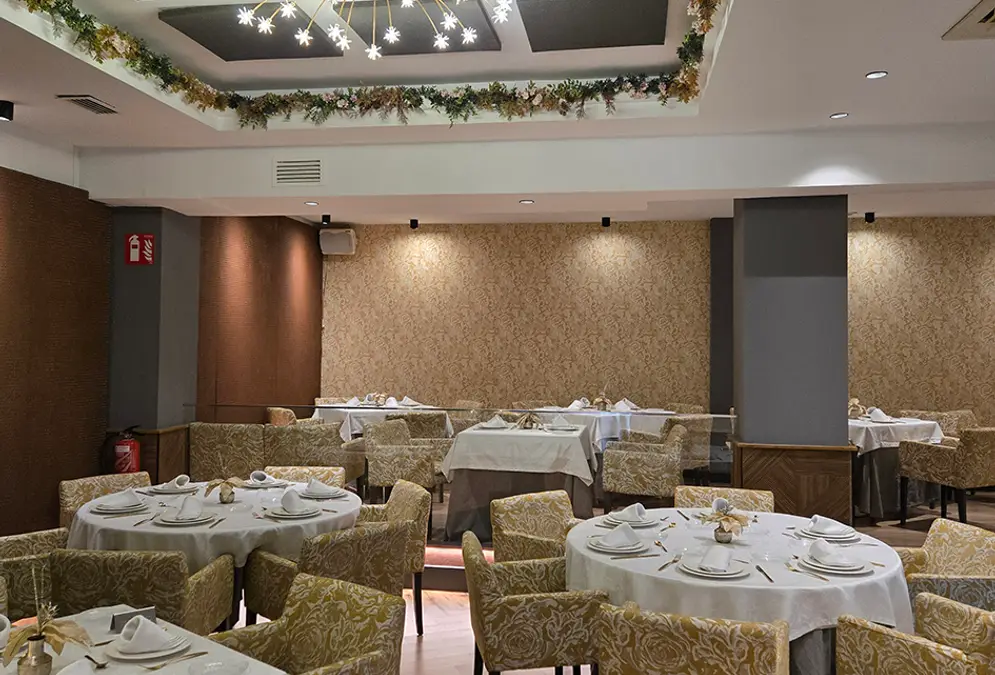
Restaurante Entre Lías
4.9 out of 51 min walk 30m Spanish
Central Córdoba restaurant with coeliac-trained staff. House-made gluten-free bread, fries in dedicated oil, FACE-certified kitchen and a 4.9/5 rating.
20-30 euros avg. per person House-made gluten-free desserts, Artisan gluten-free bread, Fries in dedicated oil
Read more -
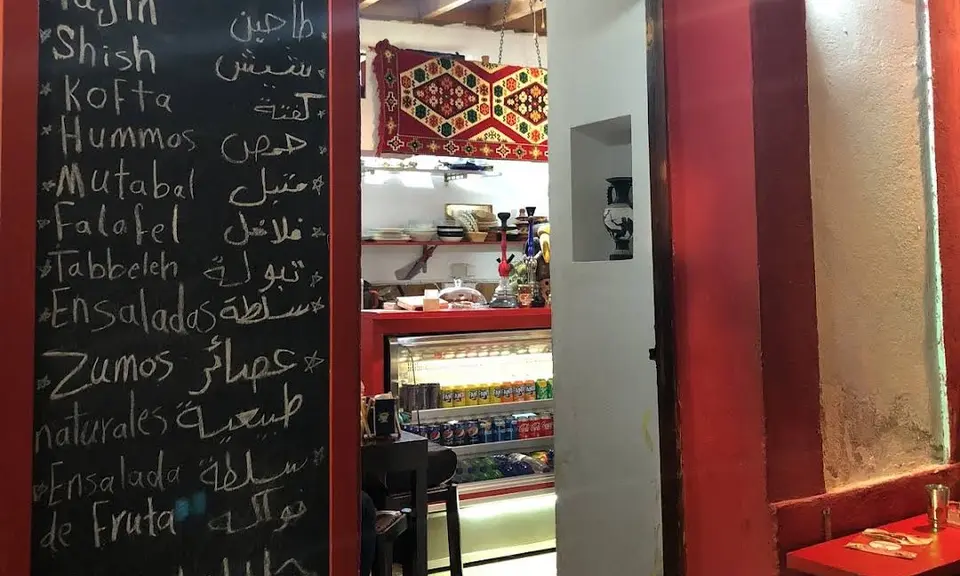
Damasquino Halal
4.7 out of 51 min walk 39m Syrian / Middle Eastern
Córdoba's only Syrian restaurant, run by a family from Damascus. Halal-certified, budget-friendly, with homestyle shish tawuk, fattoush, and beef tagine.
12-20 euros avg. per person Shish Tawuk (marinated chicken skewer), Beef Tagine, Falafel
Read more -
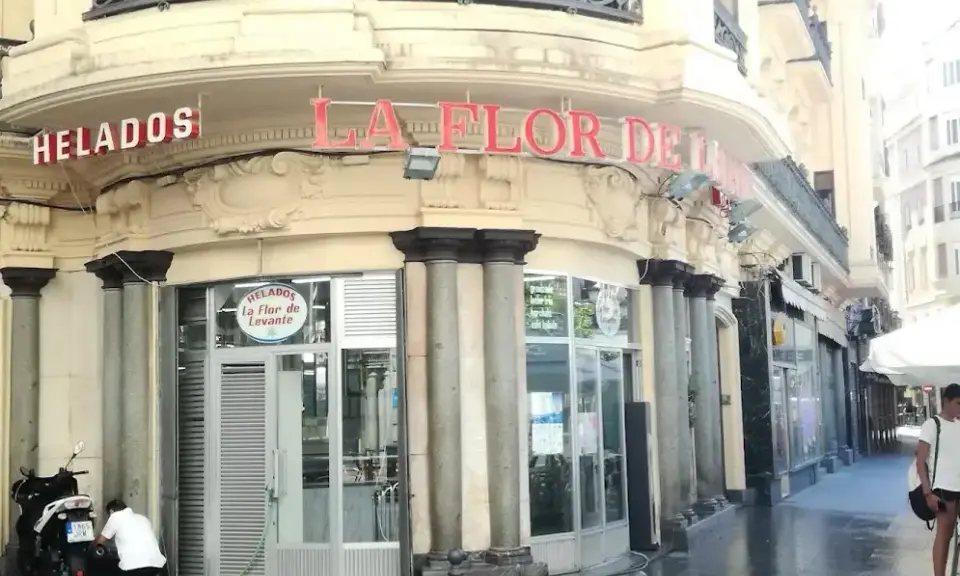
La Flor de Levante
4.3 out of 51 min walk 40m Traditional ice cream parlour
The oldest ice cream parlour in Córdoba. Family tradition since 1934, at Plaza de las Tendillas since 1935. Jijona recipes, four generations unchanged.
3-5 euros avg. per person Copa Cordobesa (house signature cup), Leche merengada (meringued milk ice cream), Helado de turrón
Read more -
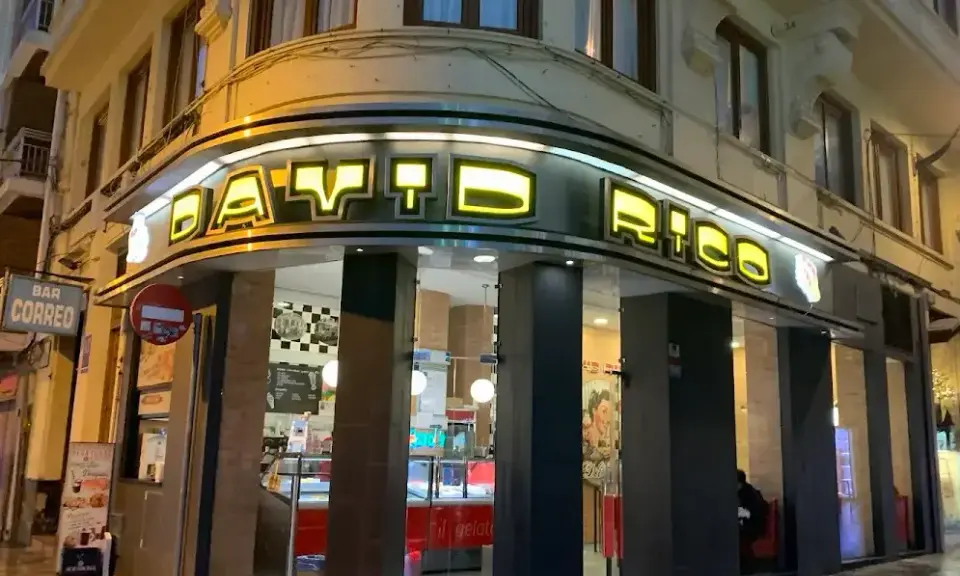
Heladería David Rico
3.1 out of 51 min walk 44m Traditional ice cream parlour
On Plaza de las Tendillas since 1936. The crema catalana ice cream and fresh orange granizado draw regulars back year-round — it never closes for winter.
3-5 euros avg. per person Helado de crema catalana, Helado de turrón, Granizado de naranja
Read more -
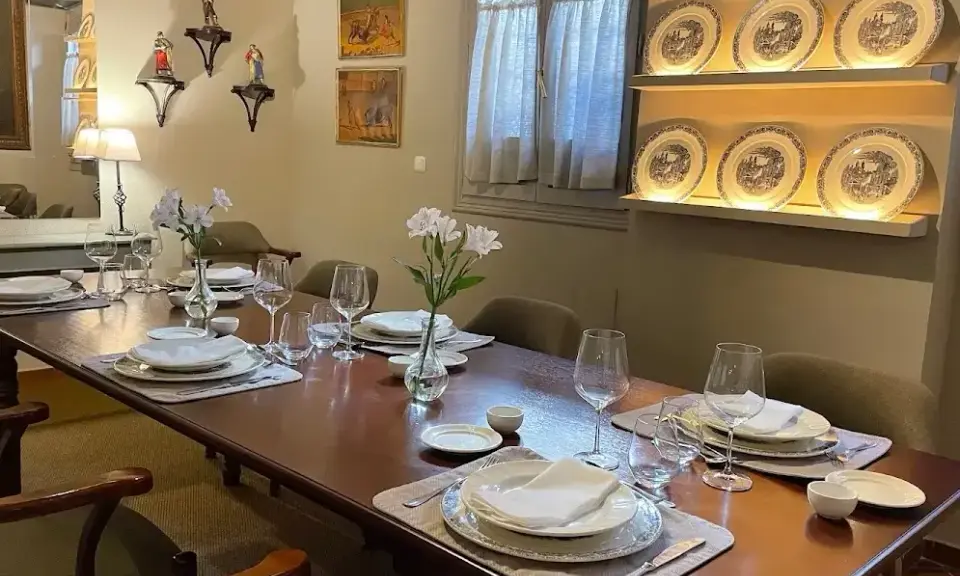
Bodegas Campos
4.5 out of 52 min walk 126m Traditional Andalusian
Local guide to Bodegas Campos, Córdoba's 1908 gastronomic landmark: real prices (€25–40), opening hours, oxtail recipe, and how to book a patio table.
20-35 euros avg. per person Rabo de toro (braised oxtail), Salmorejo, Flamenquín
Read more -
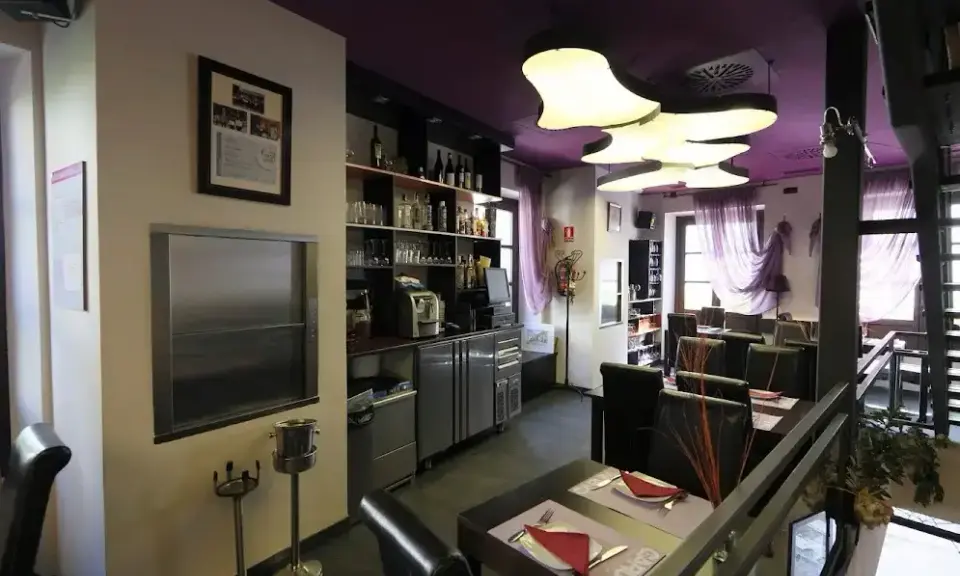
Garum 2.1
4.5 out of 52 min walk 130m Creative bistronomy
Michelin-recommended gastrobar in Córdoba. Award-winning salmorejo amontillado, oxtail churros with chocolate. Inventive tapas without starred prices. From €35.
35-65 euros avg. per person Salmorejo Amontillado (first-prize award-winner), Churro de rabo de toro con chocolate (oxtail churro with chocolate sauce), Manitas crujientes (crispy pig's trotters)
Read more -
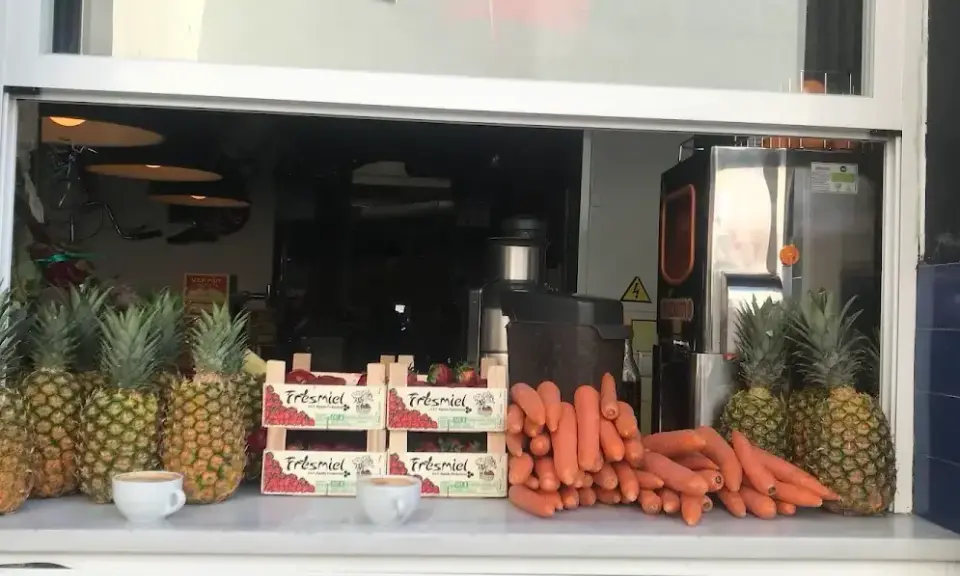
La Bicicleta
4.6 out of 52 min walk 140m Vegetarian
Vegetarian bar near Miraflores Bridge. Avocado tostas, vegan salmorejo, fresh-pressed juices and homemade orange cake. Open all afternoon without a break.
20-30 euros avg. per person Tostas de aguacate y tomate, Calabacines tibios al queso de cabra, Hummus casero
Read more -
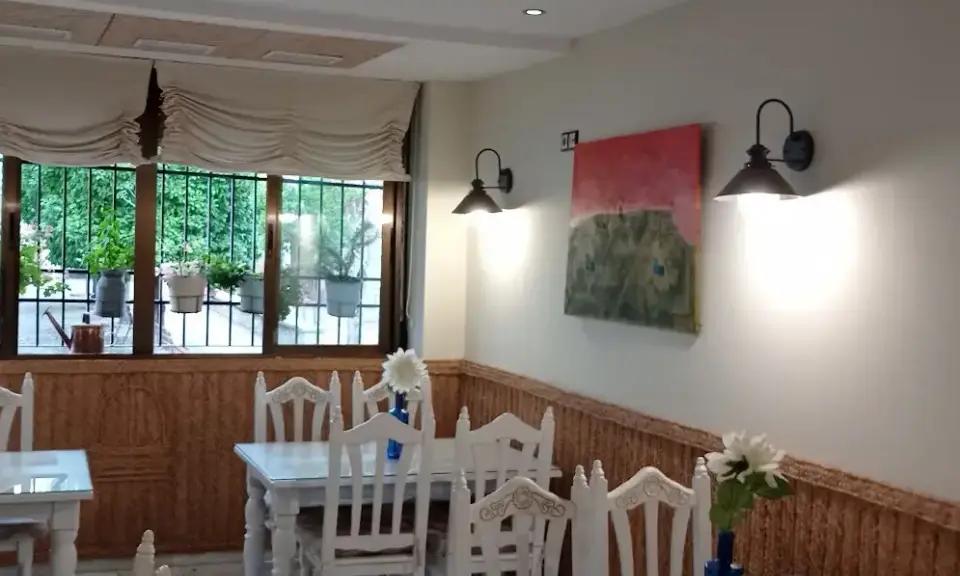
La Fuente 12
4.5 out of 52 min walk 146m Traditional Córdoban
Family restaurant in central Córdoba not found in tourist guides. Regulars are locals who know where to eat well without overpaying. Everything is homemade.
20-30 euros avg. per person Croquetas de jamón, Chivo marinado al ajillo, Rabo de toro
Read more -
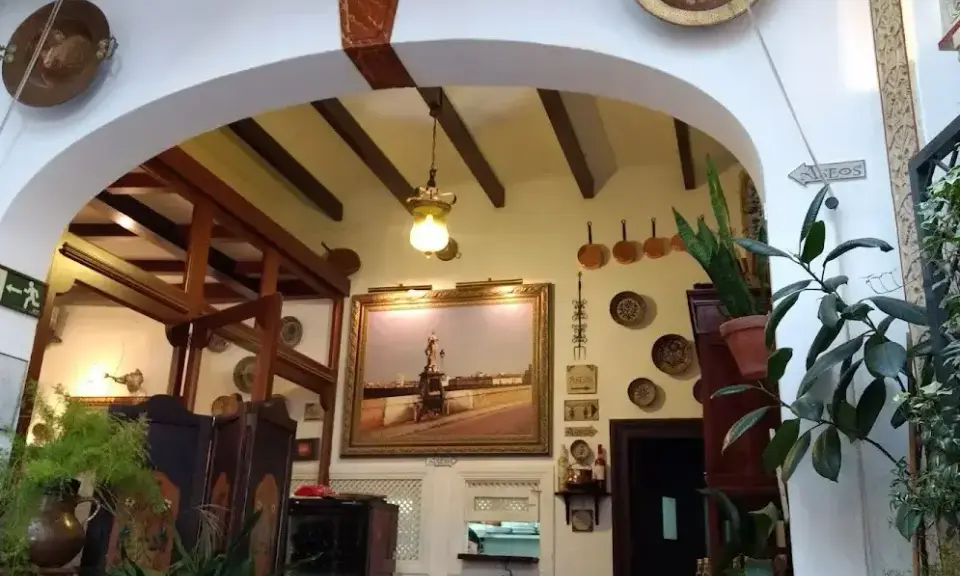
Taberna Salinas
4.6 out of 52 min walk 147m Córdoban tapas
Locals' favourite since 1924. Montilla-Moriles wine, tortilla made fresh daily, salmorejo as good as it gets. No reservations — arrive early. From €15.
15-25 euros avg. per person Tortilla de patatas, Jamón ibérico, Croquetas
Read more -
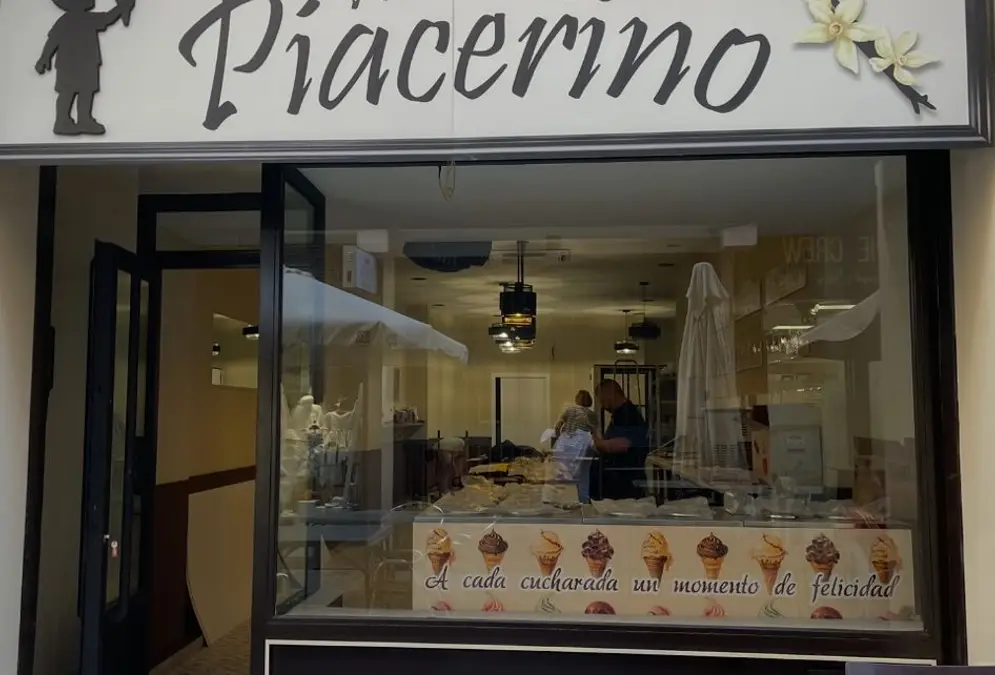
Piacerino
5.0 out of 52 min walk 159m Artisan gelato and chocolate
Handmade artisan gelato and chocolate in Córdoba's historic centre since 2025. Natural ingredients, seasonal flavours, and a perfect 5-star TripAdvisor score.
2-6€ avg. per person Handmade artisan gelato, Natural ingredient ice cream, Artisanal fruit sorbets
Read more
Plaza de las Tendillas
The menú del día window
Tendillas eats at midday because the city works here. Between roughly 2pm and 3.30pm the menú del día kitchens on Calle Jesús y María and Calle Saravia run flat out: 10–13€ buys starter, main, bread, drink and dessert, and the dining rooms empty as fast as they filled once offices reopen. Arrive after 3.30pm and most of those kitchens are winding down. The practical translation for a visitor: make lunch your main meal in this district. Taberna Salinas sits slightly outside the pattern, taking no reservations and filling within fifteen minutes of opening, so get there at 1pm. Dinner belongs to the bigger tables: Bodegas Campos or, for a splurge, the tasting menus covered below.
Booking the serious tables
Córdoba's two most demanding kitchens are reachable from Tendillas, and neither forgives spontaneity. Noor, the two-Michelin-star restaurant on the western edge of the city, opens its books weeks ahead and seats are scarce. Choco, one star and considerably cheaper, does contemporary Cordoban tasting menus at around 60–90€ per person and also wants notice. Neither is a walk-in proposition at any time of year. Book before you travel, then build the day around it: a light menú del día lunch elsewhere and an evening kept free works far better than two heavy meals. Mercado Victoria, ten minutes west in the gardens, is the useful fallback when plans shift.
Plaza de la Corredera
Saturday morning is the square at its best
Plan the market morning properly and the Corredera pays you back. Stalls go up from around 9am, the arcaded terraces open early for coffee, and a tostada con aceite costs about 2€ while you watch the produce trade happen. By 11am the first tour groups arrive and the square tips back towards the ordinary; before that hour it belongs to Córdoba. Buy olives, cheese and fruit from the stalls, then take a late-morning glass of cold fino at one of the terrace tables and call it lunch. For a cooked meal afterwards, Sociedad Plateros María Auxiliadora is five minutes west, its orange-tree courtyard suiting a slow Saturday afternoon perfectly.
How the old tabernas work
The bars south and east of the square follow an older custom than the menus suggest: in the tabernas off Calle de la Feria, a tapa comes automatically with each drink, chosen by the house. Order a cold Cruzcampo or a fino from the barrel and see what arrives before ordering further. Montilla-Moriles is poured cold and cheap, and nobody minds how long you occupy a stool. For a proper seated dinner, Bodegas Campos is eight minutes south on Calle Lineros and takes bookings; expect 30–40€ with wine. Taberna Salinas, under three minutes east towards Plaza del Potro, takes no reservations at all, so arrive at opening or join the queue.
Plaza del Potro
Lunch here runs on office hours
The streets around Plaza del Potro fill at 2pm with people who work nearby, and that shapes everything. Menús del día in the tabernas on Calle San Fernando start around 12€: starter, main, bread, drink and dessert, served fast and without ceremony. By 3.30pm the offices have emptied and those kitchens begin winding down; turn up at 4pm expecting lunch and you will be offered coffee. This makes the square a natural stop after a morning at the Museo de Bellas Artes or the flamenco centre in the old Posada del Potro. Evening is calmer again, when Bodegas Campos opens its dining rooms and the after-work crowd claims the stools from about 8pm.
At Bodegas Campos, order the classics
Bodegas Campos has been cooking the same repertoire since 1908 and there is no reason to fight it. Start with salmorejo, move on to the rabo de toro, oxtail braised until it collapses into its own reduced sauce, and add the berenjenas con miel de caña between courses if the table allows. A glass of amontillado from the restaurant's own Montilla-Moriles cellar goes with all of it. Expect 30–40€ per head with wine and book ahead; the labyrinth of rooms fills fast at weekends. If that exceeds the budget, the tabernas near the square cook honest versions of the same dishes for half the money, and nobody in them will mind that you ordered only a tapa.
Frequently asked questions
Where to eat near Plaza de las Tendillas in Córdoba?
Taberna Salinas on Calle Tundidores is the historic choice — it opened in 1879 and is still run by the same family. The patio fills at lunch; arrive before 2pm or expect a wait. For something lighter or faster, Mercado Victoria in the Jardines de la Victoria has multiple food stands and plenty of outdoor seating.
What is the best lunch spot near Tendillas?
The neighborhood restaurants on Calle Jesús y María and Calle Saravia, one block off the square, offer weekday menús del día from 10–13€: starter, main, bread, drink and dessert included. These are the places where teachers, civil servants, and shop staff actually eat. No English menus, but the food is real and the price is right.
Is Mercado Victoria worth visiting near Plaza de las Tendillas?
Mercado Victoria is a good midpoint between a market visit and a meal — the 19th-century iron pavilion is pleasant, the food quality varies by stand, and it works well for a grazing lunch. The local cheese and jamón stands are the highlight. Go at 1pm on a weekday when it's busy and the produce is fresh; Saturday afternoon gets congested.
Are there fine dining options near Plaza de las Tendillas?
The Centro district is more about solid traditional restaurants than fine dining. For Córdoba's serious tasting-menu cooking — the two-Michelin-star kitchen with its two Michelin stars — you need to book weeks ahead and head to the western edge of the city. Closer to Tendillas, Choco (one Michelin star) does contemporary Cordoban cuisine at around 60–90€ per person for the tasting menu.
Where to eat near Plaza de la Corredera?
For the most atmospheric lunch in Córdoba, Sociedad de Plateros María Auxiliadora on Calle San Francisco is five minutes from the square — a converted guild hall with a flower-filled patio and traditional Cordoban cooking. For evening tapas, the bars on Calle de la Feria heading south from the square have been a local haunt for decades.
Can I eat on the terrace at Plaza de la Corredera?
Yes — the café terraces under the arcades are open most of the day for coffee, beer, and simple food. They work better for a morning breakfast (tostada con aceite, around 2€) or an afternoon drink than for a serious meal. The food on the square tends towards bocadillos and tapas; go to the surrounding streets for full lunch or dinner.
What is a good restaurant near La Corredera for dinner?
Bodegas Campos is the serious option: a sprawling old bodega on Calle Lineros with wine stored in barrels and cooking that takes Cordoban tradition seriously — rabo de toro, salmorejo, bacalao. It's a 10-minute walk from the square and worth booking in advance. Expect around 30–40€ per head with wine.
Is there a morning market near Plaza de la Corredera?
The market takes place in the square on Saturday mornings from around 9am to 2pm — fresh produce, olives, local cheeses, and some antique stalls. Several of the café terraces under the arcades open early and serve good coffee with a tostada; it's one of the better ways to spend a Saturday morning in Córdoba.