
Córdoba's cold-weather comfort dish
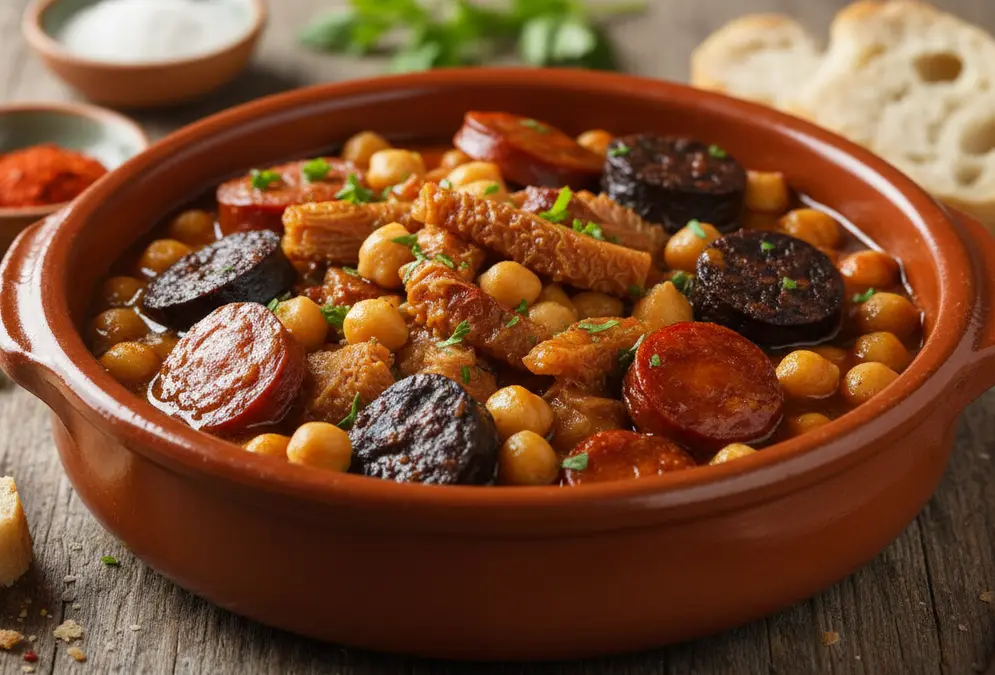
Callos Cordobeses is one of those dishes that makes sense as soon as the temperature drops. Beef tripe, chickpeas, chorizo, and morcilla (blood sausage) all go into a clay pot and spend a few hours becoming something much greater than the sum of their parts — a thick, smoky stew built on tomato, garlic, and paprika.
The dish belongs to a long tradition of Andalusian peasant cooking: unhurried, economical, and deeply satisfying. Tripe has fed working families across the region for centuries, and in Córdoba the recipe has settled into its own distinct form, most visibly through the addition of chickpeas. That's the detail that separates Callos Cordobeses from its more famous cousin Callos a la Madrileña. Madrid's version tends to be richer and saucier; the Córdoba variation is heartier, the chickpeas soaking up the braising liquid and giving the stew a denser, more rustic character.

Getting the tripe right
Tripe preparation is where the dish can go wrong. It needs thorough cleaning and at least one vigorous blanching before the long braise begins. Skip that step and the texture turns unpleasant; do it properly and the tripe becomes genuinely tender, almost silky after two to three hours of slow cooking. The chorizo and morcilla go in later, so they hold their shape and release their fat gradually into the sauce rather than disappearing into it.
The spice balance is straightforward — smoked paprika, bay leaf, garlic — but it rewards patience. The flavours deepen considerably in the last thirty minutes, and the stew is almost always better the next day.
How and when to eat it
Callos Cordobeses is a winter dish. Order it in July and you'll get a polite look; order it in December or January and you'll understand why locals consider it one of the city's essential cold-weather meals. It arrives at the table in the same clay pot it cooked in, still bubbling at the edges. Crusty bread on the side is non-negotiable.
For wine, a full-bodied red from Montilla-Moriles or a Tempranillo holds up well against the richness of the stew.
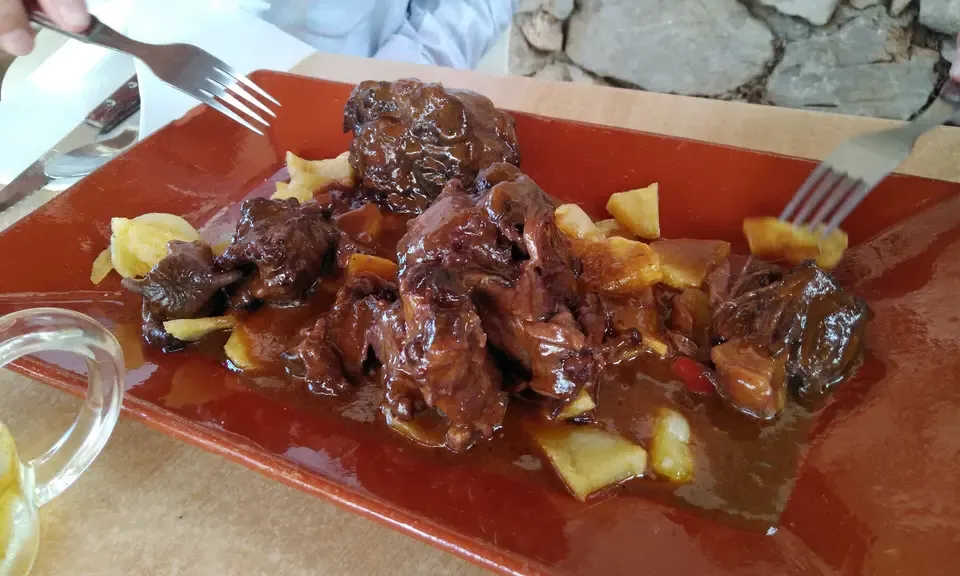
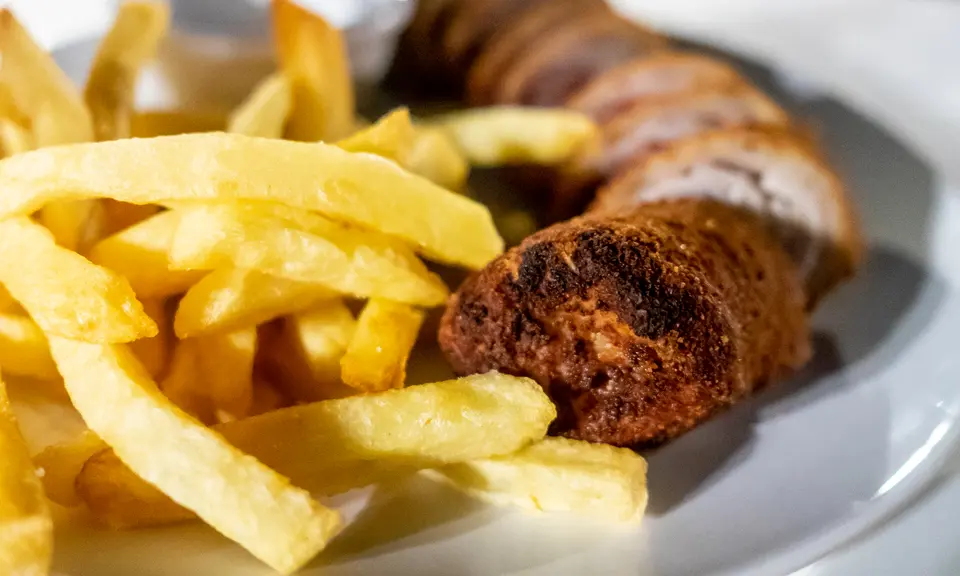
If you enjoy slow-cooked Córdoban meat dishes, Rabo de Toro — the city's famous oxtail stew — follows a similar logic and is equally worth seeking out. For something fried and distinctly Cordoban, Flamenquín makes a good contrast on the same menu.