Articles
Stories, history and food traditions from Córdoba (Page 19)
Long-form editorial pieces written by resident correspondents: cultural deep-dives, the origins of local dishes, and the people and traditions that shape everyday life in Córdoba.
Articles — Page 19 of 19
-
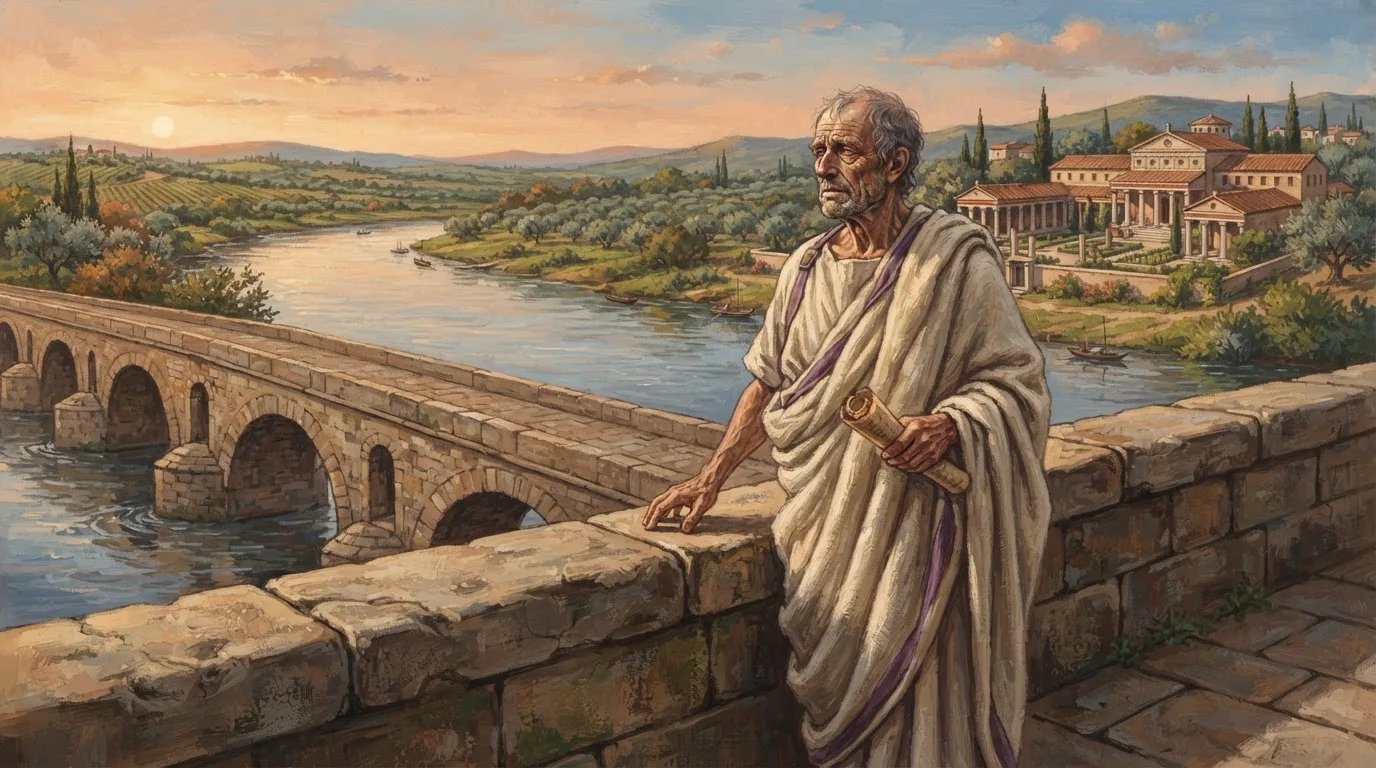
People & legends
Seneca: Born in Córdoba, Philosopher to an Empire
Born in Roman Córdoba around 4 BCE, Seneca became Nero's tutor, wrote 124 Moral Letters that shaped the essay form, and died in 65 CE by opening his veins.
-
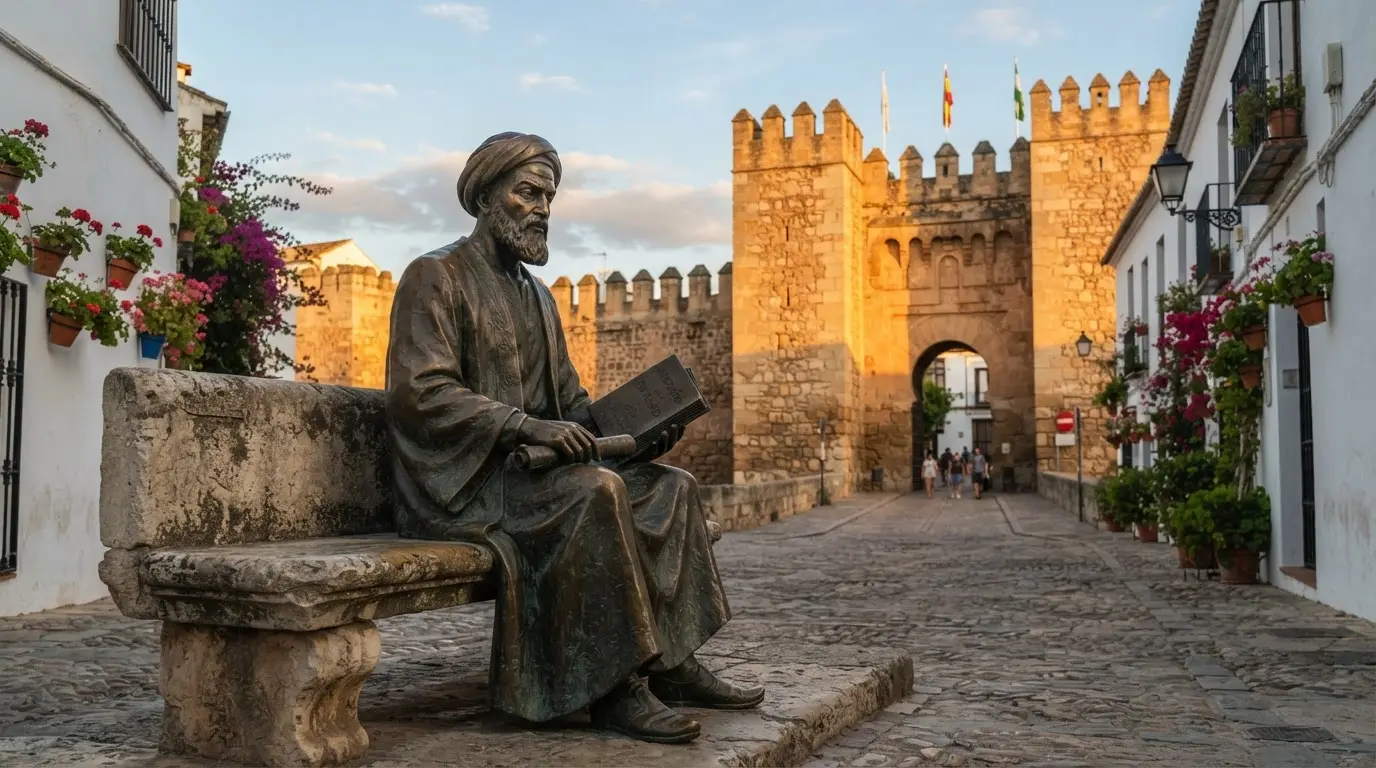
People & legends
Averroes: Córdoba's Philosopher Who Saved Aristotle
Born in Córdoba in 1126, Averroes wrote the commentaries that returned Aristotle to Christian Europe. Thomas Aquinas read him. Paris called him the Commentator.
-
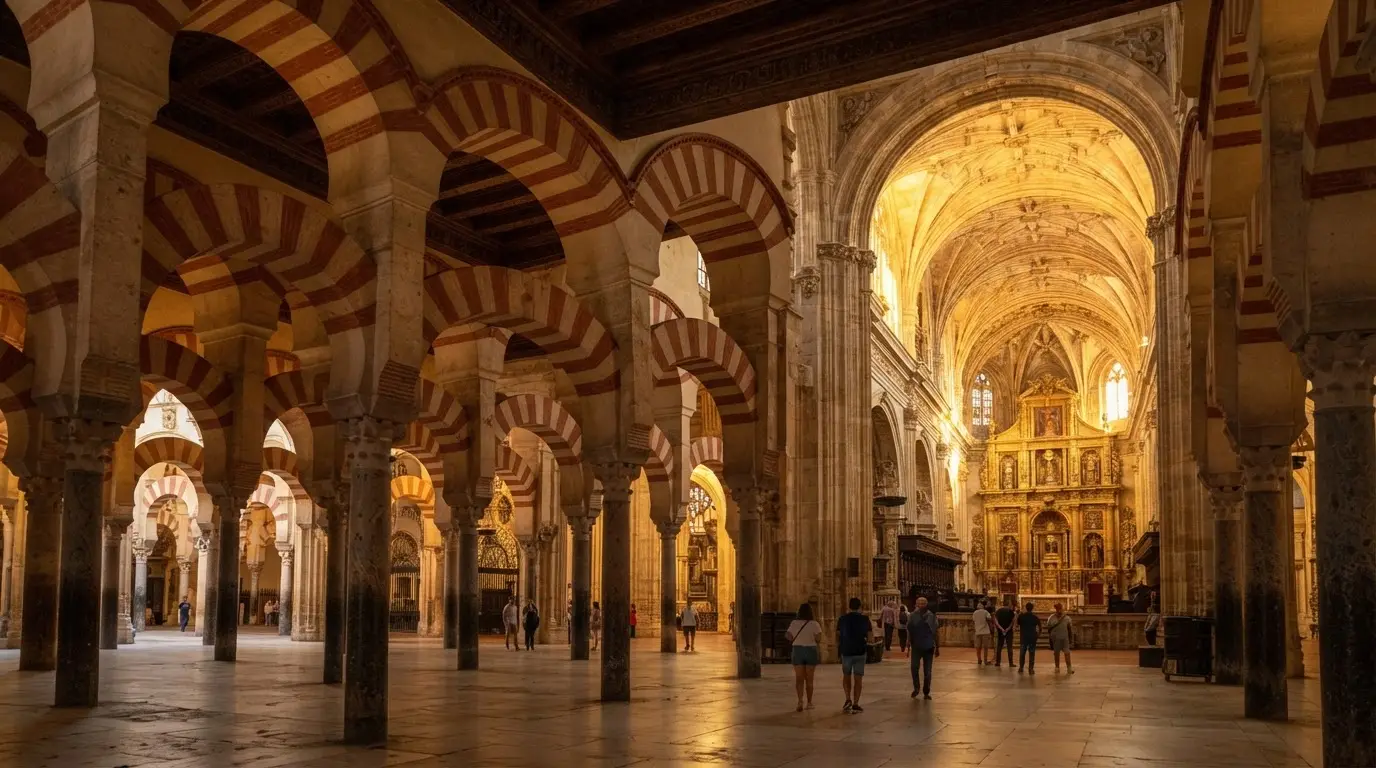
Monuments & architecture
Is the Mezquita a Mosque or a Cathedral? Why It Has Three Names
Mezquita means mosque in Spanish, yet Córdoba's monument has been a Catholic cathedral since 1236. Why it carries three names and how its status is disputed.
-
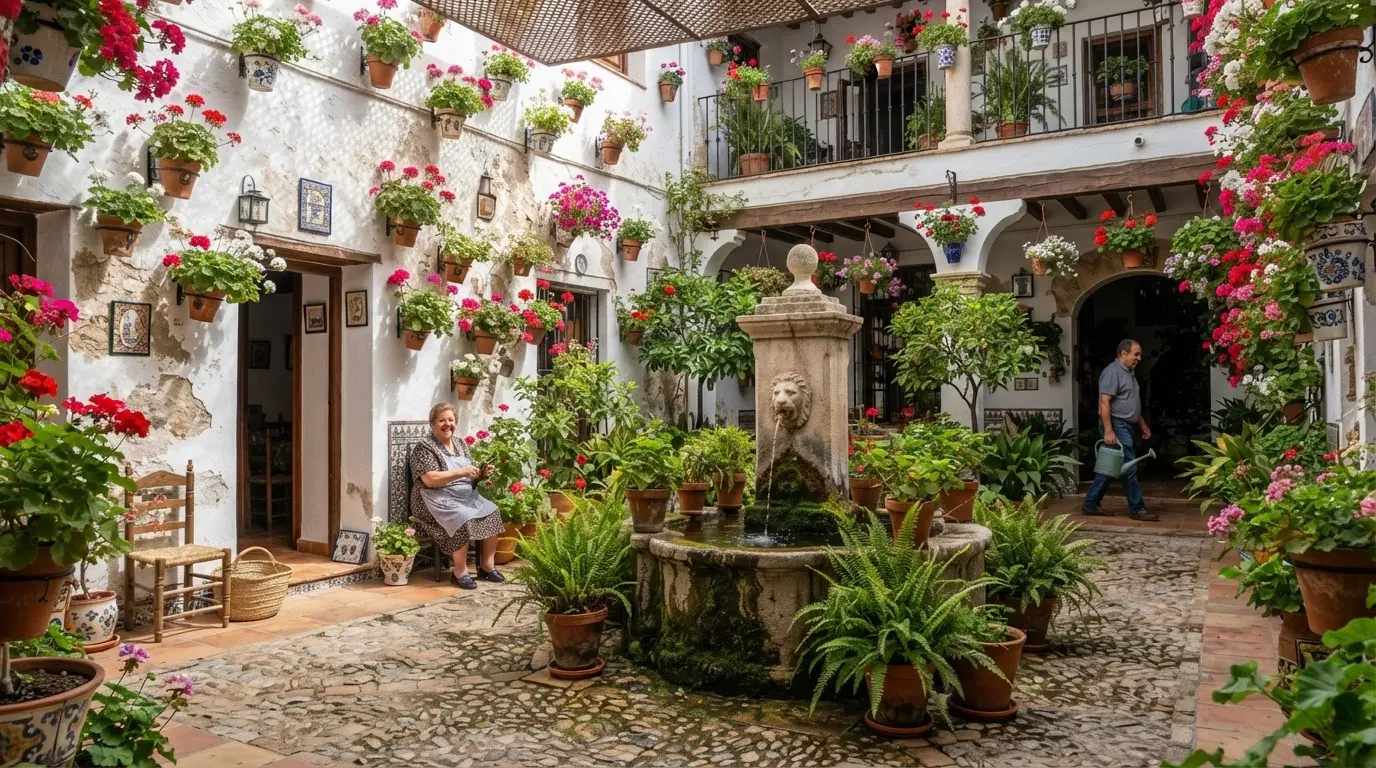
Monuments & architecture
Córdoba's Patios: Why They Exist and Endure
Córdoba's patios stay 10–15°C cooler than the street. Two thousand years of Roman, Moorish and Christian engineering explain why, and why they still work.