Articles
Stories, history, and planning essays from Córdoba (Page 5)
Long-form editorial pieces written by resident correspondents: cultural deep-dives, food traditions, and practical planning essays for visiting the city.
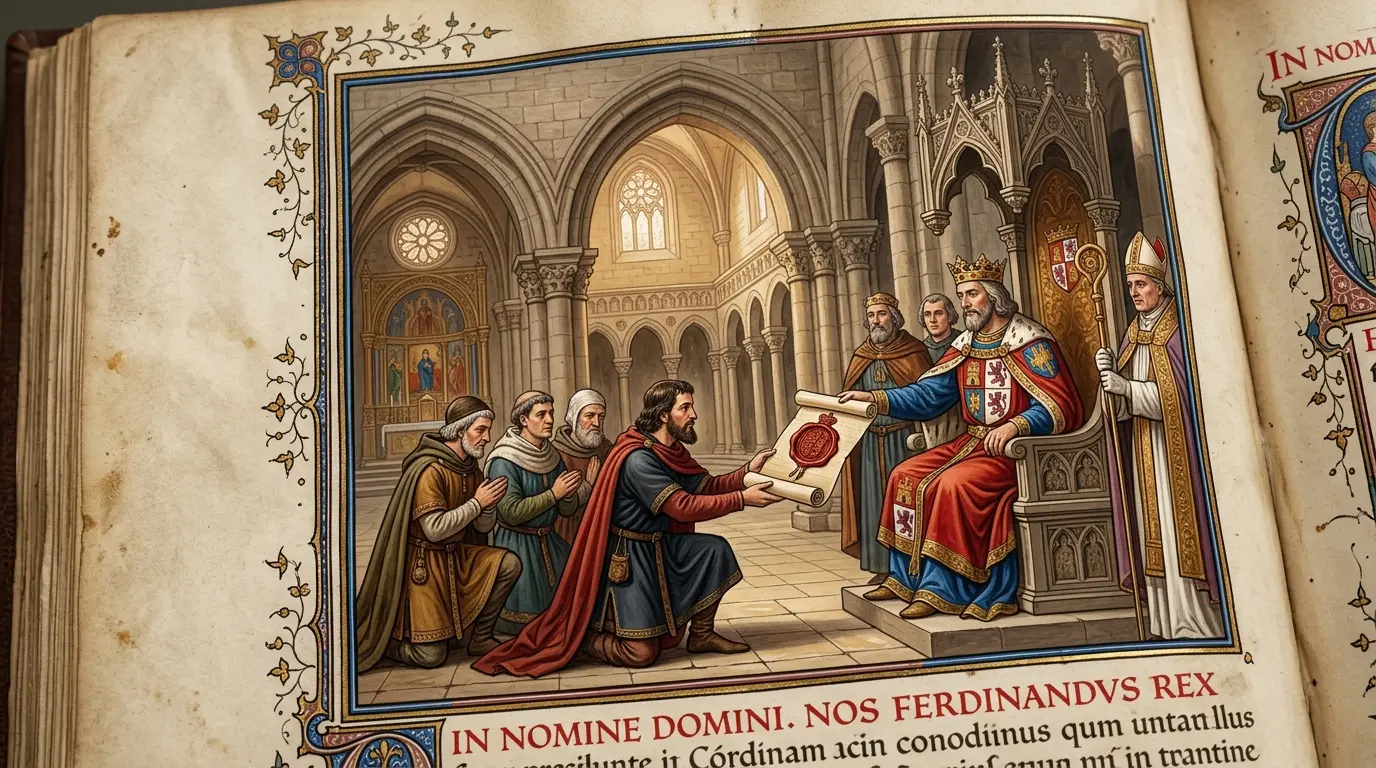
Ferdinand III's Córdoba Fuero: The Charter That Shaped the City
Sophie Marchand
Ferdinand III granted Córdoba the Fuero Juzgo on 10 March 1241 — a Visigothic code in Castilian. It created 14 parishes and governed the city 600+ years.
Read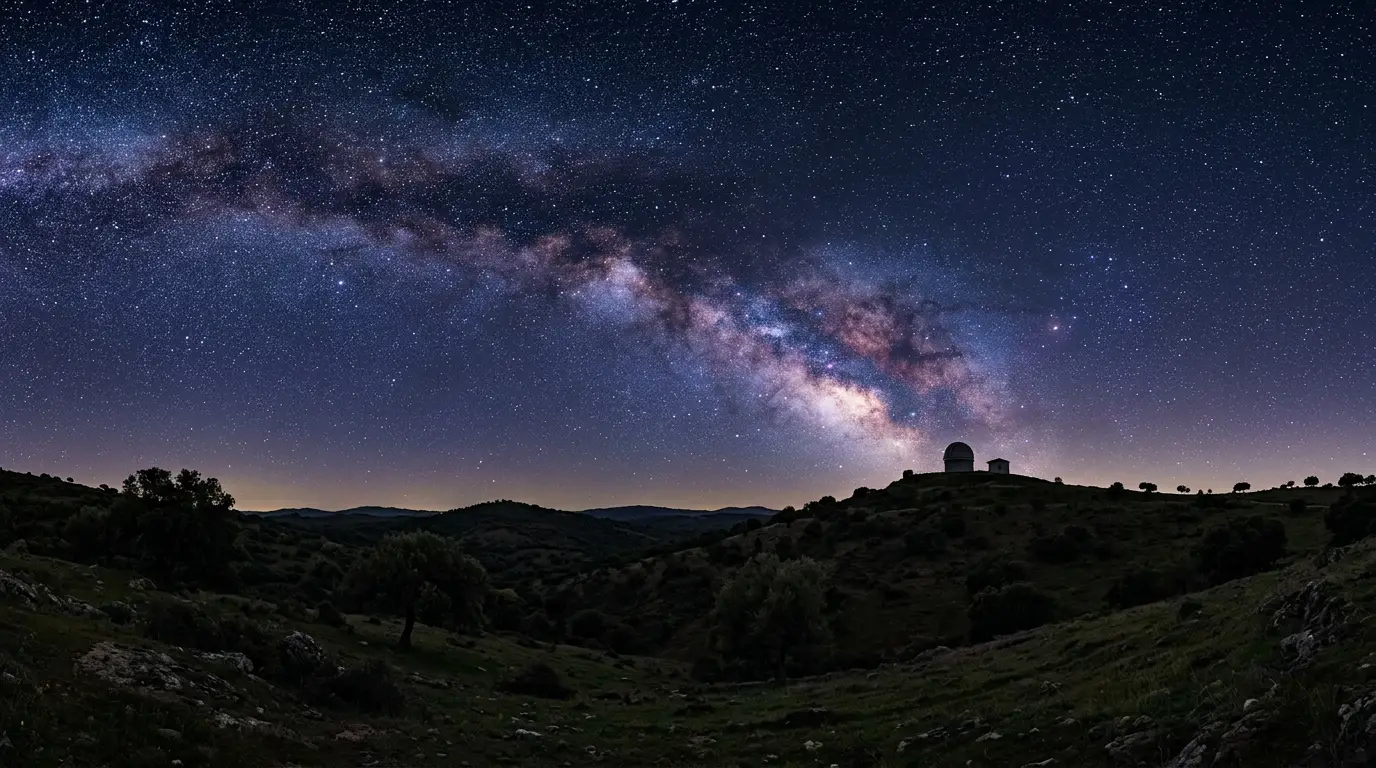
Stargazing Near Córdoba: From Ibn Firnas to Los Pedroches
Sophie Marchand Updated
Córdoba's Caliphate-era astronomers charted the stars centuries ago; today Los Pedroches, under 90 minutes north, offers certified dark skies to see them.
Read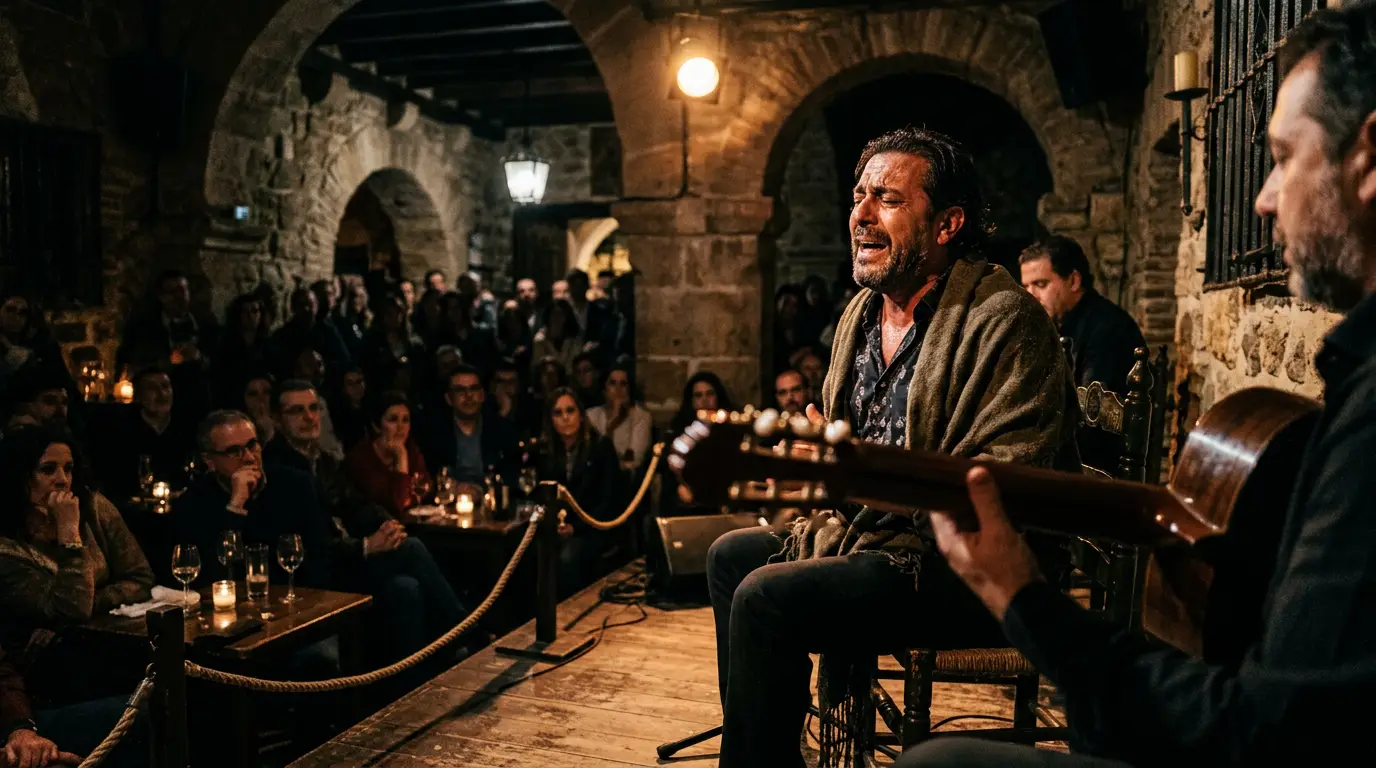
History of Flamenco in Córdoba: From Santa Marina to UNESCO
Sophie Marchand Updated
From Santa Marina's gitano quarter to the 1956 Concurso Nacional (won outright by Fosforito) to UNESCO in 2010: how Córdoba built its own flamenco tradition.
Read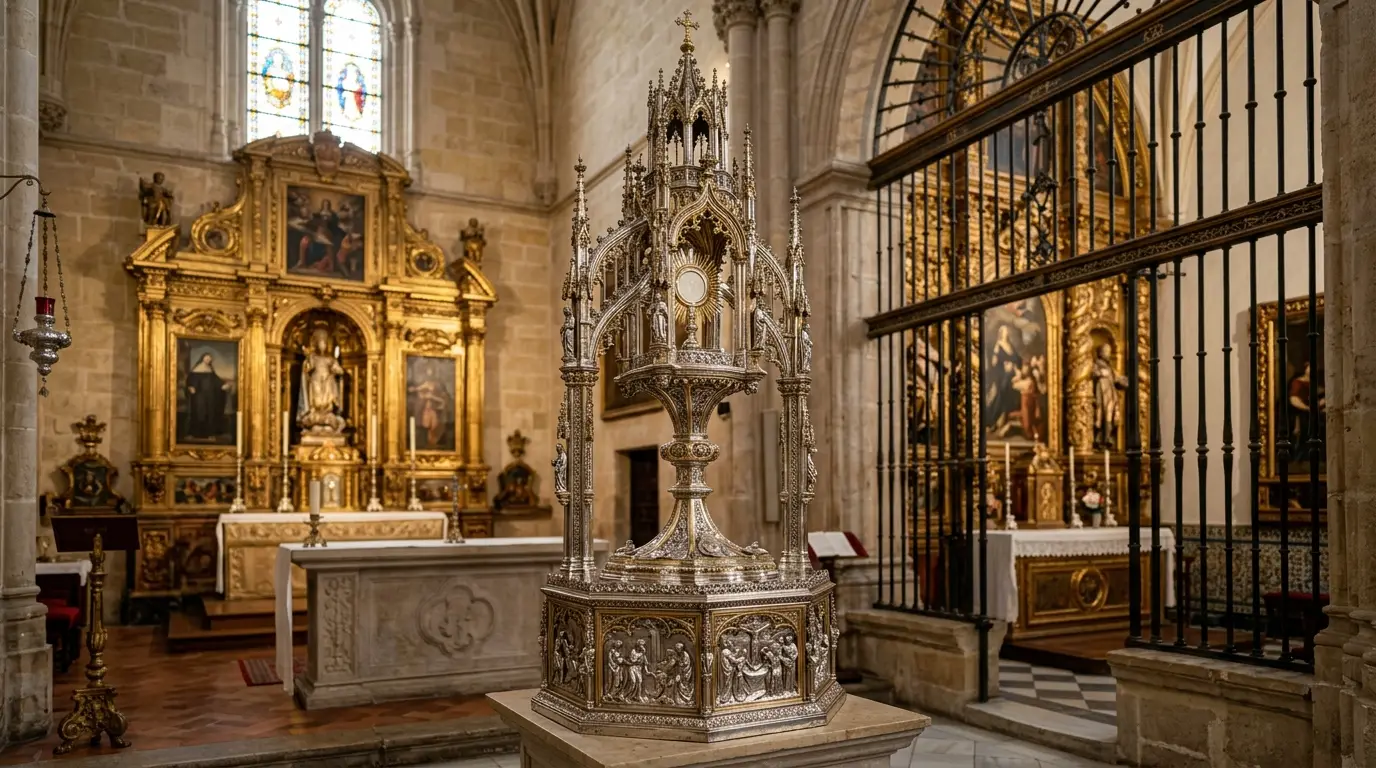
Corpus Christi in Córdoba: A 16th-Century Religious Spectacle
Sophie Marchand Updated
Corpus Christi in Córdoba has paraded a 200-kilo Gothic silver monstrance through herb-strewn streets since 1518—five centuries of Counter-Reformation theatre.
Read
Cordobans in Dante's Inferno: Three Philosophers in Limbo
Sophie Marchand Updated
Seneca, Lucan, and Averroes: three Córdoba-born intellects who share a single canto of Dante's Inferno. Why the poet admired them yet placed them in Limbo.
Read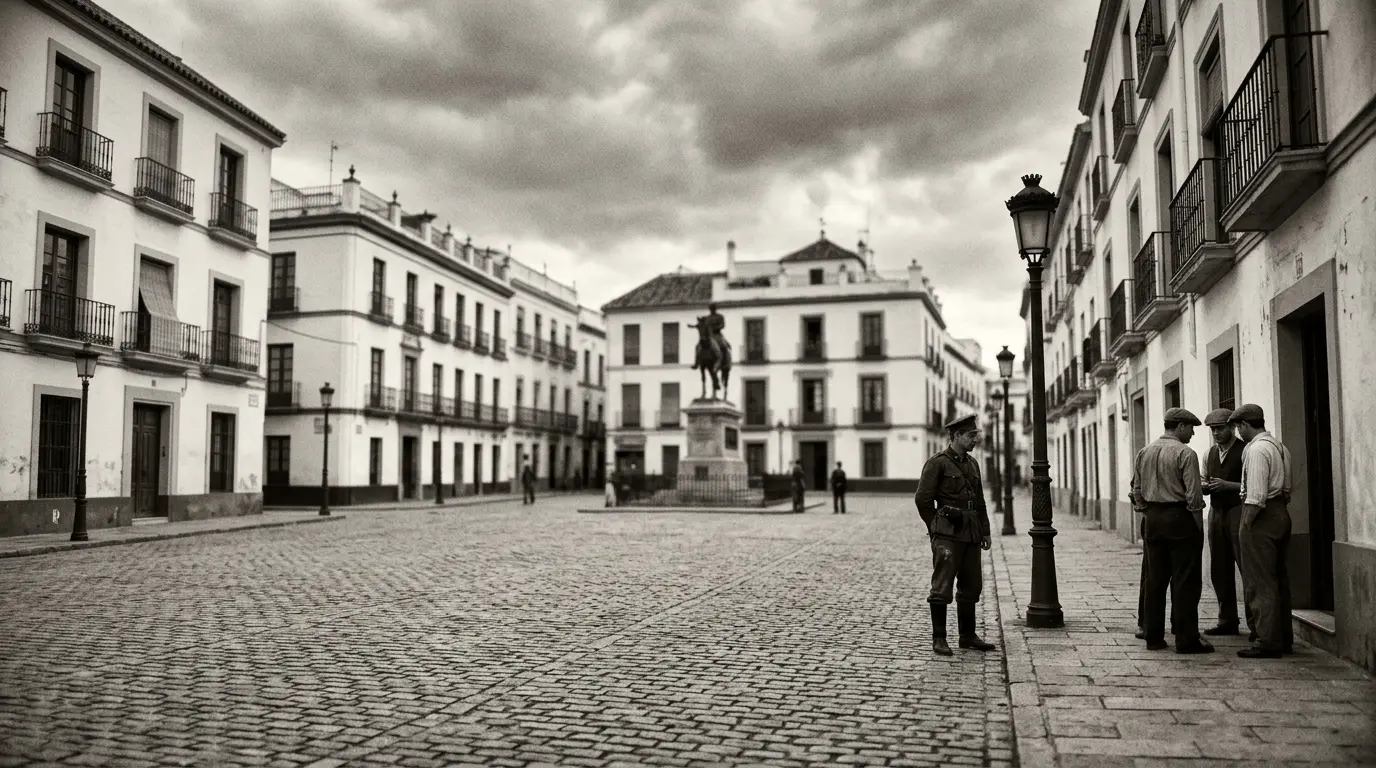
Córdoba and the Spanish Civil War: 1936 and Its Scars
Sophie Marchand Updated
On 18 July 1936, a coup plunged Córdoba into the Spanish Civil War: Plaza de las Tendillas seized, thousands executed, and a failed August counter-offensive.
Read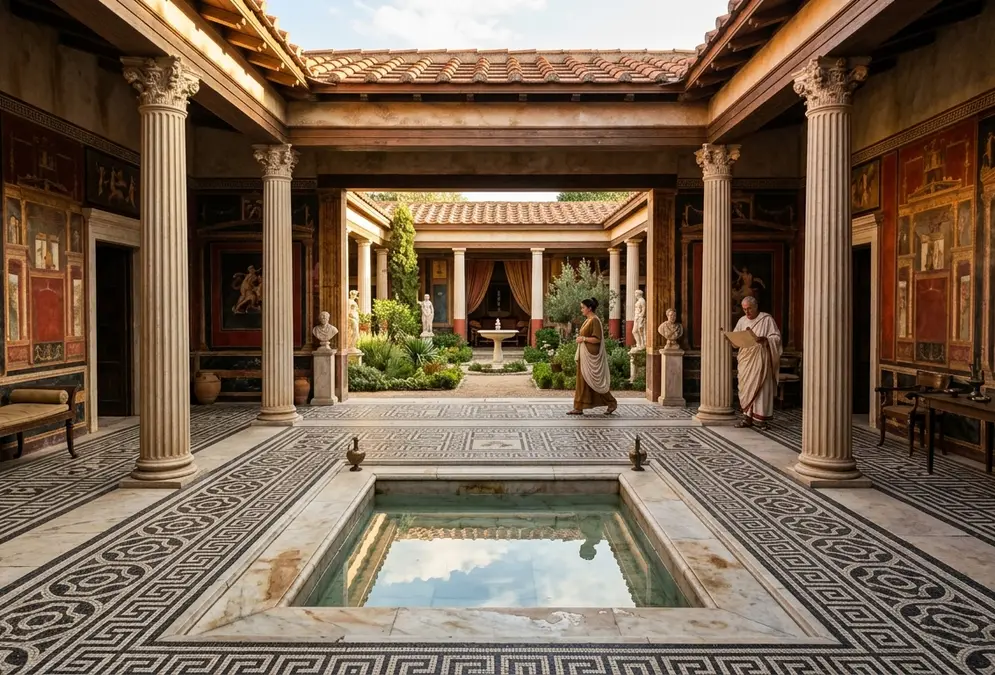
Roman Houses of Cordoba: Elite Life in Colonia Patricia
María Fernanda González Updated
Roman houses in Cordoba, Spain, had atriums, peristyle gardens, and hypocaust floors. Surviving mosaics, frescoes, and the patio tradition they started.
Read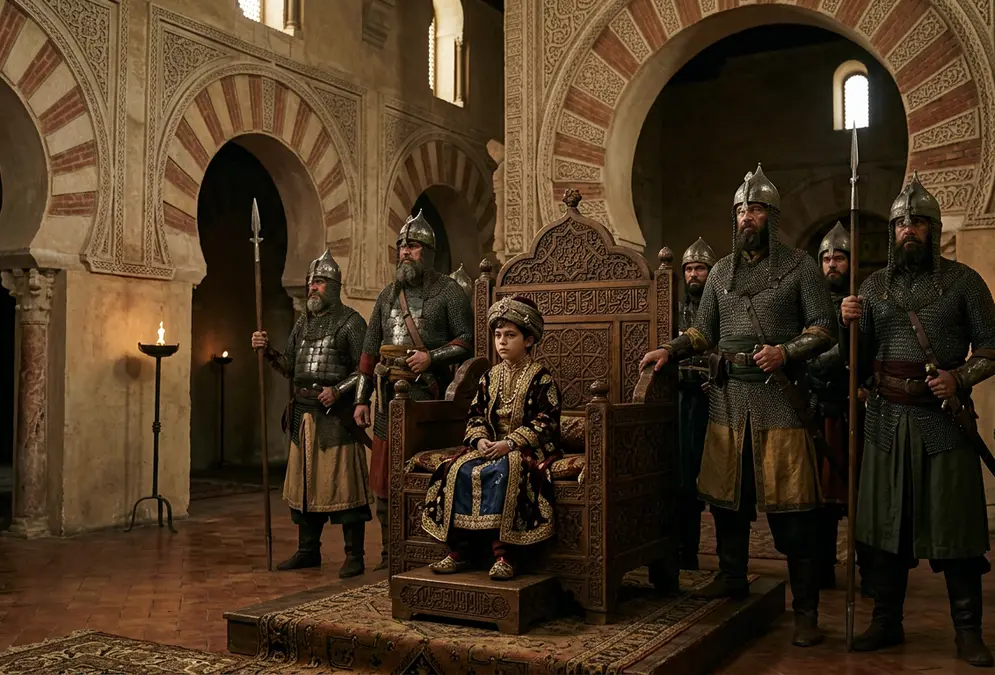
Hisham II of Córdoba: The Boy Caliph Who Lost an Empire
Sophie Marchand Updated
Hisham II became caliph of Córdoba at ten, ruled as a puppet for Almanzor, vanished during the 1013 sack, and taifa kings still invoked his name in 1082.
Read
Why Córdoba Is Called Córdoba: The Name's Long Argument
Sophie Marchand Updated
The name Córdoba has passed through five civilisations, each leaving a phonetic trace on the word: from Iberian Corduba to Arabic Qurṭuba to Castilian Córdoba.
Read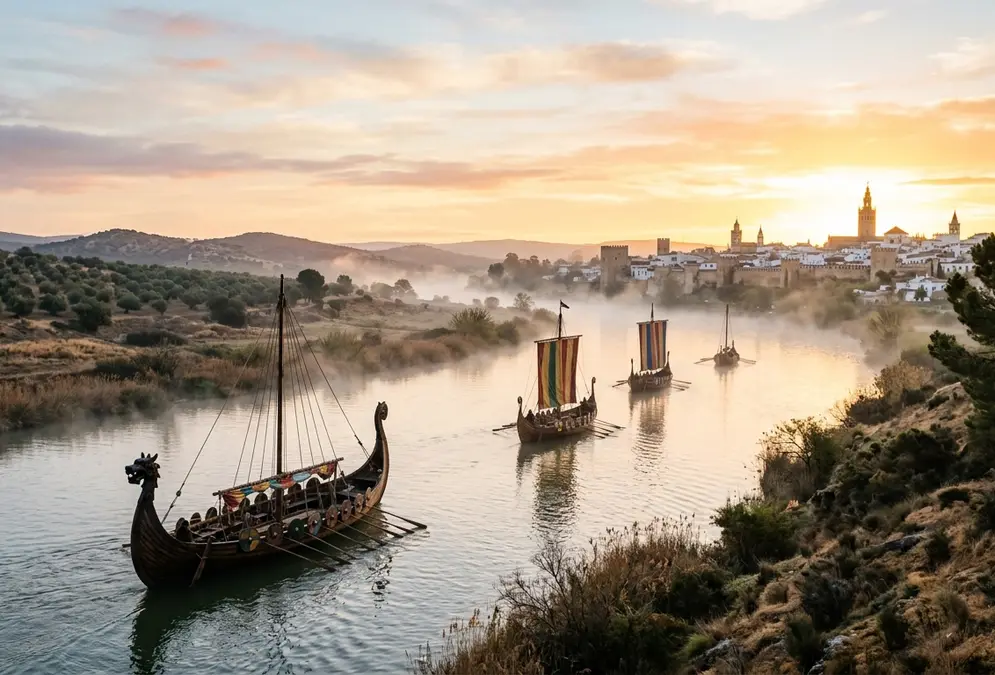
Vikings in Córdoba: the 844 raid Abd al-Rahman repelled
Sophie Marchand Updated
In 844, a Norse fleet of up to 80 ships sailed the Guadalquivir and sacked Seville. Abd al-Rahman II's response changed Andalus naval strategy for a century.
Read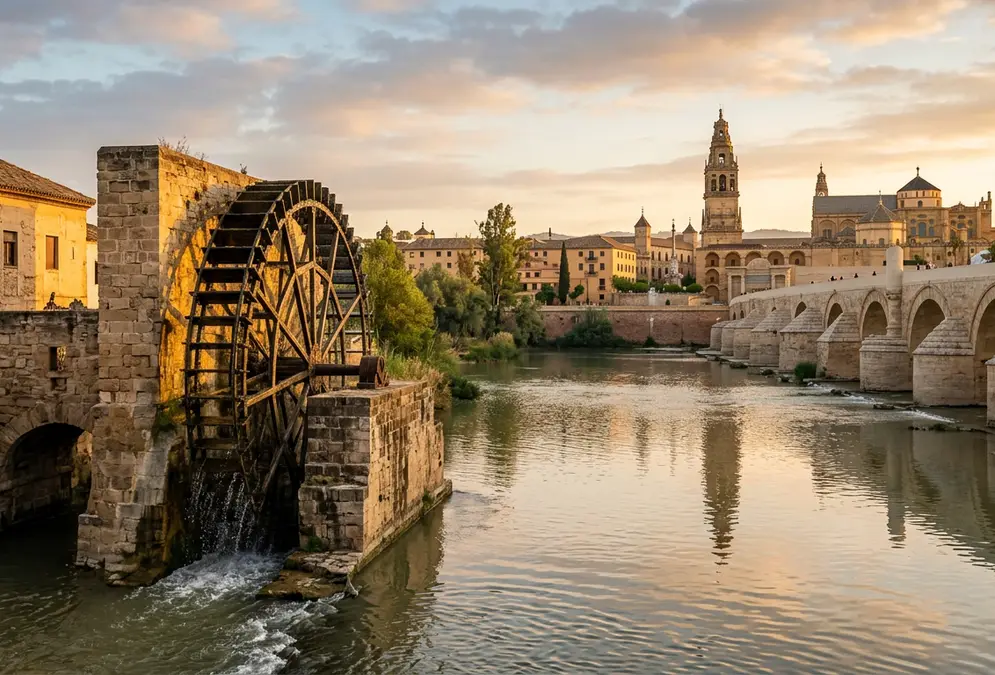
Albolafia waterwheel history: Abd al-Rahman II's Córdoba
Sophie Marchand Updated
The Albolafia waterwheel first appeared on Córdoba's coat of arms in the 1300s, vanished for centuries, and returned in 1983 — not Abd al-Rahman II's work.
Read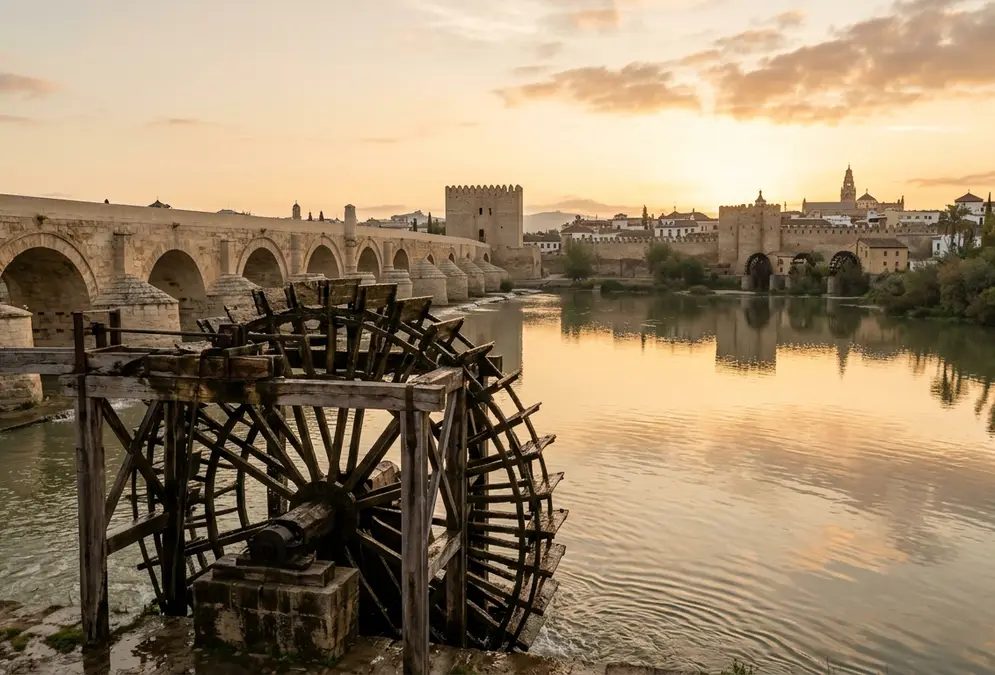
Guadalquivir Mills: Three Civilisations, One Riverbank
María Fernanda González Updated
In 1492 Isabella I ordered Córdoba's Albolafia wheel pulled down because it kept her awake. Eleven Guadalquivir mills, three civilisations, one story.
Read