
Guide

Best Bodegas and Tabernas in Córdoba

Ten Córdoba bodegas and tabernas where wine comes straight from the barrel. Montilla-Moriles on tap, bullfighting posters, no tourist menu in six languages.

What separates a bodega from a bar is not a licensing distinction but a statement of intent. At Bodega Guzmán on Calle Judíos, the wine comes from the barrel behind the counter, poured into ceramic tumblers. At Bodegas Campos, oak casks line the vaulted rooms of a former aristocratic palace built around courtyards with stone fountains. At Taberna Salinas, open since 1879, the tiled walls have been absorbing the noise of Cordovan lunches for five generations.

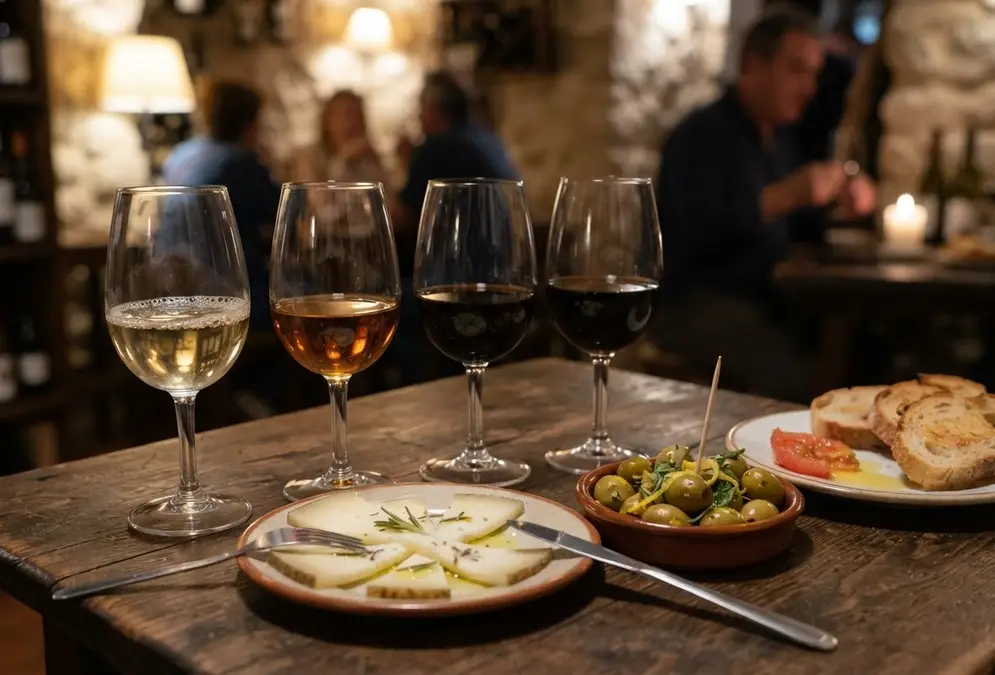
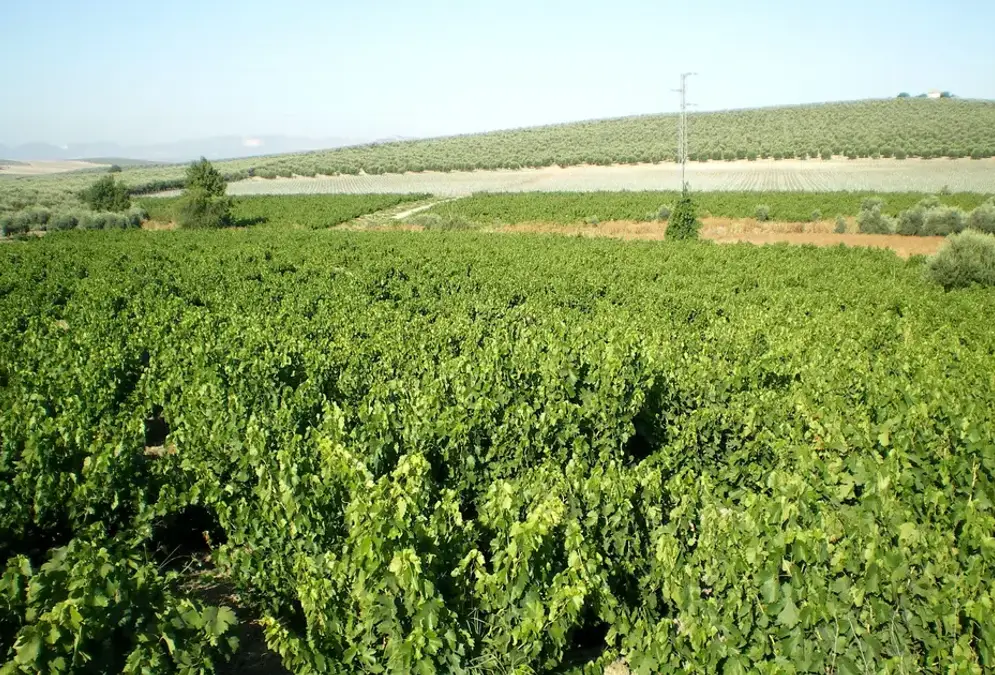
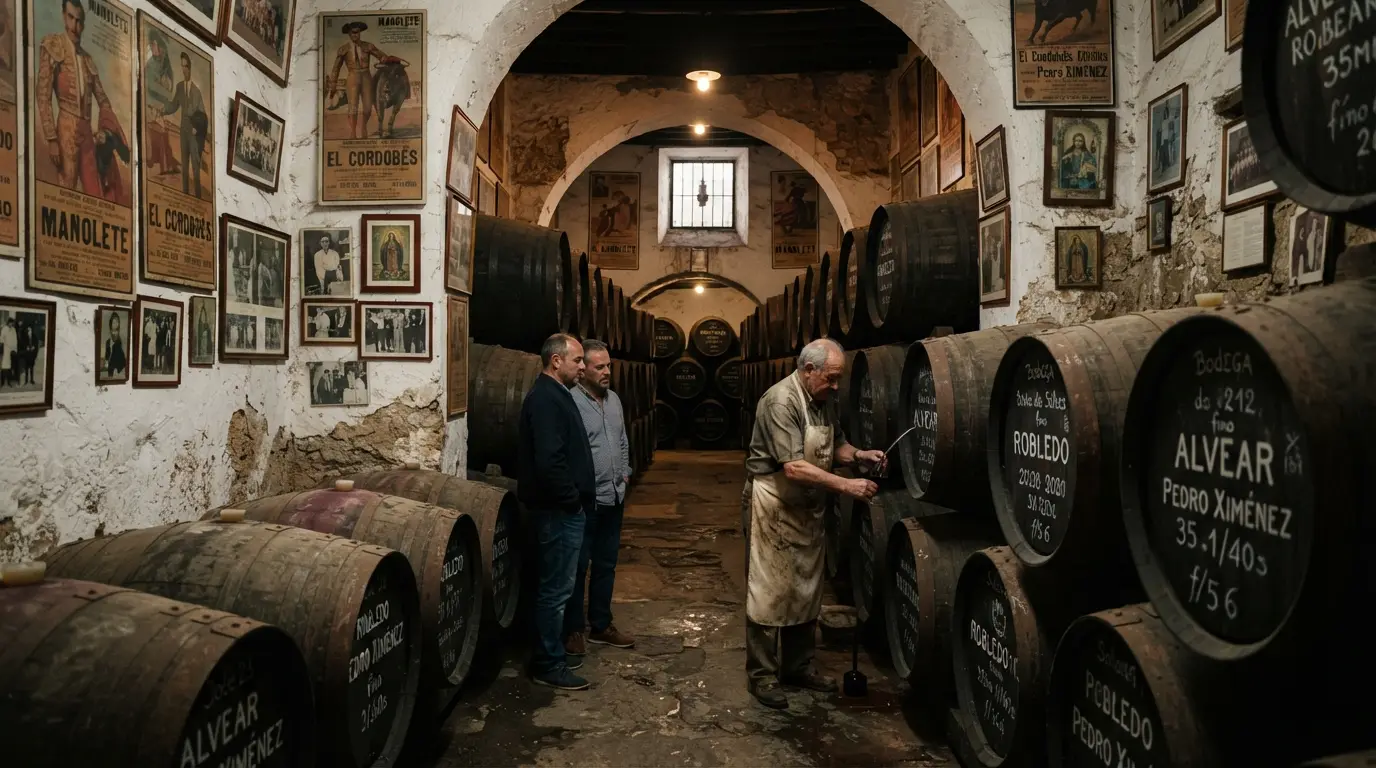
These are not bars that happened to add a wine list. They are places where the ritual of Montilla-Moriles wine — the appellation produced sixty kilometres south of the city from Pedro Ximénez grapes on chalky soil — is the organizing principle. A glass of fino in a ceramic cup, a plate of chorizo in wine, no printed menu in six languages. The bullfighting posters on the wall are originals, not decoration sourced from an estate agent. Nobody chose the atmosphere — it accumulated.

Montilla-Moriles is the wine region Córdoba belongs to, not Jerez. Visitors sometimes arrive expecting sherry. The appellation produces its own fino, amontillado, and Pedro Ximénez, all from the same grape fermented without fortification because the summer heat concentrates the sugar naturally. At its purest — drawn directly from a cask behind a bar counter — it is one of the more honest wine experiences in Andalusia. These ten addresses are where to find it.

The list runs from the most architecturally significant (Bodegas Campos in its 1908 palace) to the most neighbourhood-rooted (Taberna San Basilio in the patio quarter), and includes one specialist wine address (Taberna El Número 10, Michelin-listed since 2017) alongside century-old bodegas that have barely updated a tile. What connects them is a shared seriousness about the regional wine culture — a culture old enough to precede the tourist industry by centuries.

Ranked list

How we chose

The places on this list were selected against the following editorial criteria.

  • Montilla-Moriles wine from the barrel or a serious cellar dedicated to the appellation
  • Physical character accumulated over decades: azulejo tiles, bullfighting posters, original fittings not chosen as décor
  • Andalusian cooking grounded in the Córdoban canon — salmorejo, rabo de toro, flamenquín — made from local sourcing
  • A clientele that is primarily local, not primarily tourist-facing, at least outside peak season
  • Pricing that reflects the neighbourhood rather than the tourist circuit

Reporter notebook

Insider tips

What to order

Order fino in a ceramic tumbler, not a stemmed glass

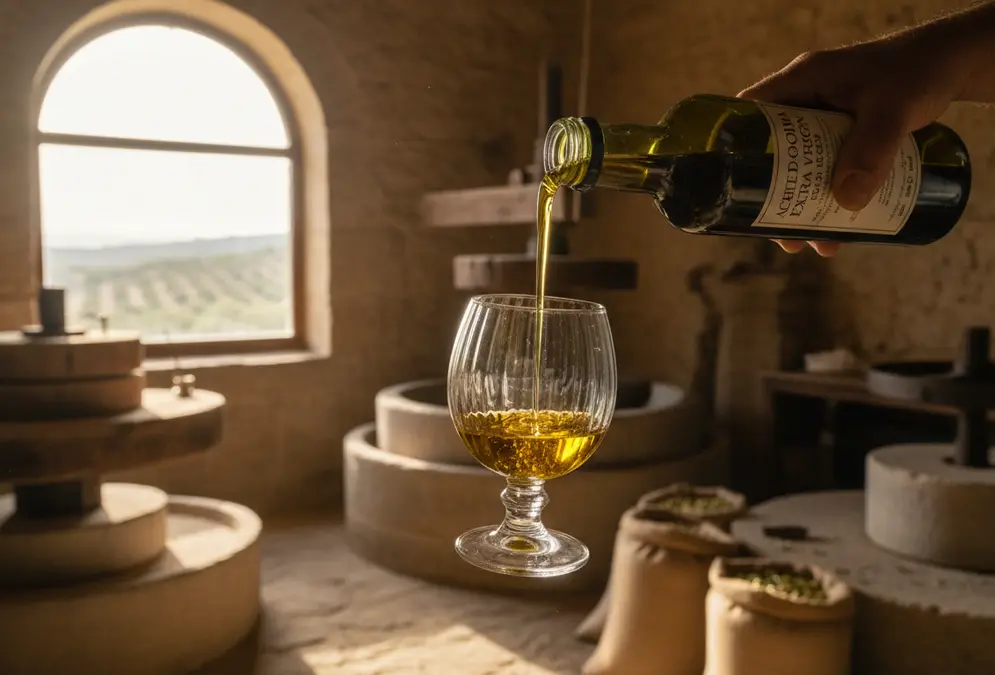
At Bodega Guzmán and Taberna Salinas, the wine arrives in small ceramic or heavy glass tumblers. Ask for it that way if a stemmed glass appears. The fino is colder and the almond bitterness comes through more cleanly without the stem warming it. It costs the same.
Local custom

Lunch is the right meal for bodegas, not dinner

Most Cordovans do their bodega visits at lunchtime, not in the evening. The kitchen is freshest, the regulars are in, and the midday rhythm fits better: two wines, two plates, no rush. Taberna Salinas and Taberna San Basilio both open for lunch at weekends but not on weekday evenings.

Top picks

Bodega Guzmán

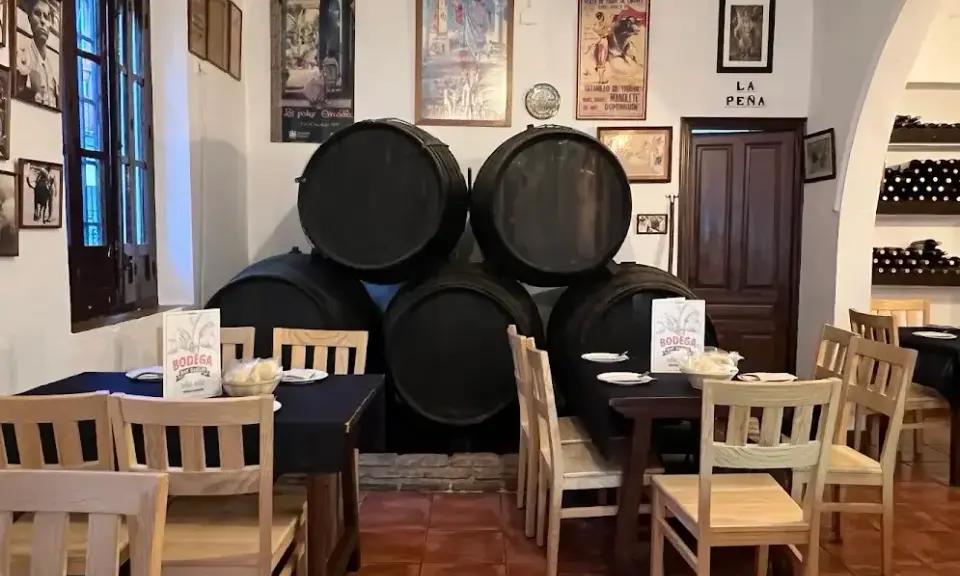
Bodega Guzmán on Calle Judíos, number 7, is the argument for everything this guide is about. The wooden barrels stand behind the counter exactly where they have always stood. The bullfighting posters on the walls are originals — faded, cracked at the corners, not chosen by an interior designer. The wine comes from the barrel in ceramic tumblers: Fino Amargoso, cold and bitter with an almond edge, or the heavier Oloroso Abuelo, which develops into walnuts and dried fruit by the second glass. Both are drawn from the Montilla-Moriles appellation, not Jerez — same tradition, different chalk. Tapas are exactly what they should be: chorizo in wine, veal with tomato, black pudding, all priced without a tourist premium. A glass of wine costs €1.50 to €3; you will not exceed €10 for a round of two wines and one shared plate. The kitchen closes at 9:30 pm, so arrive with food in mind. Two minutes from the Synagogue.

Taberna San Miguel - Casa El Pisto

The locals call it Casa El Pisto; the sign says Taberna San Miguel. Both names are accurate, and both tell you what matters. The bar sits on Plaza San Miguel and the handwritten menu is in Spanish, which tells you the rest. The specialty is pisto manchego: tomatoes, peppers, courgettes, and onions slow-cooked until they collapse, crowned with a fried egg. The recipe has not changed. Beyond that, croquetas caseras (ham, salt cod, mushroom), cordovan flamenquines, and the best salmorejo in the neighbourhood when it is on the board. The wine arrives from the barrel — barrel vermouth first, cold and slightly bitter, then a Montilla-Moriles fino when the tapas come. The azulejo tiles, the decorative barrels, the black-and-white photographs on the wall: nobody chose the décor as a concept. By 1:30 pm on any Friday, every stool at the counter is taken and the noise level has climbed pleasantly. No reservations. Cash preferred. Budget €8 to €12 per person.

Bodegas Campos

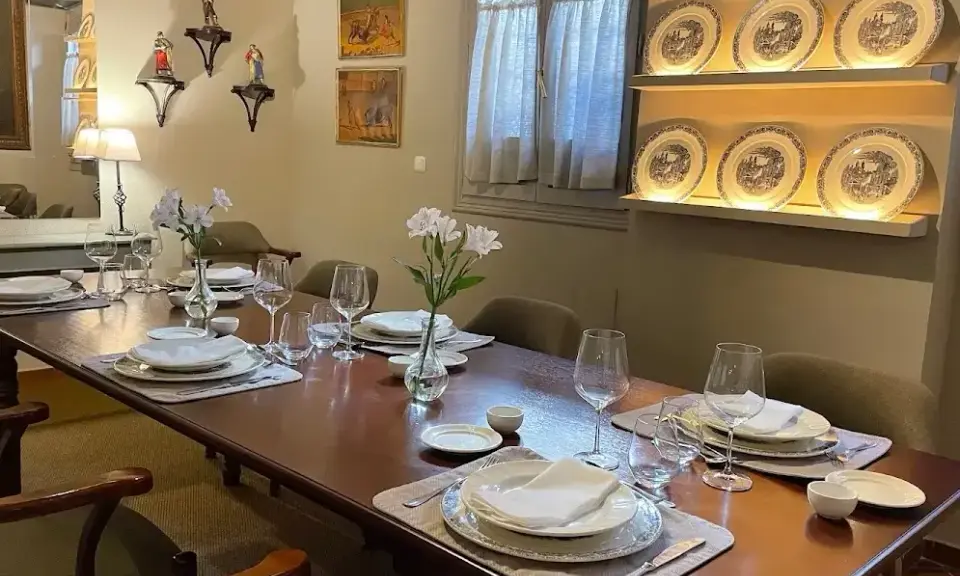
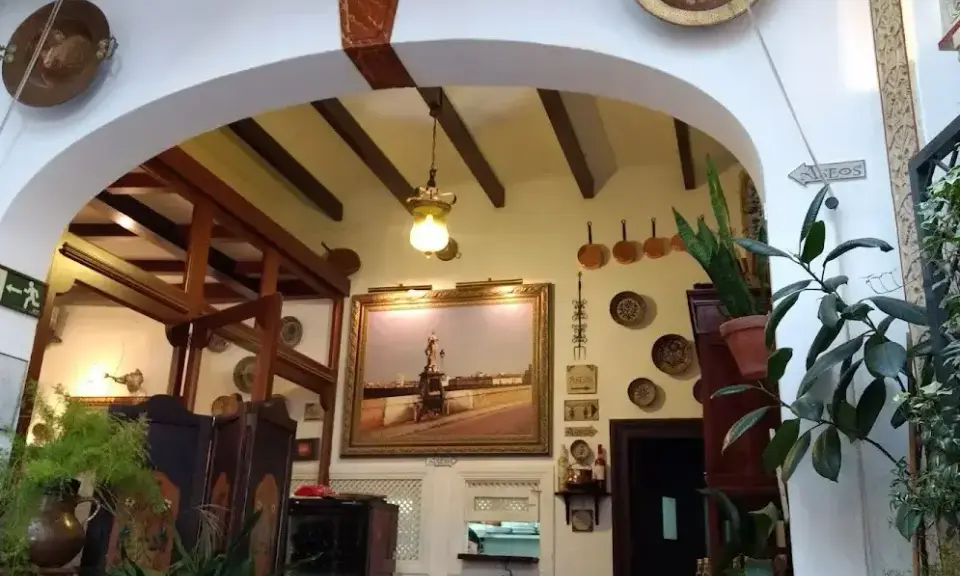
Bodegas Campos has occupied a former aristocratic palace since 1908, which makes it one of the longest-operating gastronomic addresses in Andalusia. The scale of the place distinguishes it from every other entry on this list: sequences of patios with climbing plants and stone fountains, vaulted rooms where enormous oak barrels mature the house Montilla-Moriles under the appellation's protected designation. The cooking holds up: the rabo de toro has been on the menu for over a century, the oxtail simmered four to five hours until the meat threads off the bone and the sauce reduces to a dark glaze. The salmorejo is one of the finer traditional versions in the city. King Juan Carlos I ate here; the photograph is on the wall. A visit is expensive by this guide's standards — budget €25 to €40 — but the fixed lunch menu brings the price down significantly. Book ahead and ask for the central patio rather than the barrel room: the courtyard with climbing vines is where the restaurant feels alive.

10 places

Historic cave bodegas

  1. Bodega Guzmán

    Bodega Guzmán

    Bodega Guzmán on Calle Judíos, number 7, is the argument for everything this guide is about. The wooden barrels stand behind the counter exactly where they have always stood. The bullfighting posters on the walls are originals — faded, cracked at the corners, not chosen by an interior designer. The wine comes from the barrel in ceramic tumblers: Fino Amargoso, cold and bitter with an almond edge, or the heavier Oloroso Abuelo, which develops into walnuts and dried fruit by the second glass. Both are drawn from the Montilla-Moriles appellation, not Jerez — same tradition, different chalk. Tapas are exactly what they should be: chorizo in wine, veal with tomato, black pudding, all priced without a tourist premium. A glass of wine costs €1.50 to €3; you will not exceed €10 for a round of two wines and one shared plate. The kitchen closes at 9:30 pm, so arrive with food in mind. Two minutes from the Synagogue.

    Tapas Bar
  2. Taberna Salinas

    Taberna Salinas

    Open since 1879, Taberna Salinas is the address that every other traditional taberna in Córdoba is measured against. The barrels line the worn walls. The period floor tiles hold their geometric patterns. The tortilla is soft in the middle; the croquetas are homemade; the jamón ibérico is carved to order. The salmorejo is thick and very cold and finished properly with diced serrano ham and hard-boiled egg. Montilla-Moriles wine pours straight from the barrel into the glass. People talk loudly here, call out to the server, debate the football. Tables fill within fifteen minutes of opening — no reservations, walk-in only — so arrive by 1 pm for lunch or 8:30 pm for dinner. One important detail: Salinas closes for the entire month of August. The rest of the year it is open and reliable. Budget €15 to €25 with wine.

    Tapas Bar
  3. Taberna Los Berengueles

    Taberna Los Berengueles

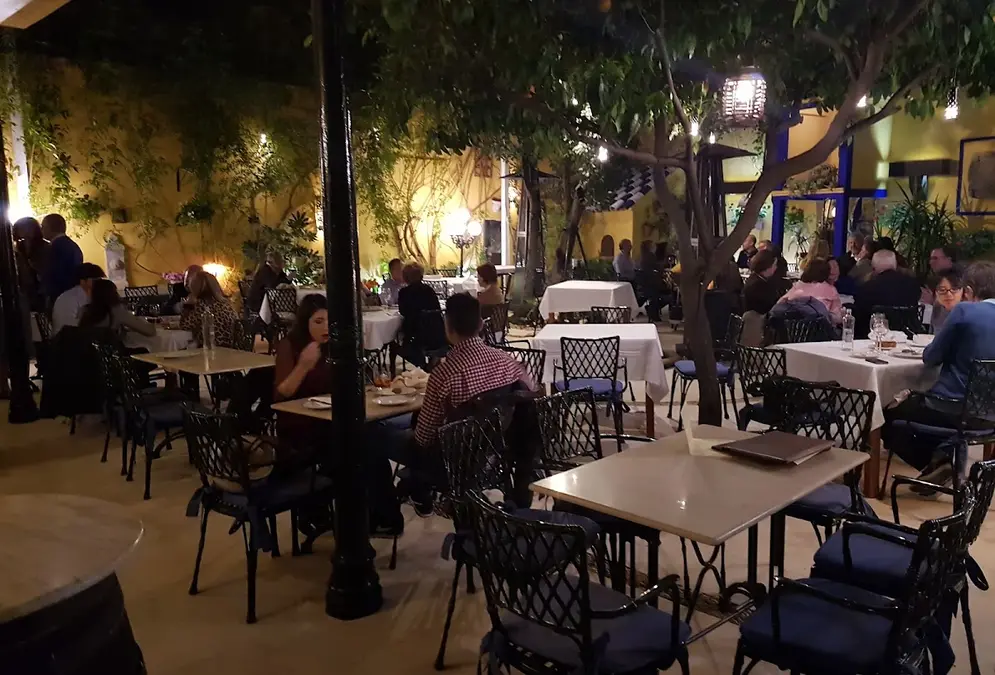
    Taberna Los Berengueles occupies the former palace of the Marquesa de Valdeloro, an 18th-century aristocratic residence in the Centro neighbourhood. The azulejo-tiled walls, columns, arches, and Moorish architectural details are original. Trees grow through the central patio — mature enough that they have broken through the roof — casting natural shade over the tables below. At its best in spring, when the trees flower and the courtyard fills with afternoon light. The wine cellar leads with Montilla-Moriles: fino with the tapas, a more complex amontillado with slow-cooked dishes, syrupy Pedro Ximénez alongside dessert. The croquetas de rabo de toro are among the best in the city, the oxtail shredded into a dense bechamel and fried until the crust cracks. Closed Monday and Tuesday; dinner Wednesday to Saturday, lunch Wednesday to Sunday. Book the patio specifically. Budget €25 to €40.

    Traditional

Classic tabernas with a kitchen that built a reputation

  1. Taberna San Miguel - Casa El Pisto

    Taberna San Miguel - Casa El Pisto

    The locals call it Casa El Pisto; the sign says Taberna San Miguel. Both names are accurate, and both tell you what matters. The bar sits on Plaza San Miguel and the handwritten menu is in Spanish, which tells you the rest. The specialty is pisto manchego: tomatoes, peppers, courgettes, and onions slow-cooked until they collapse, crowned with a fried egg. The recipe has not changed. Beyond that, croquetas caseras (ham, salt cod, mushroom), cordovan flamenquines, and the best salmorejo in the neighbourhood when it is on the board. The wine arrives from the barrel — barrel vermouth first, cold and slightly bitter, then a Montilla-Moriles fino when the tapas come. The azulejo tiles, the decorative barrels, the black-and-white photographs on the wall: nobody chose the décor as a concept. By 1:30 pm on any Friday, every stool at the counter is taken and the noise level has climbed pleasantly. No reservations. Cash preferred. Budget €8 to €12 per person.

    Tapas Bar
  2. Bodegas Campos

    Bodegas Campos

    Bodegas Campos has occupied a former aristocratic palace since 1908, which makes it one of the longest-operating gastronomic addresses in Andalusia. The scale of the place distinguishes it from every other entry on this list: sequences of patios with climbing plants and stone fountains, vaulted rooms where enormous oak barrels mature the house Montilla-Moriles under the appellation's protected designation. The cooking holds up: the rabo de toro has been on the menu for over a century, the oxtail simmered four to five hours until the meat threads off the bone and the sauce reduces to a dark glaze. The salmorejo is one of the finer traditional versions in the city. King Juan Carlos I ate here; the photograph is on the wall. A visit is expensive by this guide's standards — budget €25 to €40 — but the fixed lunch menu brings the price down significantly. Book ahead and ask for the central patio rather than the barrel room: the courtyard with climbing vines is where the restaurant feels alive.

    Traditional
  3. La Taberna de Almodóvar

    La Taberna de Almodóvar

    La Taberna de Almodóvar near the Puerta de Almodóvar holds a Michelin Bib Gourmand, the guide's mark for exceptional food at honest prices — and it earned that distinction without softening its character. Terracotta tones, exposed stone, tables close enough that the kitchen is audible, a working tapas bar atmosphere. The croquetas Almodóvar have their own following: a golden crackling crust, creamy bechamel scented with Iberian ham, the filling dense rather than liquid. The mazamorra — cold almond soup, rarer than salmorejo and just as Córdoban in spirit — is worth ordering when it appears. Flamenquín arrives properly crunchy; the salmorejo is silky and generous. Kitchen opens at 8:30 pm weekdays and 1:30 pm at weekends. Reservations essential. Budget €35 to €45 with wine. A natural stopping point after a walk through the northern Judería via the Puerta de Almodóvar gate.

    Tapas Bar

Neighbourhood and specialist tabernas

  1. Taberna La Fuenseca

    Taberna La Fuenseca

    Taberna La Fuenseca, founded in 1852, is Córdoba's oldest peña flamenca — a cultural association, not a commercial venue. The walls carry 170 years of accumulated evidence: black-and-white photographs of cantaores and guitarists, festival bills, signed photographs. When a local guitarist picks up an instrument here, when someone's voice rises into a siguiriya, there is no printed programme and no paid admission. It either happens or it does not. Check the peña's social media on Friday afternoons for weekend announcements; when a session is on, arrive by 9 pm because the room holds around forty people comfortably. Beyond the flamenco, La Fuenseca is a neighbourhood taberna with Montilla-Moriles fino and amontillado, jamón ibérico, salmorejo, and tortilla española at prices that have not tracked the tourist trail: €5 to €10 covers drinks and tapas for the evening. The contrast with the bars two streets away in the Judería is sharp. This is where Córdoba's flamenco aficionados drink.

    Flamenco
  2. Taberna El Número 10

    Taberna El Número 10

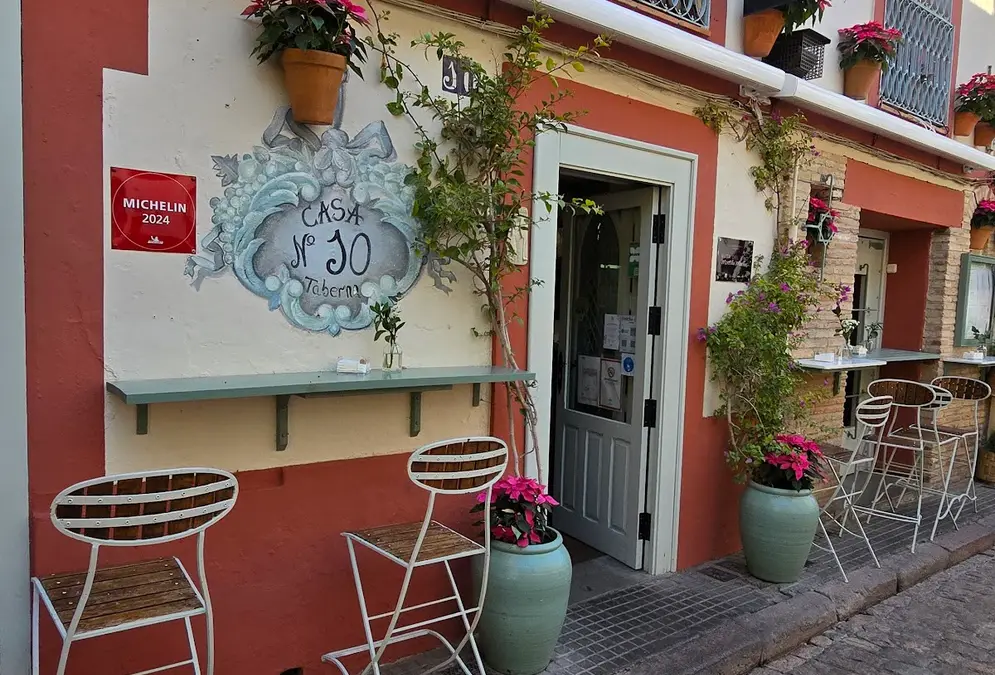
    Taberna El Número 10 on Calle Romero in the Judería, Michelin-listed since 2017, has made Montilla-Moriles the centre of the room rather than the background. The room looks the part: oak barrels against patinated walls, exposed beams, stone alcoves. The cellar covers the D.O. Montilla-Moriles exclusively, and the sommeliers run guided tastings (the Catas de 10) that take fino, amontillado, and Pedro Ximénez apart flavour by flavour. The kitchen produces solid traditional Córdoban tapas: thick salmorejo, berenjenas con miel crisp from the fryer with cane honey, a flamenquín among the city's best. The combination of fino with salmorejo is the Córdoba benchmark at its most focused. Closed Monday and Tuesday; open Wednesday to Sunday for lunch and dinner. Reserve ahead for weekend evenings: the Judería location draws the Mezquita crowd and tables fill fast. Budget €20 to €40.

    Tapas Bar
  3. Taberna San Basilio

    Taberna San Basilio

    Taberna San Basilio sits in the neighbourhood that names it — the San Basilio quarter, where Córdoba's most flower-filled patios are concentrated and the regulars eat lunch on Sundays in the same seat their fathers used. The room is small, the kitchen always present — you can smell the carne en salsa reducing from the counter, see the salmorejo being portioned. The salmorejo is made each morning from a family recipe, thick and deeply coloured, richer in olive oil than the versions in the tourist corridor nearby. The carne en salsa shreds under a fork, the sauce sticky with wine and bay. Order the tarta de queso at the start of the meal before it runs out. Budget €12 to €20 for a full meal. No reservation needed outside May, when the Patio Festival fills the neighbourhood. Dinner every evening except Sunday; lunch weekends only. Ten minutes on foot from the Roman Bridge.

    Traditional
  4. Bodegas Mezquita

    Bodegas Mezquita

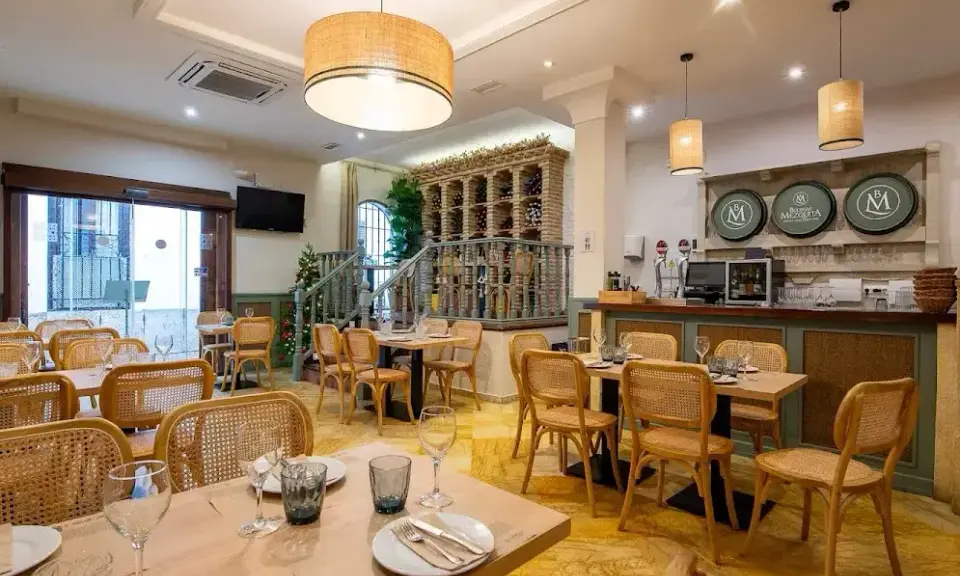
    Bodegas Mezquita on Calle Céspedes, one hundred metres from the Mezquita-Cathedral entrance, is the most accessible address on this list, and the busiest. Wine barrels line the walls; the service moves fast; the house wine is a young Montilla-Moriles at around €2.50 a glass. The salmorejo is the benchmark version for anyone discovering Córdoba's most famous cold soup: thick, well-seasoned, topped with serrano ham and hard-boiled egg. Flamenquín comes out crispy with a crust that shatters cleanly; berenjenas con miel deliver the sweet-savoury contrast at its most direct. For €20 to €30 you eat generously. Order two or three tapas to share rather than individual mains. At peak season and weekends, book ahead or arrive at 1 pm and 8:30 pm to beat the main rush. Several branches exist around the city; the Céspedes location is the closest to the monuments.

    Traditional

Start with Bodega Guzmán for the most unmediated barrel-wine experience in the city, then work outward. Taberna Salinas and Taberna Los Berengueles reward a longer lunch; Bodegas Campos is the one to book for a full sit-down meal in a historically significant room. For the Judería neighbourhood specifically, Taberna El Número 10 pairs the appellation with a knowledgeable wine programme that most of these places would not attempt.

The practical sequencing: Bodega Guzmán and Bodegas Mezquita sit within five minutes of the Mezquita-Cathedral, so they work before or after the monument visit. Taberna San Basilio requires a deliberate walk to the patio quarter but the neighbourhood earns it. La Fuenseca is an evening address, better after 9 pm when the flamenco may or may not happen.

Every address on this list pours Montilla-Moriles. The appellation is not widely known outside Andalusia, which means prices stay honest and the conversation around the wine is not yet mediated by international wine press. Fino at €1.50 to €3 a glass, drawn from a cask that has been in the same building for decades. That particular combination is harder to find than it should be.

Frequently asked questions about Best Bodegas and Tabernas in Córdoba

What is the difference between a bodega and a taberna in Córdoba?

In Córdoba, a bodega is an establishment where wine is stored and served directly from the barrel — the defining feature is the cask behind the counter. A taberna is a traditional tavern with a broader food offer, though the two overlap considerably. Bodega Guzmán is a pure bodega: the wine programme is the point. Taberna Salinas is a taberna where barrel wine is still the drink but the kitchen is equally important. The distinction is not legal but cultural.

What wine do traditional bodegas in Córdoba serve?

Montilla-Moriles, not sherry. The appellation is produced sixty kilometres south of Córdoba from Pedro Ximénez grapes grown on chalky soils. It produces its own fino, amontillado, and Pedro Ximénez styles, all at lower alcohol than sherry because the grapes reach full sugar concentration without fortification. The dry fino served cold is the classic house pour at most of the addresses on this list. It is a regional product that predates Jerez's international reputation by centuries.

Do I need to book at traditional tabernas in Córdoba?

Most traditional bodegas and tabernas in Córdoba do not take reservations: Bodega Guzmán, Taberna Salinas, Taberna San Miguel, Bodegas Mezquita, and Taberna San Basilio are all walk-in only. The exceptions are Bodegas Campos (book a few days ahead, especially for the patio) and La Taberna de Almodóvar (reservations essential). Taberna El Número 10 and Taberna Los Berengueles also benefit from advance booking at weekends.

What is the best time to visit traditional tabernas in Córdoba?

Weekday lunch from 1 pm to 3 pm is when these places are at their best: the kitchen is freshest, the regulars are in, and the noise is at a conversational level. Weekend lunch fills faster — arrive by 1 pm to be sure of a seat at Taberna Salinas or Taberna San Miguel. Evening service opens around 8:30 pm. Taberna Salinas closes all of August; check before visiting in summer.

Which bodega or taberna is closest to the Mezquita-Cathedral?

Bodegas Mezquita on Calle Céspedes is roughly 100 metres from the Mezquita entrance — the most convenient option after the monument visit. Bodega Guzmán on Calle Judíos, the best pure bodega on this list, is two minutes from the Synagogue in the Judería, a five-minute walk from the Mezquita. Taberna El Número 10 is on Calle Romero, also in the Judería, steps from the Mezquita-Cathedral gate.