Articles
Stories, history, and planning essays from Córdoba (Page 3)
Long-form editorial pieces written by resident correspondents: cultural deep-dives, food traditions, and practical planning essays for visiting the city.
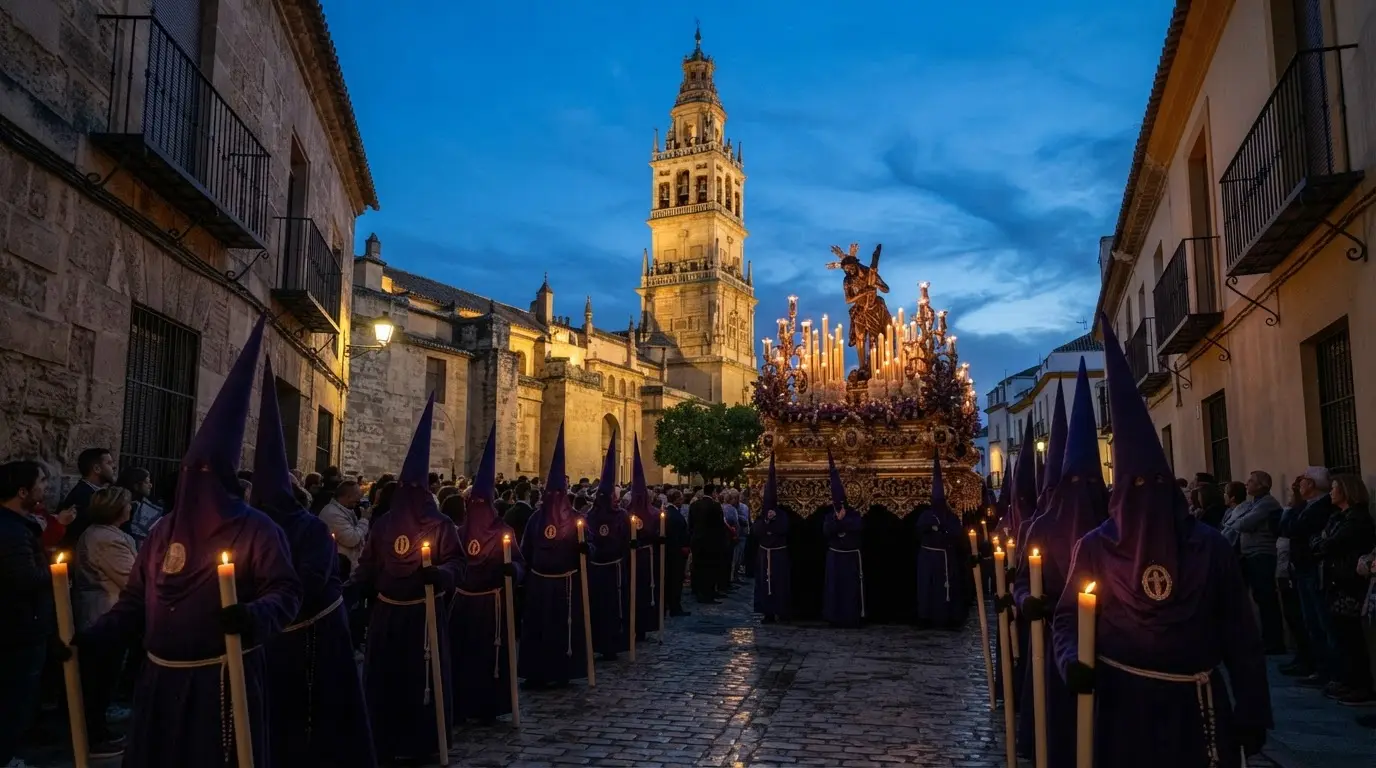
Semana Santa 2027 Falls Early: What It Means for Córdoba
María Fernanda González
Easter Sunday 2027 falls on 28 March, a week earlier than 2026. Here's why Semana Santa Córdoba shifts, what the weather means, and how to plan around it.
Read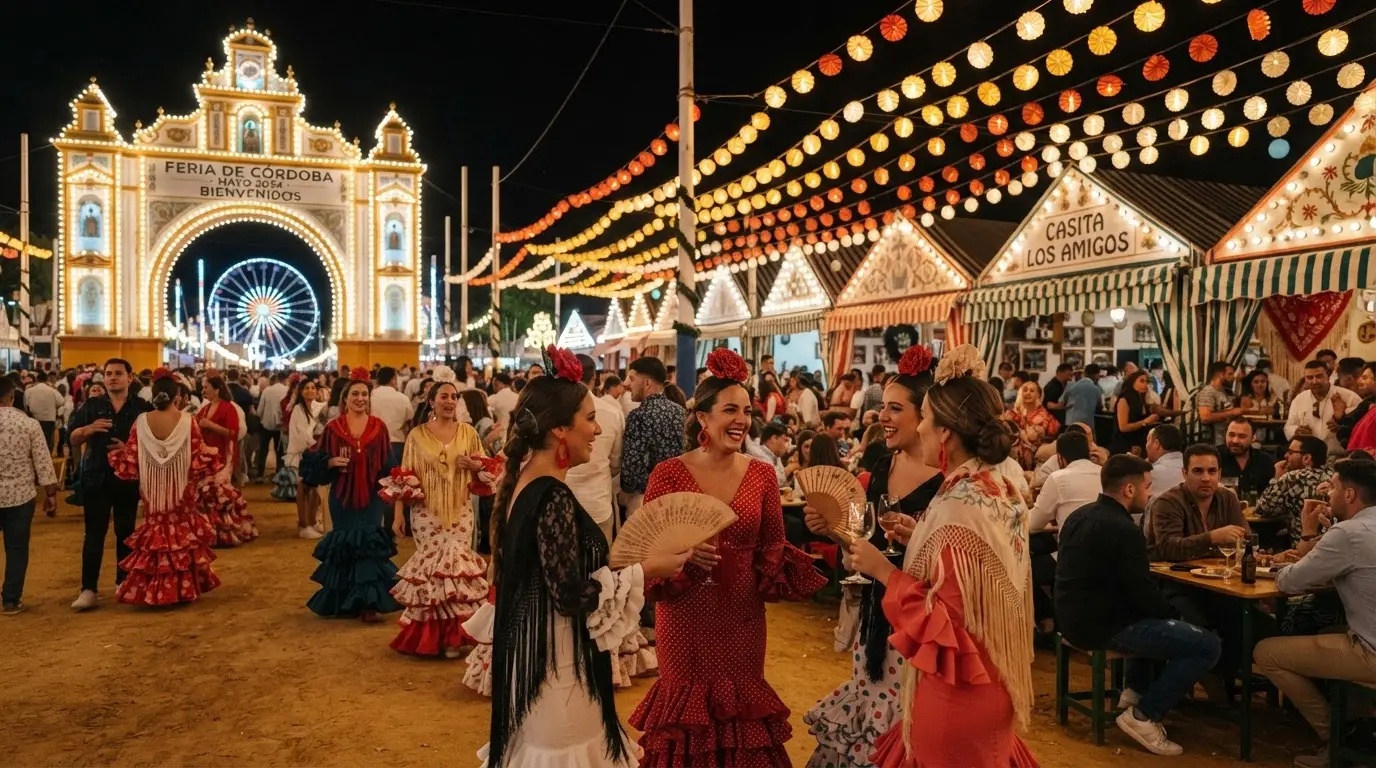
Feria de Córdoba 2027: Dates, Demand & Booking Windows
María Fernanda González Updated
Official 2027 Feria de Córdoba dates aren't published yet. Here's the projected window, plus how fast hotels sold out in 2024 and casetas filled up in 2026.
Read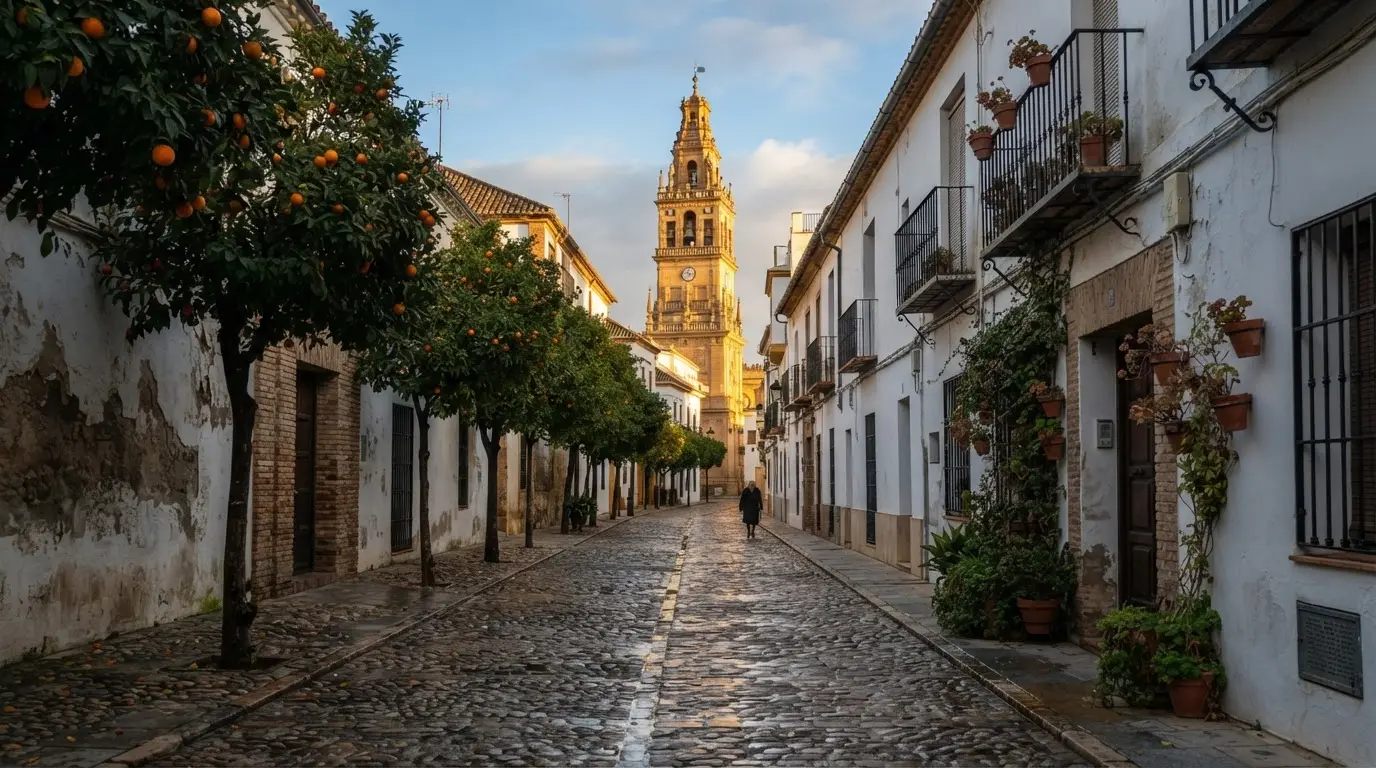
Córdoba Off-Season: Why the Quiet Months Are the Smart Visit
María Fernanda González
Córdoba's Mezquita drew a record 2,186,774 visitors in 2024, yet January stayed nearly empty. Here's the data behind why Nov–Mar is the smartest time to visit.
Read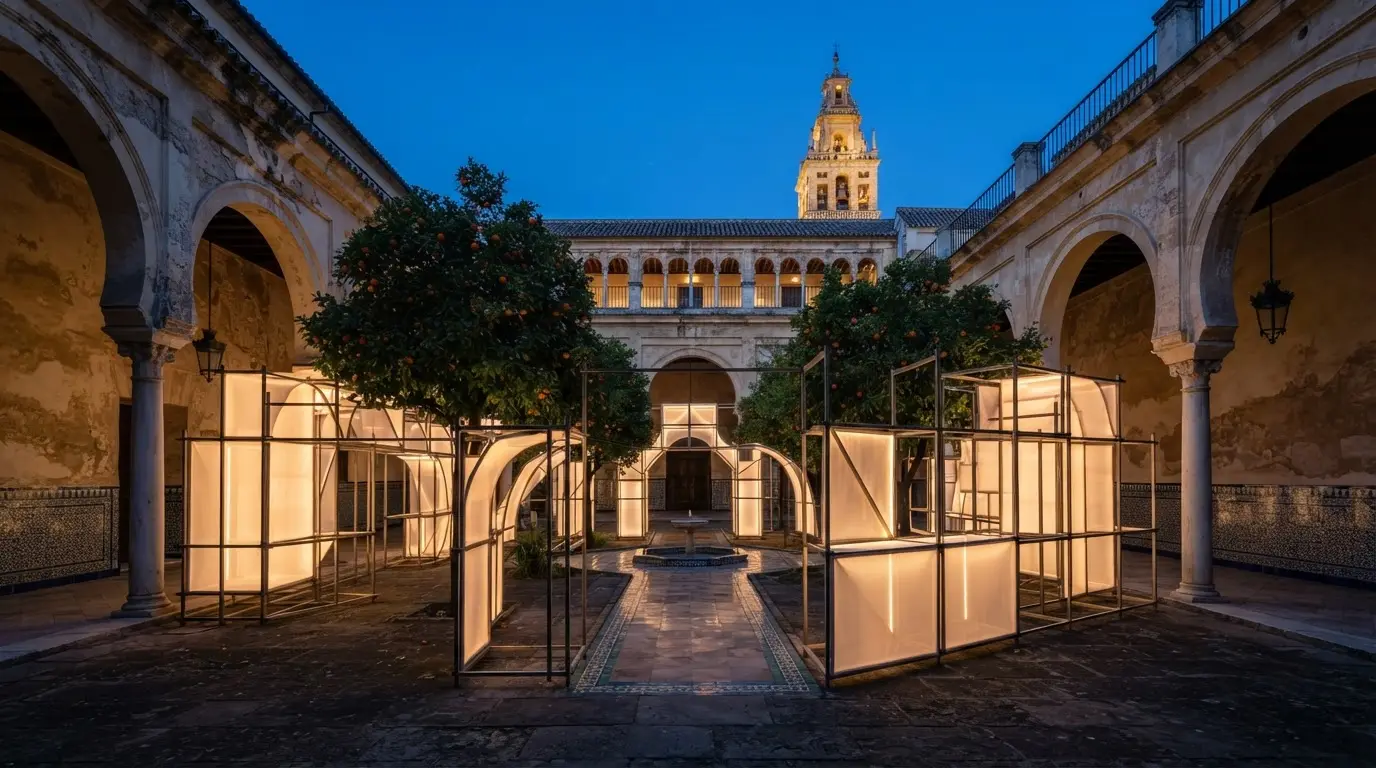
Festival Córdoba Efímera: Why Córdoba Builds to Vanish
Sophie Marchand Updated
Festival Córdoba Efímera is turning six heritage sites across Córdoba's historic centre into a temporary architecture museum. Here's how it differs from FLORA.
Read
Guadalquivir River Drought: Why 2026 Looks Different
Carmen Ruiz Montoya Updated
The Guadalquivir stopped flowing through Córdoba in 2021. Reservoirs hit 87.8% by May 2026, the best in a decade, but officials call it one year, not a fix.
Read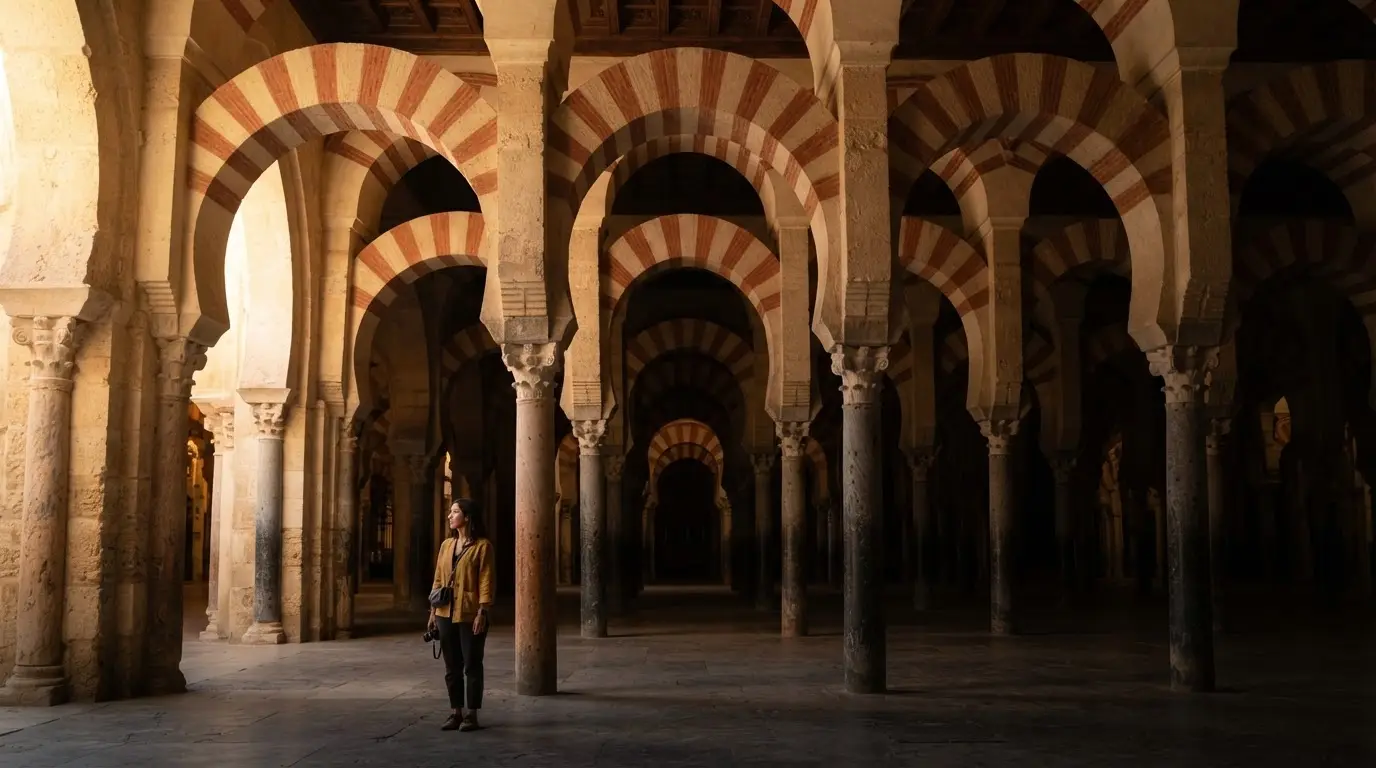
Al-Andalus Tourism Boom: What It Means for Córdoba
Sophie Marchand
Why the Al-Andalus travel segment is booming in 2026: 16 million Muslim arrivals to Southern Europe, the caliphal origin story, and what it means for Córdoba.
Read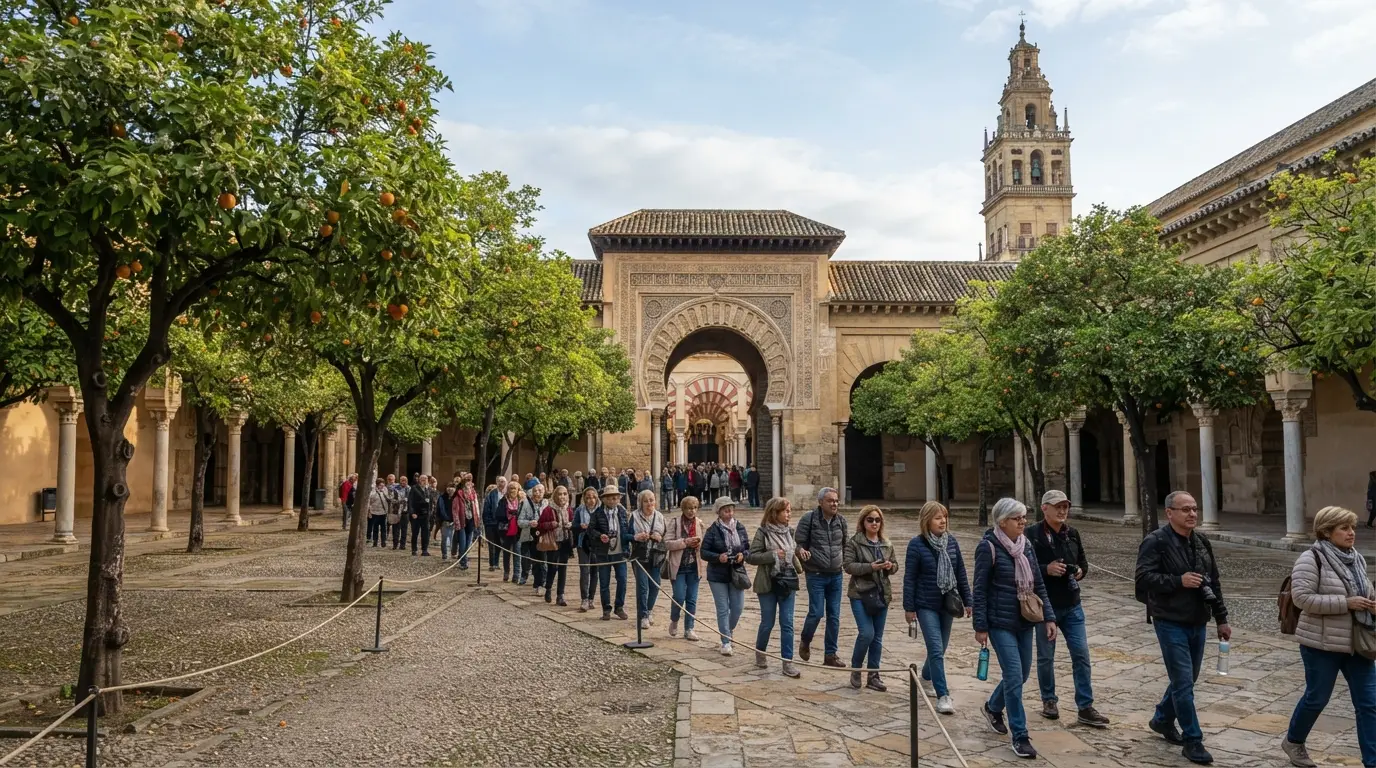
Mezquita Visitors: How Córdoba Handles 2 Million a Year
María Fernanda González Updated
The Mezquita-Catedral drew 2,191,731 visitors in 2025. How its queue flow, €15 ticket and new reception centre manage the crowd, and why its cap rarely bites.
Read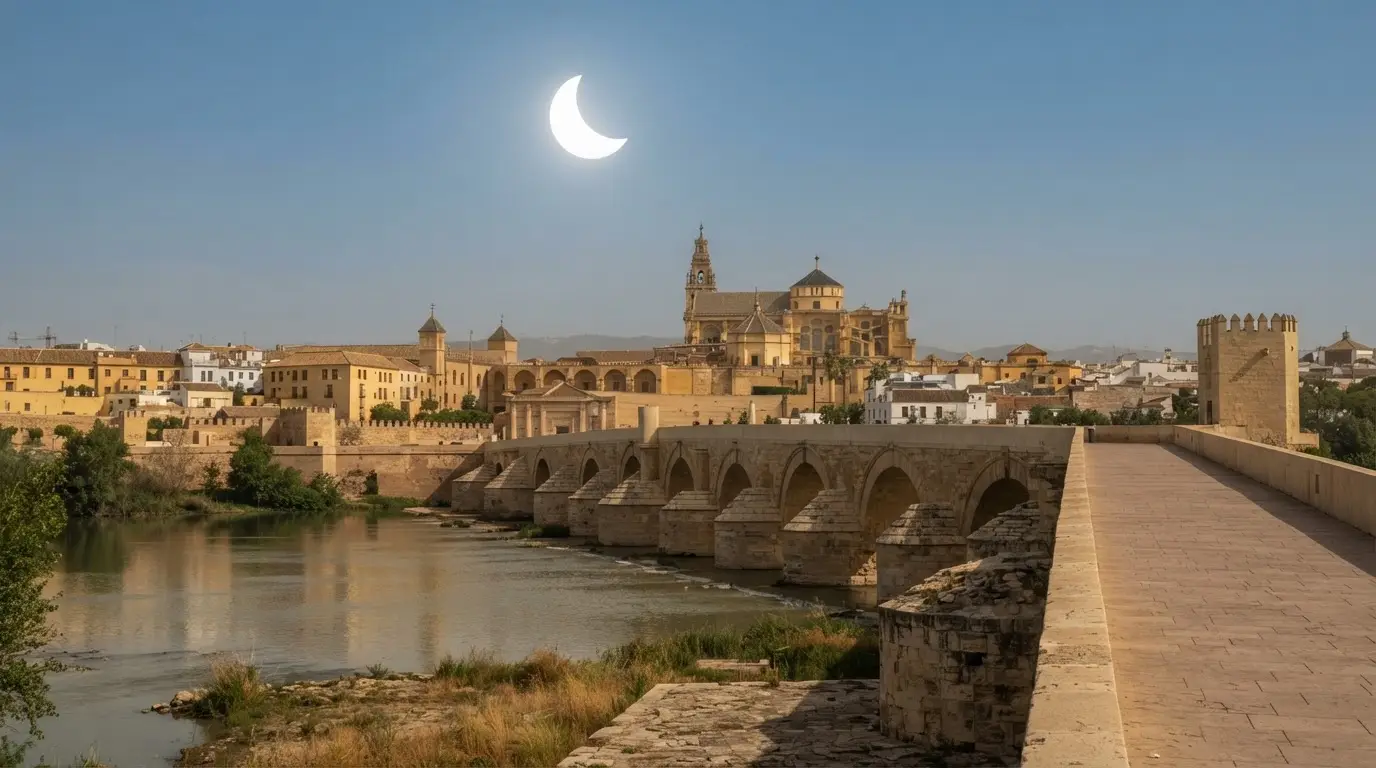
Eclipse 2027 Spain: Where to Stay for Totality
María Fernanda González Updated
Córdoba sees a magnitude-0.964 partial eclipse on 2 August 2027 — totality stays on the Cádiz and Málaga coast. Sleep here, day-trip south for the smart plan.
Read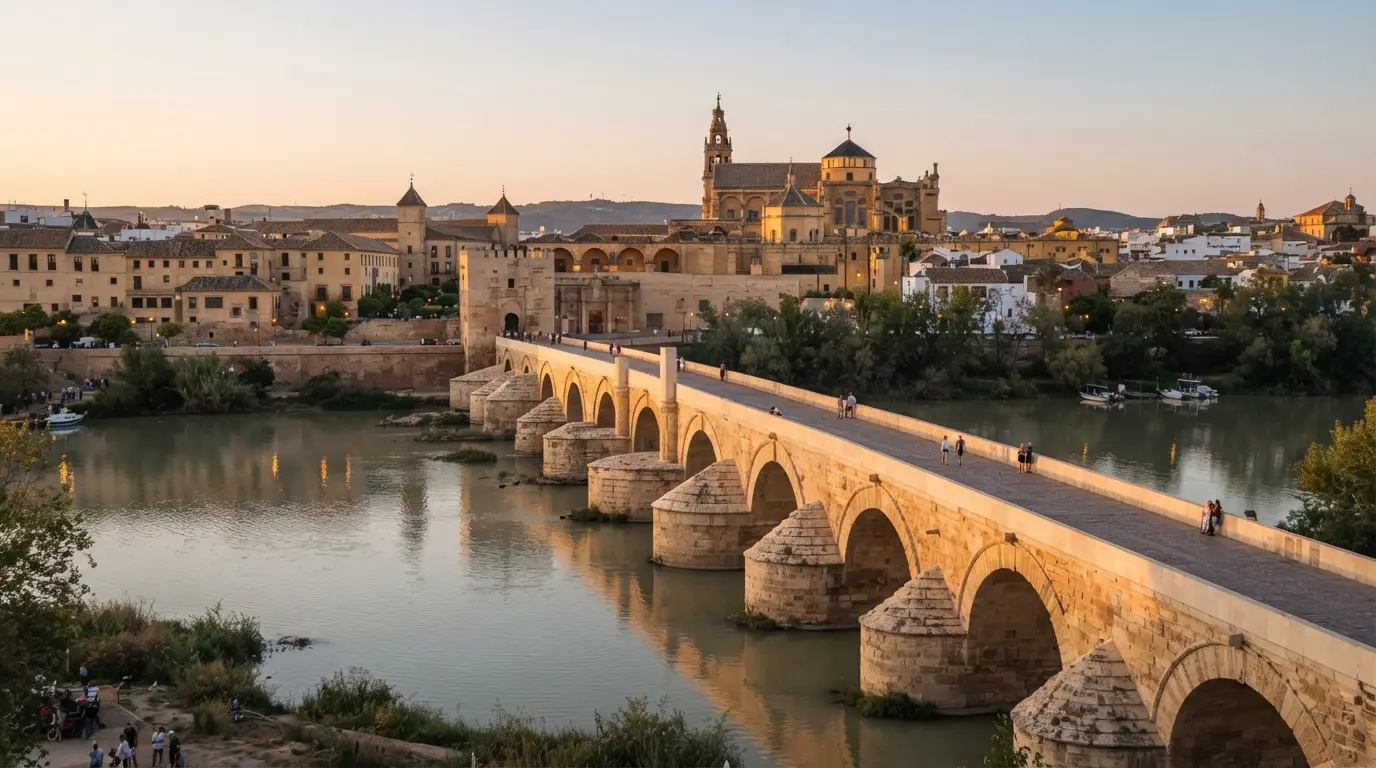
Why Córdoba Deserves More Than a Day on an Andalusia Road Trip
María Fernanda González
Córdoba sits where the Seville, Granada and Madrid routes cross by road and rail, making it Andalusia's hinge city and worth more than a one-day drive-by stop.
Read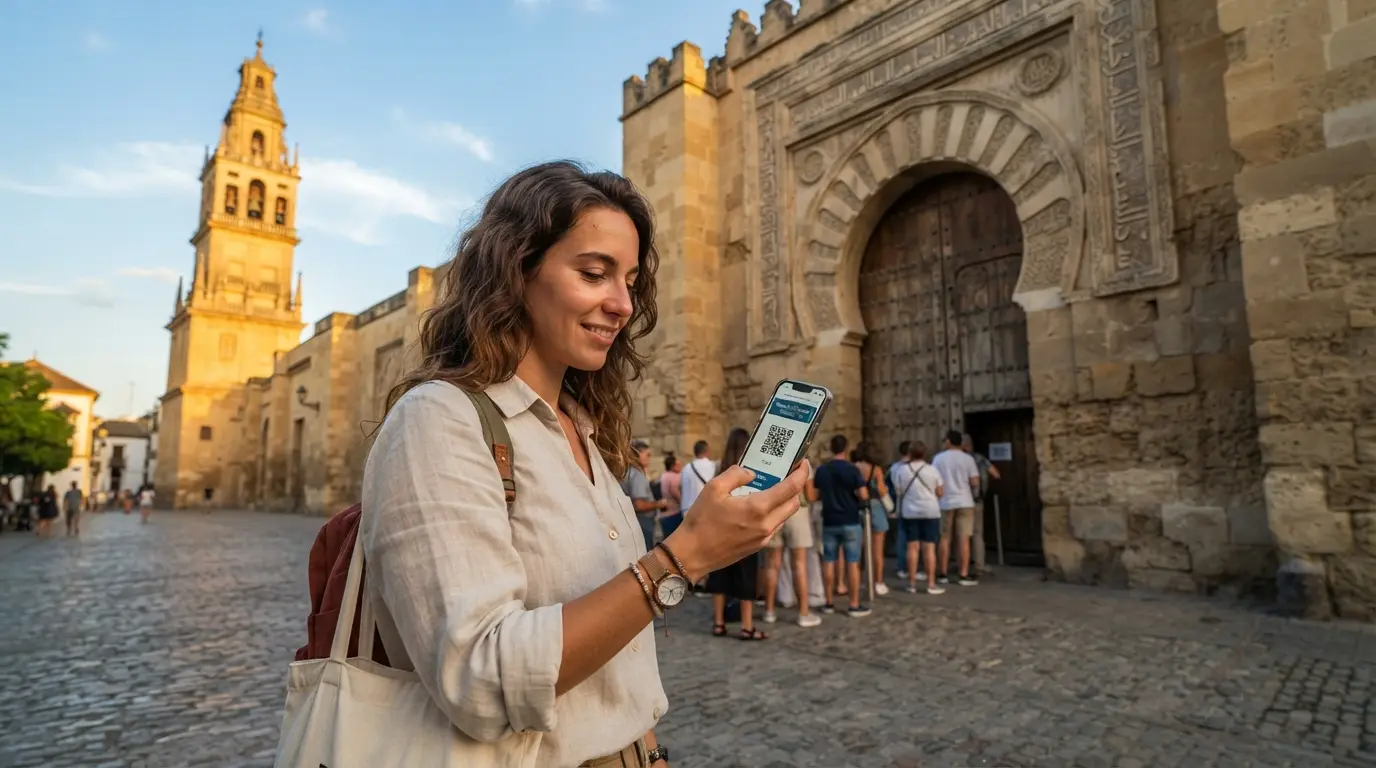
10 Mistakes to Avoid on Your First Trip to Córdoba
María Fernanda González
Ten costly mistakes first-time visitors make in Córdoba, from walk-up Mezquita queues to misjudging Patios Festival dates, and how to avoid them before you fly.
Read
ETIAS 2027 Spain: New Entry Rules for Córdoba
María Fernanda González
Flying into Málaga and taking the AVE to Córdoba? Here's what ETIAS, the €20 authorisation and live EES checks mean for your arrival, and where to apply safely.
Read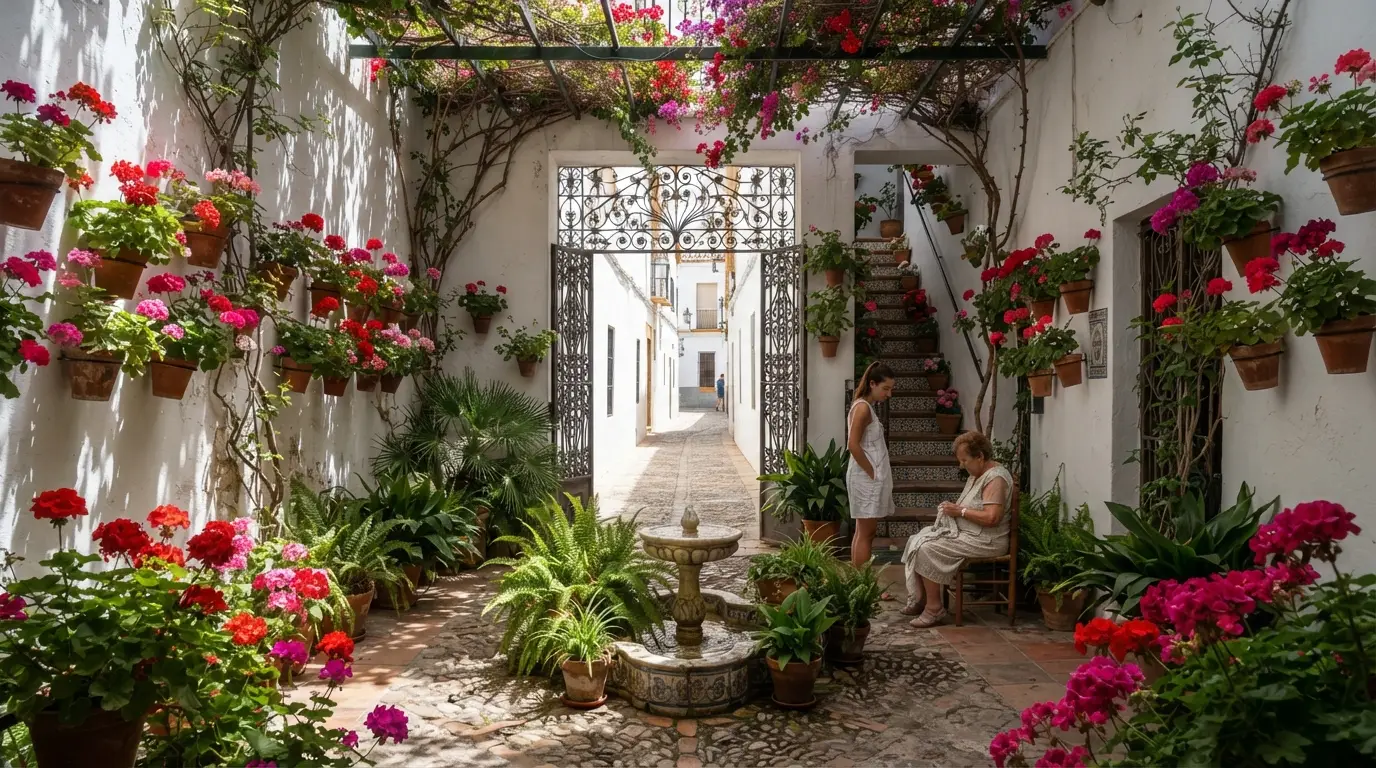
Córdoba Extreme Heat: How Europe's Hottest City Survives
Sophie Marchand Updated
Siesta hours, courtyard microclimates and Sierra swimming holes: how Córdoba turns extreme heat into a way of life, and how to visit comfortably in summer 2026.
Read