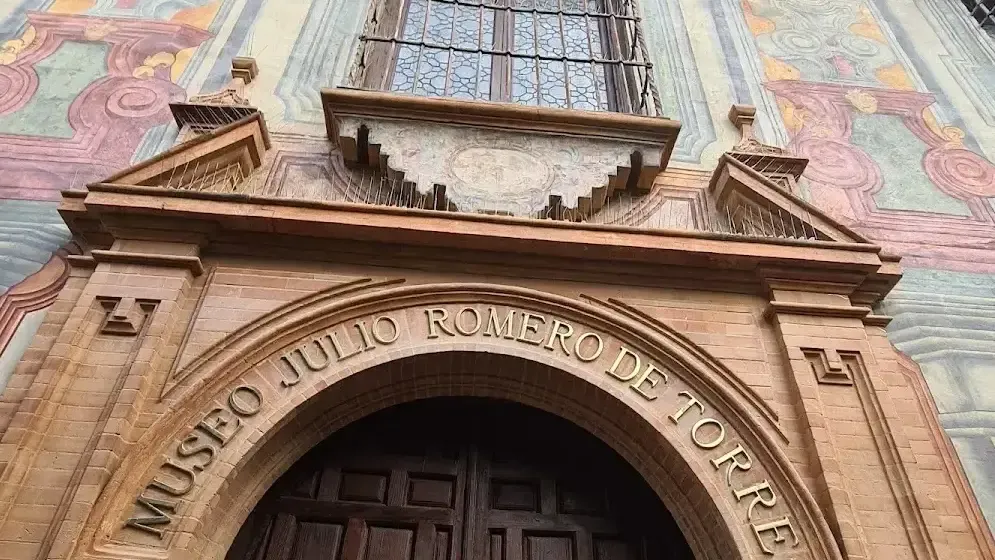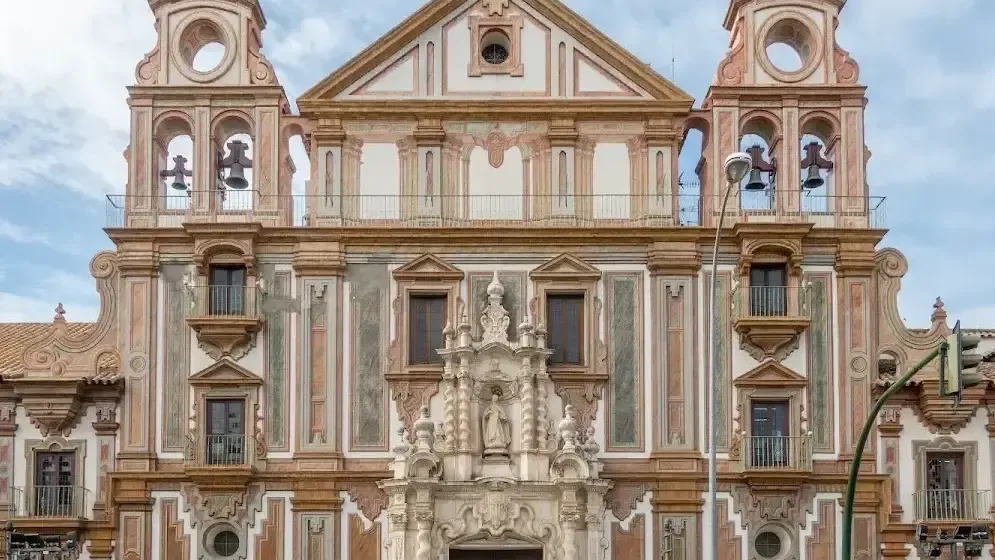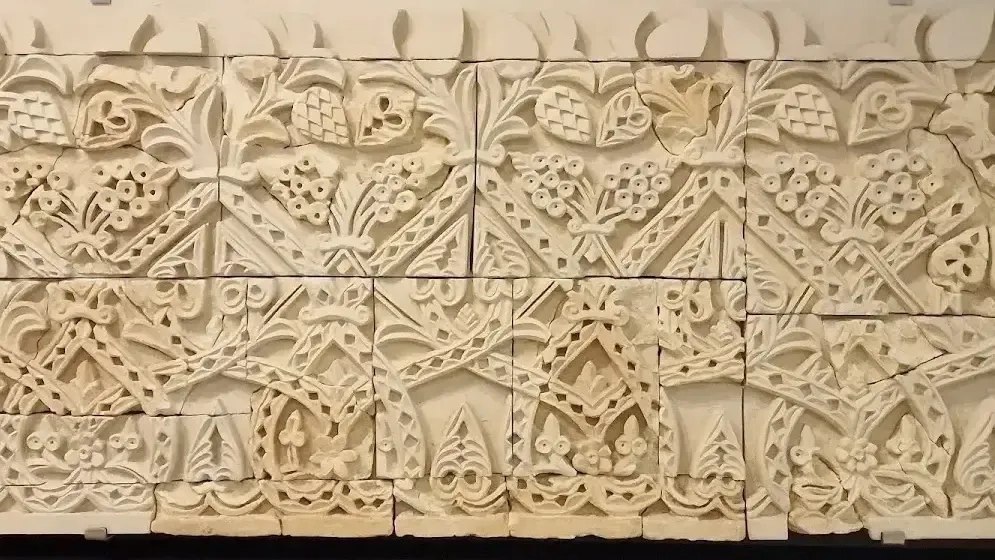
The Museo Arqueológico de Córdoba holds 33,500 pieces covering the region's history from Prehistory to the medieval Islamic period. The museum occupies the Renaissance palace of the Páez de Castillejo family and includes Roman mosaics, ancient sculptures, Caliphal ceramics, and artefacts from Medina Azahara. Below the building, a 1st-century Roman theatre survives in remarkable condition.
One of Spain's Oldest Museums
The palace, built in the 16th century for the Páez de Castillejo family, sits directly on the ruins of the ancient Roman theatre. The museum opened in 1867, among the oldest archaeological museums in Spain. The collections span Córdoba's successive occupations by Iberians, Romans, Visigoths, and Arabs — each of which left substantial material traces in the ground here.
The Collection's Highlights
The rooms are arranged chronologically. The polychrome Roman mosaics are among the finest in the region. The Iberian lion of Nueva Carteya is the standout piece from the pre-Roman period. Sculptures from the Roman Temple and a comprehensive collection of Caliphal ceramics from Medina Azahara round out the main galleries. The Roman theatre remains in the basement are worth descending for — the scale of what was built here in the 1st century AD changes your sense of how large Roman Córdoba actually was. The Renaissance inner courtyard connects the floors and provides a pause point between periods.
Planning Your Visit
Allow 1 to 1.5 hours. The museum is useful context before visiting Medina Azahara or the Roman Temple. For Roman-era comparison, the nearby Hospes Palacio del Bailio contains a restored 1st-century Roman villa with mosaics and baths. Free entry for EU citizens. Closed Mondays. Best visited in the morning before crowds arrive. Located in the Centro quarter, 5 minutes' walk from the Mezquita-Catedral.